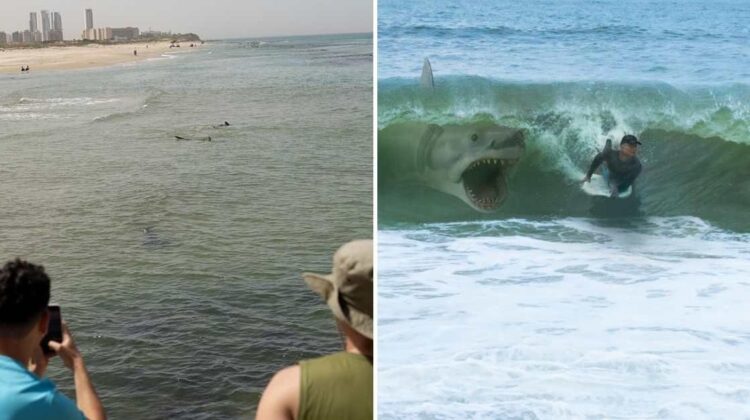
For decades, dusky sharks had a spotless record with people. Then, off the coast of Israel, that record ended in a single afternoon.
The Afternoon Everything Changed
On April 21, 2025, a 40-year-old tourist went snorkeling at Hadera, about 40 kilometers north of Tel Aviv. He swam more than 100 meters from the beach, carrying a GoPro to film a group of dusky sharks (Carcharhinus obscurus) that gather there. Onlookers on shore saw blood in the water and heard screams for help. Rescue teams searched until dark, and the man’s remains were found the following day.
It was the first recorded fatal shark incident in Israeli waters since the country was founded in 1948. It was also the first time dusky sharks have been positively identified in a human death anywhere in the world, according to the University of Exeter.
Why Hadera Is Full of Sharks
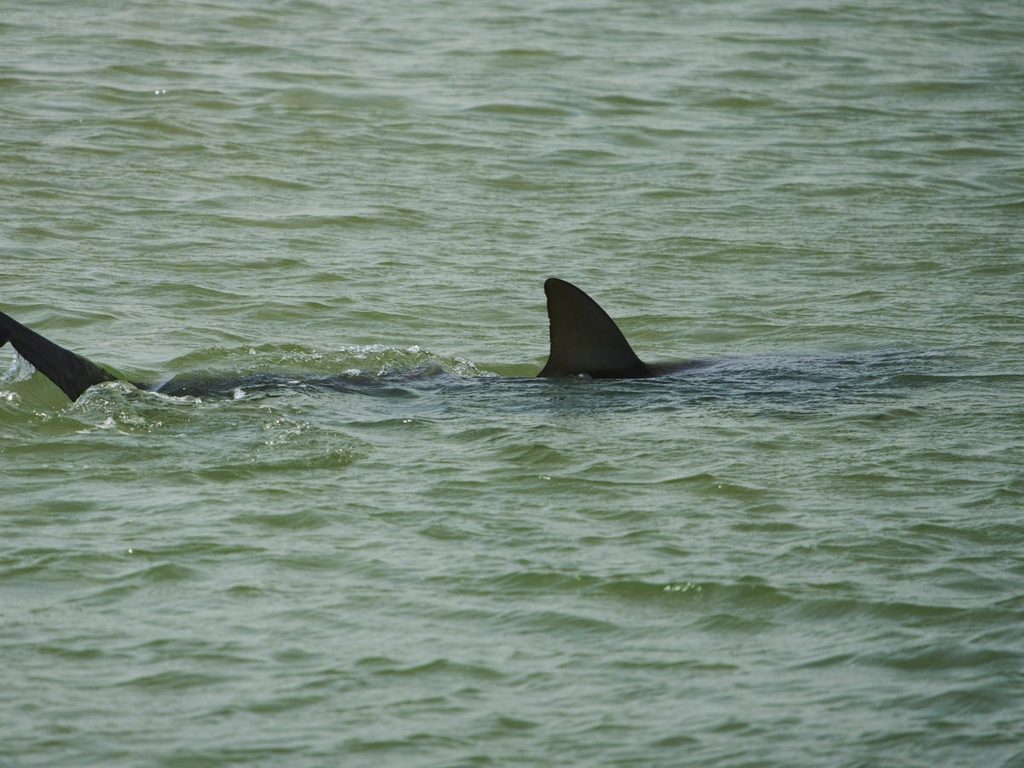
Hadera’s coastline is home to the Orot Rabin power station, which pumps warm water back into the sea and discharges desalination brine. Every year, that warm outflow draws an aggregation of roughly 60 to 80 sharks, mostly female dusky sharks and male sandbar sharks. Some grow beyond 3.5 meters long.
These species normally hunt small fish and crustaceans, and neither had ever been blamed for killing a person. Visitors know that, which is why snorkelers and swimmers regularly slip into the water to watch the sharks, film them and, in some cases, toss them food scraps.
What Researchers Think Happened
Two shark experts, Eric Clua and Kristian Parton, studied photos and footage of the incident and concluded that at least two dusky sharks took part. Their explanation starts with a missed bite. They believe a bold, curious shark went for the shiny camera and accidentally bit the man’s hand. The blood and thrashing then likely set off a feeding frenzy among competing sharks in the group.
The researchers published their findings in the journal Ethology. They argue that years of hand-feeding taught these sharks to link people with food, producing what they call “begging behaviour.” A shark conditioned that way may approach humans expecting a reward, and a clumsy reflex bite can follow.
Shark Tourism Needs a Reset
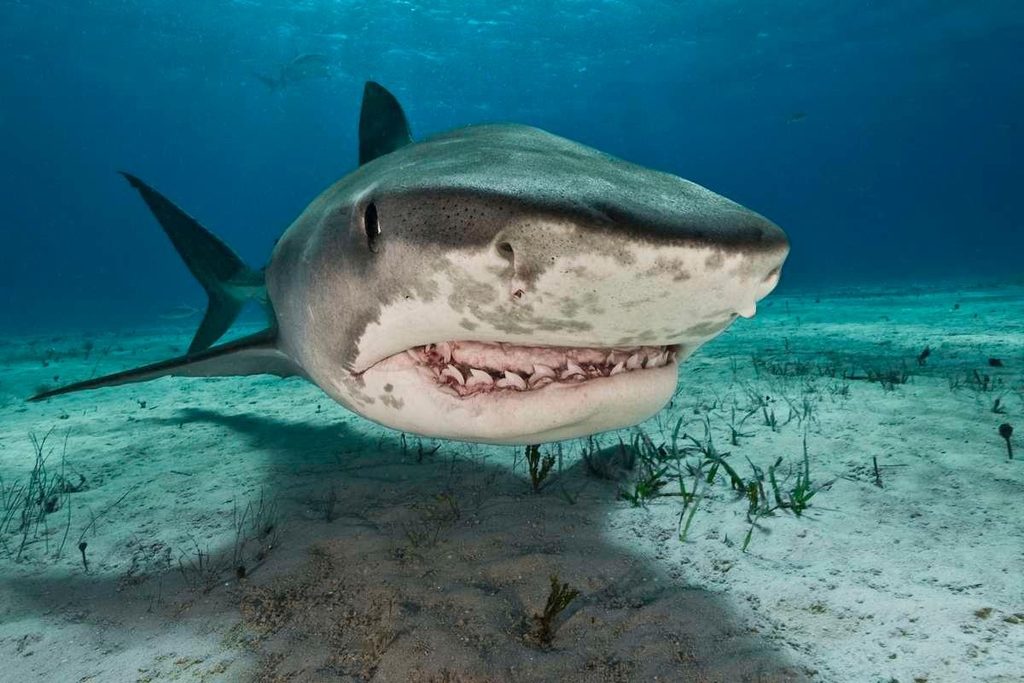
The researchers are not calling for an end to shark watching. They want it done safely. “To make shark-watching tourism safer, local authorities need to eliminate the begging behavior in sharks,” Parton, a marine biologist and study co-author, explained.
Their recommendations are direct: a total ban on feeding sharks by the public and a ban on spearfishing at the site. Hadera’s authorities had already closed the beach to swimmers four years earlier after shark sightings, but people kept entering the water, and beaches between Hadera and Netanya were shut after the attack.
Planning Water Adventures? Protect Yourself First
Wildlife encounters carry risks, and the smart traveler plans for them. If you snorkel, dive or swim in open water abroad, consider these essentials:
- Travel insurance. Compare travel insurance with water-sports coverage and emergency medical evacuation insurance before you go.
- Personal accident and life insurance. Review accident insurance and life insurance options if you take part in adventure activities.
- Guided tours. Book licensed snorkeling and diving tour operators who follow wildlife safety rules, and avoid operators that feed animals.
- Safety gear. Look at snorkeling gear sets, safety flotation devices and waterproof action cameras with extended poles to keep your distance.
- Learn the science. Explore marine biology degrees and online ocean conservation courses if sea life fascinates you.
Frequently Asked Questions
Who was killed in the Hadera shark incident? A 40-year-old tourist who was snorkeling more than 100 meters off Hadera beach on April 21, 2025, while filming dusky sharks with a GoPro camera.
Why is this shark attack considered a world first? It is the first time dusky sharks have been positively identified as killing a human anywhere in the world, and the first fatal shark incident recorded in Israeli waters since 1948.
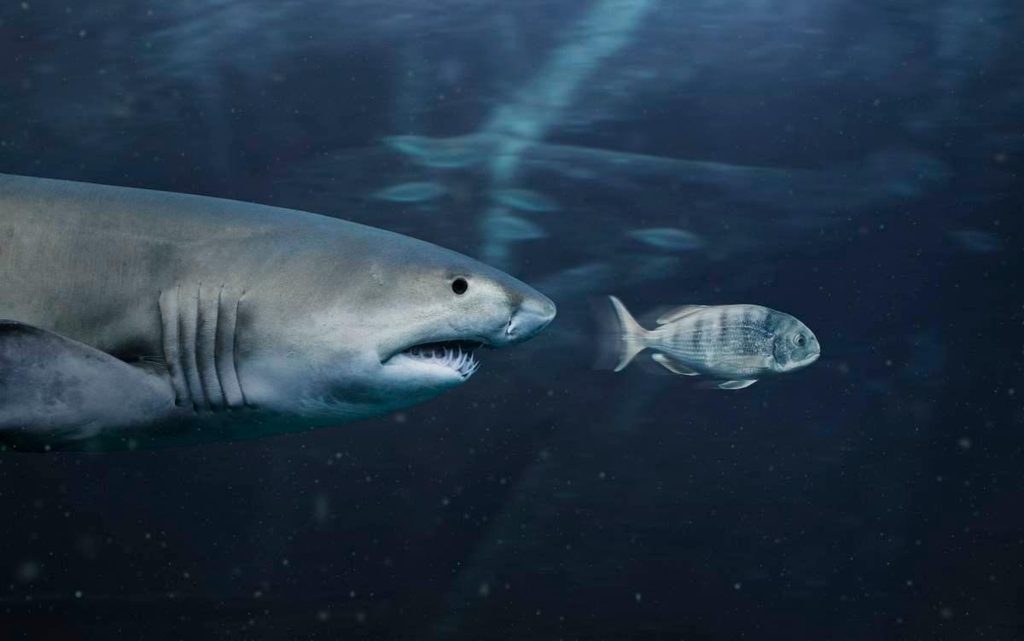
Are dusky sharks normally dangerous to people? No. They usually eat small fish and crustaceans and have never before been linked to a human death, although they can grow longer than 3.5 meters.
Why did the sharks attack? Researchers believe a shark bit the man’s hand while going for his camera, and the blood triggered a feeding frenzy among sharks that had been conditioned by feeding to expect food from humans.
What are scientists recommending? They want a full ban on feeding sharks by the public and on spearfishing at the site, so the sharks lose their begging habits and shark tourism becomes safer.
Sources: University of Exeter, ScienceAlert, Smithsonian Magazine, Divernet, and Explorersweb, all covering the April 21, 2025 fatal dusky shark incident off Hadera, Israel, and the Ethology study by researchers Eric Clua and Kristian Parton.
Leave a Reply