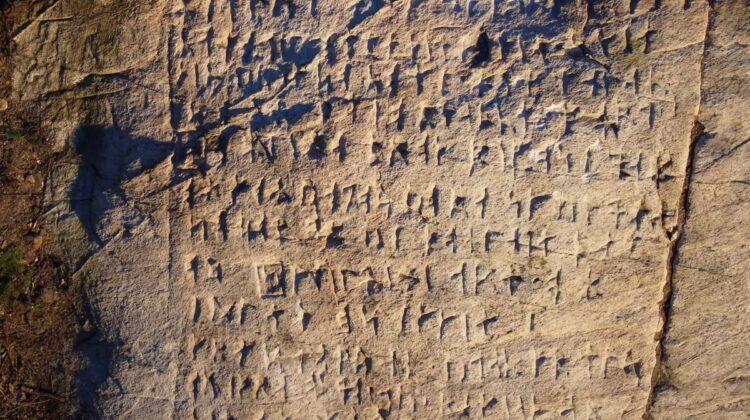
When photos of a bedrock slab covered in runes reached archaeologist Ryan Primrose, the first question was obvious: had Vikings left their mark in the Canadian wilderness? The answer, after seven years of study, was far more surprising.
A Stone Revealed by a Fallen Tree
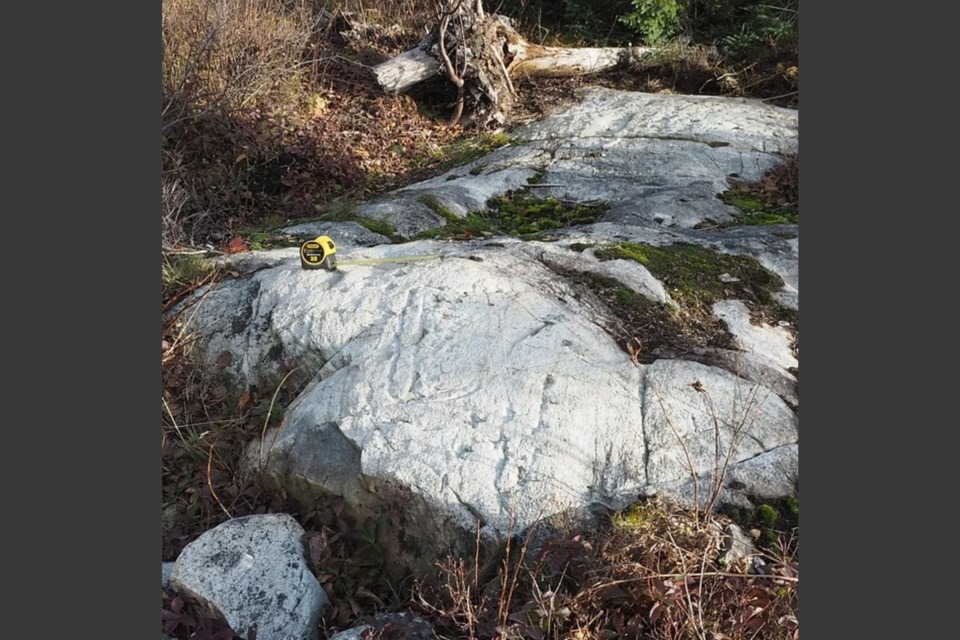
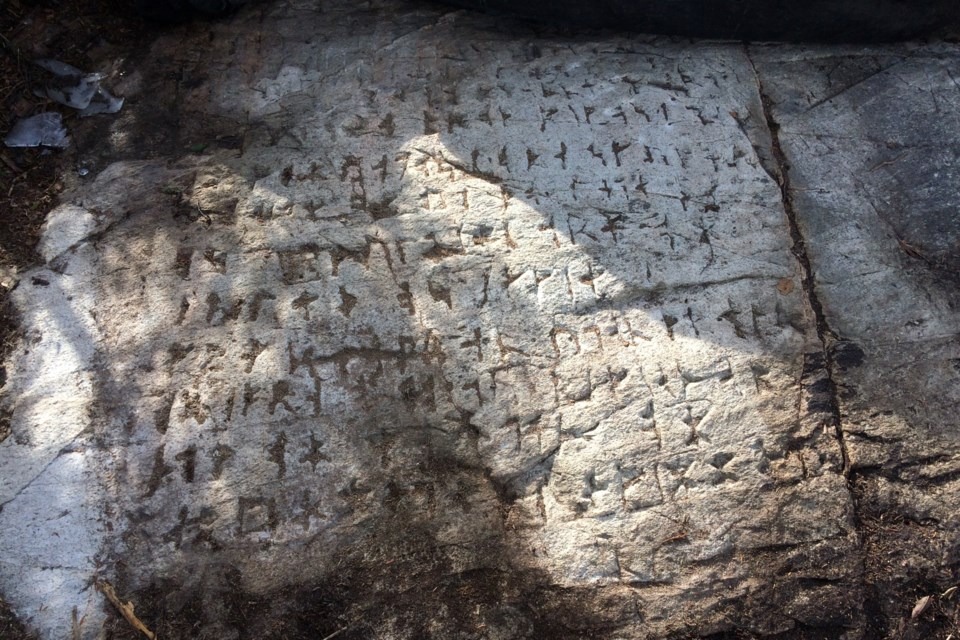
The inscription lies in the forest near the town of Wawa in northern Ontario, not far from Lake Superior, roughly 465 miles northwest of Ottawa. It came to light by chance when a tree fell and exposed a section of bedrock that had been hidden under soil.
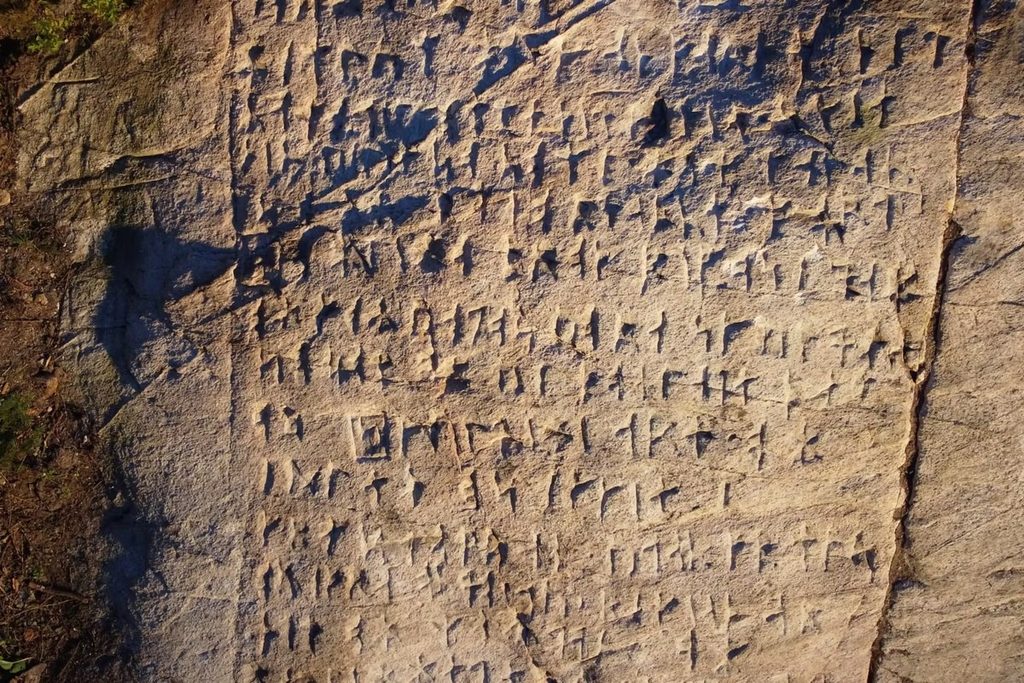
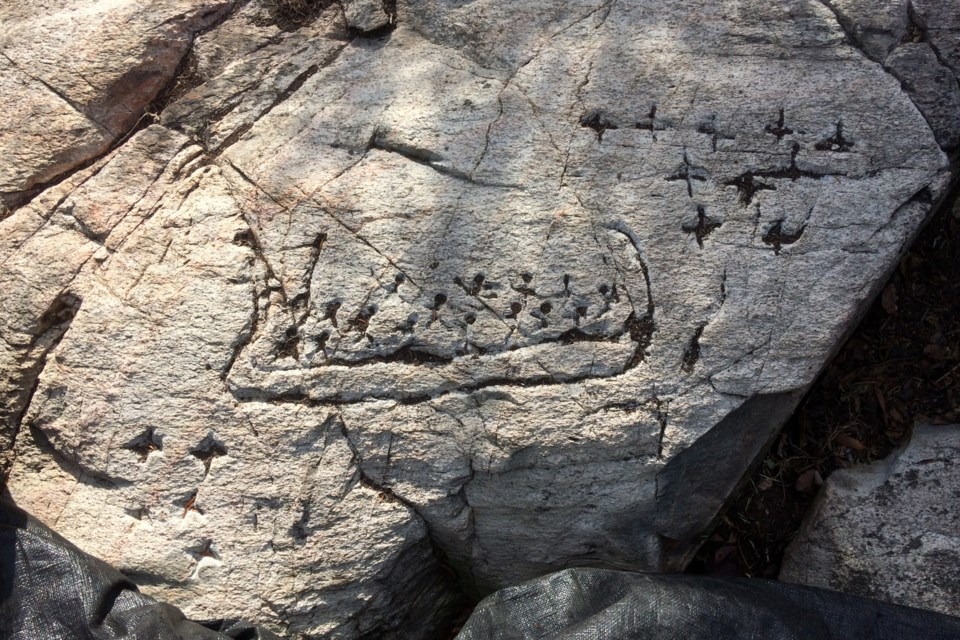
Researchers say about 255 runic characters are carved into a roughly 4-by-5-foot patch of the slab, along with a drawing of a boat. The find, now known as the Wawa Runestone, is the longest runic inscription in North America.
Calling in a Runologist
Primrose, director of the Ontario Centre for Archaeological Education, called it “certainly among the least expected discoveries of my career.” He brought in Henrik Williams, emeritus professor of runology at Uppsala University in Sweden, who visited the site in October.
Williams said he spent about three hours under a tarpaulin with a flashlight studying the carvings while the rest of the team waited in the cold. His conclusion: the runes spell out the Lord’s Prayer in Swedish.
Not Viking: A 17th-Century Text
The wording traces back to a runic version of the Lord’s Prayer published in 1611 by the Swedish scholar Johannes Bureus, who adapted runes to write modern Swedish. That version was republished in the 19th century, which fits with the likely age of the carving: early to mid-1800s.
How Did a Swedish Prayer End Up in Ontario?
Primrose’s research found that the Hudson’s Bay Company hired Swedish workers in the 1800s to staff remote trading posts, including the Michipicoten post, not far from the carving. He and his colleagues suspect that one or more of these workers carved the inscription, a project that could have taken days or weeks.
“This must have been a Swede,” Primrose said of the carver.
What’s Still a Mystery
Primrose admits being “a little disappointed” that the stone is about 200 years old, not centuries older. But key questions remain. Was the site a place for religious gatherings, or the devotional work of one person? The bedrock lay under several inches of soil before the tree fell, and no other artifacts have been found nearby, so researchers wonder whether it was intentionally covered.
“Why was it carved here? Why this text? There are no answers,” he said.
What Happens Next
The Ontario Centre for Archaeological Education is working with the landowners on a lease to turn the site into a protected heritage site, possibly with a structure to shield the stone from the weather.
Explore Northern Ontario and Nordic History
If this story has you curious, there are plenty of ways to follow it:
- Plan a Lake Superior road trip. Compare Ontario travel packages, Wawa hotels and car rentals.
- Trace your own roots. Compare DNA ancestry kits and genealogy subscriptions, which can help you search for Scandinavian ancestors.
- Read about runes. Browse runology books and Viking history documentaries.
- Gear up for the outdoors. Hiking boots, bug jackets and trail maps help in northern forests.
- Protect your trip. Travel insurance covers cancellations and emergencies.
Frequently Asked Questions
Where is the Wawa Runestone? In the forest near Wawa, Ontario, near Lake Superior.
What does it say? It spells out the Lord’s Prayer in Swedish, using runes.
Is it Viking? No. Researchers believe it was carved in the early to mid-1800s, long after the Viking Age.
Who carved it? Researchers suspect a Swedish employee of the Hudson’s Bay Company, though no one knows for sure.
Sources: CBC News, Popular Science, Archaeology magazine, and The Jerusalem Post, all covering the Wawa Runestone, the research of Ryan Primrose and Henrik Williams, and the stone’s Swedish Lord’s Prayer inscription.
Leave a Reply