Sea urchins, known for their unique appearance and intriguing habits, have captured the attention of marine enthusiasts and scientists alike. In addition to their spiky exteriors, these seafloor-dwelling creatures have a surprising affinity for accessorizing.
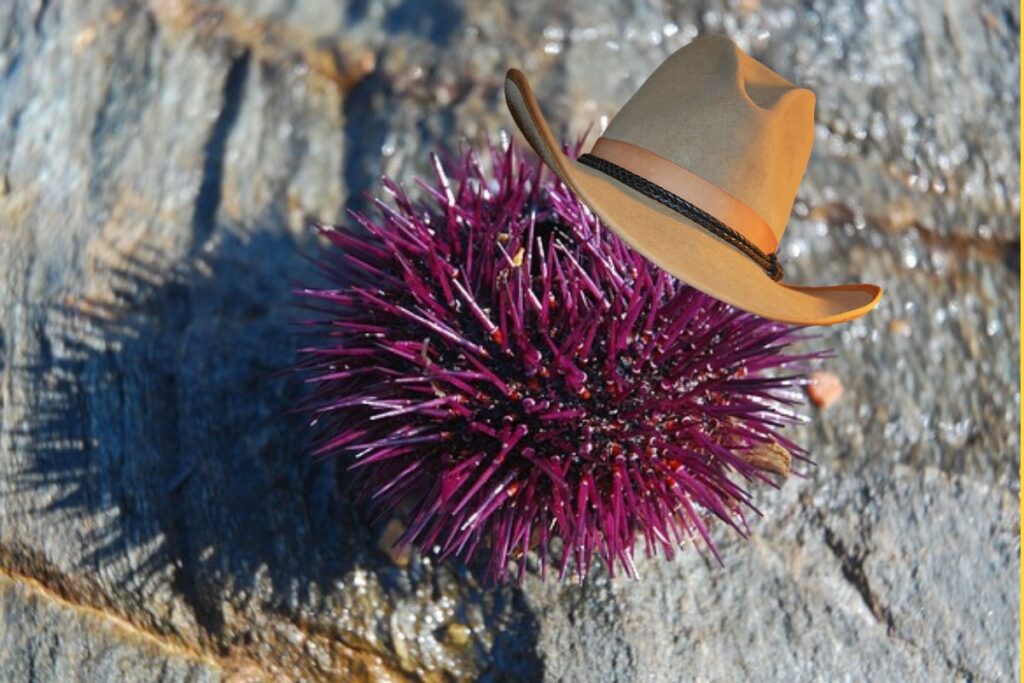
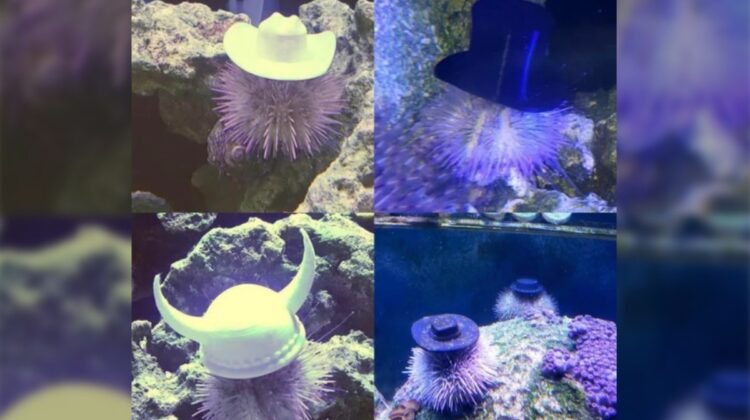
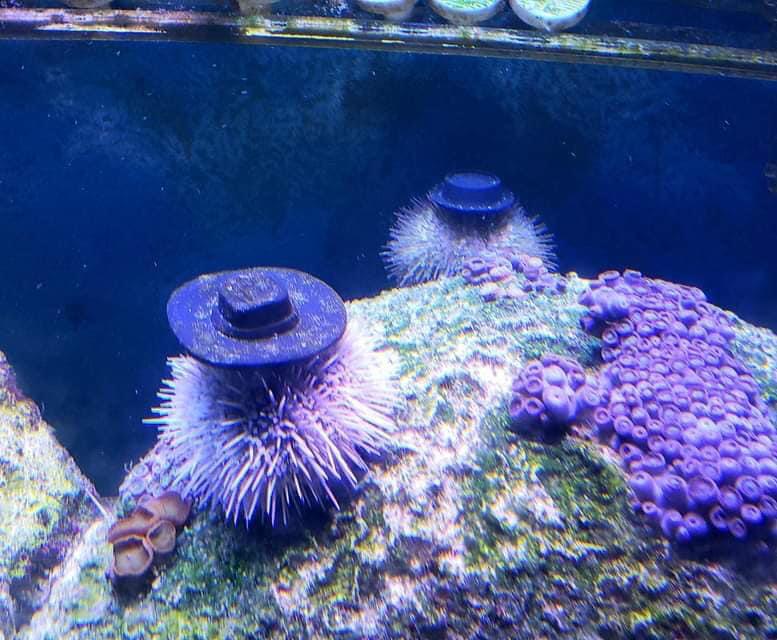
In April 2020, several news outlets reported on an aquarium enthusiast who discovered that his sea urchins adorned themselves with shells. Intrigued by this behavior, he took it a step further and provided the echinoderms—urchins and starfish—with tiny 3D-printed hats. The adorable images of these fashionable sea creatures quickly went viral on social media, sparking curiosity about the reasons behind their fashion choices.

To delve deeper into this phenomenon, Snopes reached out to Rich Mooi, curator of Invertebrate Zoology at the California Academy of Sciences. Mooi explained that certain types of urchins have a tendency to pick up objects and “wear” them if they can grasp them with their tube feet. As long as the objects are lightweight and allow the tube feet to hold on, the urchins will incorporate them into their appearance. For instance, the tropical Tripneustes gratilla species is even referred to as a “carrier urchin” due to its propensity for carrying objects.
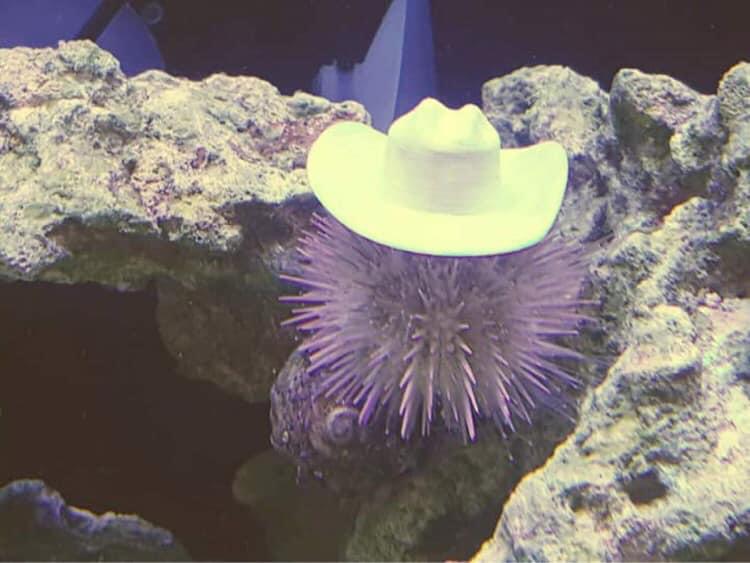
The 3D-printed hats, made of sinking plastic material, conveniently interacted with the urchins at the seafloor. The lightweight nature of these hats made them ideal for the urchins to adopt a new look. Mooi emphasized that, in water, objects weigh only a fraction of what they do on land, making the hats suitable for the fashion-conscious urchins.
Mooi, who has spent years studying echinoderms, has witnessed various species of urchins donning rocks, pieces of rubble, and even the skeletons of other urchins. This behavior, known as the “covering reaction,” serves multiple purposes. Urchins are negatively phototactic, meaning they avoid light and use their accessories to shield themselves from daylight. Nocturnal species shed their coverings at night and rebuild them in the morning. While UV light may pose a risk for shallow-water marine animals, deep-water urchins, living beyond the reach of UV, have also been observed covering themselves.
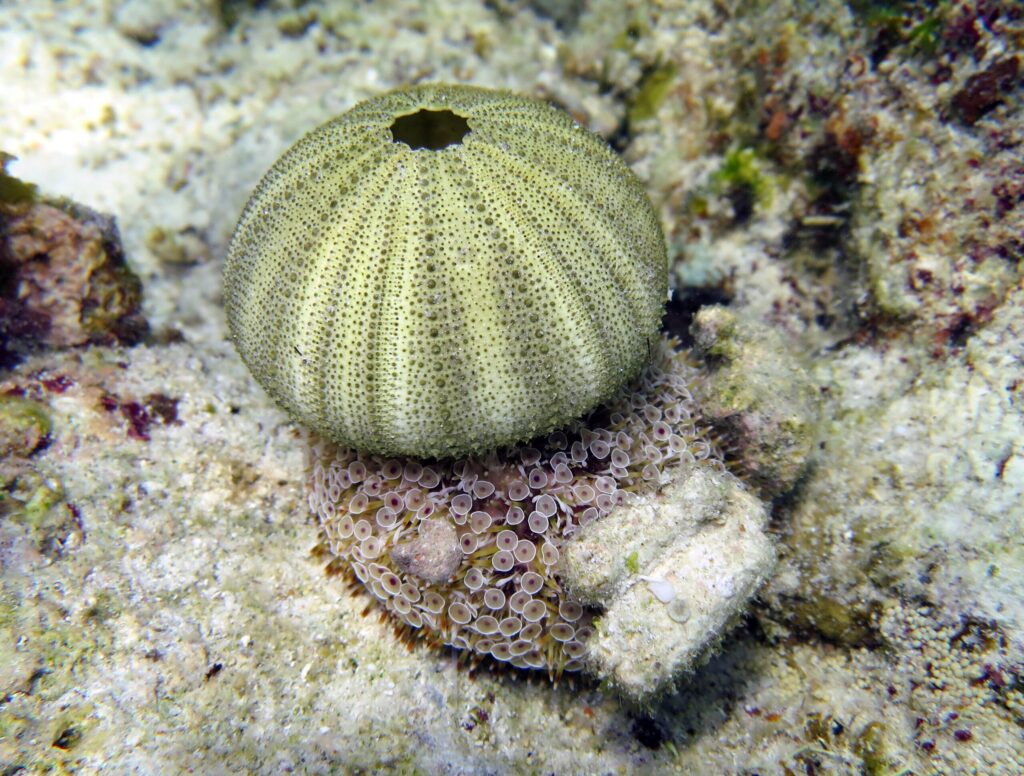
Camouflage appears to be the primary explanation for this behavior. Despite their prickly appearance, urchins are a sought-after food source for predators, including humans. Fish, in particular, have developed strategies to bypass the spines that protect urchins. Blending in with their surroundings allows urchins to escape visually-oriented predators. Mooi emphasized that urchins are highly skilled at camouflage, which helps them evade detection.
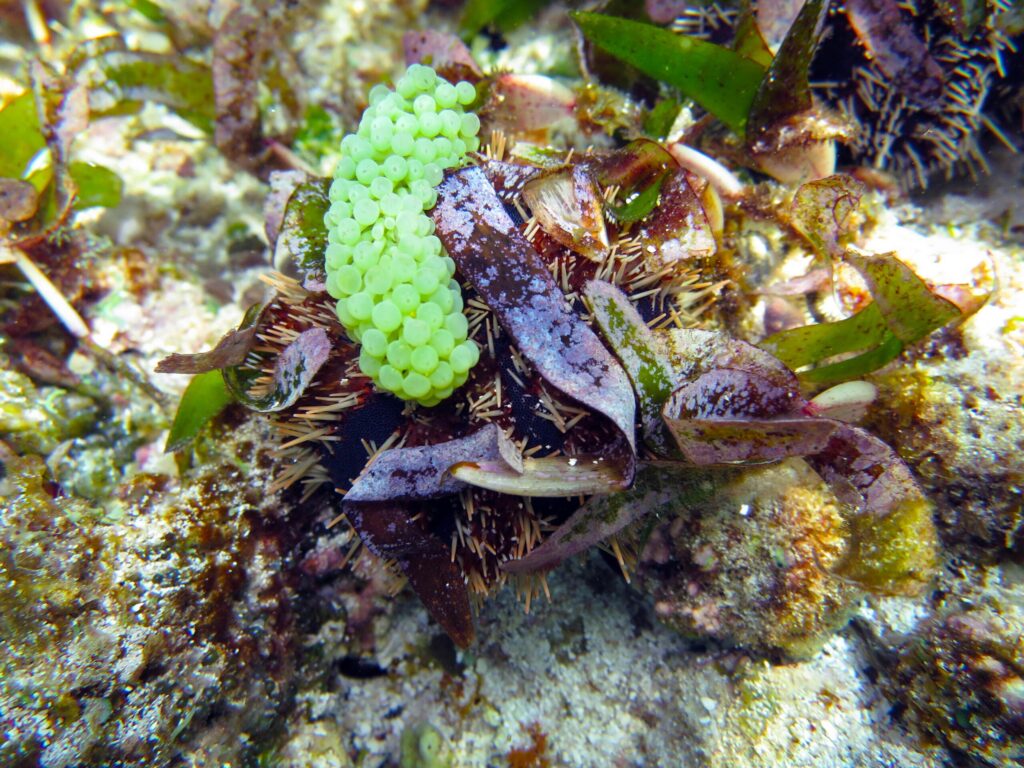
Referring to these accessories as “hats” may be somewhat misleading. Urchins exhibit radial symmetry, unlike bilateral species like humans or fish. Their body arrangement resembles lines of longitude on a globe, with the mouth at the bottom (“South pole”) and the anus at the top (“North pole”). Urchins employ their tube feet to grab objects and bring them back toward their body. The tube feet also secure these objects on top of the urchin. Similar to the lines of longitude, the tube feet are arranged in five evenly spaced lines from the mouth to the anus, with hundreds or even thousands of tube feet on a single urchin’s body.
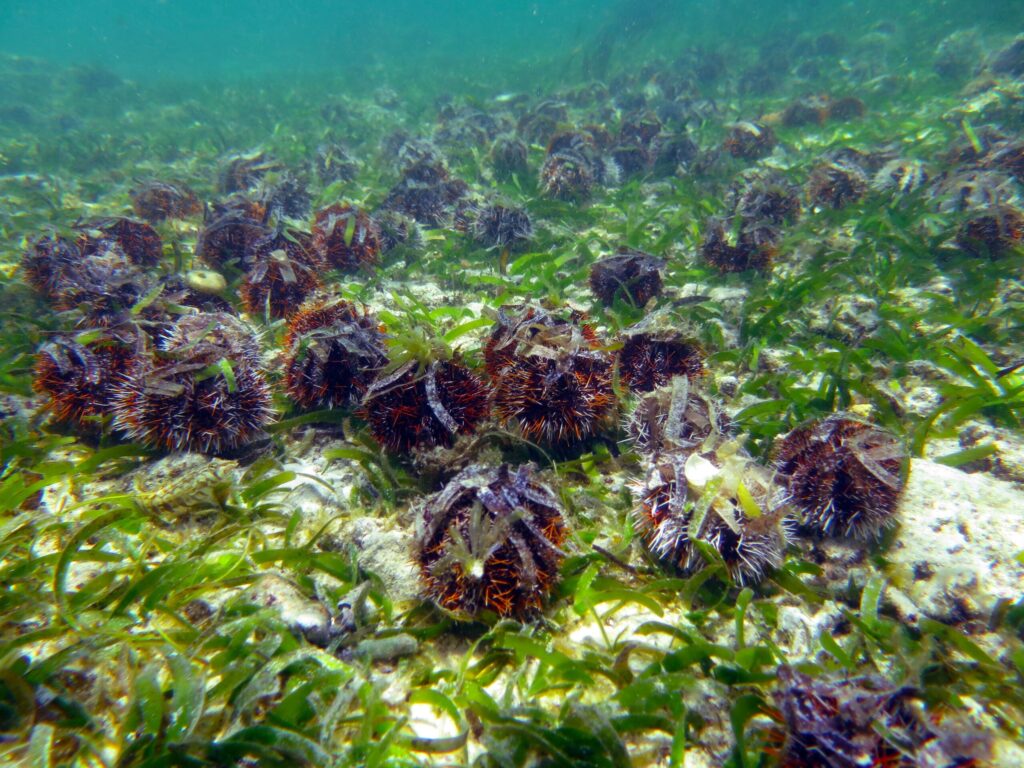
In Mooi’s extensive fieldwork, he has come across remarkable scenes involving urchins and the items they pick up in their environment. Seaweed, eelgrass, snail or clam shells, rocks, and even the skeletons of other urchins have been found in their possession. Unfortunately, this collection also includes pieces
Leave a Reply