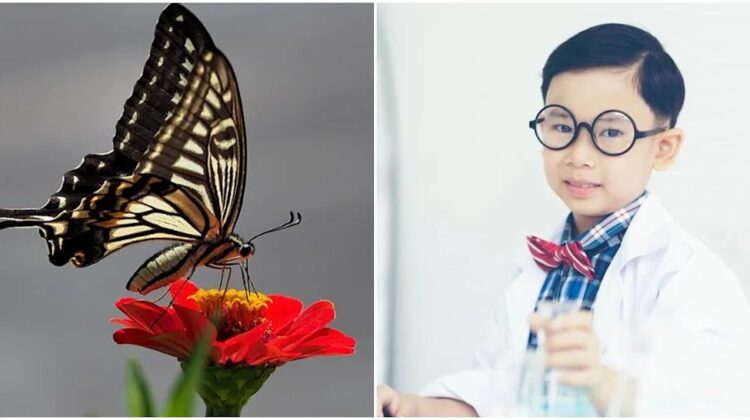
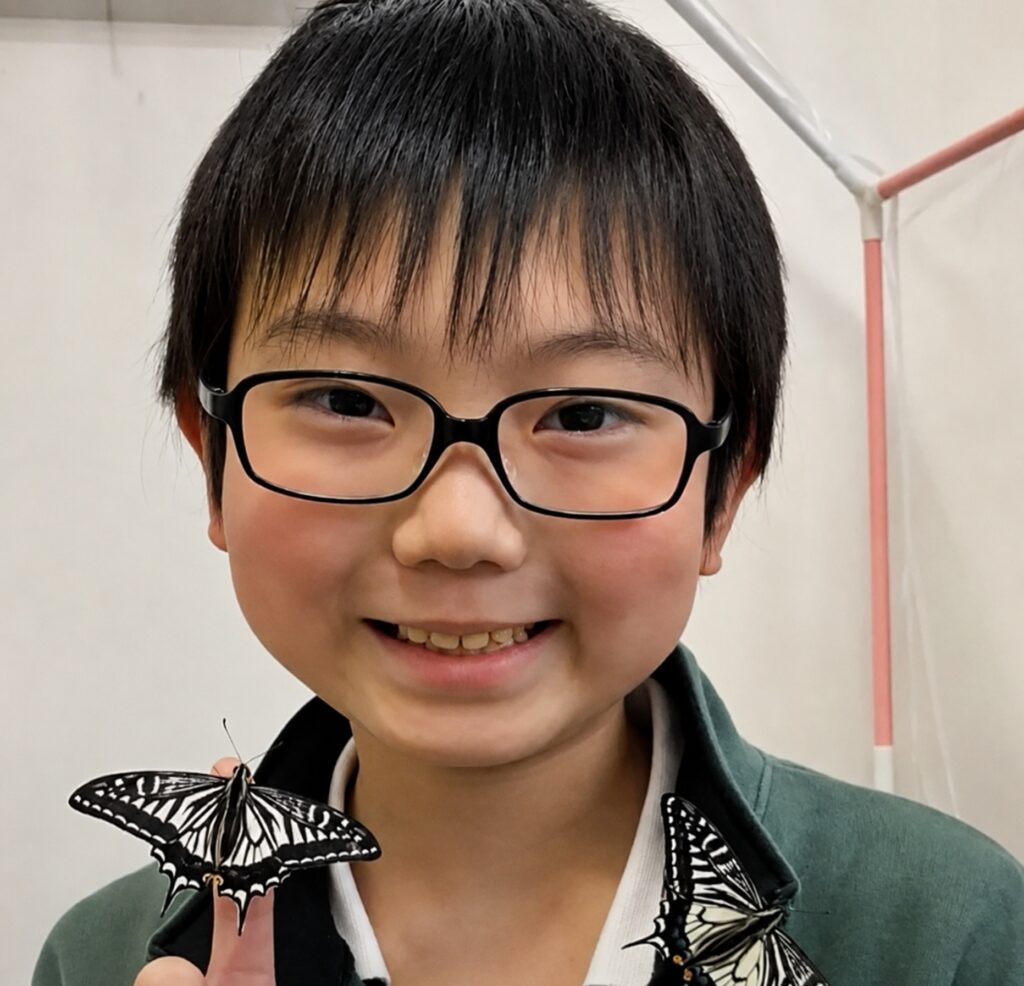
Most kids in Kobe, Japan spend their free time on baseball, Pokémon cards, or manga. Jo Nagai spent his hand-raising swallowtail butterflies — and along the way, stumbled into a question serious entomologists have spent careers trying to answer.
A Question Sparked by a Habit
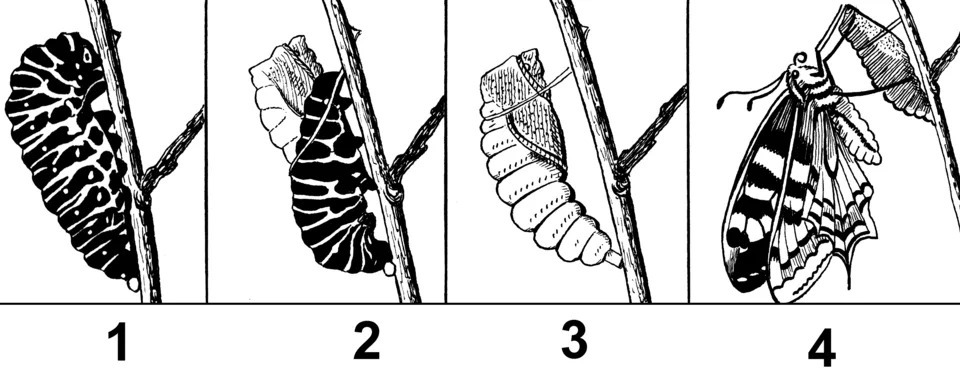
Asian swallowtails, easily recognized by the bright markings along their wings, are important pollinators for local plants. As a young boy raising them at home, Nagai noticed something curious: after he released a butterfly into the wild, it would often linger nearby before flying off — sometimes even circling back to him. It made him wonder whether the butterfly somehow remembered him from its earlier life as a caterpillar.
Writing to a Real Scientist
Curious enough to look for answers, Nagai — then in second grade — found the work of Dr. Martha Weiss, an entomologist at Georgetown University who had published a 2008 study on whether moths retain memories from before metamorphosis. He wrote her a four-page letter introducing himself and his question.
According to Georgetown University’s own account of the story, Weiss was struck by the young boy’s seriousness and wrote back — beginning a correspondence that would stretch over several years as the two worked out how a second-grader could realistically test the idea at home.
Designing a Kid-Sized Version of a Real Experiment
Weiss’s original 2008 research used a fairly involved lab setup: caterpillars were exposed to a chemical odor paired with a mild electric shock, training them to associate the smell with discomfort, before checking whether that aversion survived metamorphosis into adulthood.
Nagai adapted the concept for a home setup. He swapped the original chemical for lavender oil and used a small muscle-therapy device to deliver a very mild vibration/shock paired with the scent, training one group of caterpillars while leaving a second group untrained as a control.
Once his trained caterpillars emerged as butterflies, Nagai tested them in a Y-shaped maze — one arm carrying the lavender scent, the other scent-free. According to coverage of the project, roughly 80% of the trained group avoided the lavender arm, while the untrained control group split their choices roughly evenly between the two arms.
Taking It a Generation Further
Rather than stopping there, Nagai bred his trained butterflies and tested their offspring — and eventually their grandchildren — for the same lavender aversion, despite none of the later generations ever receiving the vibration training themselves. According to reporting on the project, the later generations showed a tendency to avoid the lavender scent as well, suggesting the learned association may have been passed down rather than relearned.
It’s worth being precise about what this shows: transgenerational inheritance of learned behavior is a real and actively studied area of biology, but a single home-based experiment by a young researcher — however carefully designed — is a striking preliminary finding rather than a peer-reviewed, independently replicated scientific conclusion. That distinction doesn’t take away from what Nagai accomplished; it’s exactly the kind of result that motivates larger, formal follow-up studies.
From a Home Experiment to an International Conference
Nagai wrote up his findings in a 33-page report and, in 2024, presented them at the International Congress of Entomology in Kobe — where Weiss flew in to see him present, alongside entomologists briefing international scientific audiences.
Speaking about Nagai afterward, Weiss noted that despite his research talent, the young scientist has his sights set elsewhere: he’s told her he wants to become a veterinarian rather than an entomologist — a goal that fits naturally with how much he’s come to care about the animals he’s spent years studying.
Frequently Asked Questions
Is transgenerational memory inheritance an accepted scientific finding, or is this still debated? It’s a genuinely active and still-developing area of biology — some epigenetic inheritance mechanisms are well established in certain species, but claims of specific learned behaviors passing across generations are typically evaluated case by case and usually require independent replication before being considered settled science.
How did a home experiment get taken seriously by professional entomologists? Nagai’s careful documentation, controls, and methodology — developed with guidance from Dr. Weiss — gave his results enough scientific rigor to be presented at a major international conference, even though it originated as a citizen-science project rather than formal lab research.
What happened to the butterflies used in the experiment? Coverage of the project doesn’t detail the butterflies’ ultimate fate, though Nagai’s approach throughout was described as treating his insects as companions rather than purely as test subjects.
Leave a Reply