• Skip to main content
  • Skip to primary sidebar
  • Skip to footer
  • Home
  • About Us
  • Copyright Report
  • Submit Content
  • Terms
  • Privacy Policy
  • Legal Disclaimer

Hasan Jasim

Hasan Jasim is a place where you may get entertainment, viral videos, trending material, and breaking news. For a social generation, we are the largest community on the planet.

New study reveals troubling factor that can increase the risk of dementia: ‘The effect could actually be quite large’

by Hasan Jasim Editorial Team Leave a Comment

ShareTweet

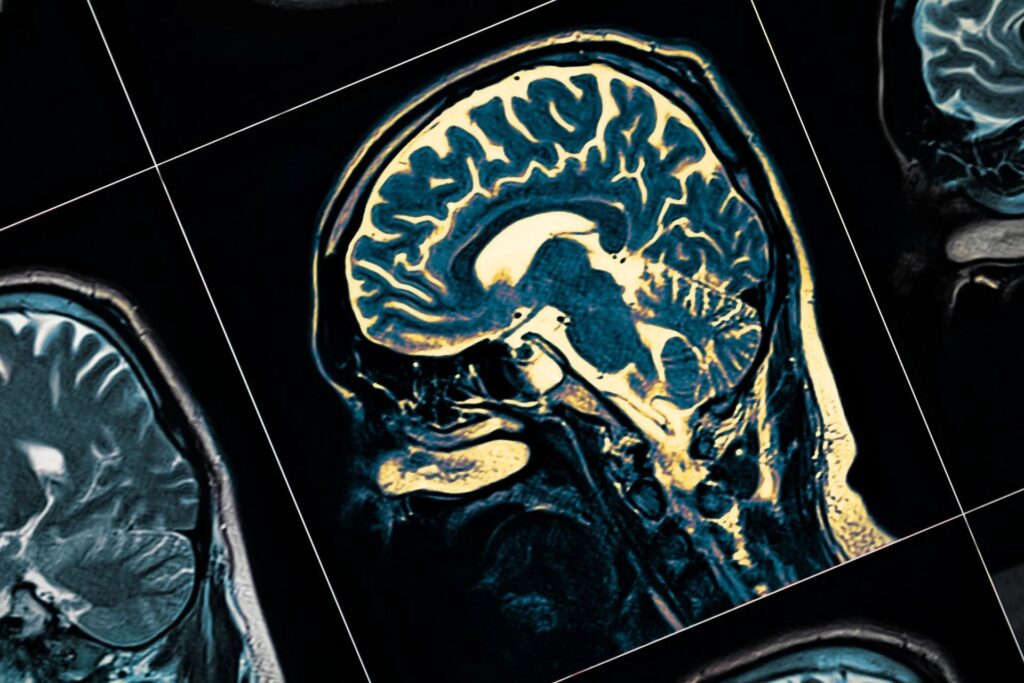
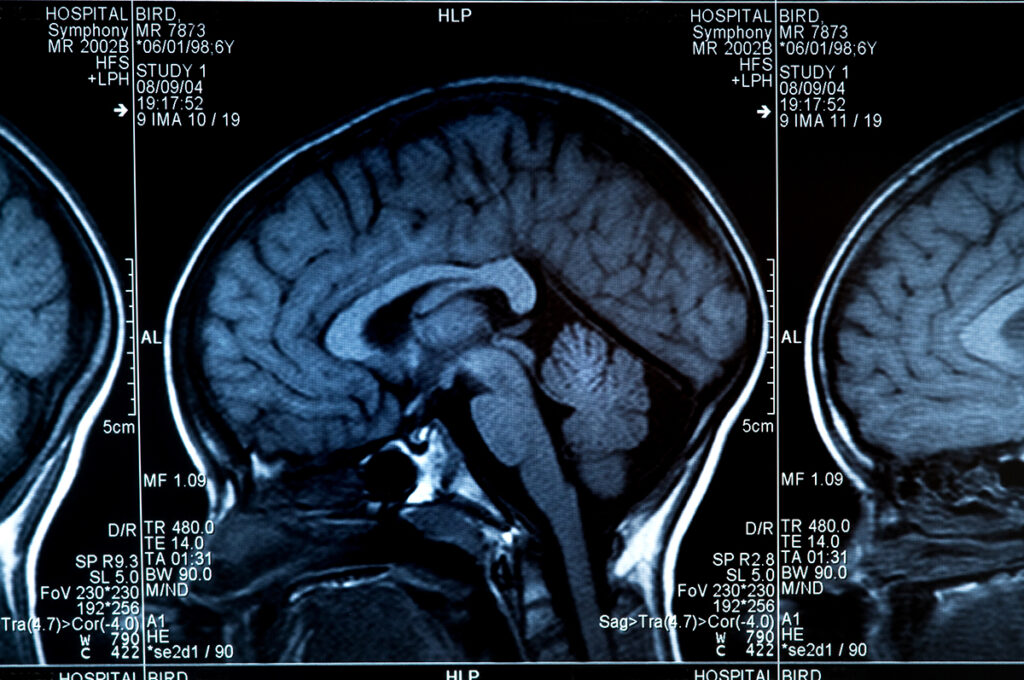
Air pollution, a well-known adversary to respiratory health, has long been associated with a range of ailments such as heart disease, lung cancer, and emphysema. Now, a recent study from the Harvard Chan School of Public Health has added another troubling dimension to the list of potential health risks linked to air pollution: an increased risk of dementia and Alzheimer’s disease.

The study, which meticulously analyzed 14 previous research efforts, revealed a consistent association between chronic exposure to air rich in “fine particulate matter” and the development of dementia and Alzheimer’s. Even more concerning, this elevated risk was observed in individuals exposed to air pollution levels below the existing Environmental Protection Agency (EPA) standard.
Understanding Particulate Air Pollution:

Particulate air pollution comprises a mix of microscopic elements, including dirt, dust, soot, and smoke. Generated by sources such as vehicles, coal fires, factories, and construction sites, these fine particles pose a significant threat to health. According to the Centers for Disease Control (CDC), inhaling particle pollution, especially the minuscule particles, can infiltrate the deep recesses of the lungs or even enter the bloodstream.
Professor Marc Weisskopf, one of the study’s authors, highlighted the ubiquitous nature of this risk: “Everybody has to breathe, so everybody is exposed to this.” He emphasized that the cumulative impact on the population could be substantial given the massive number of people exposed to air pollution.

The Urgent Need for Regulatory Action:

The current EPA standard dictates that fine particle pollution should not exceed 12 micrograms per cubic meter of air. However, recent proposals aim to enhance air quality further by lowering this limit to 10 micrograms per cubic meter. Despite the slight reduction, the associated health risks persist, prompting Professor Weisskopf to stress the importance of stringent regulations.

“While scientists explore innovative methods to cleanse our air amid ongoing corporate pollution, the most immediate and effective solution likely lies in more rigorous regulations governing permissible air pollution levels,” Professor Weisskopf asserted. He underscored the urgent need for regulators to intervene and shield the populace from the multifaceted risks tied to deteriorating air quality.

The study’s findings underscore the critical importance of addressing air pollution at its root, as failure to do so could have severe consequences, particularly in the realm of cognitive health. As society grapples with the adverse effects of air pollution, stringent regulations emerge as a pivotal strategy to mitigate these risks and safeguard public health.

Filed Under: Trends Worldwide Tagged With: “the, actually, could, dementia:, effect, factor, increase, large?, quite, reveals, risk, study, that, trends, troubling, worldwide

Reader Interactions

Leave a Reply Cancel reply

Your email address will not be published. Required fields are marked *

Primary Sidebar

More to See

The World’s Biggest Offshore Wind Farm Is Now Running

By Hasan Jasim Editorial Team

Shelter Cat Sticks His Paws Out To Hold Hands With Everyone Who Passes By

By Hasan Jasim Editorial Team

Capturing the Beauty of a Partial Solar Eclipse: A Camel’s-Eye View

By Hasan Jasim Editorial Team

Captivating Sunset Display Mesmerizes Social Media

By Hasan Jasim Editorial Team

Are 16 year olds developed enough to drive?

By Hasan Jasim Editorial Team

Study finds bigfoot sightings correlate with black bear populations

By Hasan Jasim Editorial Team

What Is the Purpose of Queen Elizabeth II’s Burial in a Lead-Lined Coffin?

By Hasan Jasim Editorial Team

Footer

ABOUT HASANJASIM.ONLINE

Hasanjasim.online is a digital platform dedicated to publishing well-researched articles about the animal kingdom, nature, and the environment. Our editorial team works to source stories from credible outlets, scientific research, and verified reports, aiming to inform as much as we entertain. From wildlife conservation and animal behavior to natural wonders and environmental science, we cover the topics that help readers better understand and appreciate the natural world. Whether you're a lifelong nature lover or simply curious about the planet we share, Hasanjasim.online aims to be a trustworthy destination for stories worth reading — and worth citing.

Recent

  • Euphorbia Hirta (“Asthma-Plant”): What Traditional Use and Real Research Actually Show
  • A Mystery Animal Has Been Randomly Attacking People in New Hampshire — Here’s What We Know
  • A Woman Was Filmed Sharing Her Ice Cream With Her Dog — Here’s What Vets Actually Say About It
  • Dolphin Calf Incident in Ceuta Sparks Outrage After Disturbing Beach Footage Emerges
  • Lactuca Serriola Root: Traditional Uses of Prickly Lettuce (Wild Lettuce) Root
  • The Puppy a Firefighter Couldn’t Leave Behind — and the Story Didn’t End There
  • A Mother Dog Dove Into Floodwater Again and Again — Until All 7 of Her Puppies Were Safe

Search