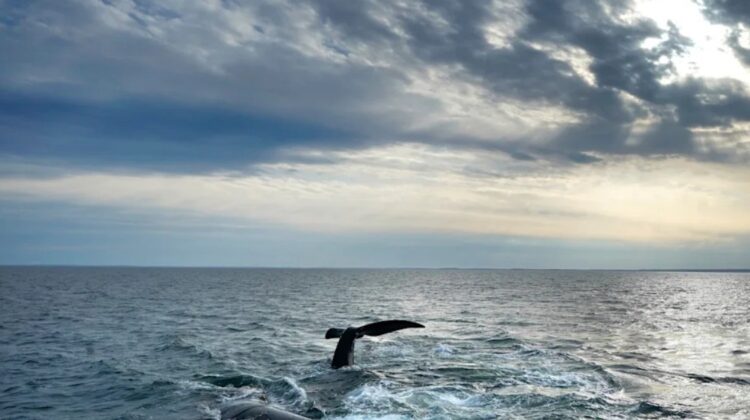
For a few hopeful seasons, one of the planet’s rarest marine giants appeared to be inching back from the brink. Now, a sobering new annual census reveals that this fragile upward streak has reversed, leaving fewer than four hundred survivors navigating an increasingly hazardous ocean.
How the “Right” Whale Ended Up Near Zero
Weighing up to 150,000 pounds (68,039 kilograms), North Atlantic right whales earned their grim common name centuries ago because commercial whalers viewed them as the “right” target to hunt. Unlike faster, deeper-diving species, these massive animals lived fairly close to shore, yielded immense volumes of valuable oil, and floated on the surface once killed. Centuries of relentless commercial whaling decimated their numbers before the practice mostly ended in the 1930s, leaving behind a tiny remnant population that has struggled to recover ever since.
Between 2010 and 2020, the species suffered a devastating 25% population crash when years of poor reproduction collided with unusually high mortality rates. While recent years offered slight encouragement through a slow, steady upward climb, Monday’s annual report from the North Atlantic Right Whale Consortium confirmed a roughly 2% decline over the past year, dropping the total estimated population down to just 382 animals.
A Fragile Baby Boom Overshadowed by Rising Losses
Every winter, pregnant females migrate to warm coastal waters off Florida, Georgia, and the Carolinas to give birth before venturing north in spring to rich feeding grounds off New England and eastern Canada. Off the coast of Massachusetts, spring gatherings can sometimes draw a fifth of the entire global population into a single feeding area. Last winter delivered one of the most successful calving seasons on record, welcoming more than 20 newborn calves into the Atlantic.
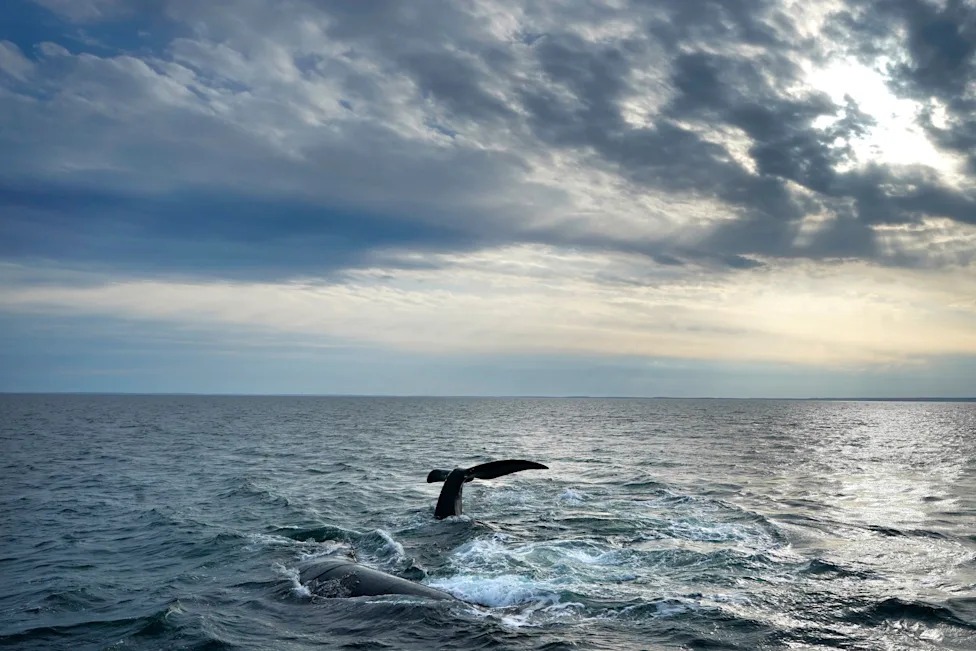
Yet those births were not enough to offset ongoing losses. According to the National Oceanic and Atmospheric Administration (NOAA), the past nine years have been marked by unusually high rates of severe injuries and deaths. Most alarming to biologists, the entire species is now down to just 73 reproductively active females, creating a severe biological bottleneck that makes replenishing the stock extraordinarily difficult without sustained years of high birth counts and strict protection.
Why Warming Waters Are Pushing Giants Into Harm’s Way
Today, fishing gear entanglements and vessel collisions have replaced harpoons as the primary existential threats holding the population down, and climate shifts are compounding the danger. Heather Pettis, chair of the North Atlantic Right Whale Consortium, explained that ocean warming has forced the whales’ primary food source—tiny planktonic crustaceans called copepods—to shift away from traditional habitats. As hungry whales follow their prey into new stretches of ocean, they enter busy shipping corridors and commercial fishing grounds that lack seasonal speed limits or gear protections.
“We know that this population can and will move around to find food and if we aren’t protecting them throughout their range, we may see another situation where we have this tremendous decline again,” Pettis warned. Meanwhile, regulatory safeguards face political headwinds. Nora Ives, a marine scientist with Oceana’s right whale campaign, noted that the latest population drop underscores the urgent need to spare whales from ropes and ship hulls—especially after the U.S. House of Representatives passed a proposal to delay new federal right whale protections until 2035 to shield commercial fishing interests from regulations the industry describes as burdensome. Without room for the population to grow, Ives cautioned, this iconic whale will not escape extinction.
Practical Ways Mariners and Consumers Can Protect Survivors
Preventing another steep population slide requires practical action along migration corridors and informed choices by seafood buyers:
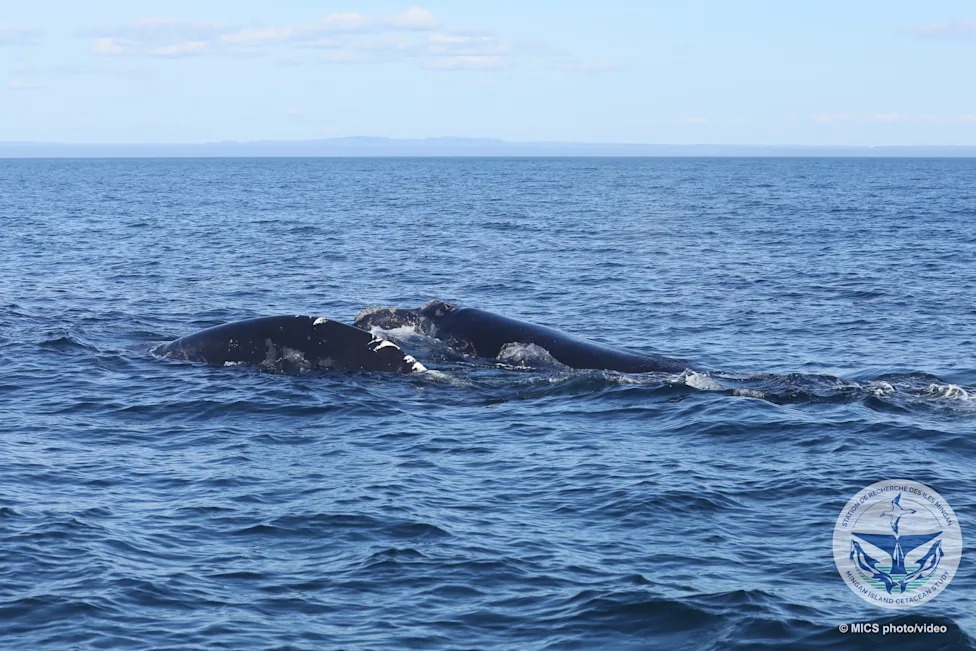
- Track Live Whale Locations: Boaters and commercial captains operating along the U.S. East Coast and Canada should use the Whale Alert App and respect NOAA Slow Zones by reducing vessel speeds to 10 knots or less where right whales gather.
- Support Gear Modernization: Back lobster and crab fisheries adopting On-Demand Ropeless Fishing Gear, acoustic release systems that eliminate dangerous vertical buoy lines from the water column until harvest.
- Choose Sustainable Trap Seafood: Consult the Monterey Bay Aquarium Seafood Watch Guide and prioritize Whale-Safe Certified Seafood harvested without traditional fixed-line traps in migration habitats.
- Report Sightings Safely: Keep vessels, kayaks, and drones at least 500 yards away from any right whale, and report sightings or entangled animals immediately to the NOAA Fisheries Entanglement Hotline.
Frequently Asked Questions
How many North Atlantic right whales remain in the wild today?
According to the latest annual estimate from the North Atlantic Right Whale Consortium, only 382 individuals remain, including just 73 reproductive females.
Why did whalers originally call them “right” whales?
Commercial whalers named them the “right” whale to hunt because they swam close to shore, produced large amounts of oil, and floated on the water after being killed.
How is ocean warming increasing deadly ship strikes and entanglements?
Warming waters push microscopic copepods into new regions, forcing right whales to follow their food outside protected marine zones and into unregulated shipping lanes and fishing grounds.
Why are new federal protections for right whales facing delays?
The U.S. House of Representatives passed a legislative proposal delaying new federal protection rules until 2035 in an effort to shield commercial fishing operators from compliance costs.
Sources: North Atlantic Right Whale Consortium, National Oceanic and Atmospheric Administration (NOAA), Oceana, U.S. House of Representatives Legislative Records.
Leave a Reply