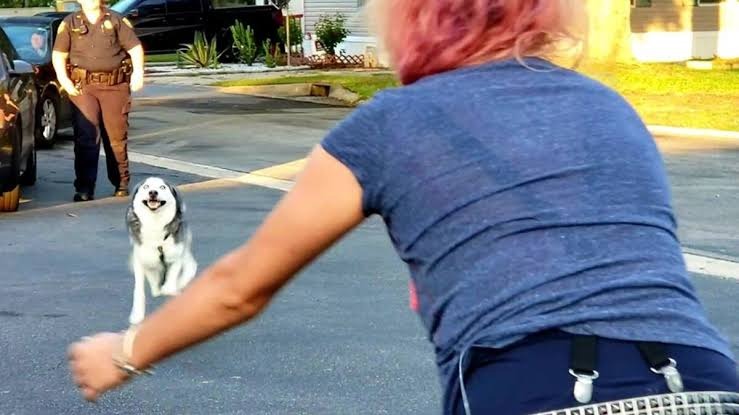
When Kameroun Mares was diagnosed with acute lymphoblastic leukemia, she bought a husky puppy to help her get through it. She named him Semper Fidelis — Latin for “always faithful and loyal.” Neither of them knew how literally that name would be tested.
A Dog Bought to Help Her Cope
Mares’ cancer treatment had also left her with Type 1 diabetes, and she hoped raising a dog would help combat depression and push her to stay active during treatment. She did everything responsible pet ownership requires: veterinary checkups and vaccinations, a national microchip registration, and local registration with the humane society in San Diego, California.
Two years later, Mares relocated to Florida — but discovered her health insurance didn’t cover treatment there, forcing her to return to California for care. She left Semper in the care of her roommate while she got settled.
The Call That Changed Everything
While undergoing treatment back in California, Mares got a call from her roommate: Semper was missing. “I was told by my ex-roommate that he was missing,” she told The Dodo in 2018. On top of fighting cancer, she was now dealing with the loss of the dog who’d been helping her through it.
She didn’t stop looking. For a full year, she searched from California — distributing flyers through pet websites, calling roughly 15 veterinary offices in her old neighborhood, and contacting humane societies and shelters directly. “His microchip is registered to me since he was 3 months old… yet I received nothing,” she said. “I was worried sick about him, and missed him dearly.”
What Had Actually Happened
Eventually, Mares hired private investigator Ana Campos to help track Semper down — and Campos found him. But the truth behind his disappearance was worse than simply getting lost: her roommate had stolen the dog and sold him through an online ad for $200.
The new owners had registered Semper with a microchip company that failed to check whether he was already registered to someone else — meaning even though Mares held a lifetime microchip membership under her name, it wasn’t enough on its own to prevent someone else’s name from being added to the same chip. The new family had bought Semper in good faith with no idea he’d been stolen, and understandably didn’t want to give him up.
Getting Him Back
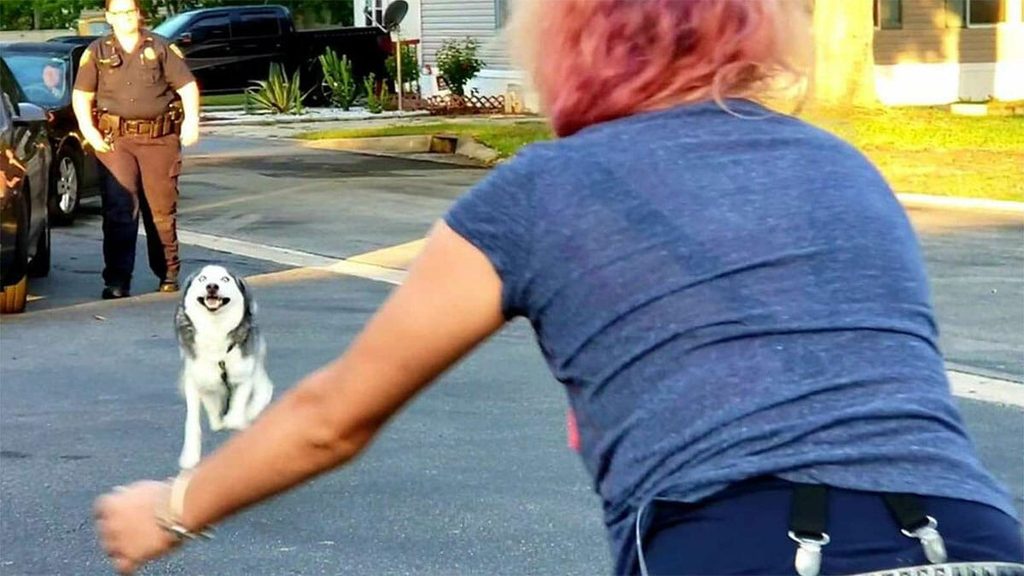
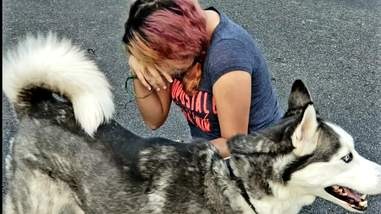
Mares wasn’t willing to let that stand. Working with her private investigator and a lawyer, she was able to legally reclaim Semper as her own. The two were reunited after nearly three years apart.
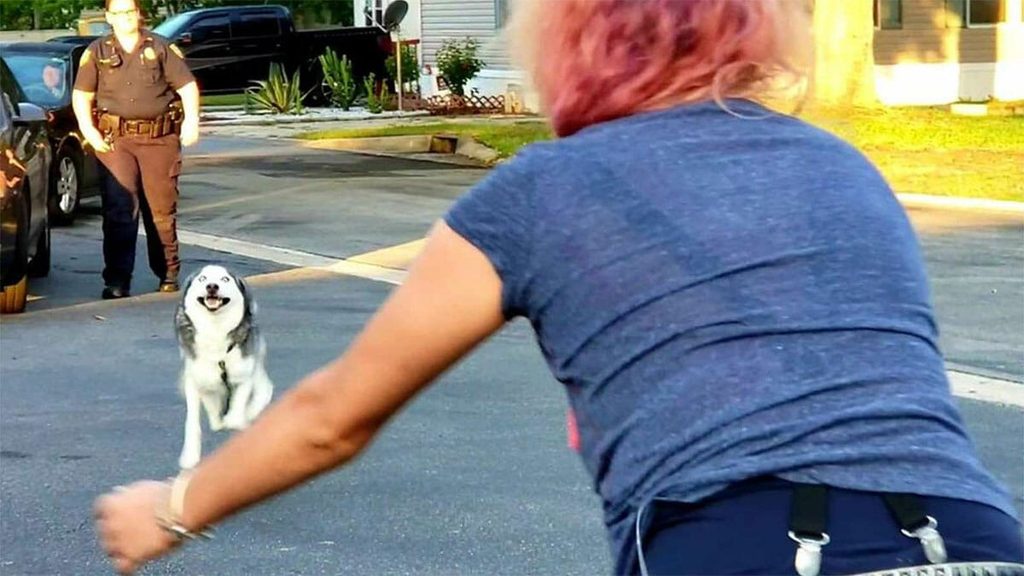
“The huge wound in my heart can finally start healing,” Mares said afterward. Semper, it turned out, hadn’t forgotten her — he still responded to the commands and tricks she’d taught him as a puppy, including his favorite: “Semper, go home. Where’s home? Go home” — a cue that still sends him straight to her front door.
The Real Lesson Here: Microchips Aren’t Foolproof Without Follow-Through
Mares’ case highlights a gap most pet owners don’t know exists: a microchip only protects you if every party in the chain — shelters, registries, and anyone re-registering a found or purchased pet — actually checks for a prior registration before adding a new name. A few practical takeaways from her experience:
- Register your pet’s microchip with more than one national database if possible, and keep your contact information current on all of them.
- If you’re adopting or buying a pet, especially through an online ad, ask directly whether the animal is microchipped and insist on scanning it yourself or through a vet before finalizing anything — a legitimate seller shouldn’t object.
- Report a stolen pet to police, not just as a “lost pet,” since theft is a different legal matter, and having an official report can matter significantly if a legal recovery effort like Mares’ becomes necessary later.
Frequently Asked Questions
Can someone legally register a microchip to themselves if the pet already has an owner on file? As Mares’ case shows, this can happen when a company fails to check for an existing registration — which is why owners are increasingly advised to verify with their microchip company that changes to their registration require some form of proof of prior ownership.
What should I do if I suspect a pet I want to adopt might be stolen? Ask the seller directly for any veterinary records or proof of purchase, and have the animal scanned for a microchip at a vet or shelter before completing the adoption — a hesitant or evasive response to either request is a red flag.
Is pet theft treated as a criminal matter, or just a civil dispute? It varies by jurisdiction, but many areas do treat pet theft as a criminal offense; reporting to police at the time an animal goes missing under suspicious circumstances can preserve options that get harder to pursue later.
Source: The Dodo (2018 interview with Kameroun Mares).
Leave a Reply