
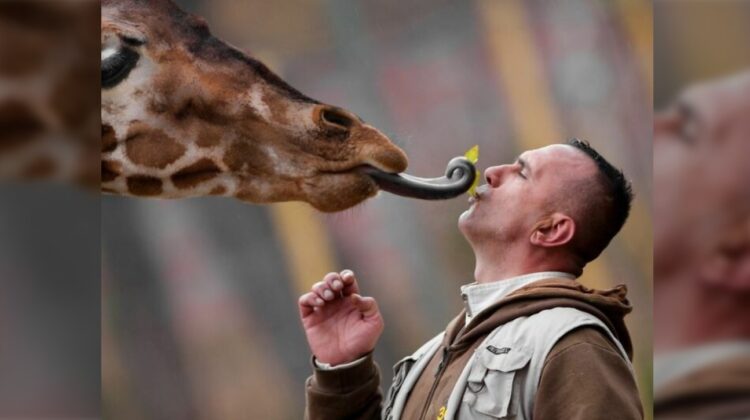
Say what you will, but one truth remains undeniable: love connects us all, regardless of species. Nowhere is this more visible than in the quiet, daily relationships formed between animals and the people who dedicate their lives to caring for them. These bonds are not built on words, but on presence, routine, and trust.
At Skopje Zoo in North Macedonia, such a connection existed between a devoted caretaker, Riste Trajkovski, and the giraffes he tended for more than a decade.
On November 26, 2023, the zoo mourned the sudden loss of Riste, a man known for his gentle voice, patient hands, and unwavering dedication. For 12 years, he spent more time among giraffes than anywhere else. He was there when they arrived, there through changing seasons, there through illnesses and recoveries. Visitors recognized him not just as a keeper, but as part of the habitat itself—a steady figure beneath the long shadows of towering necks.
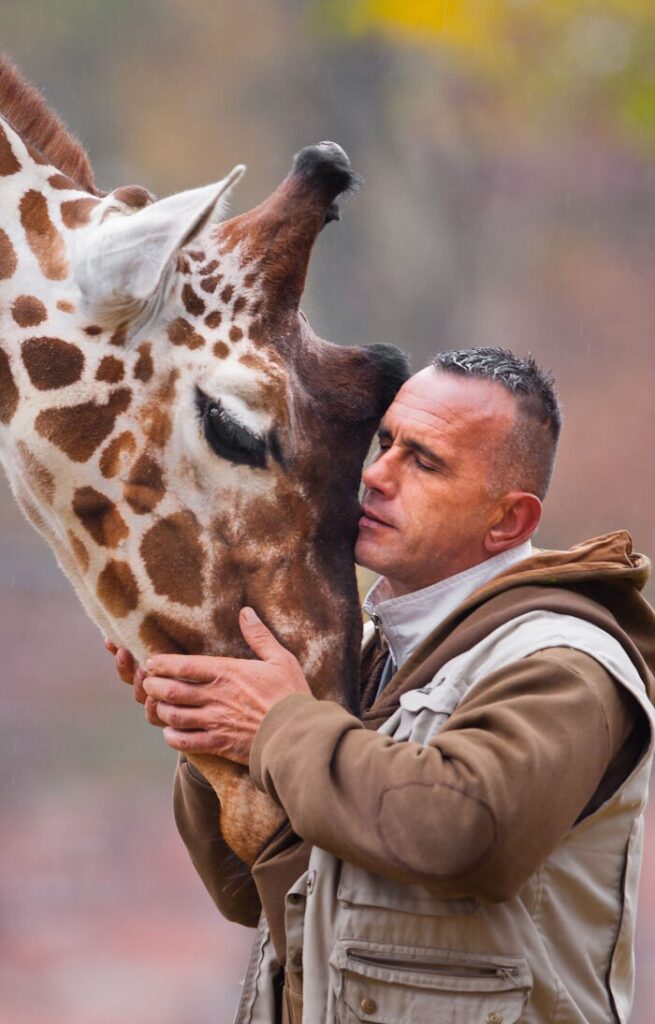
His passing left a deep void. But the heartbreak did not end there. Just hours later, the zoo’s last giraffe, a ten-year-old named Floppy, also passed away. Despite the staff’s efforts, they could not save her. Floppy had been under Riste’s care for years. Their lives had run side by side for a decade—an unspoken partnership built on familiarity and quiet affection.
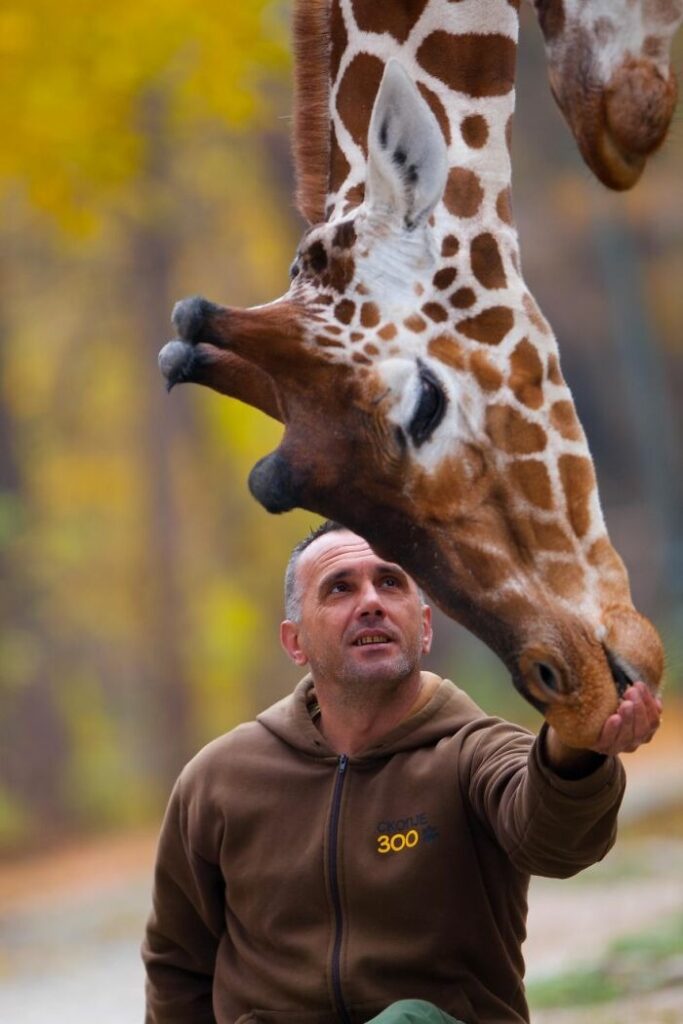
For many in the country, the dual loss felt symbolic. It was as though a chapter closed in a single day. The story quickly became one of the saddest in modern Macedonian zoo history, highlighting not only personal grief but the broader challenges zoos face in wildlife preservation, aging animal populations, and limited conservation resources.
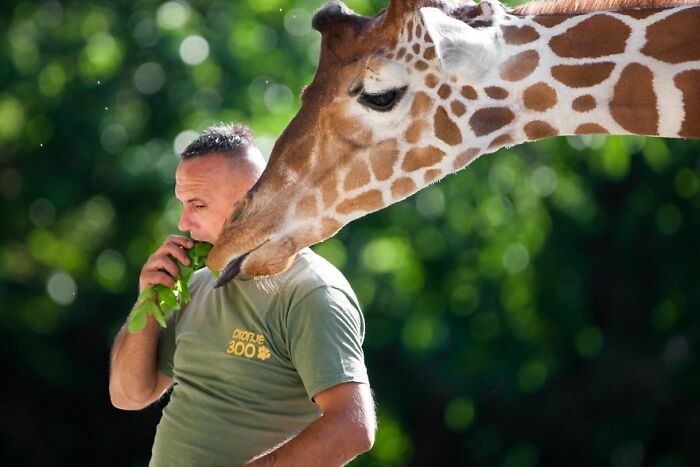
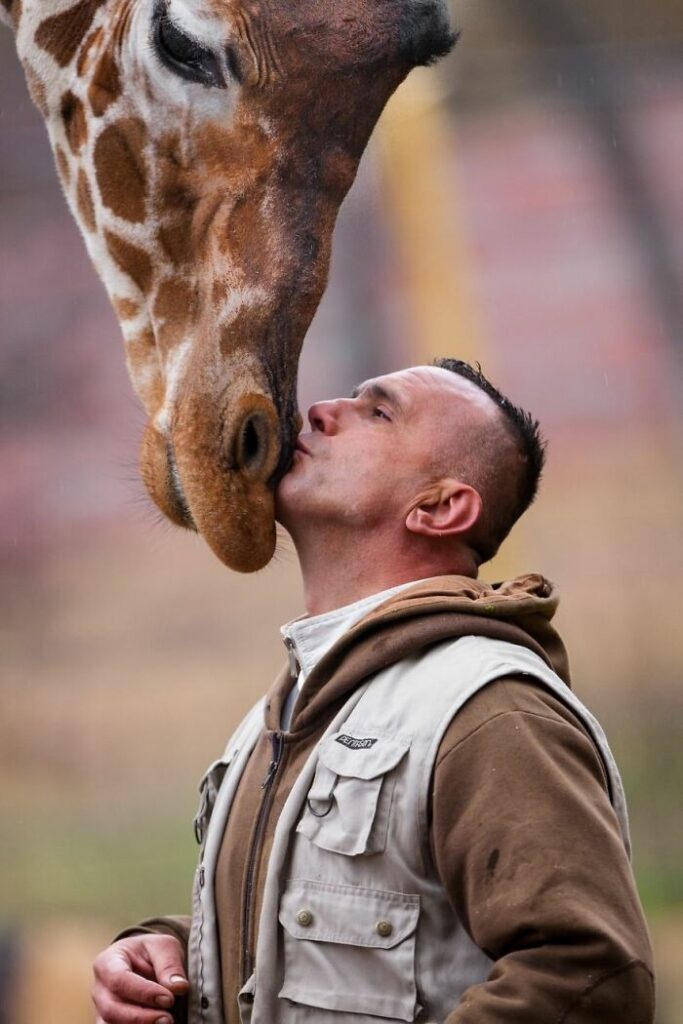
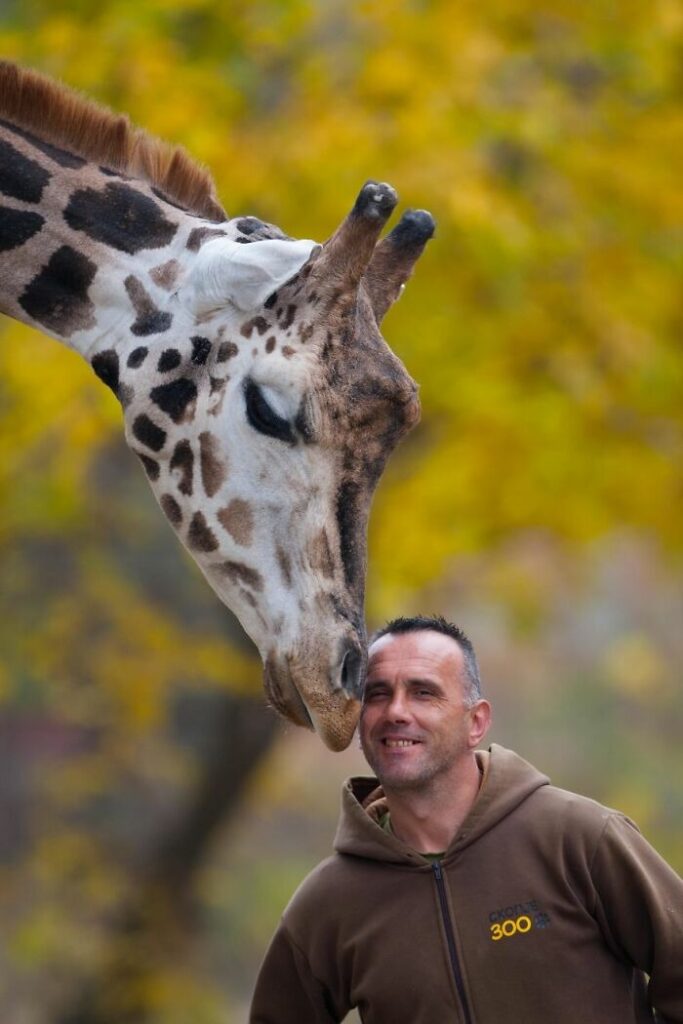
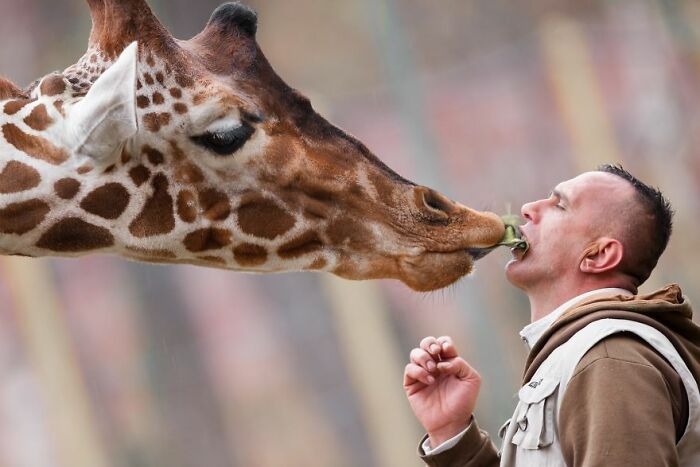
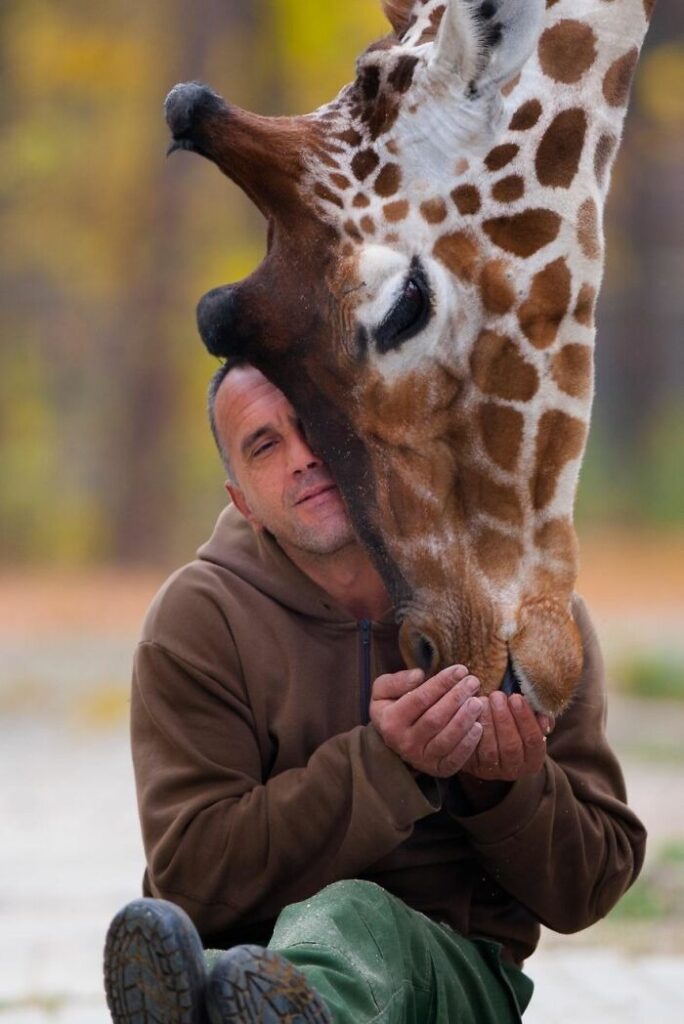
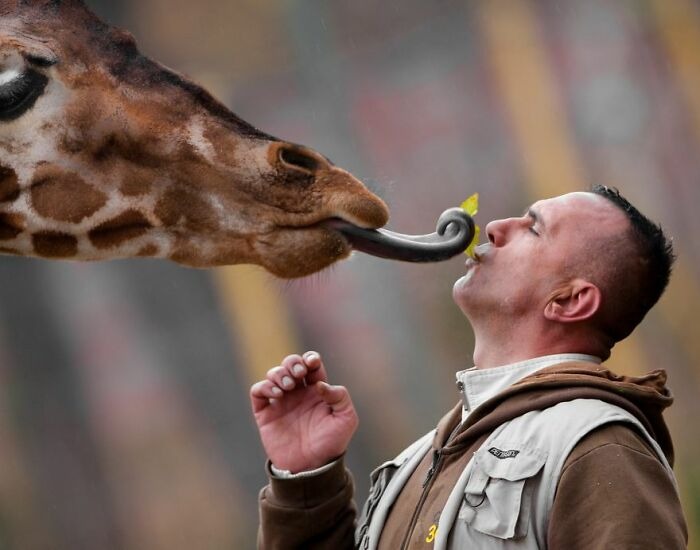
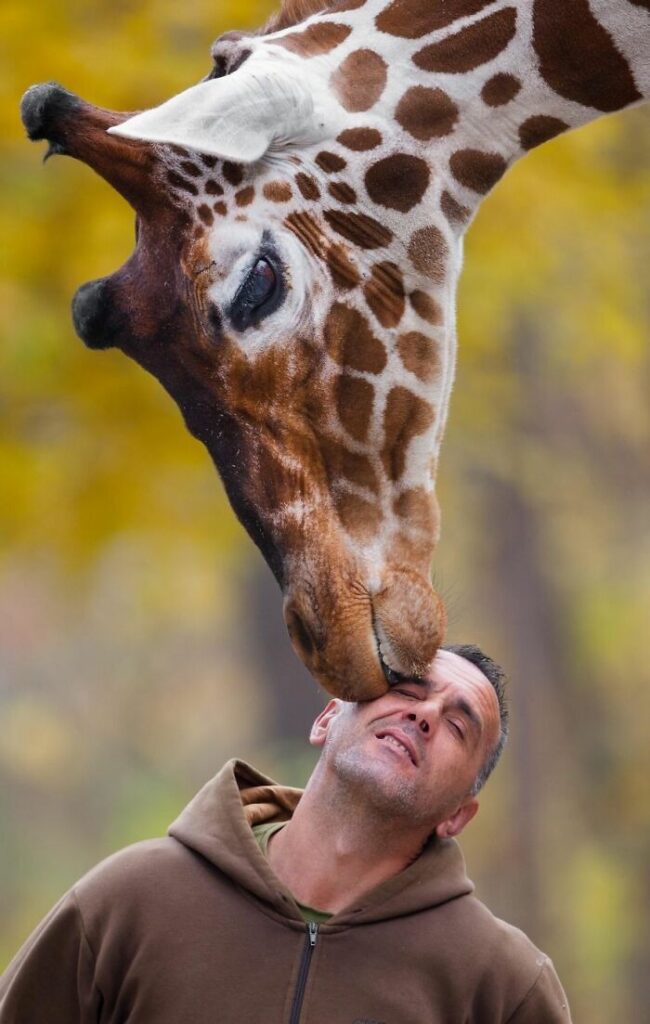
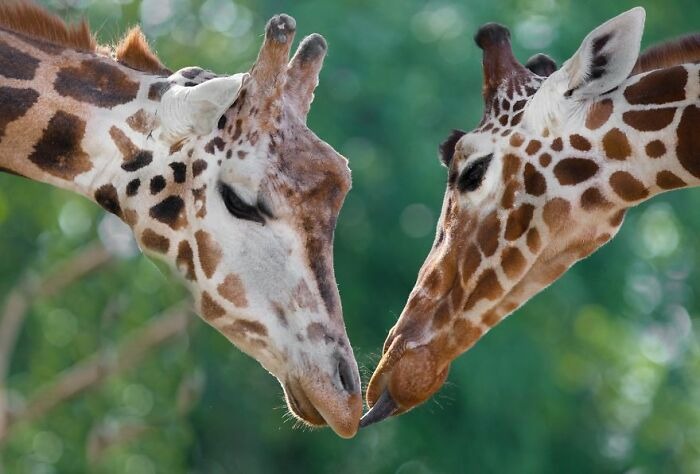
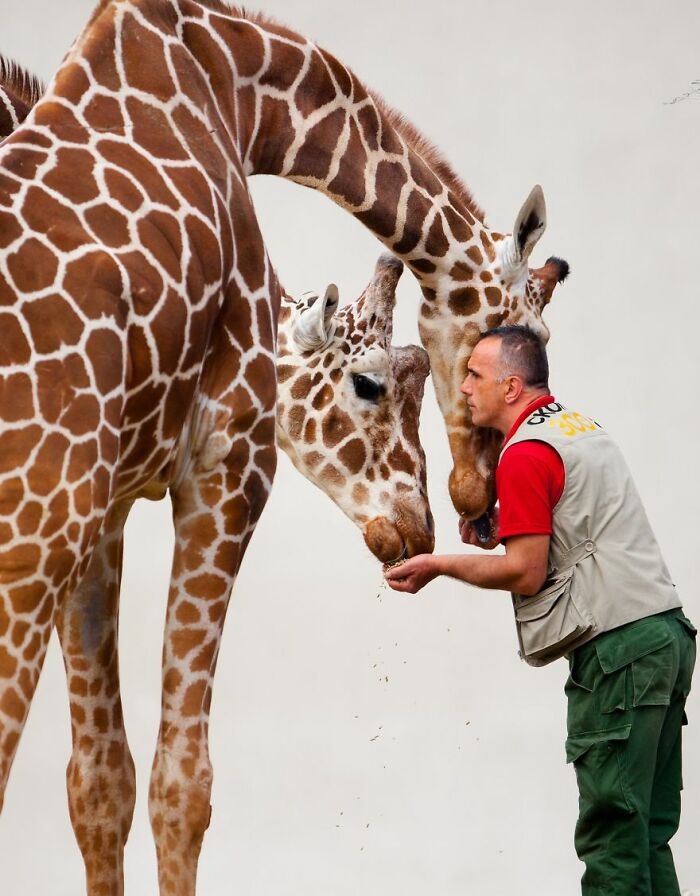
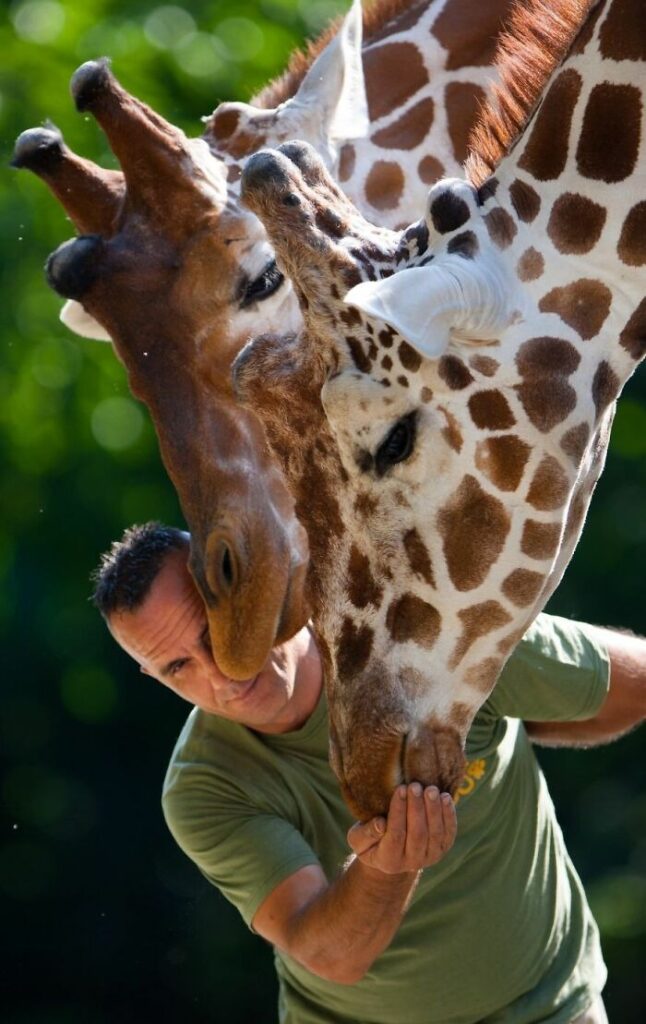
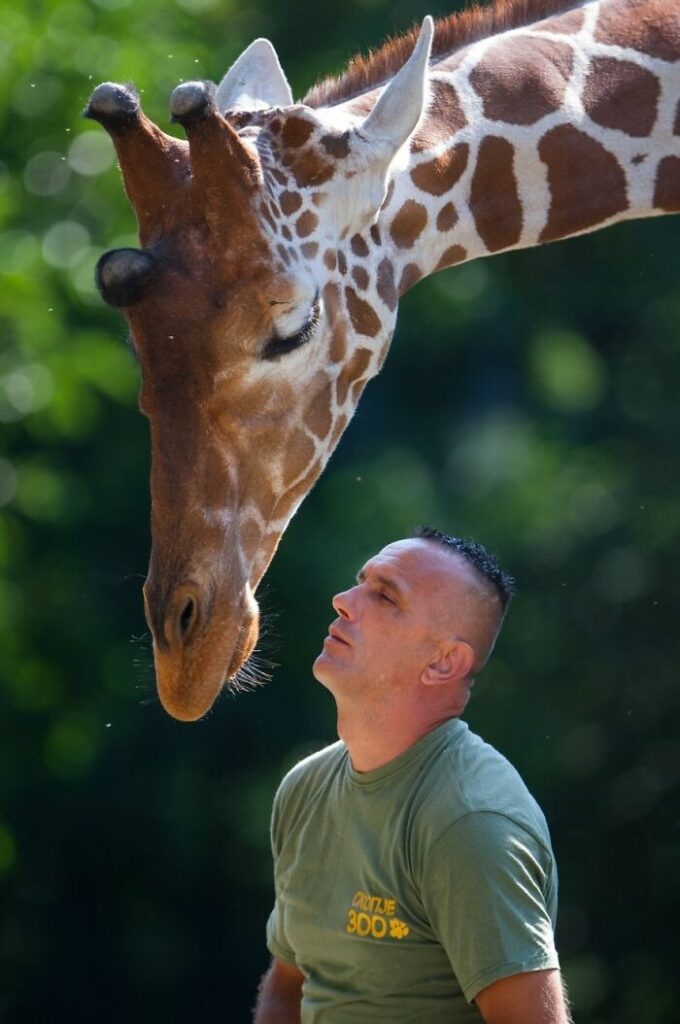
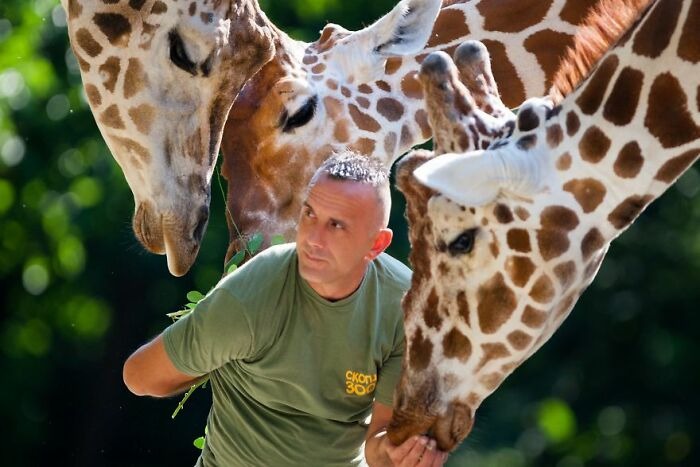
Photographer Goran Anastasovski, known professionally as Goki, had documented Riste’s bond with the giraffes for years. What began as admiration for a zookeeper’s dedication evolved into a visual chronicle of interspecies connection. Goki described it as a “historical story”—one that started beautifully and ended in profound sorrow.
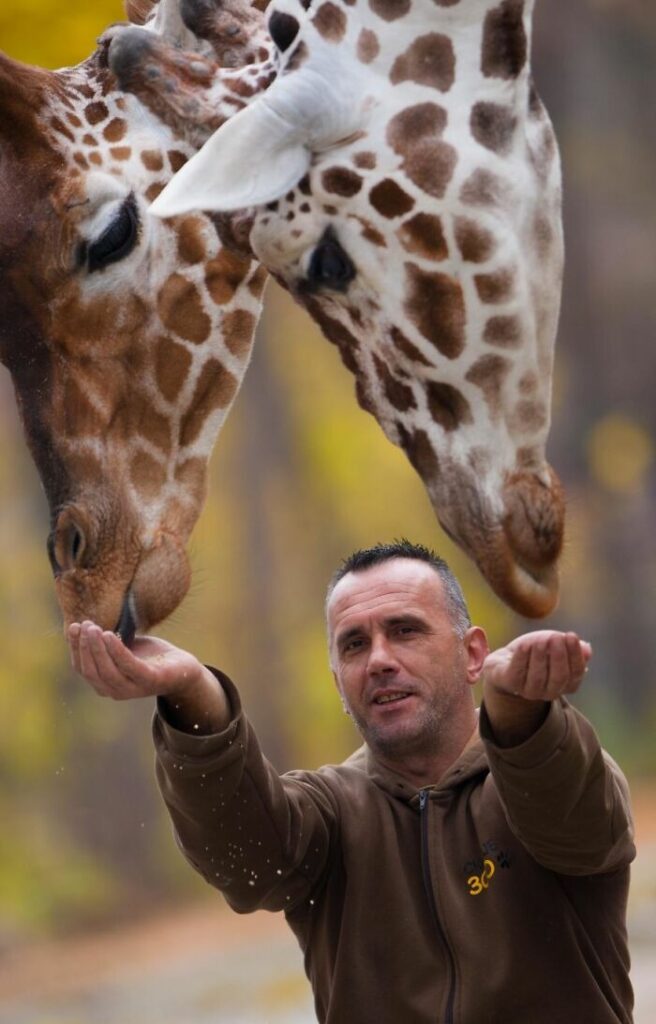
“Riste spent more time with them than with people,” Goki shared in interviews. “He loved them deeply, and they loved him.” His photographs captured moments that required no explanation: a giraffe lowering its head toward Riste, the calm stillness between them, children watching in awe as he interacted effortlessly with the animals.
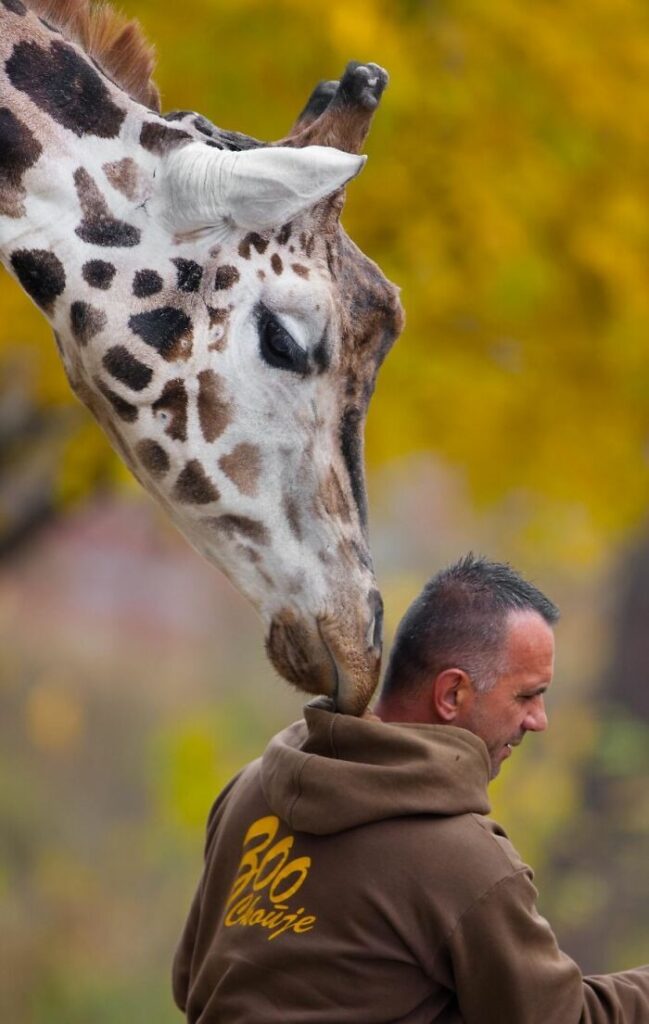
After Riste’s death, those images took on new meaning. They became evidence of something larger than routine care. They showed that empathy does not recognize species boundaries. They suggested that devotion, when consistent and sincere, is understood even without language.
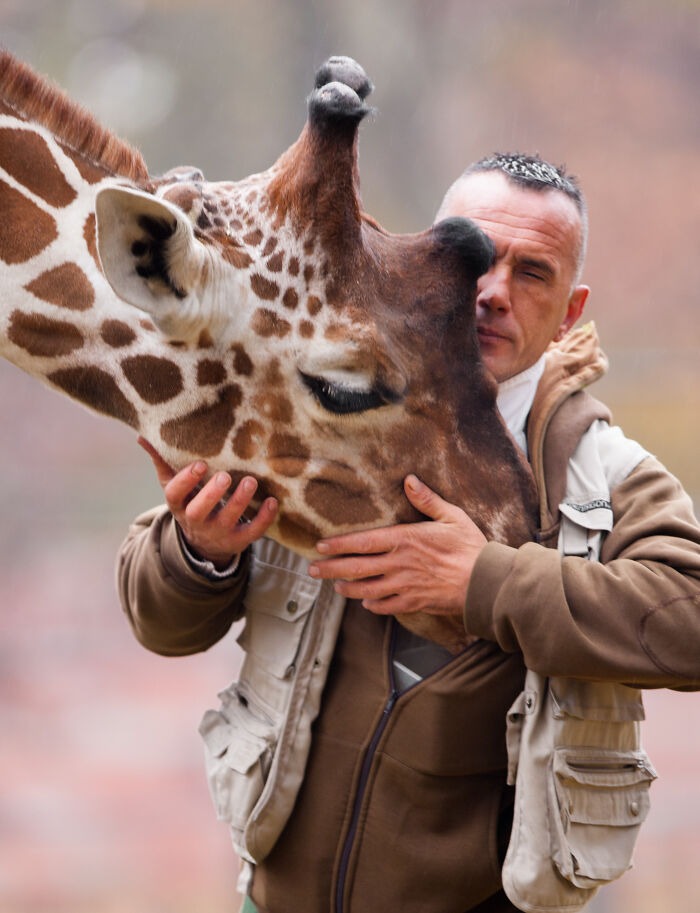
The loss of both Riste and Floppy shook the community. Yet within the sorrow lies a legacy. The staff at Skopje Zoo continue their work with renewed commitment, honoring Riste’s memory through responsible animal care and conservation efforts. His spirit, many believe, remains in the quiet rhythm of the enclosures he once walked each morning.
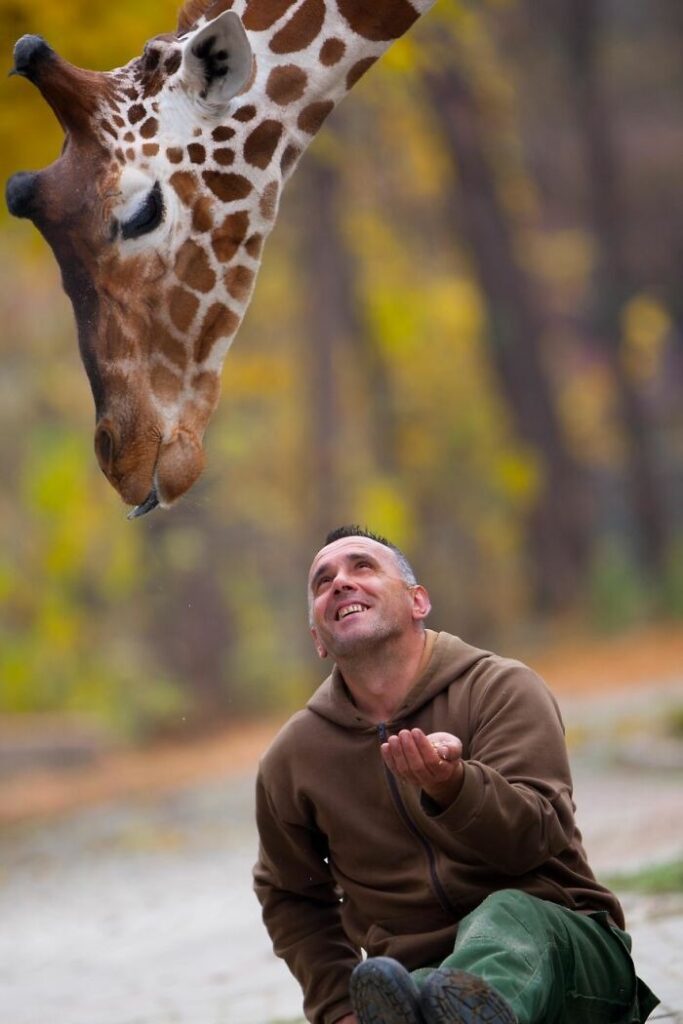
Because in the end, this story is not only about death. It is about connection. About the idea that caring for animals is not lesser than caring for people—it is simply another expression of the same compassion. As Goki once reflected, animals often give love freely, without pretense. And perhaps that is why bonds like Riste’s endure long after footsteps fade.
Stories like this highlight the essential role of professional animal caretakers in conservation, ethical wildlife management, and long-term species preservation. Modern zoos increasingly invest in veterinary excellence, habitat enrichment systems, breeding programs, and conservation partnerships to protect vulnerable species. Supporting accredited zoological institutions, wildlife foundations, and conservation initiatives contributes directly to global biodiversity protection and sustainable animal care standards.
Leave a Reply