
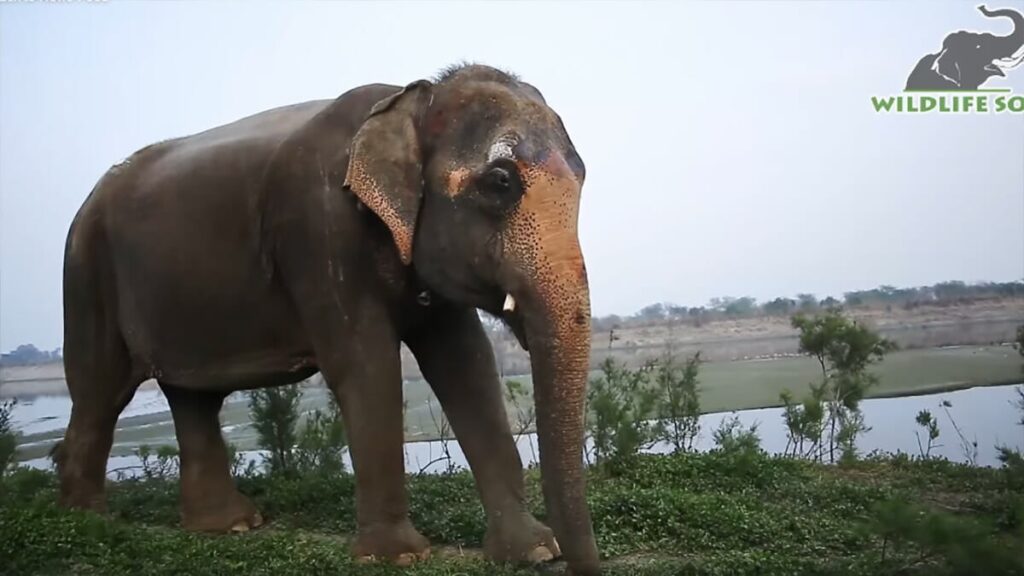
For nearly half a century, Karma, a blind elephant, knew nothing but pain, exploitation, and captivity.
For 46 long years, she was forced to walk the crowded streets of India — carrying heavy loads, begging for money, and enduring constant stress at the hands of humans who showed her no mercy. For a blind elephant, this life was not just cruel — it was terrifying.
In December 2019, Karma’s nightmare finally ended.
Thanks to the tireless efforts of Wildlife SOS, Karma was rescued and transported to the Elephant Care and Conservation Centre, where she could finally experience safety, dignity, and compassion.
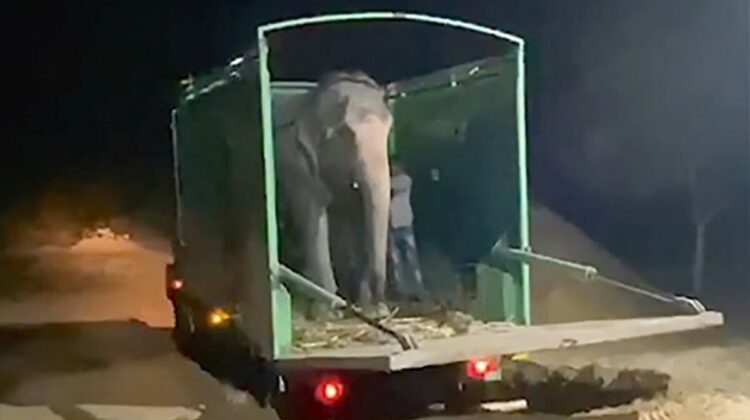
Footage released by the organization shows a deeply emotional moment: Karma cautiously stepping off the rescue truck and into the sanctuary for the very first time. Guided gently by her rescuers, she moves slowly — feeling her way forward step by step — as she takes her first true steps toward freedom.
Wildlife SOS shared the moment on Facebook, writing:

“Karma experienced her first taste of freedom as she stepped off the ambulance and into the Wildlife SOS elephant hospital.”
Because Karma is completely blind, her care team is proceeding with extreme patience. She is being kept separate from other elephants while she adjusts to her new environment. Caretakers accompany her on gentle walks, allowing her to explore safely, while veterinary teams treat the physical injuries and emotional trauma caused by decades of abuse.
Staff members quickly grew attached to her, describing how deeply affectionate and resilient she is despite everything she has endured.
In later updates, rescuers shared even more hopeful news: Karma has begun lying down — a major sign of recovery and trust for elephants who have suffered long-term captivity.
“It’s hard to believe that just weeks ago Karma was begging on the streets under the control of a brutal owner,” Wildlife SOS wrote. “Today, she is safe, protected, and finally free.”
Karma will soon be introduced to other rescued elephants at the sanctuary — several of whom are also blind or visually impaired — giving her the chance to form bonds and live the life she was always meant to have.
Stories like Karma’s highlight the urgent global crisis of animal abuse, illegal wildlife exploitation, and forced captivity. Experts in wildlife conservation and animal welfare warn that elephants used for begging, labor, or entertainment often suffer irreversible physical and psychological damage. As awareness grows, more readers are turning to wildlife rescue organizations, ethical conservation programs, and nonprofit animal charities to support long-term rehabilitation and medical care. Donating to accredited sanctuaries and supporting animal protection laws are among the most effective ways to combat wildlife cruelty and ensure rescued animals receive the lifelong care they deserve.
Please share so more people can support this great cause.
Leave a Reply