
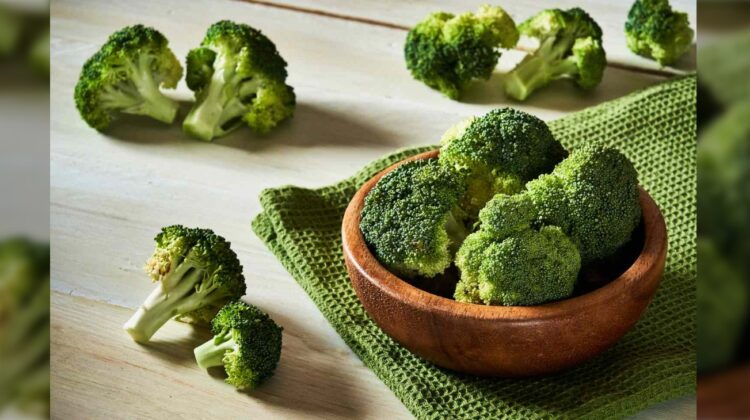
Broccoli is widely recognized as one of the healthiest vegetables you can include in your diet. It is rich in essential vitamins, minerals, fiber, and bioactive plant compounds that support multiple systems in the body. Regular consumption of broccoli has been associated with improved immune function, heart health, digestion, and long-term disease prevention.
However, the way broccoli is prepared plays a critical role in determining how much of its nutritional value is actually preserved.
Key Health Benefits of Broccoli
Scientific research consistently highlights broccoli as a nutrient-dense food with broad health benefits:
- Rich in essential nutrients: High in vitamin C, vitamin K, fiber, potassium, and calcium
- Supports immune health: Antioxidants help protect cells from oxidative stress
- Promotes heart health: Helps reduce inflammation and supports healthy cholesterol levels
- Aids digestion: Dietary fiber supports gut health and regular bowel function
- May reduce cancer risk: Contains sulforaphane, a powerful plant compound linked to cellular protection
- Supports weight management: Low in calories and high in fiber, promoting fullness
- Benefits bone and eye health: Provides vitamin K, lutein, and calcium
To fully benefit from these properties, cooking technique is just as important as food choice.
Best Cooking Methods for Preserving Broccoli’s Nutrients
Different cooking methods affect broccoli’s vitamins and protective compounds in distinct ways. Research suggests the following approaches are most effective:
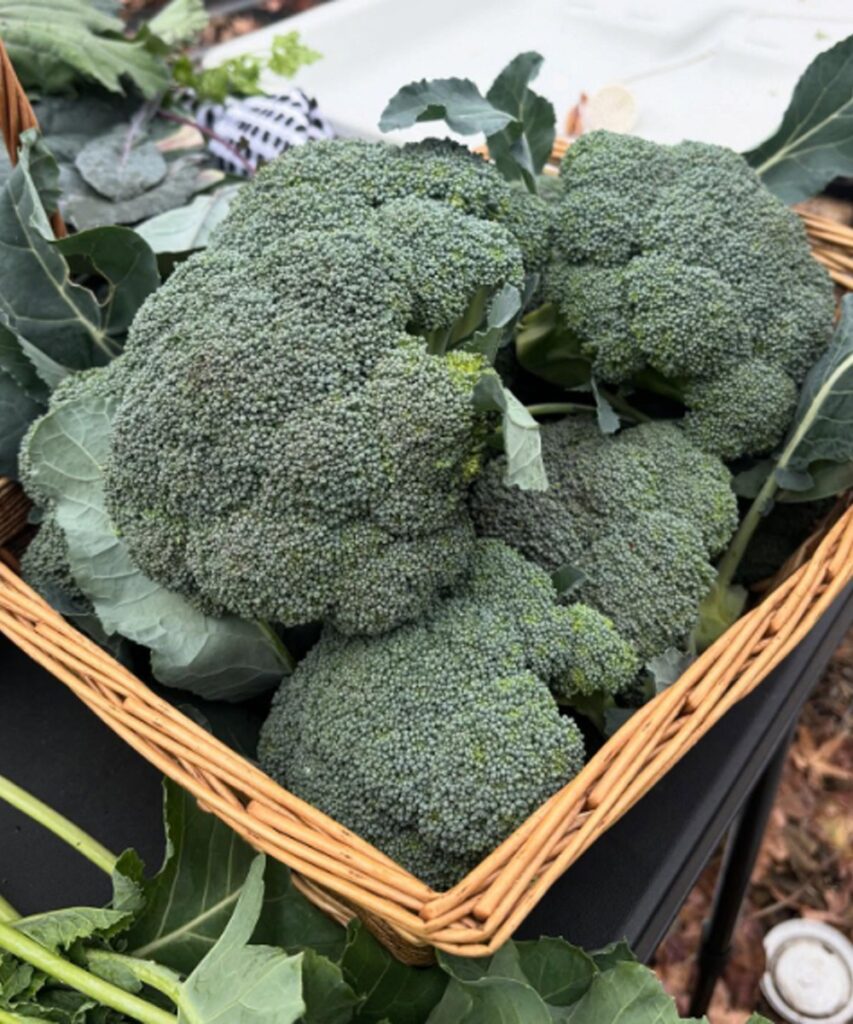
Steaming
Steaming consistently ranks as one of the best methods for preserving vitamin C and antioxidants. By minimizing water contact and limiting heat exposure, steaming helps maintain broccoli’s nutritional integrity while keeping its texture and color intact.
Microwaving
Short cooking times and minimal water exposure make microwaving an effective method for nutrient retention. Studies indicate that microwaving can preserve — and in some cases increase — sulforaphane levels, a key protective compound found in broccoli.
Light Sautéing or Stir-Frying
Quick sautéing in olive oil enhances flavor and may improve the absorption of fat-soluble compounds such as glucosinolates and isothiocyanates. Using moderate heat and short cooking times helps preserve texture while avoiding excessive nutrient loss.
While steaming and microwaving maximize nutrient retention, lightly sautéed or roasted broccoli may increase overall consumption due to improved taste — which also contributes to long-term dietary adherence.
Cooking Methods That Reduce Nutritional Value
Certain preparation techniques significantly reduce broccoli’s health benefits:
Boiling
Boiling causes water-soluble vitamins and protective compounds to leach into the cooking water. Research consistently shows that boiling results in the greatest nutrient loss and is generally the least recommended method.
Overcooking (Any Method)
Extended cooking time, excessive water, or high heat degrades vitamin C and phytochemicals. Overcooked broccoli loses its bright green color, becomes mushy, and offers reduced nutritional value.
A simple visual cue: broccoli that retains its vibrant green color is more likely to have preserved its nutrients.
How to Get the Most Benefits from Broccoli
Regardless of cooking method, a few practical steps can help maximize broccoli’s nutritional impact:
- Cut florets evenly to ensure consistent cooking
- Use broccoli stems — they are nutrient-rich and cook well
- Pair broccoli with olive oil, citrus, or spices to enhance absorption and flavor
- Avoid cooking past a bright green color
- Use minimal water to reduce nutrient loss
A Smarter Approach to Everyday Nutrition
Making informed choices about how vegetables are prepared is a small change that can have a meaningful impact on long-term health. Understanding nutrient retention, cooking techniques, and ingredient pairing helps transform simple foods like broccoli into powerful contributors to a balanced, health-conscious diet.
Leave a Reply