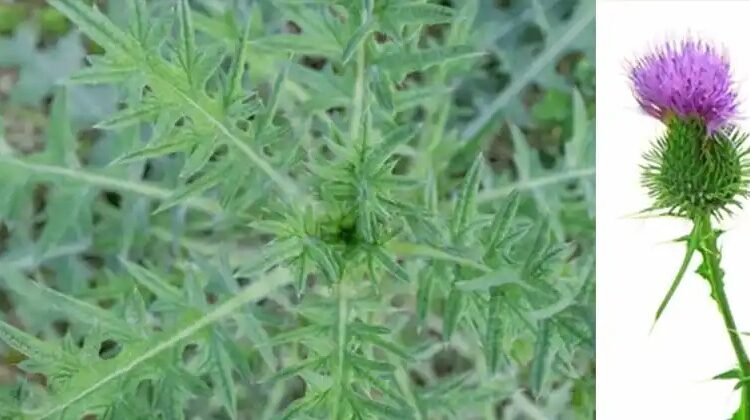
Many people see Cirsium vulgare growing along roadsides and fields and assume it’s just another prickly weed. With its spiny stems and bright purple flower heads, it certainly looks intimidating.
However, in traditional herbal practices and wild foraging communities, bull thistle has long been valued for its potential nutritional and herbal uses. While research on the plant is still limited, historical use suggests it may support digestion, skin care, and general wellness.
Disclaimer: This information is for educational purposes only and should not replace professional medical advice.
What Is Bull Thistle?
Bull thistle is a hardy biennial plant that belongs to the Asteraceae, the same botanical family that includes daisies, sunflowers, and ragweed.
The plant is recognizable by:
- Tall spiny stems
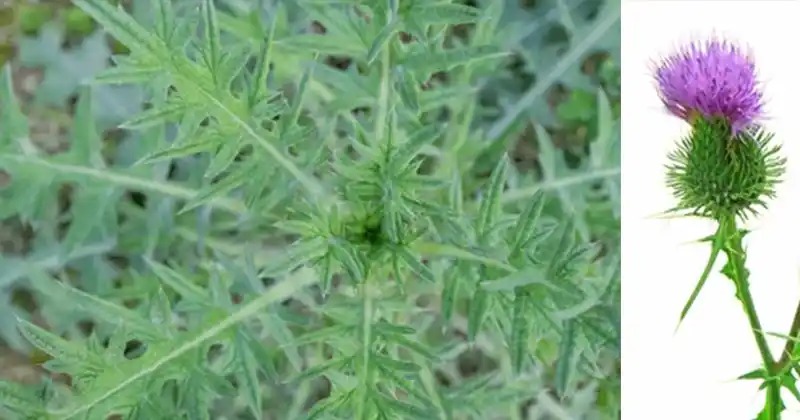
- Deeply lobed leaves covered with sharp spines
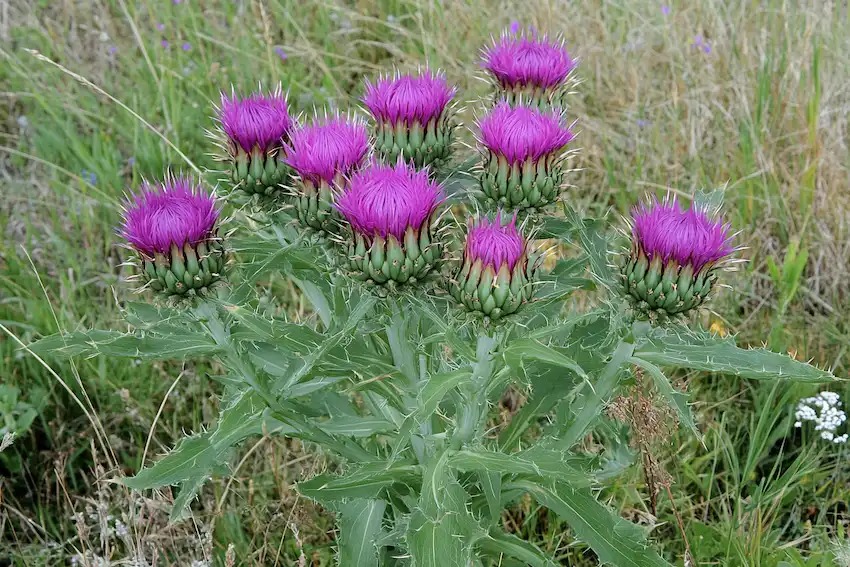
- Bright purple flower heads that attract pollinators
Although often removed from gardens, many wild plant enthusiasts see it as an overlooked resource.
Potential Traditional Benefits
1. Digestive Support
Bull thistle roots contain bitter compounds commonly found in many traditional digestive herbs.
These compounds may help stimulate digestive enzymes and support appetite.
Traditional use: A mild tea made from dried roots is sometimes consumed before meals.
2. Natural Detox Support
In herbal traditions, thistle species are often associated with liver and detox support. Plants in this group contain compounds believed to help the body process toxins.
Traditional use: Leaves or stems are sometimes steeped to make herbal infusions.
3. Anti-Inflammatory Properties
Bull thistle contains plant chemicals such as flavonoids and antioxidants that researchers often study for their potential anti-inflammatory effects.
Traditional use: Crushed leaves may be applied as a simple poultice on sore areas.
4. Immune System Support
Wild edible plants frequently contain nutrients such as vitamin C and iron that contribute to immune function.
Regular herbal teas made from edible plants may help add beneficial compounds to the diet.
5. Antioxidant Compounds
Like many plants in the daisy family, bull thistle contains antioxidants that help protect cells from oxidative stress.
Herbal teas or tinctures are sometimes used in traditional wellness routines for this purpose.
6. Minor Wound Care
Historically, crushed plant leaves have been used as simple poultices for minor skin irritations or insect bites.
This practice is common with several wild plants and is based on their mild antibacterial and soothing properties.
7. Mild Diuretic Effects
Some herbal practitioners believe bull thistle may act as a mild natural diuretic, supporting fluid balance and kidney function.
Tea preparations are traditionally used for this purpose.
8. Circulatory Support
The bitter plant compounds in thistles are sometimes associated with improved circulation in traditional herbal medicine.
However, scientific research on this specific species remains limited.
9. Skin Soothing Uses
Herbal infusions made from thistle leaves may be used externally to soothe irritated skin.
Some people add cooled herbal infusions to bathwater or use them as gentle skin rinses.
10. Respiratory Comfort
Warm herbal teas are commonly used in traditional practices to soothe mild throat or respiratory irritation.
Bull thistle tea is sometimes used for this purpose due to its anti-inflammatory compounds.
Ways People Traditionally Use Bull Thistle
Bull Thistle Tea
Ingredients
- 1–2 teaspoons dried leaves
- 1 cup hot water
Instructions
- Add leaves to hot water.
- Steep for 10–15 minutes.
- Strain and drink.
Many herbal users limit intake to 1–2 cups per day.
Digestive Tincture
Ingredients
- Fresh bull thistle roots
- High-proof alcohol
Instructions
- Chop roots and place them in a jar.
- Cover with alcohol and seal.
- Store in a cool dark place for 4–6 weeks.
- Strain and store in a glass bottle.
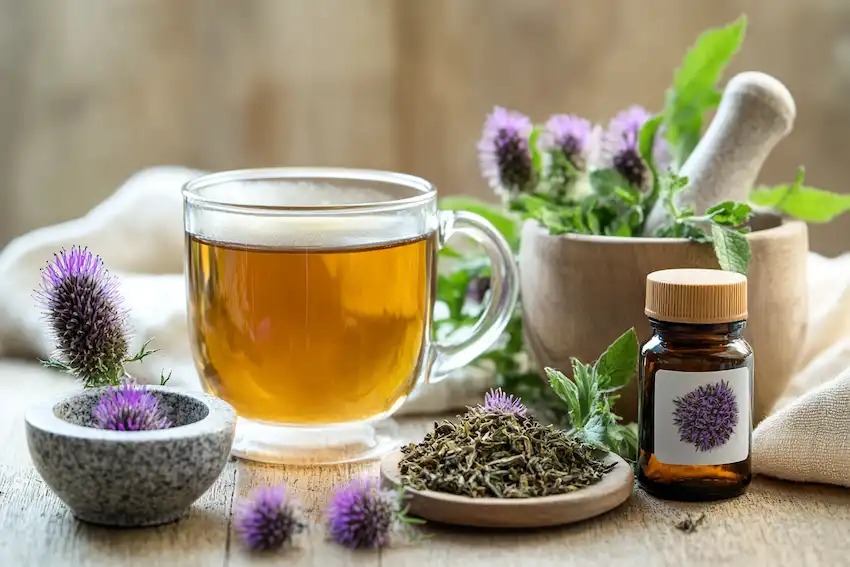
Traditional use often involves small drops diluted in water before meals.
Leaf Poultice
Crush fresh leaves and apply them to minor sore areas.
Cover lightly with a bandage and leave for up to an hour.
Herbal Wash
A cooled leaf infusion can be used to gently rinse minor skin irritations or insect bites.
Safety and Precautions
Before using bull thistle, consider these important safety tips:
- Wear gloves when harvesting — the spines can easily puncture skin.
- Avoid contaminated areas such as roadsides or pesticide-treated lawns.
- Check for allergies, especially if sensitive to plants in the daisy family.
- Consult a professional if pregnant, breastfeeding, or taking medications.
- Use in moderation to avoid digestive discomfort.
Correct plant identification is always essential when foraging wild plants.
The Bottom Line
Though often viewed as an invasive weed, Cirsium vulgare has a long history of traditional use in herbal practices.
From digestive teas to topical poultices, the plant demonstrates how many overlooked wild species may hold useful properties.
As with all herbal remedies, the key is responsible use, proper identification, and consultation with healthcare professionals when necessary.
Interest in herbal medicine, natural remedies, and wild edible plants has grown rapidly in recent years. Researchers continue to study plant compounds found in traditional herbs to better understand their potential health applications. Learning about safe herbal preparation methods, sustainable foraging practices, and plant-based nutrition can help people explore natural wellness while respecting the ecosystems where these plants grow.
Leave a Reply