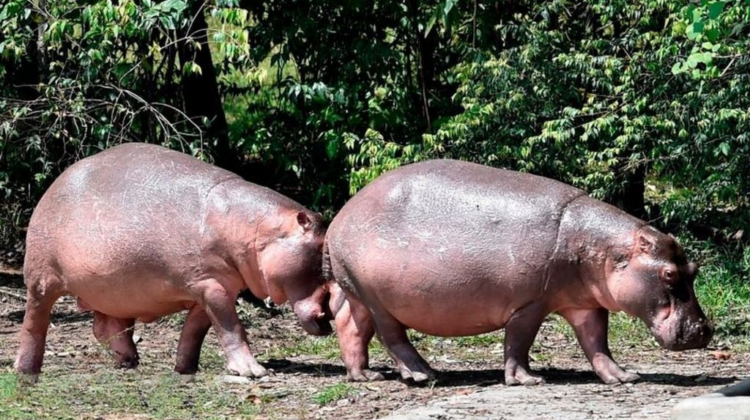
Authorities in Colombia have approved a controversial plan to reduce the growing population of wild hippos descended from animals once owned by drug lord Pablo Escobar.
The animals, often referred to as “cocaine hippos”, now roam freely across parts of the country, raising concerns among officials and environmental experts.
A growing ecological problem
The hippos are believed to be descendants of four animals imported by Escobar in the 1980s to his private estate, Hacienda Nápoles.
Since then, their numbers have grown significantly, with estimates suggesting around 170 individuals in recent years.
Without natural predators in South America, the population has expanded rapidly, spreading beyond the original ranch into rivers and nearby communities.
Why authorities are taking action
Environment officials say the animals pose risks to both people and ecosystems.
Hippos are highly territorial and can be dangerous when encountered by humans. They have also been linked to environmental damage, including:
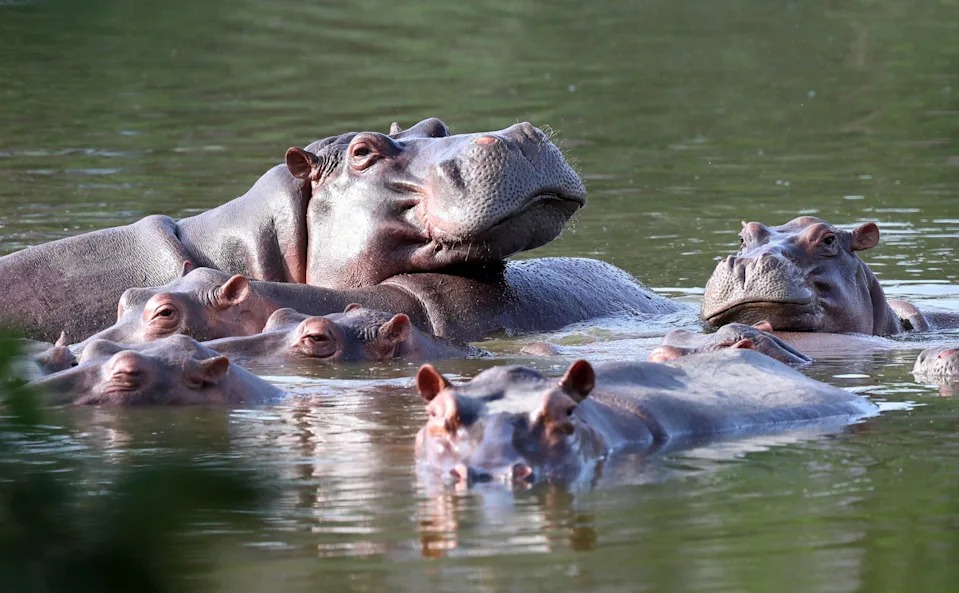
- Disrupting local wildlife
- Competing with native species for food
- Polluting waterways with large amounts of waste
Officials argue that previous efforts — including sterilisation and relocation — have proven costly and insufficient to control the population.
Up to 80 hippos could be culled under the new plan, although a timeline has not been confirmed.
A deeply divisive decision
The move has sparked strong reactions across the country.
Animal rights advocates have condemned the plan, arguing that the hippos are not at fault and should not be killed. Some have called for expanded non-lethal solutions, such as international relocation or more aggressive sterilisation programmes.

Others, however, support the decision, saying urgent action is needed to prevent long-term ecological damage.
A unique and complex case
Colombia remains the only country outside Africa with a wild hippo population — a situation that experts describe as both unusual and challenging.
The animals have even become a local attraction, drawing tourists to the region. Yet their presence highlights a broader issue: how human actions can create lasting and unintended consequences for ecosystems.
As Colombia confronts this complex environmental dilemma, the debate reflects a wider global challenge — balancing wildlife protection with ecosystem stability. Decisions like this carry long-term consequences, not only for biodiversity but also for how future generations manage invasive species in an increasingly interconnected world.
Leave a Reply