
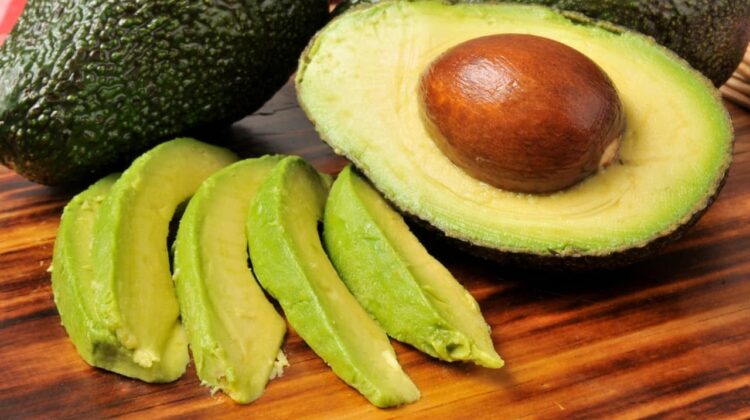
Eating Avocados: Weight Gain or Weight Loss? Myth vs. Reality
For years, avocados have sparked debate in the nutrition world. Some experts praise them as a powerful superfood, while others warn that their high fat content could lead to weight gain.
So what’s the real story?
Can eating avocados actually make you gain weight — or can this nutrient-rich fruit support healthy weight management?
Let’s break down the facts.
1. Avocados Are High in Fat — But It’s the Right Kind of Fat
Yes, avocados are calorie-dense. One medium avocado contains roughly 240 calories and about 22 grams of fat. However, this fat is primarily monounsaturated fat, the same heart-healthy fat found in olive oil and nuts.

Unlike saturated and trans fats found in processed foods, monounsaturated fats help improve cholesterol levels, support hormonal balance, and reduce inflammation. These benefits are strongly linked to better metabolic health and long-term weight control.
Rather than promoting fat storage, these healthy fats help the body function more efficiently.
2. Avocados Promote Fullness and Appetite Control
One of the biggest challenges in weight management is constant hunger.
Avocados help solve this problem because they are rich in dietary fiber, providing nearly 10 grams per fruit. Fiber slows digestion, stabilizes blood sugar levels, and helps you feel full for longer periods.
A study published in the Nutrition Journal found that participants who added half an avocado to their lunch felt 23% more satisfied and experienced a 28% reduction in the desire to eat over the next five hours.
This means that although avocados contain calories, they may actually reduce total calorie intake throughout the day.
3. Portion Control Matters More Than Elimination
Like any calorie-dense food, avocados should be consumed in moderation.
Eating multiple avocados daily may lead to excess calorie intake, but ¼ to ½ an avocado per day fits well into most balanced diet plans.

The key is substitution, not addition. Avocados work best when they replace unhealthy fats:
- Use avocado instead of butter on toast
- Add it to salads instead of creamy dressings
- Blend it into smoothies instead of heavy cream
These small dietary changes can significantly improve overall nutrition and weight outcomes.
4. Avocados Provide More Than Just Calories
Beyond fat and fiber, avocados are packed with essential nutrients that support overall health:
- Potassium (more than bananas) to help regulate blood pressure
- Vitamin E for skin health and cellular protection
- Folate and B vitamins to support energy production and metabolism
- Antioxidants like lutein, which benefit eye and brain health
These nutrients make avocados a valuable addition to a nutrient-dense diet, even for those watching calorie intake.
The Bottom Line: Do Avocados Cause Weight Gain?
Eating avocados does not automatically lead to weight gain.
When consumed in moderation, avocados can actually support weight management by increasing satiety, reducing cravings, and replacing unhealthy fats in the diet.
Weight gain occurs when calorie intake consistently exceeds calorie expenditure — not because of one whole, nutrient-rich food.
Avocados, when used wisely, are part of a healthy eating strategy, not a problem.

How to Eat Avocados for Healthy Weight Management
- Eat ¼–½ avocado before lunch or dinner to help control appetite
- Prepare a smoothie with avocado, spinach, cucumber, and unsweetened almond milk for a filling, low-sugar snack
- Replace mayonnaise or butter with mashed avocado for healthier fat intake
Tip: For most people, ½ an avocado per day (around 120 calories) is enough to gain benefits without excess calories.
Final Thoughts
Avocados are not the enemy of your waistline.
In fact, they can be a powerful ally for weight control, metabolic health, and long-term wellness when consumed mindfully.
Creamy, satisfying, and packed with essential nutrients — avocados prove that healthy fats can work with your body, not against it.
Leave a Reply