• Skip to main content
  • Skip to primary sidebar
  • Skip to footer
  • Home
  • About Us
  • Copyright Report
  • Submit Content
  • Terms
  • Privacy Policy
  • Legal Disclaimer

Hasan Jasim

Hasan Jasim is a place where you may get entertainment, viral videos, trending material, and breaking news. For a social generation, we are the largest community on the planet.

Don’t Feed the Wildlife: Why Sharing Your Snacks Hurts More Than You Think

by Stephen King Leave a Comment

ShareTweet

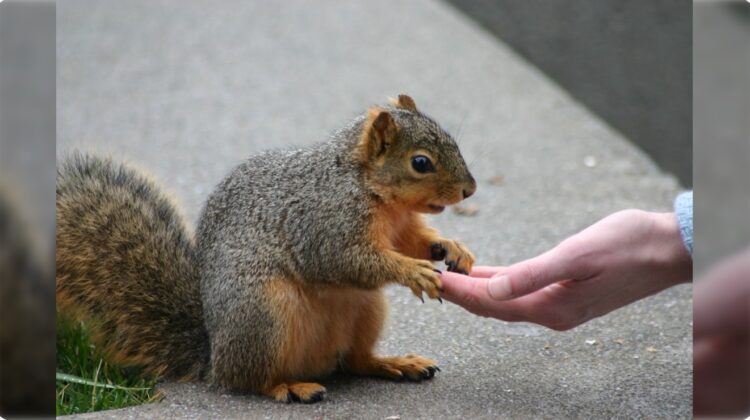
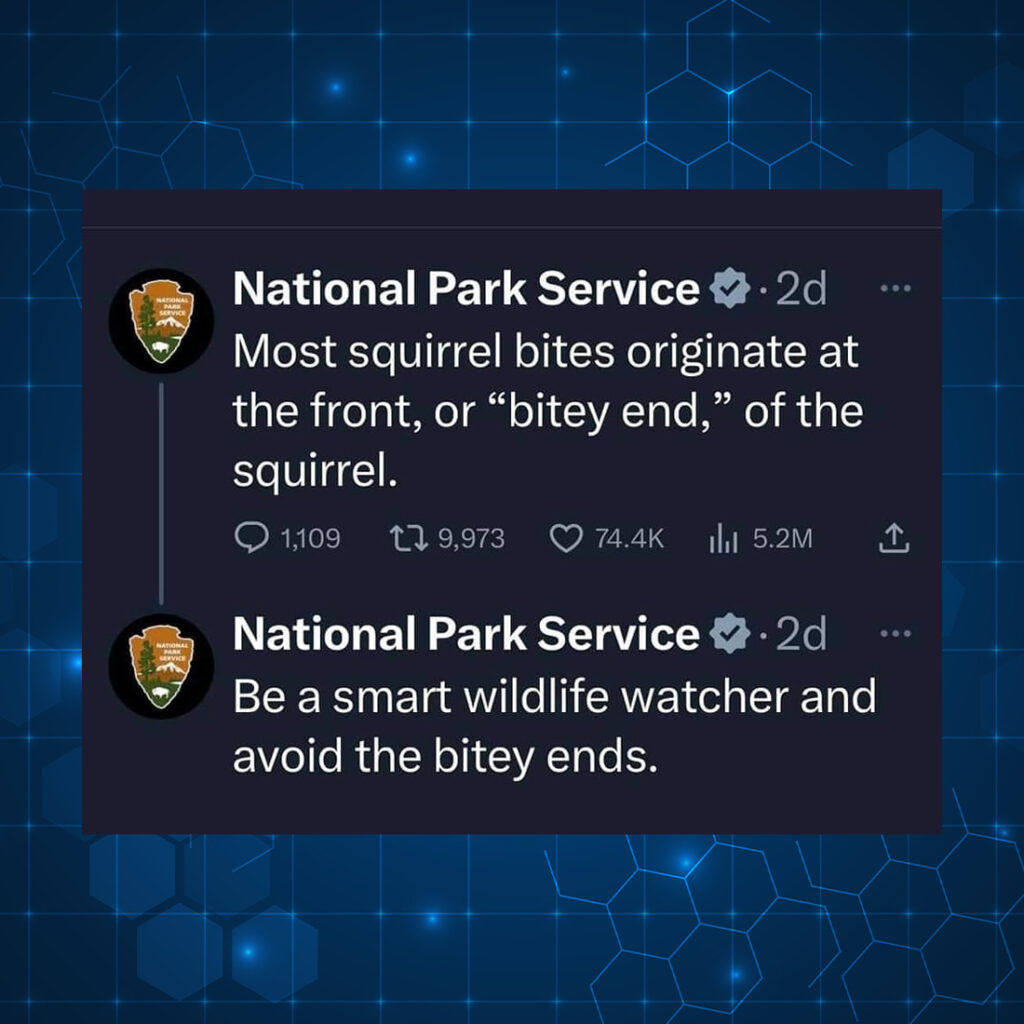
Oh, look at that cute squirrel! He’s coming closer…giving him a little snack couldn’t hurt, right? Wrong. While a squirrel might look adorable munching on your trail mix, feeding wild animals is actually detrimental to their health and well-being.

It’s Not Just a Few Peanuts
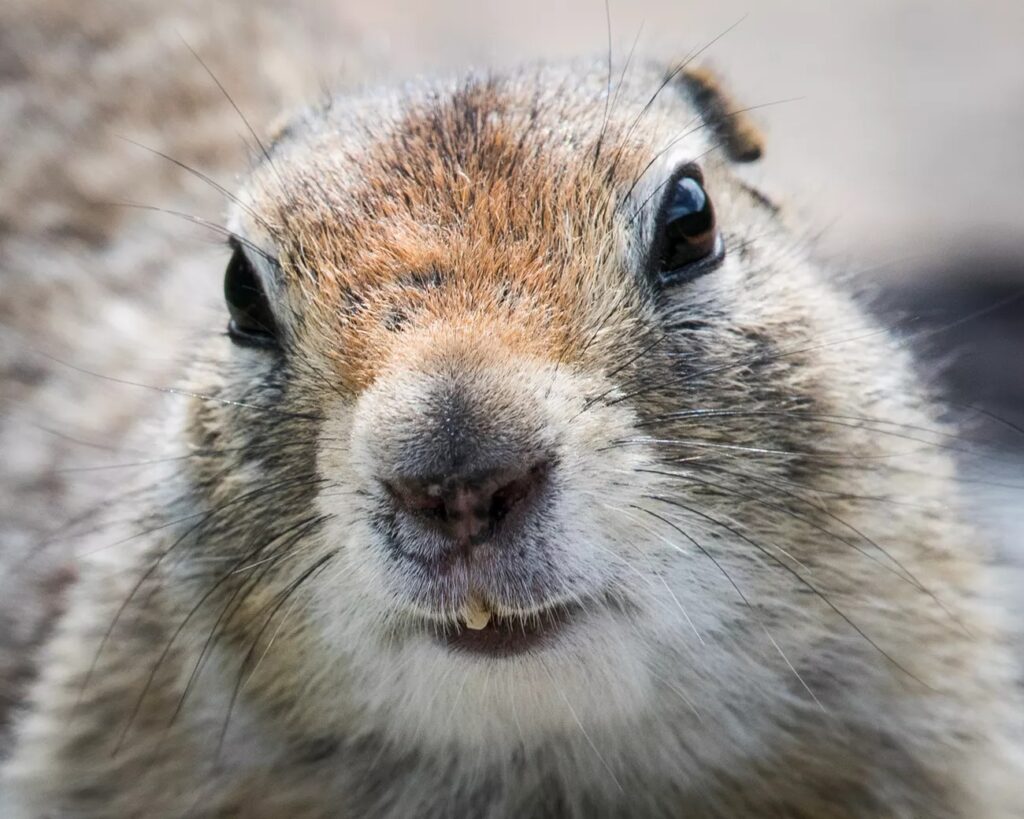
You might have the best intentions when you want to share your lunch with a critter in the park, but feeding wildlife is dangerous. Human foods are not healthy for wild animals. Animals that eat our snacks can get full off the wrong foods and stop eating the nutrients they need to survive. They can stop hunting, foraging, or scavenging as they would naturally.

A Small Animal with Soft Brown Fur and Big Dark Eyes
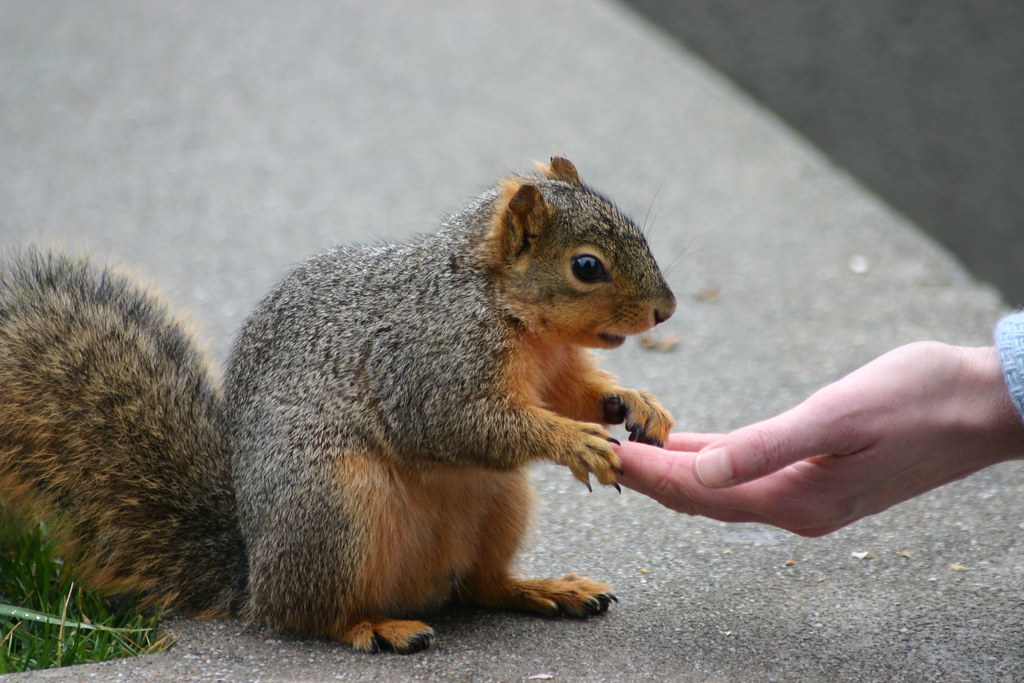
Depending on humans for food is called “food conditioning.” Food conditioning is dangerous for animals because it can lead to serious consequences like getting sick, starving, or even having to be euthanized if they become too aggressive. Animals can lose their fear of people when they get used to eating our food. They may beg, steal, or even rip into your backpack or tent if you don’t give it to them. Because they approach you (and because they’re so cute!), people might think the animals are tame like our pets at home, but they are still wild creatures. If the animal feels threatened for any reason, it could bite, kick, charge, or attack you.

Let Them Stick to Their Natural Diet. Feeding wildlife isn’t safe for the animals or for you.

What You Can Do
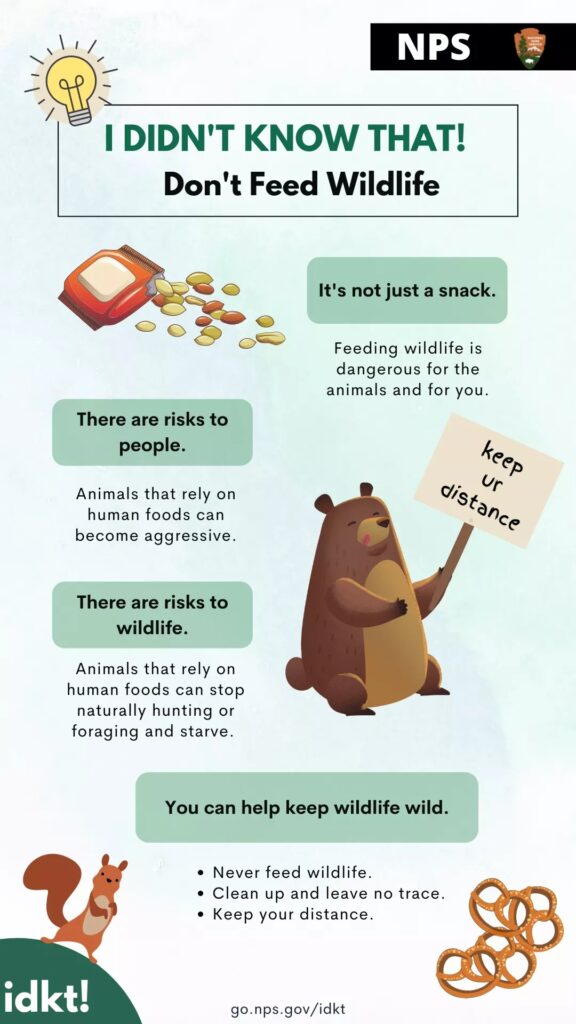
Be a smart wildlife watcher and help keep wildlife wild.

  • Never feed the wildlife.
  • Store your food and stash your trash. You may unintentionally feed wildlife by leaving trash or crumbs behind. Be sure to clean up after yourself after meals and practice Leave No Trace principles.
  • Give the animals room. Always keep a safe distance when watching wildlife. Check with park rangers for recommended minimum distances.

Want more wildlife viewing tips? Learn the 7 ways to safely watch wildlife.
Pass It On!

Did you learn something new? Pass it on! Protecting our parks and the wildlife in them is a job for us all. The next time you see a fellow animal lover thinking of sharing their snacks, you can fill them in and assure them it’s okay to admit – “I didn’t know that!”

Filed Under: Trends Worldwide Tagged With: Dangers of feeding squirrels, Dangers of Squirrel Bites, Ecosystem Protection, Feeding Wildlife, Feeding wildlife dangers, Food conditioning animals, Food Conditioning in Wildlife, human-wildlife conflict, keep wildlife wild, Leave No Trace principles, squirrel behavior, stay safe, Stay smart, Wild animal attacks, wildlife conservation, Wildlife Rehabilitation, wildlife safety, Wildlife viewing tips, Wildlife Watching Tips

Reader Interactions

Leave a Reply Cancel reply

Your email address will not be published. Required fields are marked *

Primary Sidebar

More to See

Neglected camel kills owner after hours tied in scorching heat

By Stephen King

Rat Trapped In Storm Drain Had Lost Hope That Anyone Would Save Her

By Stephen King

Before and After Photos of People Whose Smiles Improved as a Result of a Free Dentist’s Work

By Stephen King

Scientists Tracking Great White Sharks Predict Imminent Appearance in UK Waters

By Stephen King

David Attenborough film crew broke big rule after spotting problem filming sea lions

By Stephen King

Are 1992 marvel cards worth anything?

By Stephen King

Unraveling the Mystery of Black Squirrels: Nature’s Melanistic Marvels

By Stephen King

Footer

About hasanjasim.online

Hasanjasim.online is a digital platform dedicated to publishing diverse articles and content, with a strong focus on topics related to the animal kingdom, nature, and the environment. The website offers engaging stories and visual content aimed at raising awareness about animal welfare and showcasing the wonders of the natural world, making it a great destination for nature lovers and curious readers alike.

Recent

  • Scientists Discover Orcas Deliberately Smashing Giant Sunfish Until They Explode
  • This Rare Turtle Can Breathe Through Its Rear — And Scientists Say It’s One of Earth’s Most Extraordinary Reptiles
  • Do Whales Have Hair? The Surprising Truth About These Giant Ocean Mammals
  • Scientists Think They’ve Finally Worked Out Why This Image Freaks You Out
  • Tragic update on story of bear stuck on top of telephone pole
  • Royal Mail Worker Accused of Kicking Blind Dog Sparks Outrage as Fellow Postal Staff Defend His Actions
  • Photographer Travels 900 Miles to Capture One of the World’s Rarest Snowy Owls

Search