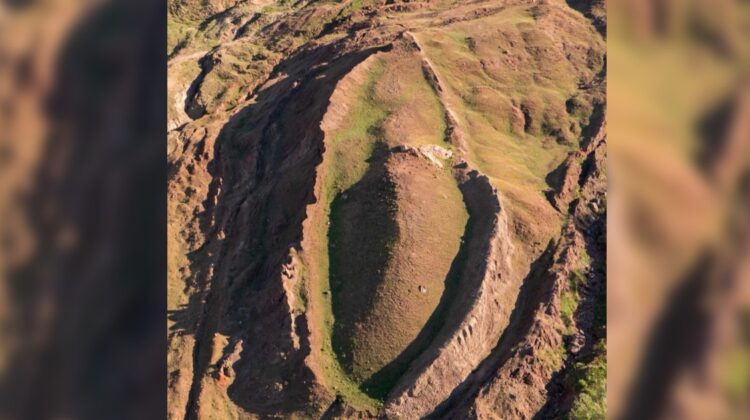
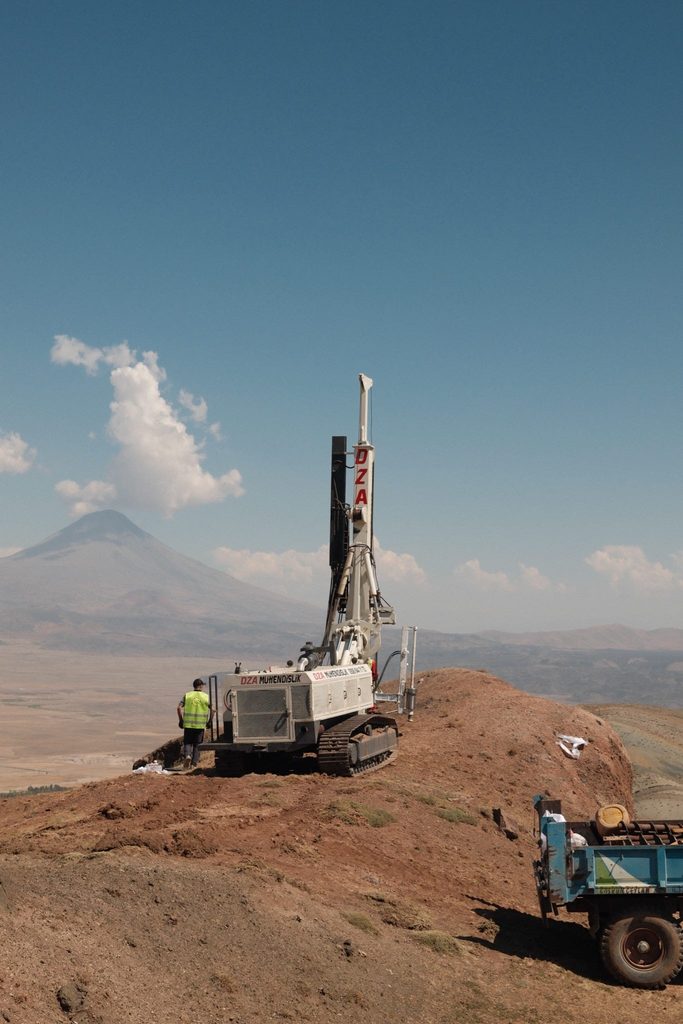
For the first time since the 1980s, drill bits are going into the ground at one of the world’s most debated “biblical” sites — and this time, one of them reportedly broke.
What’s Actually Happening
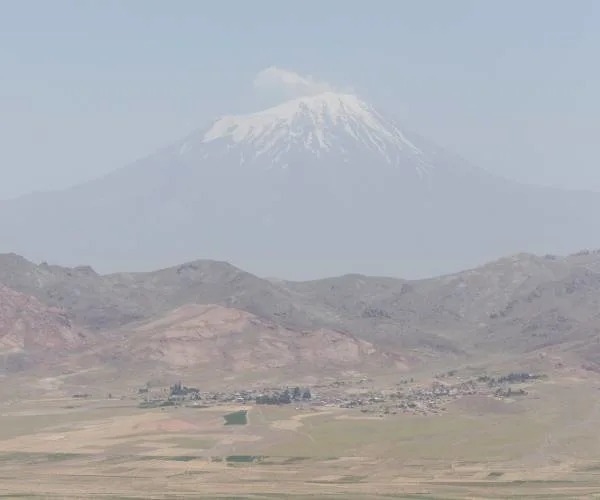
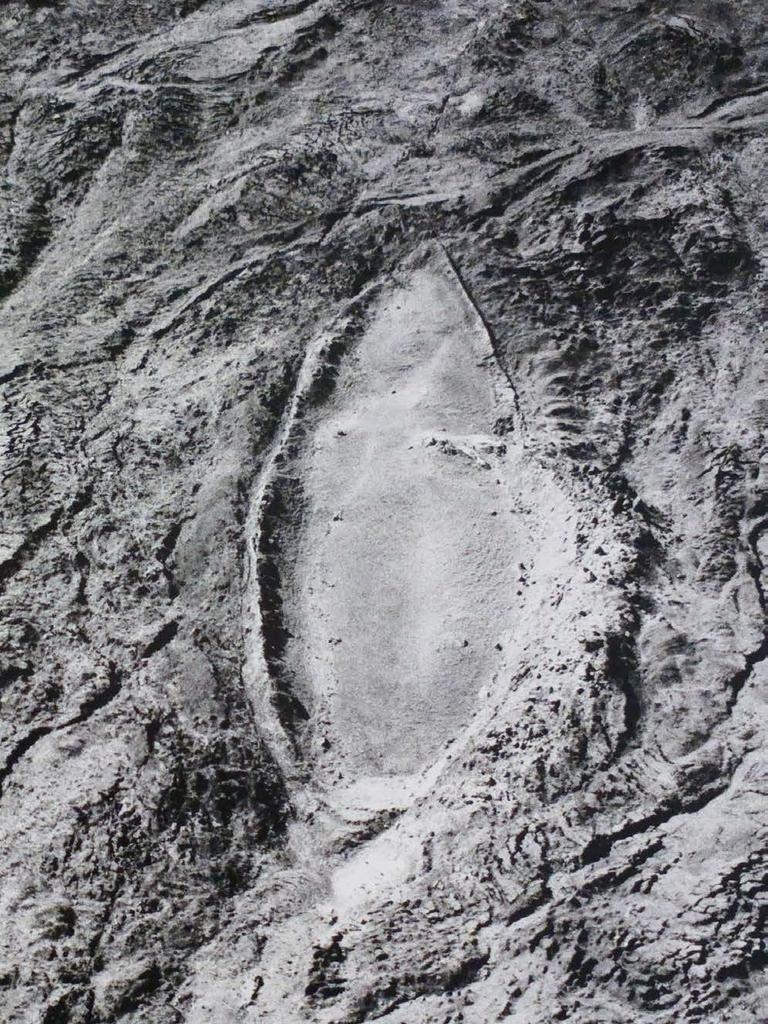
An international team has begun core drilling at the Durupınar Formation, a boat-shaped mound in eastern Turkey’s Ağrı province, about 29 kilometers south of Mount Ararat. The 2026 field program is led by Professor Cenker Atila of the archaeology department at Sivas Cumhuriyet University, working with Andrew Jones, vice president of the Noah’s Ark Research Project and founder of Noah’s Ark Scans, the organization publicizing the dig. The group says the work has authorization from Turkish government agencies and university oversight, something Jones and others involved describe as unprecedented for the site.
This summer’s fieldwork ran roughly 90 days starting in late June, with about 20 researchers and students from five countries collecting close to 1,000 soil samples from around 150 locations, alongside ground-penetrating radar and GPS mapping.
What the Scans Showed
A 2019 radar survey first picked up linear and angular anomalies that researchers interpreted as possible walls and compartments. A more advanced radar system used this year, built on U.S. Air Force-derived technology, went deeper and reportedly picked up large layered reflectors and cavity-like spaces, including what the team describes as possible corridors and chambers — in one fundraising claim, a hallway more than 250 feet long.
Neither the radar work nor the drilling has so far turned up solid limestone or bedrock inside the formation, which Jones argues undercuts the two leading natural explanations: that it’s a single rock block shaped by glaciers, or bedrock that mud simply flowed around.
The Drill Bit That Broke
During the current drilling, the team says it hit an unusually hard underground layer that broke a drill bit, and researchers are testing whether the material could be petrified wood. Other cores have been pulled from as deep as 18 meters (about 59 feet) and sent out for third-party lab testing, with results expected sometime in 2027. Preliminary soil analysis also found roughly 40% more carbon inside the formation than outside it — a result Atila has called potentially consistent with organic material, though not proof of anything on its own.
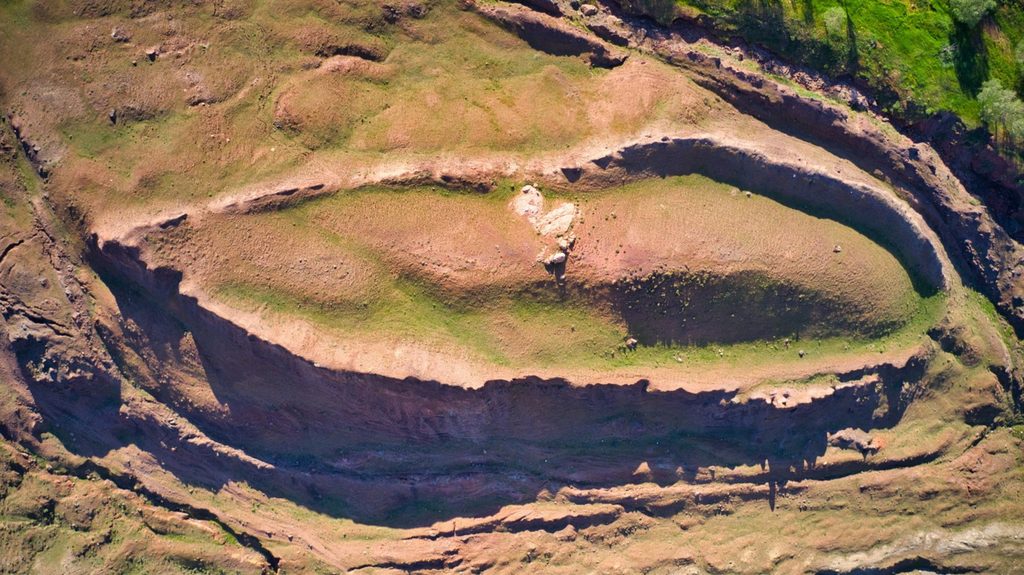
The team has also pointed to a thick underground layer that appears to split into three sections, which some members compare to the Genesis account of Noah building the Ark with three decks.
A Site With a History of Reversals
Durupınar has been investigated before, and not everyone who started out convinced stayed that way. Researcher David Fasold drilled and excavated at the site in the 1990s, initially believing it was the Ark, before concluding after further study, with geologist Ian Plimer, that the formation was a natural upswelling of mud that happened to resemble a boat. Most geologists who have examined the site since have reached similar natural-formation conclusions, attributing its shape to folding, landslides and erosion.
Not Everyone Involved Is a Neutral Scientist
Lauren Witzke, the project’s marketing and fundraising director, has been its most visible public voice during the drilling. A former Delaware U.S. Senate candidate and self-described Christian nationalist, Witzke wrote from the site this week that “Core drilling has begun and the big bang evolutionists are already in damage control mode,” and predicted the findings would force university curricula to be rewritten and “dismantle” Darwinism. She has also described herself as a flat-earther and made other fringe claims in the past, which is worth knowing when weighing her predictions against the more measured statements from the site’s scientists.
Jones himself is upfront that the case isn’t closed. “I firmly believe the Durupınar Formation represents the buried remains of Noah’s Ark,” he has said, while also acknowledging the evidence collected hasn’t definitively identified it as such.
Where This Actually Stands
Nothing gathered so far — the radar anomalies, the carbon levels, the broken drill bit — independently confirms that Durupınar is Noah’s Ark or even that it’s human-made, despite some expedition members’ claims of “100%” confirmation. Lab analysis of this year’s samples is still underway, with key results not expected until 2027.
Frequently Asked Questions
What is the Durupınar Formation? A large, boat-shaped geological formation in eastern Turkey, discovered in 1959 in an aerial photo from a Turkish military mapping survey, and a protected site since 1987.
Has this site been investigated before? Yes, including drilling and excavation in the 1980s and ’90s. At least one earlier lead researcher who once believed it was the Ark later concluded it was a natural formation.
When will we know more? Lab results on this year’s core samples aren’t expected until 2027.
Sources: GlobeNewswire (Noah’s Ark Scans official release); IBTimes UK; Yahoo News; AOL/The Mirror; The Blaze; Karmactive; Wikipedia (David Fasold, Durupınar Formation).
Leave a Reply