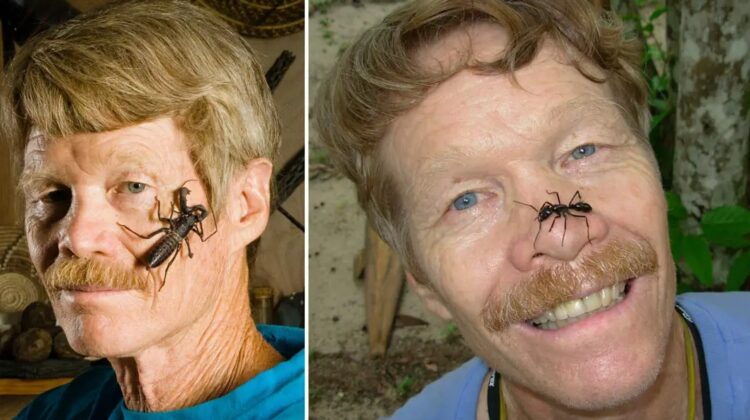
Dr. Justin Schmidt, an esteemed entomologist hailing from Arizona, USA, possesses a profound curiosity about the effects of insect stings. In 1983, driven by this inquisitiveness, he embarked on a quest to delve deeper into the world of insect stings. His journey ultimately led to the creation of the Schmidt Sting Pain Index, a unique and intriguing system designed to quantify the agony inflicted by various insect stingers. This innovative index operates on a scale that ranges from a modest “1” denoting mild pain to a formidable “4” signifying severe anguish.
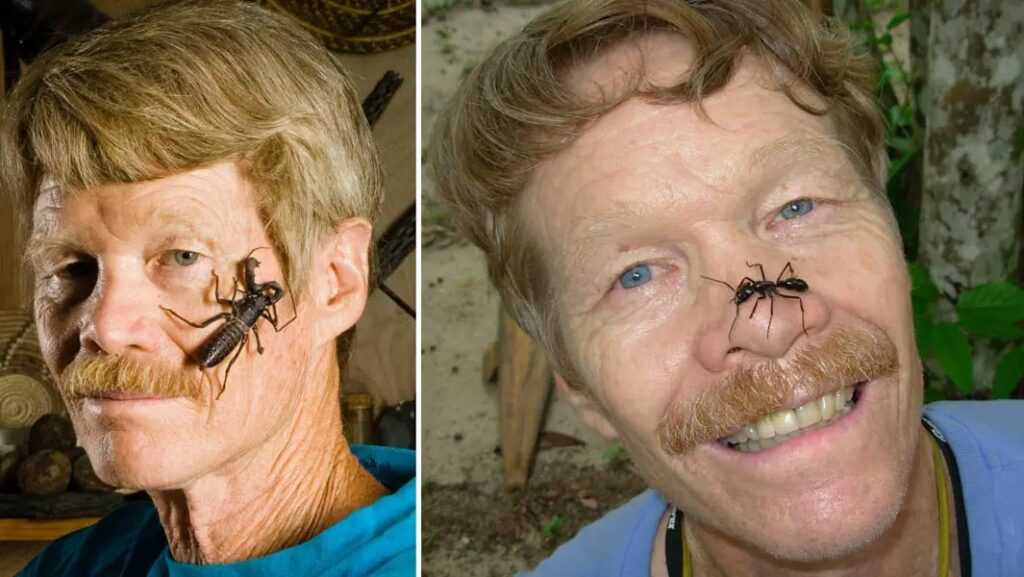
To provide insight into the significance of these numerical ratings, consider that the sting of an average honey bee or wasp is typically rated at a “2”. Nevertheless, the Schmidt Sting Pain Index extends beyond its numerical categorization. Dr. Schmidt complements many of his sting assessments with succinct qualitative summaries, offering vivid descriptions that vividly convey the nature of the pain experienced and its duration. These descriptions, in many ways, encapsulate the essence of the sting’s intensity.
GWR: Why did you develop the index?
Dr. Justin Schmidt: I wanted to find out whether the most painful stings are also the ones that can do the most damage. We could already measure the damage a sting inflicts by a variety of different methods, but we had no meaningful way to measure the pain.
GWR: How does the index work?
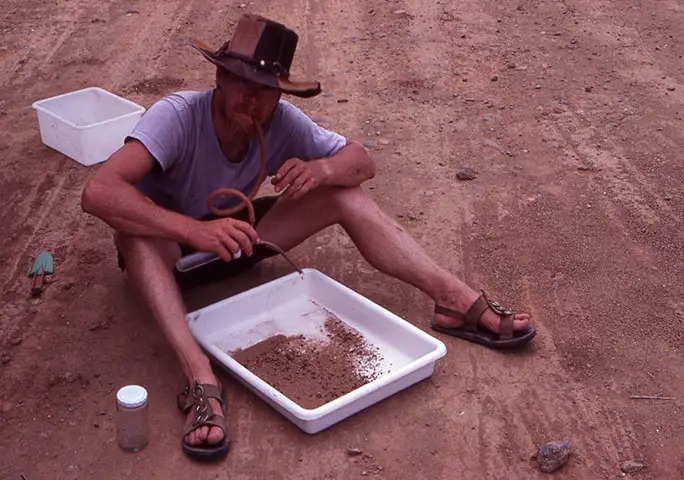
Dr. Justin Schmidt: The index records how much pain an insect sting causes so that we can make scientific comparisons between different species’ stings. I chose the four-point scale because it’s hard to distinguish between levels of pain in finer detail – on a 10-point scale, say.
GWR: Do you go out of your way to get stung, or is it unavoidable?
Dr. Justin Schmidt: I usually get stung in the process of studying a particular insect species. Only very rarely do I have to provoke a sting, and in those cases – when the insect is unwilling to sting – the sting isn’t very painful.
GWR: Has your pain threshold for stings increased over the years?
Dr. Justin Schmidt: No!
GWR: Which sting most surprised you?
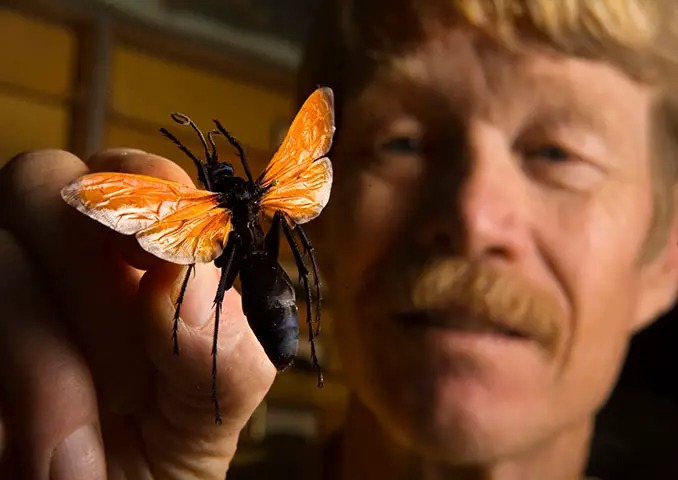
Dr Schmidt holding a tarantula hawk wasp – the Largest wasp species – whose sting is rated as an excruciating 4
Dr. Justin Schmidt: Several surprised me. Most were surprising because they didn’t hurt as much as I expected. Based on reports of other scientists and early explorers, I assumed that the matabele and giant stink ants of Africa, the bulldog ants of Australia, and especially the slender twig ant from Asia would be hugely painful. None of these hurt nearly as much as I’d anticipated. One that hurt more than I expected was an ordinary honey bee – but that was when it flew into my mouth and stung my tongue!
GWR: Do you travel a lot as an entomologist?
Dr. Justin Schmidt: I do. On one of my most memorable trips, I arrived at a caravan camp in Limpopo, South Africa, to discover a great wealth of insects everywhere in the beautiful park grounds. There were huge predacious ground beetles, myriad amazing velvet ants, astonishing giant velvet mites, and even the occasional “big and hairy,” such as a serval [a type of wild cat].
GWR: What’s the best thing about being an entomologist?

Dr. Justin Schmidt: The best thing is that you get to study some really cool creatures and make fascinating discoveries about them. Insects are everywhere and are so important – not only to our physical health and well-being but also to our mental health and enjoyment of the world. One funny thing about being an entomologist is that some people confuse us with etymologists [those who study the origins of words]. I often wonder if etymologists also get confused with us!
GWR: Which of your sting descriptions are you most proud of?
Dr. Justin Schmidt: One of my favorites is the Florida harvester ant, which, though it’s not aggressive and almost has to be forced to sting someone, still achieves a “3” on the index. I describe the pain as: “Bold and unrelenting. Somebody is using a power drill to excavate your ingrown toenail.” The club-horned wasp, on the other hand, which doesn’t even merit a “1,” is: “Disappointing. A paper clip falls on your bare foot.”
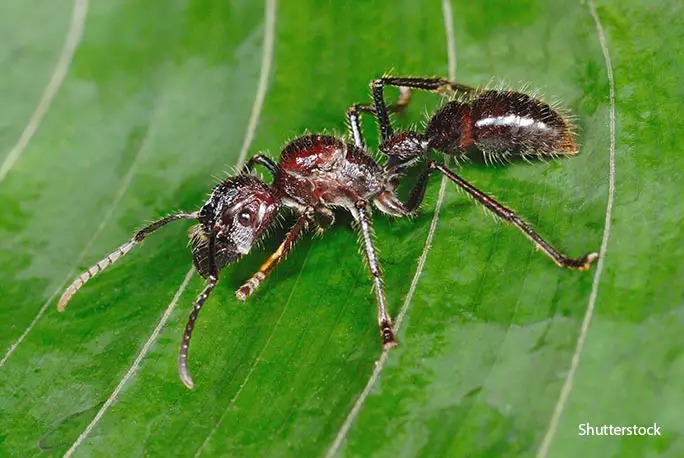
According to the index, the Most painful insect sting of them all is that of the bullet ant of Central and South American rainforests. Dr. Schmidt has given it an unmatched “4+” and describes the sensation of getting stung by one as “like walking over flaming charcoal with a three-inch rusty nail in your heel”!
In the world of entomology, Dr. Justin Schmidt’s Sting Pain Index stands as a unique testament to the extraordinary diversity of insect stings and the myriad sensations they evoke. It’s a fascinating journey into the realm of entomology, where science meets the sensory world of pain.
Leave a Reply