SAN FRANCISCO – A California ecosystem has gotten a big boost from an adorable, fluffy and hungry friend.
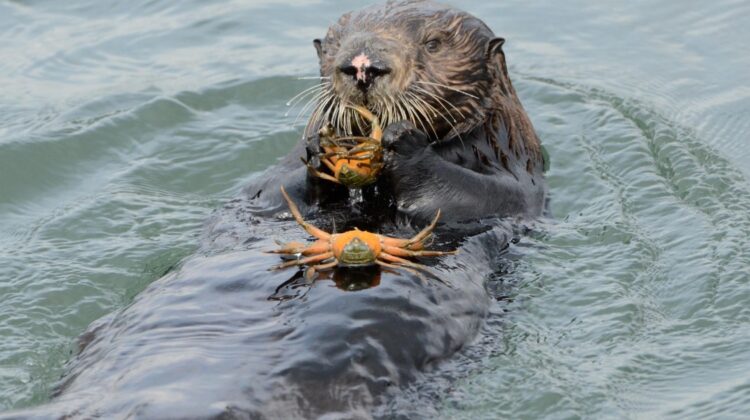
At Elkhorn Slough National Estuarine Research Reserve, a newly-reinvigorated population of native southern sea otters has eaten so many invasive European green crabs that researchers say the otters have locally solved a problem that has plagued the West Coast for years.
States are spending millions to protect their inland waterways from the tiny crabs. Though small – they reach only four inches in width – the invaders harm native wildlife and shoreline ecosystems. At stake are multi-million dollar shellfish industries for Dungeness, king crab, and other species.
But at the reserve, otters have almost wiped the crabs out, helping the estuary’s ecosystem come back into balance.
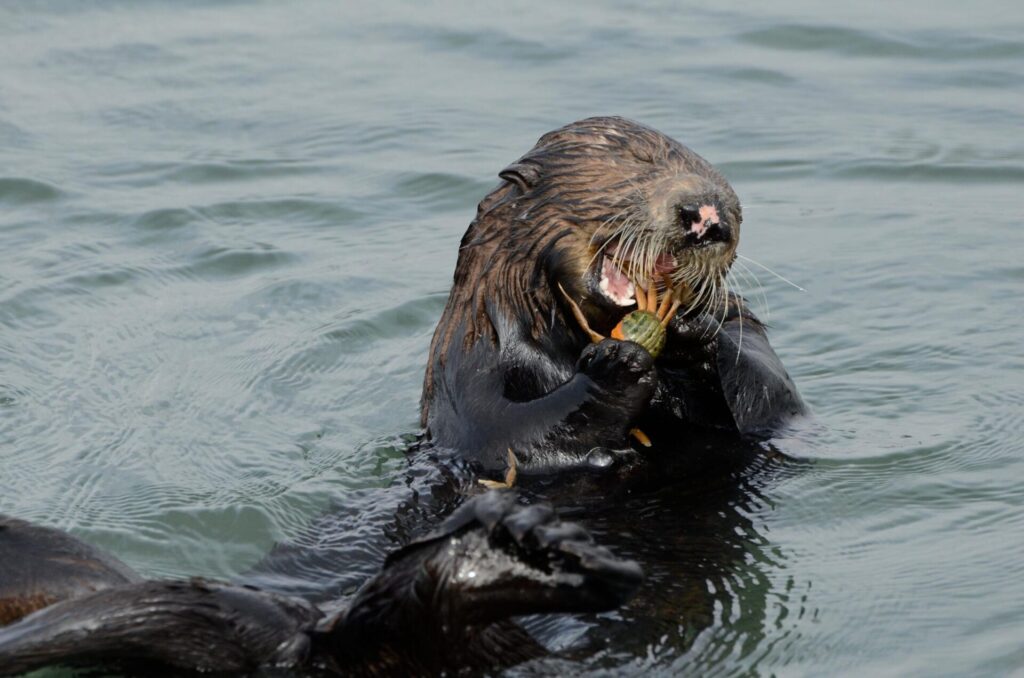
“The otters are a just super voracious predator,” said Kerstin Wasson, research coordinator with the Reserve. “We calculated that the current otter population here eats somewhere between 50,000 and 120,000 green crabs a year.”
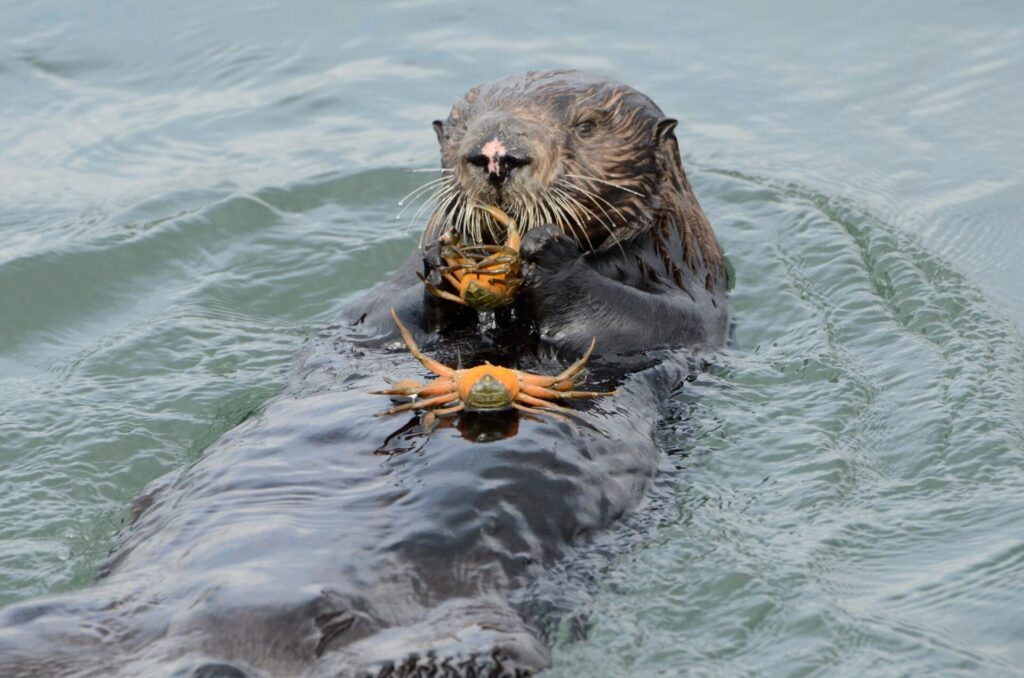
Green crabs are originally from Europe and arrived on the West coast sometime in the 1980s. They are considered one of the most invasive species in the marine environment, destroying seagrass, devouring baby crab and salmon, and basically laying waste to coastal waters from California to Alaska.
Alaska has an early detection and response plan in place. Washington has allocated $12 million to fight the invaders, Oregon encourages crabbers to harvest up to 35 of them a day.
In California, researchers from the University of California, Davis spent years trying to eradicate them from the state’s Stinson Beach’s Seadrift Lagoon, only to have them bounce back with a vengeance.
But researchers in California’s Elkhorn Slough (pronounced “slew”) have been watching the invasion for two decades and they noticed something surprising.
“In 2000, the green crabs were quite abundant,” said Wasson. And then over the past ten years, they started to disappear.
A few things had happened in that time. The water in the seven-mile-long tidal estuary on Monterey Bay got cleaner. Native eelgrass beds were restored. The natural tidal exchange of water and marshes began to be restored.
And the sea otters came back.
Southern sea otters along the West coast were hunted almost to extinction for their thick, soft fur, only gaining protection in 1913 when California declared them a “fully protected mammal.” Even that didn’t stop them from being hunted. Also at danger from oil spills, which robbed them of the ability to stay warm, the number of sea otters is believed to have declined to as few as 50 individuals, down from a high of 300,000.
But by then it was almost too late. Southern sea otters were thought to be extinct until the early 1900s. Then a tiny remnant population was found surviving in Bixby Cove near Big Sur in 1914, site of the now Instagram famous Bixby bridge.
It wasn’t until 1977 that the otters were listed as threatened and named a protected federal species.
From that small group, they’ve begun a slow comeback.
The first male sea otter arrived in the Elkhorn Slough, 35 miles north of Bixby Cove, in the late 1990s. Only in the early 2000s did females arrive, and soon thereafter pups, said Wasson.
The Monterey Bay Aquarium’s sea otter rehabilitation program also released 37 pups into the Slough, helping create a thriving and robust community.
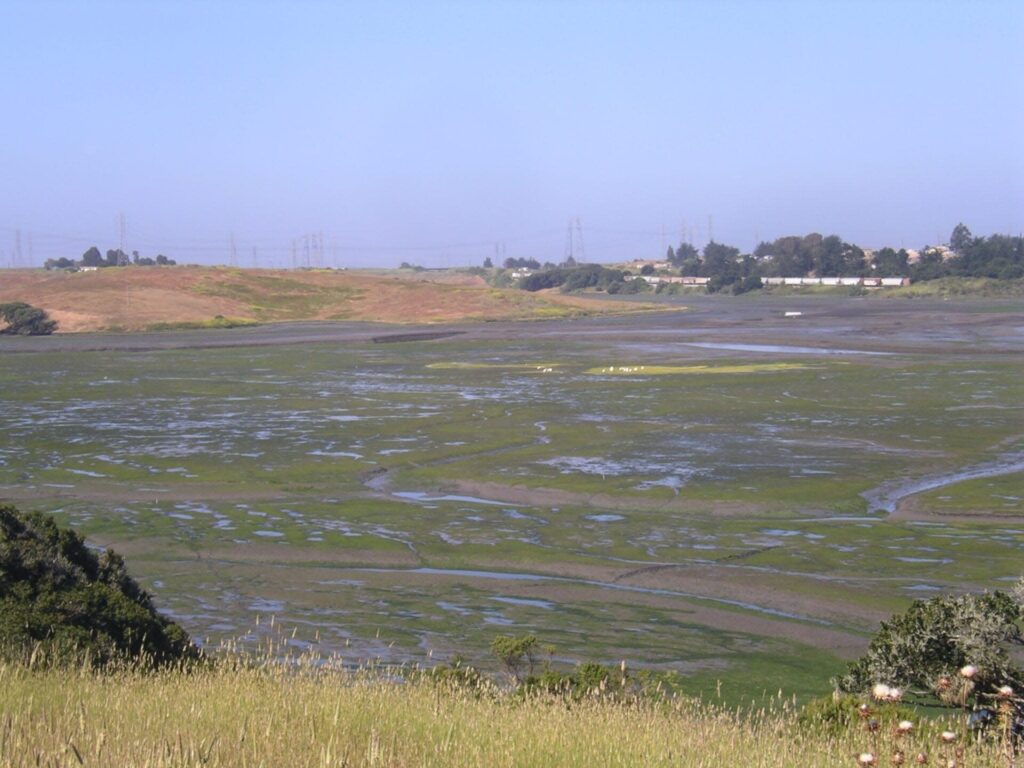
Today, the estuary is home to more than 120 otters and is the only one along the West coast that has been significantly impacted by the return of this important predator.
This article provides a compelling narrative about the positive impact of sea otters on the Elkhorn Slough ecosystem. By effectively controlling the invasive green crab population, these adorable creatures are playing a crucial role in restoring the balance of nature. This success story highlights the importance of wildlife conservation and the interconnectedness of all living things.
Leave a Reply