

If you’re a cat owner, you know the routine. You finally crawl into bed after a long day… and your cat is already there — stretched across your pillow or curled up exactly where you planned to sleep.
They don’t move. You negotiate for space.
It may seem like pure attitude, but feline behavior experts say there’s much more going on. When your cat chooses to sleep next to — or on top of — you, it’s actually a strong sign of trust, comfort, and emotional bonding.
Here’s what it really means.
1. They Feel Completely Safe With You
Cats are naturally cautious animals. Unlike dogs, they don’t automatically seek constant closeness. They carefully choose where they sleep because sleep makes them vulnerable.
If your cat picks your bed, they see you as a secure anchor in their world.
2. You’re Part of Their Territory
Cats are territorial by nature. According to insights from the American Society for the Prevention of Cruelty to Animals (ASPCA), scent and shared spaces play a big role in how cats mark what feels “theirs.”
Sleeping near you blends your scents together, reinforcing that you belong in their safe zone.
3. Your Warmth Is Irresistible
Cats love heat. Their normal body temperature runs higher than humans’, and they instinctively seek warm spots.
Your body provides a steady source of warmth — making your pillow or chest prime real estate.
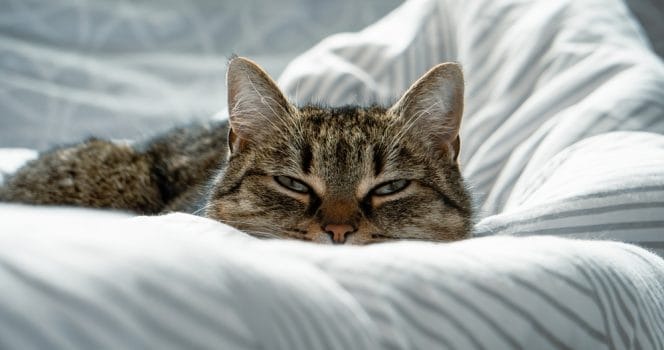
4. It’s the Most Comfortable Spot in the House
Soft mattress. Fluffy pillows. Thick blankets.
From a cat’s perspective, your bed is luxury living. They’re not just choosing you — they’re choosing peak comfort.
5. Your Scent Calms Them
Cats rely heavily on scent for reassurance. Your smell on the sheets signals familiarity and safety, helping them relax more deeply.
This is especially important in multi-pet households or homes with frequent visitors.
6. It’s a Quiet Sign of Affection
Cats don’t always show love loudly. They don’t need dramatic gestures.
Sleeping beside you is one of the most intimate ways a cat expresses attachment. It’s their version of saying, “I trust you completely.”
7. Instinct Still Guides Them
Even domestic cats retain survival instincts. In the wild, cats choose sleeping spots that:
- Feel secure
- Allow quick escape if needed
- Offer warmth
- Keep trusted companions nearby
You check all those boxes.
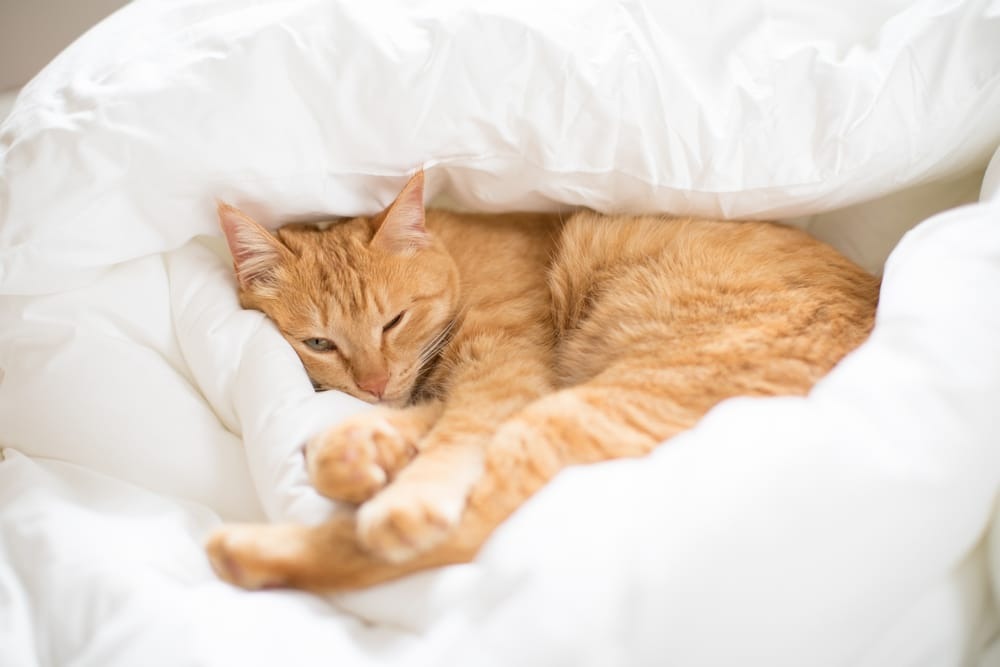
8. They Actually Enjoy Your Company
Despite their independent reputation, cats form strong bonds with humans. Research suggests many cats experience secure attachment patterns similar to infants bonding with caregivers.
Snuggling near you provides a sense of belonging.
9. They May Sense Your Mood
Cats can pick up on subtle emotional cues. If you’re stressed, anxious, or feeling low, your cat may lie beside you more often.
Their steady presence and rhythmic purring can even promote relaxation — a phenomenon supported by animal-assisted therapy research.
10. Sometimes… They Just Like You
Not everything needs a complex explanation.
Sometimes your cat steals your spot because you’re their favorite being in the house — and that’s where they want to be.
The Real Meaning Behind “Spot Stealing”
When your cat claims your pillow, they aren’t being bossy.
They’re showing:
- Trust
- Comfort
- Emotional security
- Affection
- Territorial bonding
So the next time you find yourself squeezed into the corner of your own bed, take it as a compliment.
You’re not losing space.
You’re gaining proof that your cat feels completely safe and connected to you.
Understanding feline sleep behavior can improve pet wellness, veterinary care decisions, pet insurance planning, and responsible pet ownership. As more households invest in premium cat beds, calming pet products, and health-focused pet care services, recognizing subtle bonding signals helps strengthen the human-animal connection while supporting long-term pet health and comfort.
Leave a Reply