
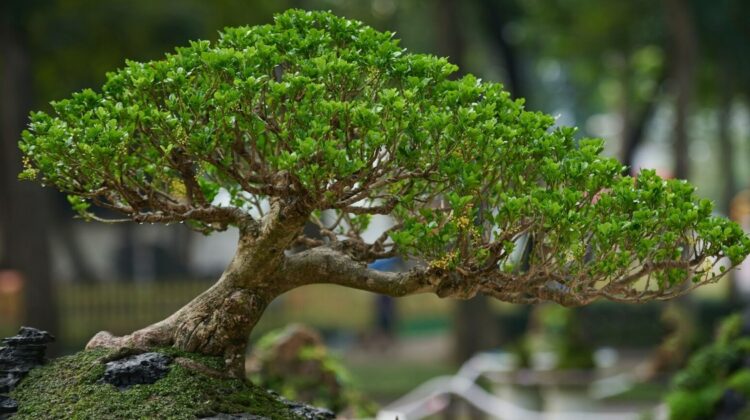
In 2019, a rare Shimpaku juniper bonsai, estimated to be nearly 400 years old, was stolen from the private garden of Seiji Iimura, a fifth-generation bonsai master living in Saitama, Japan. The loss drew attention not only because of the tree’s age and monetary value, but because of its deep cultural and personal significance.
The bonsai had been carefully maintained across generations, shaped by decades of expertise and patience. For the Iimura family, it represented far more than a plant — it was a living legacy, carrying centuries of history, skill, and tradition.
A Remarkable Response to Loss
Following the theft, Seiji Iimura and his wife made a public appeal that surprised many. Rather than expressing anger or focusing on punishment, they shared detailed care instructions for the stolen bonsai. The message emphasized that the tree required constant, precise attention to survive outside its original environment.
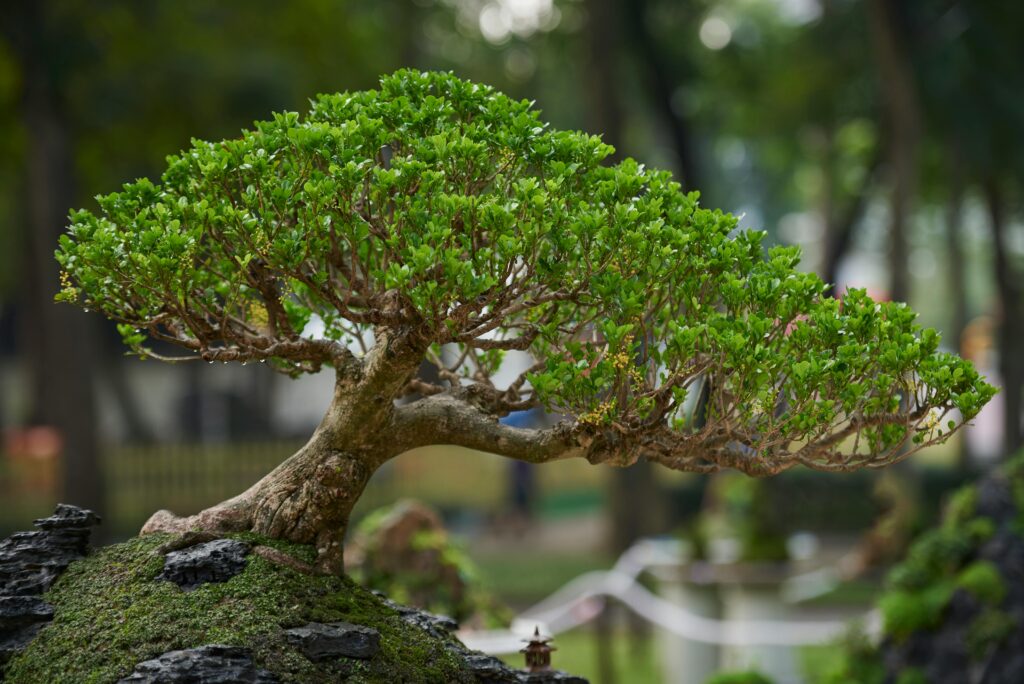
They explained that improper care could quickly lead to the tree’s decline, stressing the importance of correct watering, sunlight exposure, and handling. Their primary concern was not recovery of property, but the preservation of the bonsai itself.
“Like a Child to Us”
In their appeal, the couple described the bonsai as being “like a child” to them — a living being shaped and protected through generations of care. By offering guidance to the thief, they hoped the tree would remain alive and respected, even if it never returned home.
The response resonated widely, highlighting a philosophy deeply rooted in Japanese bonsai culture: that stewardship and responsibility toward living things transcend ownership.
More Than a Theft Story
The incident drew international attention not simply as a crime, but as a powerful example of how cultural heritage, craftsmanship, and emotional restraint can shape human reactions. It underscored the idea that some losses are measured not in financial terms, but in time, tradition, and care passed down over centuries.
Why Bonsai Trees Hold Cultural and Historical Value
Ancient bonsai trees are often considered living artworks, representing decades or even centuries of human dedication. Their value lies not only in rarity, but in the accumulated knowledge, discipline, and cultural continuity required to sustain them — making their preservation a matter of heritage as much as horticulture.
Leave a Reply