
Some moments manage to carry two emotions at once: deep joy and quiet sorrow. Joy for a life saved, and sorrow for the countless others who never get that chance.
This is one of those moments.
Animal welfare organization Freedom Farm Sanctuary has witnessed many powerful rescues over the years, but few moments have resonated as deeply as the reunion between two young lambs and their mother — a reminder that farm animals form bonds just as real and profound as those of any other species.
Rescued Just in Time
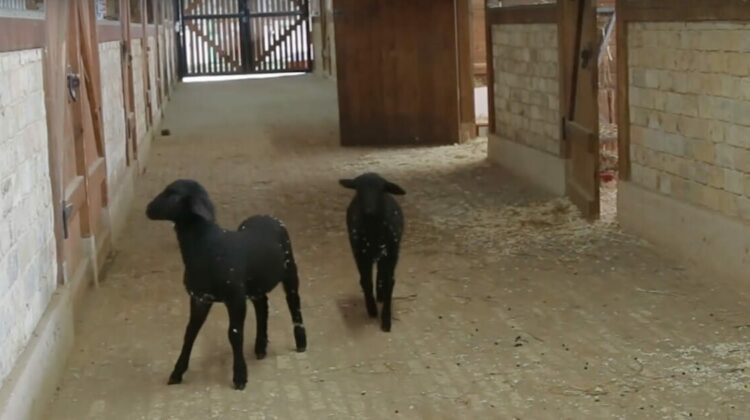
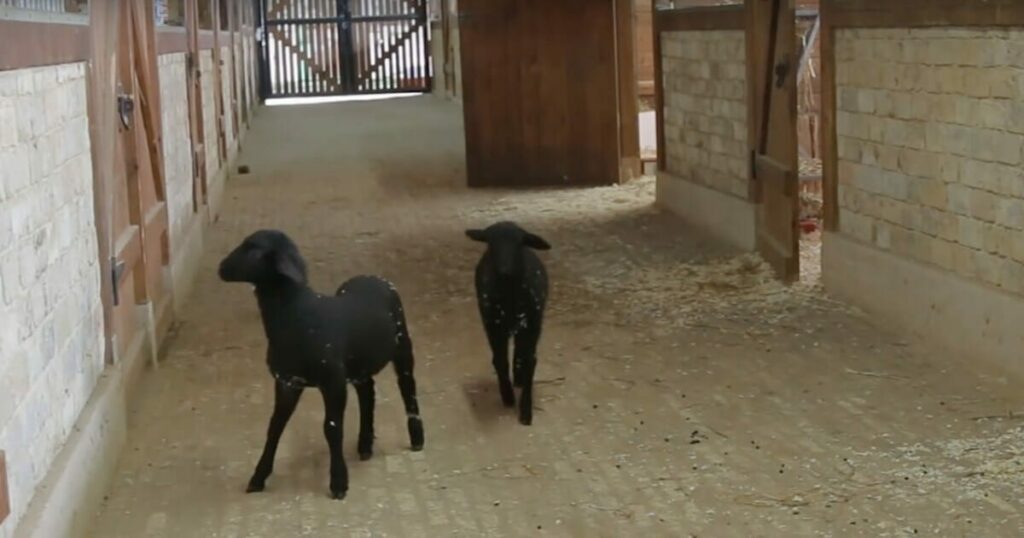
The story began when two lambs, only six weeks old, arrived at Freedom Farm Sanctuary after being rescued from a crowded commercial farm. The lambs were scheduled for slaughter, part of a system where animals are separated, transported, and processed with little regard for emotional distress.
Upon arrival at the sanctuary, caretakers noticed something troubling. The lambs were frightened — which was expected — but they also refused to eat or drink, a serious red flag in animals so young.
Experienced caregivers know that lambs rely heavily on their mothers not just for nourishment, but for emotional security. The absence of that bond can trigger extreme stress responses, including withdrawal and refusal to feed.
A Heartbreaking Discovery
As staff investigated further, they uncovered the painful truth:
The lambs’ mother was still alive — left behind on the same farm, just days away from slaughter.
For many rescue organizations, this is where the story usually ends. Limited resources and legal constraints often make returning to rescue additional animals impossible.
But Freedom Farm Sanctuary refused to walk away.
Taking Action — and a Risk
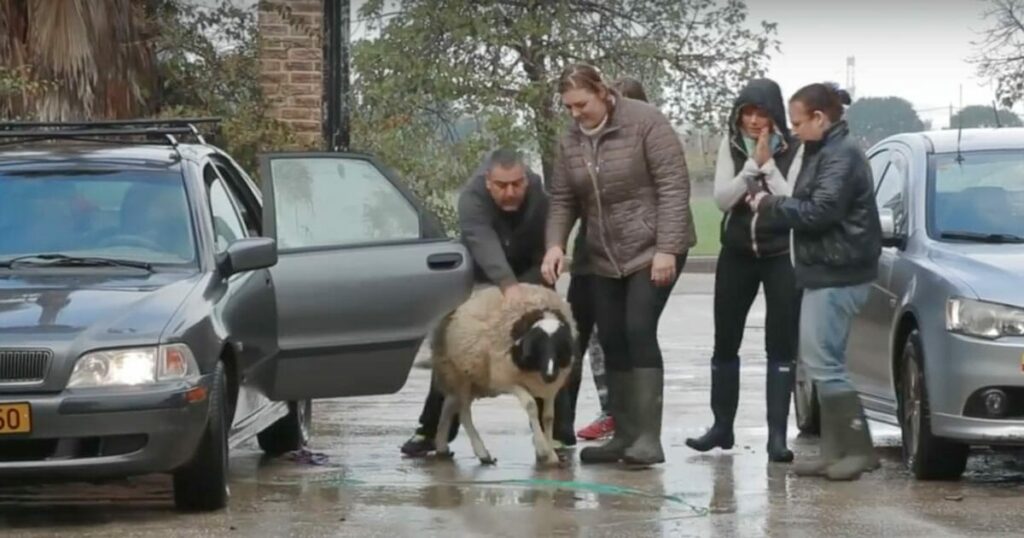
The team immediately returned to the farm and intervened to rescue the lambs’ mother before it was too late. Time was critical. In industrial farming systems, animals can be transported or killed with little notice.
Against the odds, they succeeded.
When the mother arrived at the sanctuary, the lambs were resting inside the barn. What happened next required no words.
The Reunion
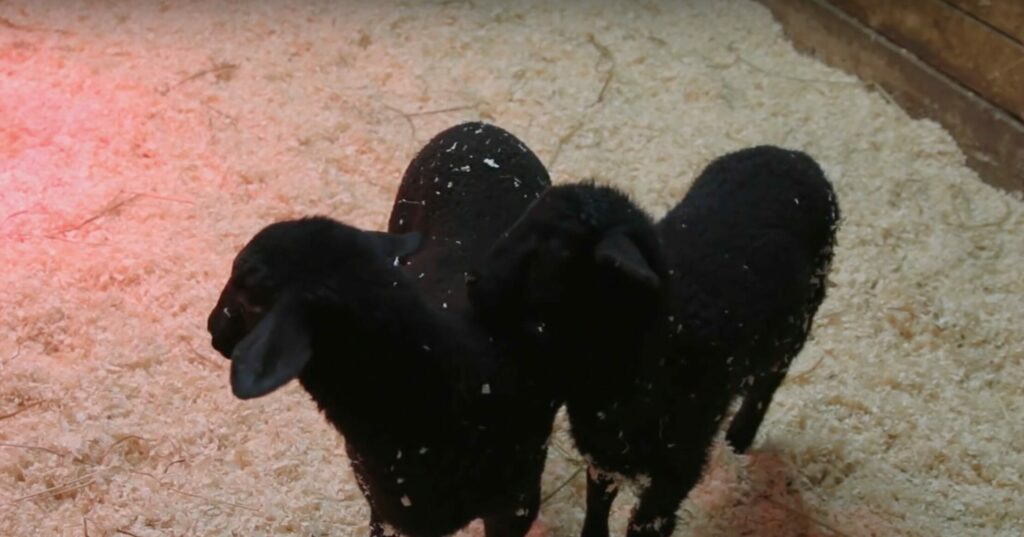
The lambs suddenly heard a familiar sound — their mother’s voice.
Their ears perked up instantly. They lifted their heads, alert and focused, scanning the space around them. Within moments, recognition set in.
When the family was reunited, the fear that had gripped the lambs since their rescue melted away. They rushed toward their mother, responding to her calls with unmistakable excitement.
For caretakers watching, it was impossible not to feel the weight of the moment.
What Science Tells Us About Animal Bonds
Research in animal behavior and neuroscience has repeatedly shown that sheep form strong social and maternal bonds. Lambs can recognize their mother’s voice within days of birth, and mothers can identify their offspring among dozens of others.
Separation causes measurable stress responses:
- Elevated cortisol levels
- Loss of appetite
- Withdrawal and depression-like behavior
Reunification, on the other hand, often leads to rapid recovery — exactly what caretakers observed after this rescue.
More Than a Feel-Good Story
This reunion is heartwarming, but it also raises difficult questions.
Millions of animals are separated from their families every year as part of industrial farming systems. These separations are not incidental — they are built into the process.
Stories like this don’t just show compassion; they challenge long-held assumptions about farm animals being emotionally simple or unaware.
They aren’t.
They remember.
They grieve.
They recognize.
They love.
A Moment That Stays With You
Videos of this reunion continue to circulate because they tap into something universal: the relief of finding home again.
It’s not hard to see why this day still warms hearts around the world. Not because it’s rare — but because it reveals what is usually hidden.
This wasn’t just a rescue.
It was a family brought back together.
And that matters.
Leave a Reply