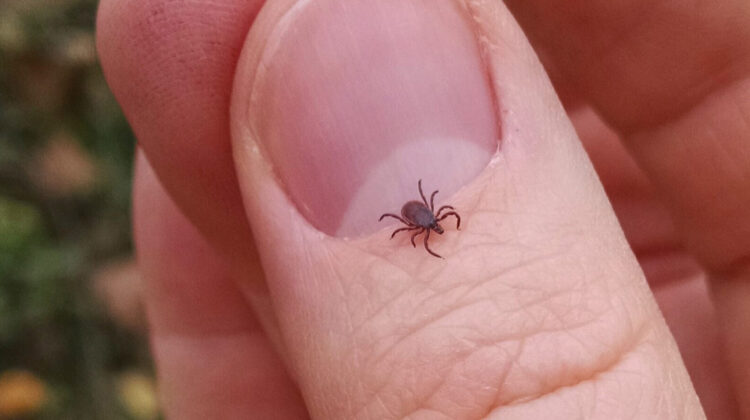
Hiking and camping fanatics know all too well the risks of a tick bite. Ticks are tiny but carry mighty illnesses, including Lyme disease. They thrive in heavily wooded areas across the U.S., and although there’s greater risk in the Northeast, the Midwest, and the Mid-Atlantic regions, cases of tick-borne diseases are reported in every state in the nation.
In 2022, the number of people diagnosed with Lyme disease in the U.S. increased to 62,551, according to the U.S. Centers for Disease Control and Prevention (CDC). In the previous decade, infections averaged about 33,000 a year.
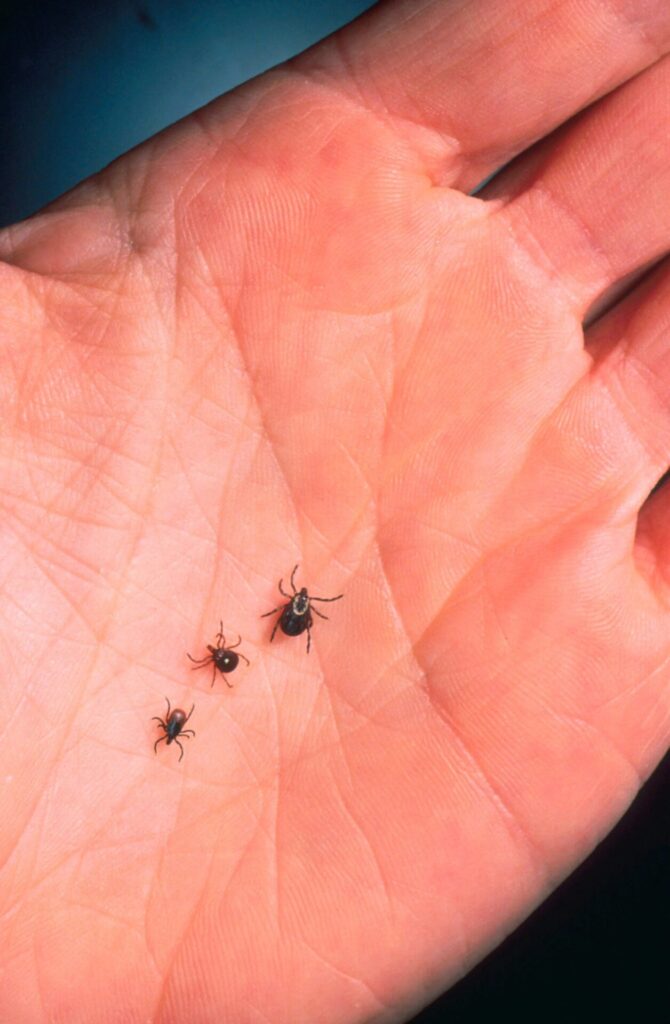
Lyme disease is the most common disease transmitted through tick bites, according to the CDC. Here is what you need to know about the most prevalent tick-borne illness:
States with Higher Rates of Lyme Disease Infection
Although Lyme disease infections were close to 63,000 in 2022, the CDC estimates that the number of people who have contracted the often hard-to-diagnose illness could be as much as ten times higher than reported cases.
Some states see a much higher number of infections than others. The following states have the highest infection rates of Lyme:
Rhode Island, Vermont, and Maine had the highest rates of reported Lyme disease in 2022. Rhode Island had 212 cases per 100,000 people, Vermont reported 204 cases per 100,000 residents, and Maine reported 194.7 cases per 100,000.
The Impact of Climate Change on Tick Populations
With climate change raising temperatures, tick populations have expanded into new regions, putting more people in contact with ticks and their illness-causing bacteria. Annual cases are expected to continue to climb.
“Deer ticks are mostly active when temperatures are above 45 degrees Fahrenheit, and they thrive in areas with at least 85% humidity,” according to the U.S. Environmental Protection Agency. “Thus, warming temperatures associated with climate change are projected to increase the range of suitable tick habitat.”
Counties Most Affected by Lyme Disease
Seven of the ten counties most affected by Lyme disease were all located in Pennsylvania between 2016 and 2019. During that same time period, Pennsylvania was home to nearly 30% of all reported Lyme disease cases, followed by New Jersey with 12% of all cases, according to USAFacts, a nonprofit that provides analysis on U.S. government data.
Spotting a Lyme Disease-Carrying Tick
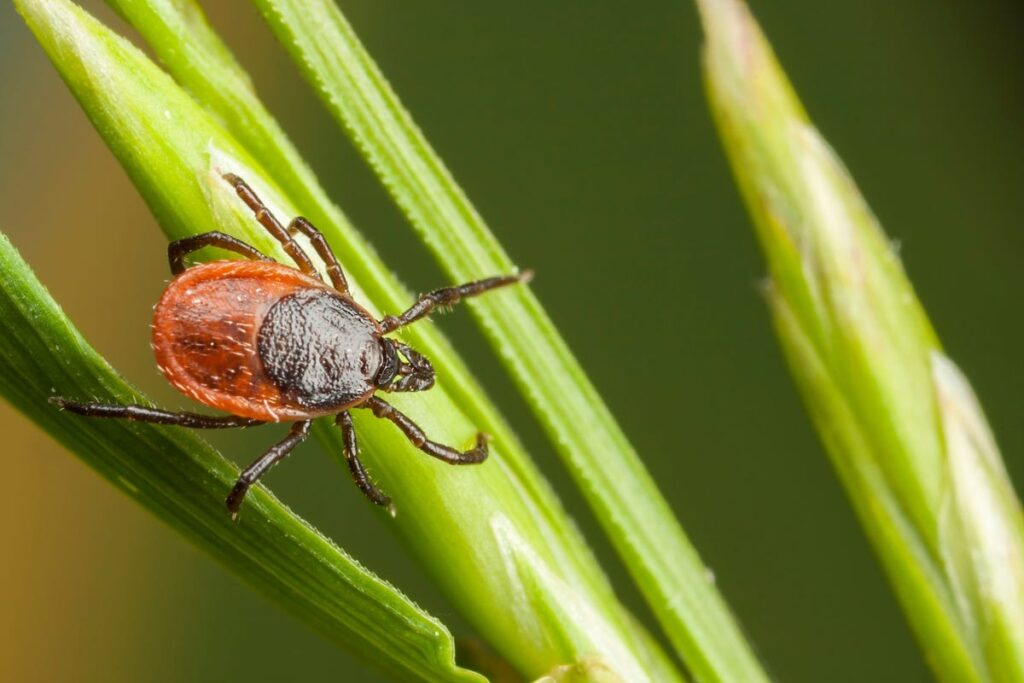
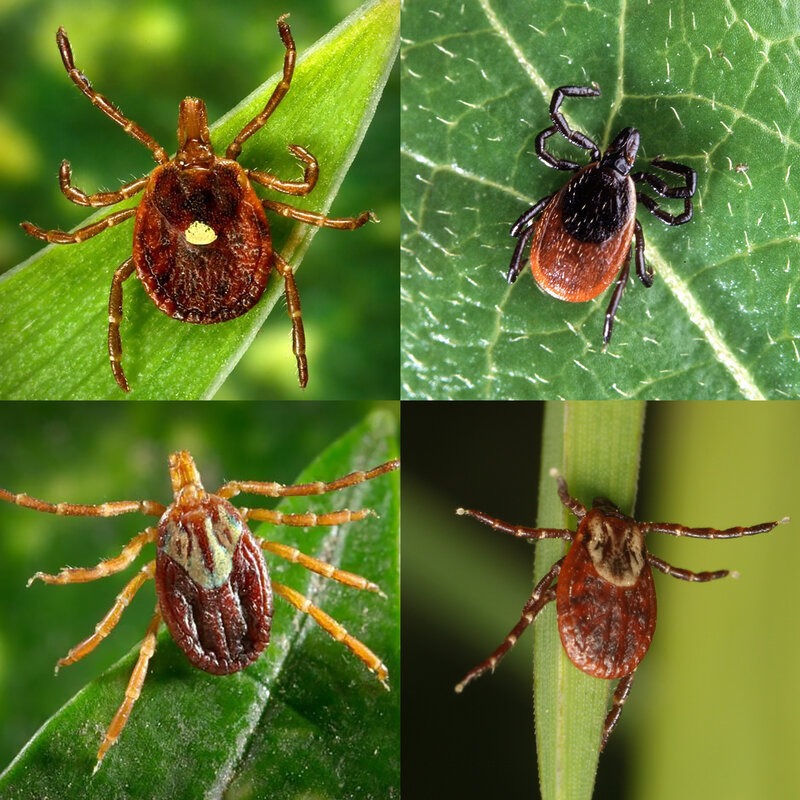
The blacklegged tick and Western blacklegged tick can spread Lyme disease, which can lead to a wide range of health problems. In high-risk areas, an estimated 10% to 50% of blacklegged ticks carry the bacteria that causes Lyme.
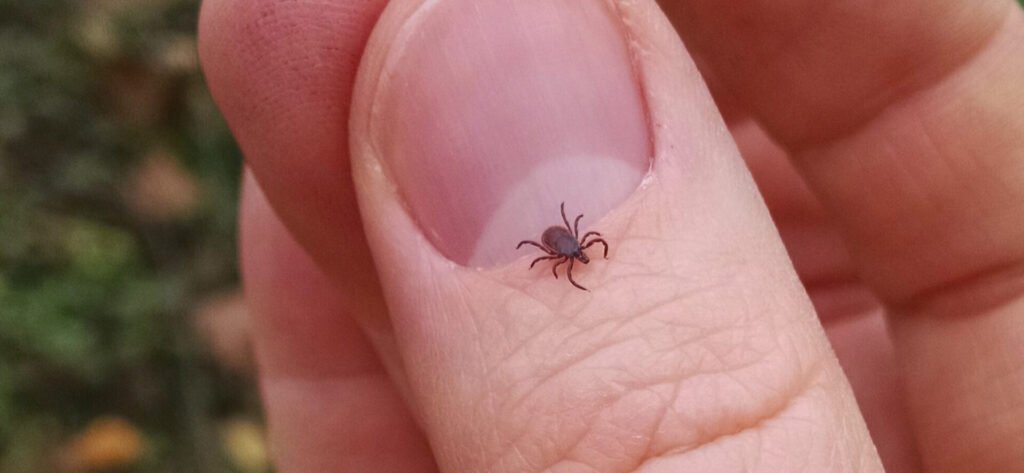
High-risk areas include:
- Eastern states, primarily New England and the mid-Atlantic.
- The Great Lakes Region and northern Midwestern states, especially Wisconsin and Minnesota.
- West Coast, particularly parts of northern California and less commonly, Oregon and Washington.
Symptoms and Long-Term Effects of Lyme Disease
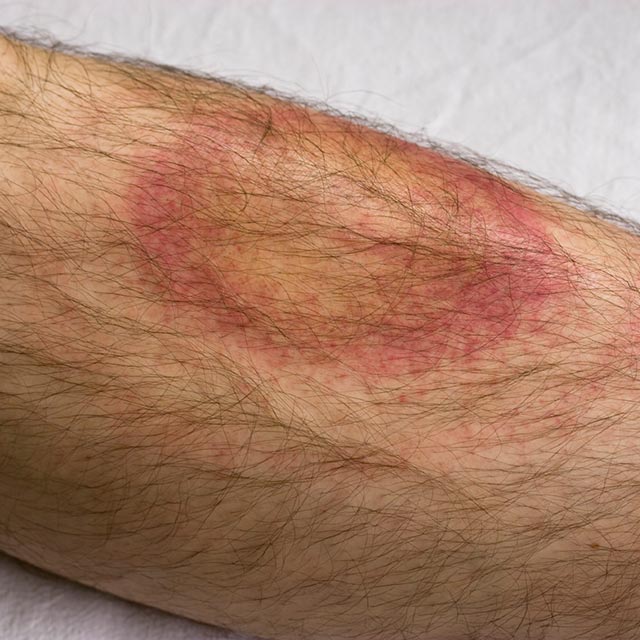
Hallmark symptoms of Lyme disease in the acute stage include a “bullseye” rash (erythema migrans), fever, chills, fatigue, and muscle and joint aches. Without treatment, Lyme disease can progress to include neurological, heart, and joint problems.
Preventing Tick Bites
The CDC and other public health experts recommend the following to keep you and your family safe from ticks:
- Treat clothing and gear with products that contain 0.5% permethrin or buy pre-treated items.
- Consider long pants and high socks instead of shorts.
- Avoid high grass and leaf litter. On hikes, walk in the center of trails.
- Inspect clothing and gear periodically for the presence of ticks.
For information on how to properly remove a tick if it’s attached to the skin, visit CDC’s guide.
Leave a Reply