
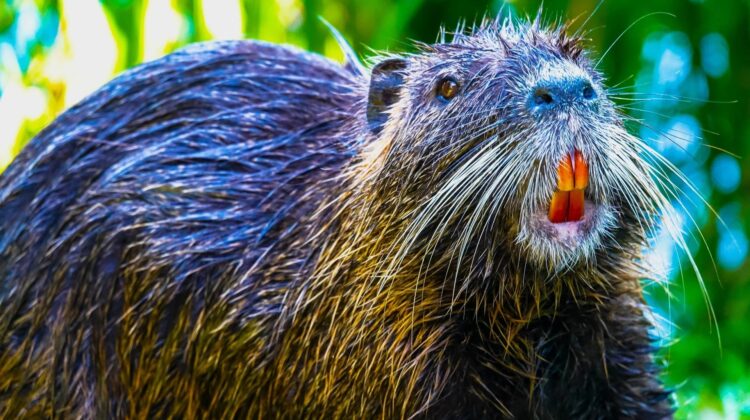
Over the past few decades, an unexpected invader has quietly been spreading across the United States: the nutria. These large, orange-toothed rodents are causing ecological havoc, prompting urgent action from wildlife experts and local authorities.
What Are Nutria?
Native to South America, nutria—also known as coypu, swamp beaver, or coypu rat—were brought to the U.S. in 1889 for their valuable fur. While they may look harmless from a distance, nutria are surprisingly heavy, usually weighing 11–22 pounds, and can consume up to a quarter of their body weight in a single day.
Female nutria reproduce rapidly, capable of giving birth to hundreds of pups over a short lifespan, which usually lasts under three years in the wild, although some can live longer. With few natural predators in the U.S., their population can explode if left unchecked.
Why Nutria Are a Threat
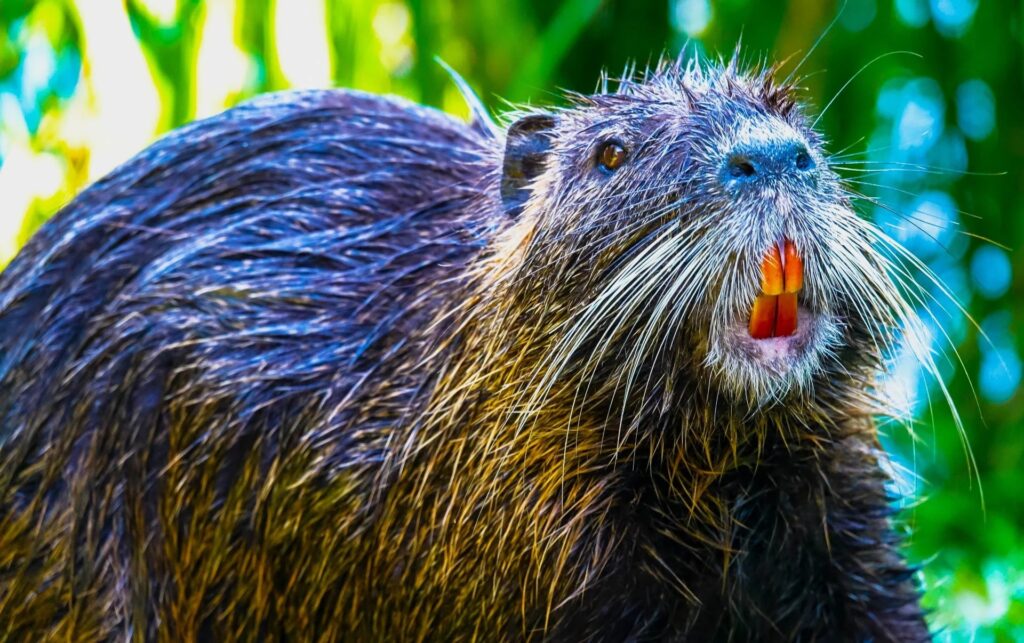
Nutria are semi-aquatic rodents that thrive in marshes, swamps, and bayous. Their voracious appetite and rapid reproduction can devastate local ecosystems by stripping wetlands of vegetation.
Wetlands are critical for several reasons:
- Water purification: Plants in wetlands filter pollutants and improve water quality.
- Flood protection: Wetlands act as natural buffers during storms and extreme weather events.
- Erosion control: Vegetation stabilizes soil, preventing coastal erosion.
- Wildlife habitat: Wetlands provide food and shelter for countless species.
By destroying plants, nutria compromise all these essential functions, putting humans, wildlife, and property at risk.
Efforts to Control Nutria Populations
Some states have taken drastic measures to combat the spread of nutria:
- Maryland’s success story: Over 20 years, the state captured 14,000 nutria across hundreds of thousands of acres, spending $30 million to become officially nutria-free. Techniques included grid searches and radio-tagging to locate remaining rodents.
- California initiatives: Inspired by Maryland, California is implementing similar strategies, with lawmakers emphasizing the urgency of controlling this invasive species. Representative Josh Harder even brought a taxidermied nutria to a congressional hearing to highlight the problem.
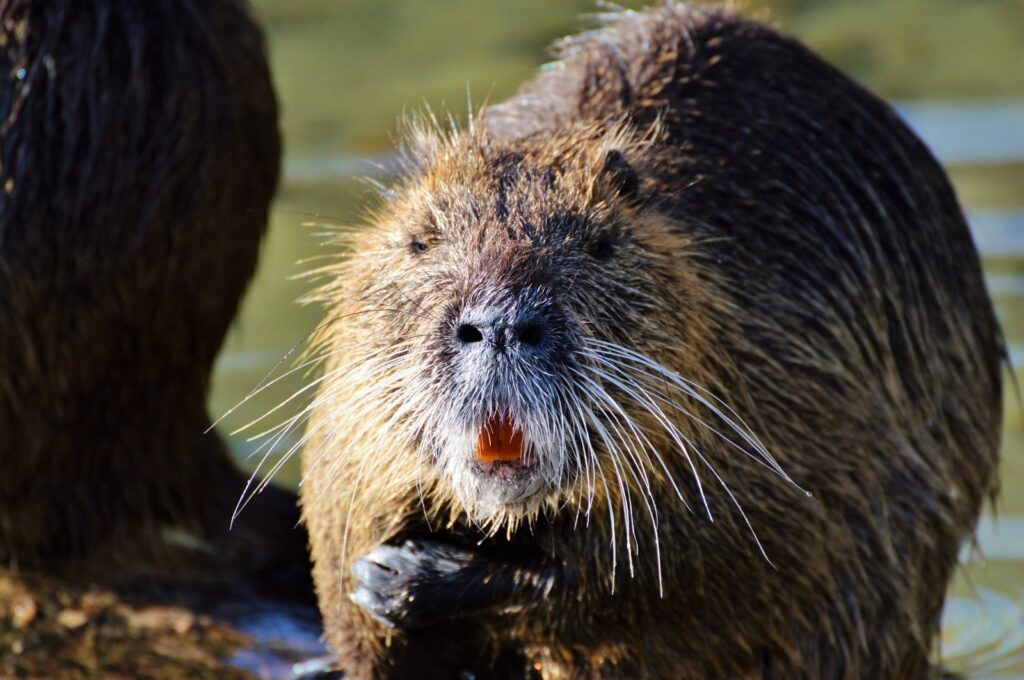
- Louisiana’s bounty program: Offering $6 per nutria, Louisiana encourages residents to hunt them. Some locals even incorporate nutria into their cuisine, likening the meat to wild rabbit.
Innovative approaches like these, including consumption of invasive species, have been adopted in other contexts as well, such as with lionfish and bullfrogs.
What You Can Do
Awareness and action at the community level can help protect local wetlands:
- Avoid introducing non-native species into waterways.
- Support wildlife management programs aimed at controlling invasive populations.
- Stay informed about local nutria sightings and report them to authorities.
Controlling nutria is not just about protecting the environment—it’s about safeguarding communities, preserving water quality, and maintaining biodiversity for future generations.
Leave a Reply