
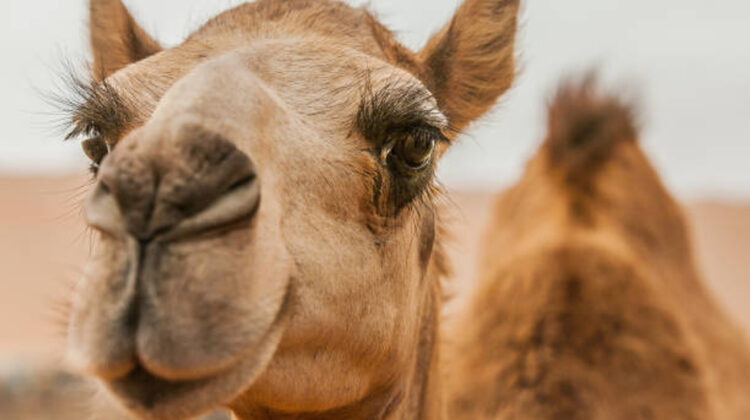
A shocking and tragic incident in India has reignited global debate around animal neglect and human responsibility. A camel, left tied for hours under extreme heat without water or shade, reportedly turned on its owner—resulting in a fatal outcome that stunned an entire village.
In 2016, temperatures in the desert region of Barmer, India, soared to unbearable levels, exceeding 109°F and in some reports reaching well above 120°F. While people struggled to find relief, one camel was left helpless—its legs bound, exposed to the scorching sun, and deprived of basic needs.
For the animal, there was no escape.
A Disaster Waiting to Happen
According to local reports, the camel’s owner, identified as Urjaram, had left the animal tethered outside while entertaining guests indoors. Hours passed. The heat intensified. The camel became visibly distressed—pacing, growling, and showing clear signs of extreme agitation.
Witnesses later said the warning signs were impossible to ignore.
When Urjaram finally remembered the camel and stepped outside to untie it, the situation escalated instantly.
When Neglect Turns Deadly
Eyewitnesses described a horrifying scene. The camel suddenly lunged at its owner, grabbed him by the neck, and slammed him to the ground.
“The animal lifted him by the neck, threw him down, chewed the body, and severed the head,” a local resident told reporters. The attack continued even after the man was motionless, leaving villagers in shock and fear.
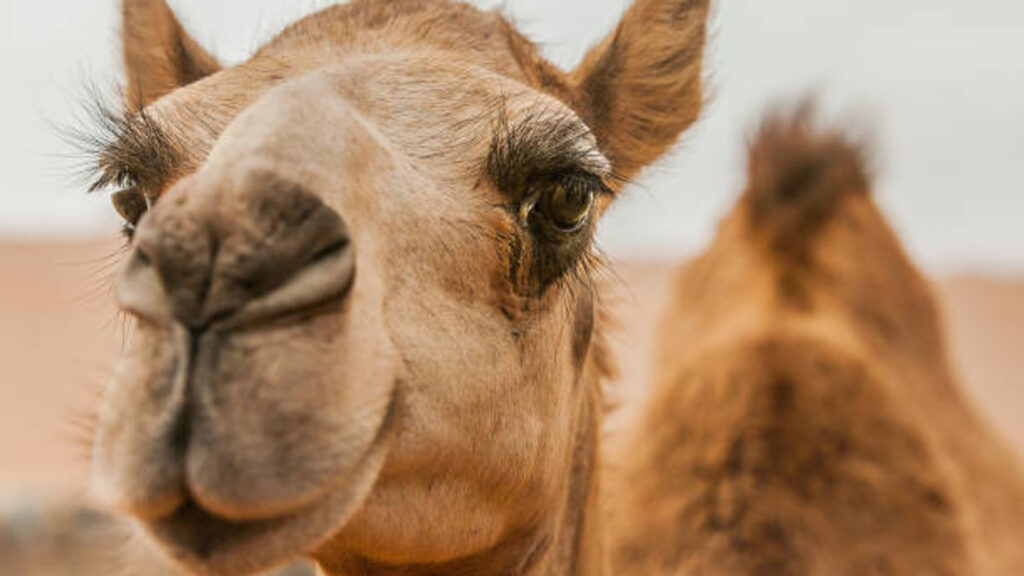
The camel could not be calmed. Nearly 25 villagers worked for six hours, using ropes and even a truck, to finally restrain the enraged animal.
Disturbingly, locals revealed this was not the first conflict between the owner and the camel. According to them, tension had been building for a long time—suggesting a pattern of mistreatment that finally exploded.
Gentle Giants with a Breaking Point
Camels are often viewed as calm, loyal animals—symbols of endurance in harsh desert climates. But experts warn that even the most docile animals can become dangerously unpredictable when abused, neglected, or pushed beyond physical limits.
Animal behavior specialists stress that camels do not attack without cause. Extreme heat, dehydration, restraint, and stress can trigger powerful survival responses.
Crushing Strength Few Understand
Despite their relaxed appearance, camels are immensely strong animals. Adult camels can weigh up to 2,200 pounds and possess powerful jaws and legs capable of kicking in multiple directions.
A camel expert explained:
“A full-grown camel can fit your head, arm, or torso in its mouth. They have the strength to crush limbs and necks, often combining biting, kicking, and kneeling to overpower.”
When provoked, their size and power become lethal.
Similar Attacks Around the World
Although rare, camel attacks have been recorded globally—often linked to abuse or provocation.
- In 2023, a Bactrian camel in Siberia trampled its owner to death after being struck in the face.
- In 2022, two men attempting to capture an escaped camel from a petting zoo were killed.
- In Mexico, a sanctuary owner died after being kicked, bitten, and crushed under the camel’s weight.
Each case shares a common theme: human mistreatment followed by animal retaliation.

Animal Neglect, Legal Liability, and Ethical Responsibility
Cases like this raise serious concerns about animal cruelty laws, livestock welfare regulations, and legal responsibility. In many regions, neglecting animals—especially in extreme weather—can result in criminal charges, civil liability, and severe penalties.
Experts emphasize that preventing such tragedies requires:
- Stronger enforcement of animal welfare laws
- Education on livestock care in extreme climates
- Legal accountability for neglect and abuse
Animal neglect is not only a moral failure—it is a public safety risk.
Final Thought
This tragic incident is a stark reminder that animals are not machines. They feel pain, stress, and fear. When pushed beyond endurance, even the gentlest creatures can reach a breaking point.
Treat animals with respect, care, and compassion—and tragedy can be avoided.
Leave a Reply