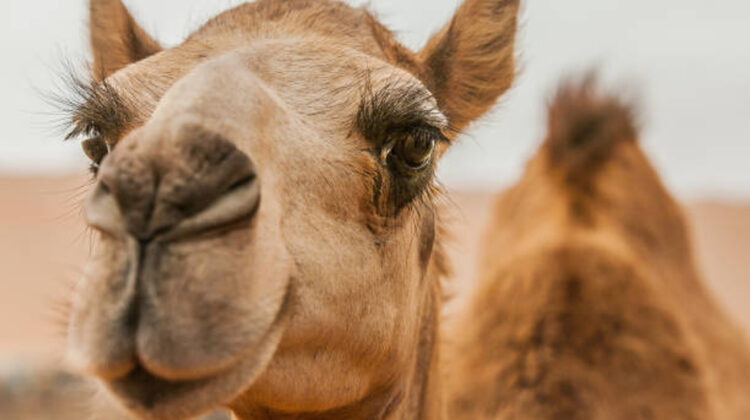
Camels are famous for their calm temperament and their ability to endure the desert. A case from Rajasthan, India, shows what can happen when even a desert animal is pushed past its limits.
What Happened in Barmer
In Barmer district, in India’s Rajasthan state, a man named Urjaram was reportedly entertaining guests at home when he suddenly remembered his camel. According to reports first carried by the Times of India, the animal had been left tied up outside for hours in the blazing sun, with no water and no shade. Some accounts put the heat at around 51°C (about 124°F).
Villagers said the camel was already visibly distressed. When Urjaram went to untie it, the animal attacked him and he did not survive.
A Six-Hour Struggle
The camel stayed agitated afterward. Reports say about 25 villagers worked for nearly six hours, using ropes and a truck, before they could bring it under control and keep it away from the scene. Some neighbors also said the camel had shown aggression toward its owner on earlier occasions, suggesting the tension between them was not new.
Gentle Giants With Limits
Camels are generally regarded as docile, hardy animals, and they are not statistically prone to attacking people. That is why such incidents attract so much attention. It does not mean they are harmless. A camel is a very large, powerful animal, and one that is frightened, hurt or stressed can be dangerous to anyone who gets close.
Similar cases, though rare, have been reported elsewhere. In 2023, a Bactrian camel in Siberia reportedly turned on its owner after he struck it in the face. In March 2022, a camel that had escaped from a petting zoo killed two men who were trying to catch it. Another case involved the owner of a wildlife park in Mexico.
Caring for Animals in Extreme Heat
The common thread is simple: animals that are neglected, restrained or mistreated can react unpredictably. Basic care goes a long way:
- Water. Provide clean drinking water at all times, especially in hot weather.
- Shade. Make sure tethered or penned animals can always reach shelter.
- Regular checks. Look in on animals several times a day during heat waves.
- Calm handling. Learn the warning signs of stress, such as pacing, vocalizing and agitation, and give distressed animals space.
Protecting Your Animals, and Yourself
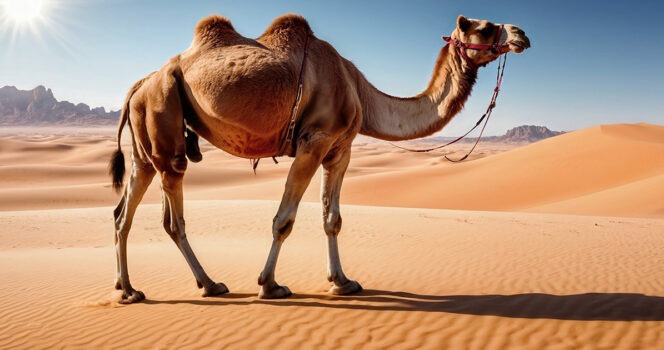
Owners of working animals and livestock can also lower their risk with a few practical steps:
- Livestock insurance and pet insurance can help cover veterinary bills and losses from illness, accident or heat-related emergencies.
- Animal liability insurance or farm liability coverage protects owners if an animal injures someone else.
- Shade structures and portable animal shelters keep animals cooler in hot climates.
- Automatic waterers and large water troughs make it easier to keep supplies full.
- Regular veterinary check-ups catch health and stress problems early.
Frequently Asked Questions
Where did the incident happen? In Barmer district, in the desert state of Rajasthan, India.
Why did the camel attack? Reports say it had been left tied up for hours in extreme heat without water or shade, and witnesses described it as visibly distressed before the attack.
Are camels normally aggressive? No. They are generally calm, but like any large animal they can be dangerous when stressed, in pain or mistreated.
How can owners keep animals safe in hot weather? Provide constant access to water and shade, check on animals regularly, and consult a vet about heat risks for your species.
Sources: The Times of India, Noticias Ambientales, La Nouvelle Tribune, and Global Insight Network, all covering the fatal camel attack in Barmer, Rajasthan, and similar camel incidents around the world.
Leave a Reply