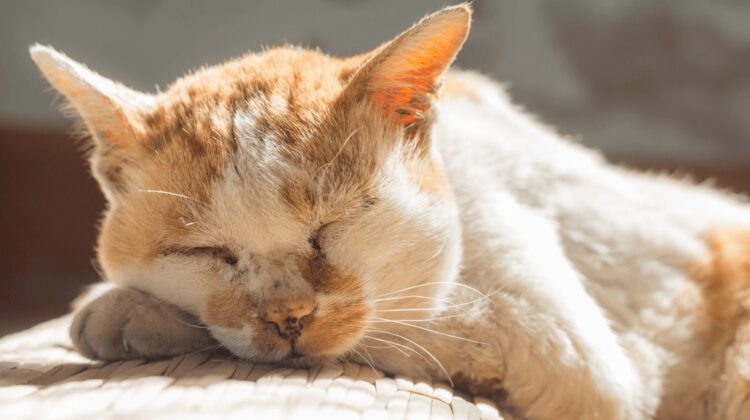
Cats are experts at hiding pain, so the signs of decline can be easy to miss. Knowing what to watch for helps you give your companion comfort, dignity and time together.
First, a Key Point: Many Signs Have Treatable Causes
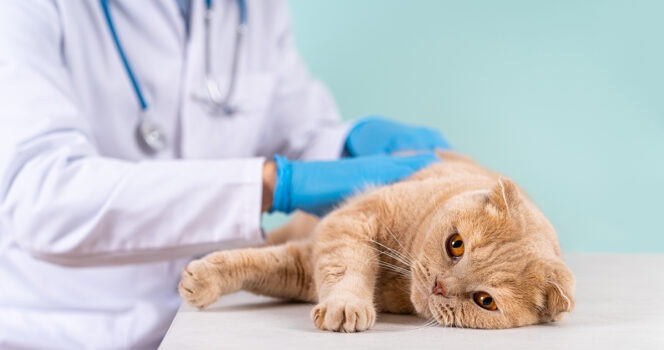
Veterinary sources point out that there is a lot of overlap between signs of ordinary illness and signs of approaching the end of life. Appetite loss, hiding and vomiting can all come from conditions that a vet can treat. If you notice any of the changes below, book an appointment before assuming the worst.
The 11 Signs
1. Hiding. Cats instinctively retreat when they feel unwell or vulnerable. A cat that suddenly spends its time under furniture or in closets may be in pain or weak.
2. Eating and drinking less. Reduced appetite is one of the earliest signs. Vets say that if food and water bowls remain untouched, you should call right away. In the final stage, many cats stop eating and drinking altogether.
3. Sleeping more. Weakness and low energy often show up as extra rest, and some cats seem depressed when awake and uninterested in favorite toys.
4. Changes in breathing. Shallow, irregular or labored breathing can signal a serious problem. Open-mouth breathing, fast shallow breaths, an extended neck or audible breathing are emergencies and need a vet immediately.
5. Losing interest in surroundings. A normally social cat may stop responding to familiar voices or touch.
6. A rough coat. A cat that no longer has the energy to groom itself may develop a dull, greasy, matted or woolly coat.
7. Trouble with movement and balance. Cats may struggle to jump to a favorite spot, climb or walk short distances, and an unsteady gait is common.
8. Behavior changes. Some cats withdraw or become irritable, while others become more clingy and seek comfort by staying close.
9. Nausea and vomiting. Look for drooling, repeated swallowing or avoiding food and water.
10. Digestive and litter box problems. Diarrhea, constipation or accidents outside the box can appear as organs slow down.
11. Temperature changes. A healthy cat’s temperature is about 38 to 39.2°C (100.4 to 102.5°F). Very low temperatures, with cold ears and paws, or a high fever can indicate a serious illness.
How to Judge Quality of Life
Vets recommend tools that organize what you’re seeing. The most widely used is the HHHHHMM scale, created by hospice veterinarian Dr. Alice Villalobos. It scores Hurt, Hunger, Hydration, Hygiene, Happiness, Mobility and More good days than bad. Another approach is to write a quick note each day for one to two weeks and label the day as good, in-between or bad. If bad days start to outnumber good ones, it’s time to talk with your vet.
Comfort, Hospice and Saying Goodbye
For cats with an incurable illness, hospice or palliative care focuses on pain relief and comfort at home. Many vets can arrange home visits, and some specialize in end-of-life care and in-home euthanasia. Whatever you decide, the goal is the same: a quiet, warm, safe place, fresh water within reach and your calm presence. Veterinary practices often have bereavement counselors or can refer you to grief support, and it is normal to wonder whether you are choosing too soon.
Caring for a Senior or Ailing Cat
A few supplies and services can ease these final weeks:
- Veterinary and hospice care. Look up in-home pet euthanasia, pet hospice services and emergency vet clinics near me.
- Comfort products. Browse heated cat beds, pet ramps and stairs and orthopedic cat beds.
- Nutrition. Compare senior cat food, appetite stimulants (ask a vet first) and high-calorie recovery diets.
- Aftercare and memorials. Consider pet cremation services, pet memorial keepsakes and paw print kits.
- Support. Explore pet loss support groups and online grief counseling.
Frequently Asked Questions
What are the first signs a cat may be dying? Appetite loss, hiding and extra sleeping are often the earliest signs, though they can also come from treatable illnesses.
When should I call a vet right away? Call immediately if your cat breathes with an open mouth, has labored breathing, collapses, can’t walk or can’t urinate, or if the food and water bowls stay untouched.
What is the HHHHHMM scale? It’s a quality-of-life checklist that scores hurt, hunger, hydration, hygiene, happiness, mobility and whether there are more good days than bad.
What is a normal temperature for a cat? About 38 to 39.2°C (100.4 to 102.5°F).
Can a vet help at home? Yes. Many veterinarians offer home visits, hospice care and in-home euthanasia so a cat can stay comfortable in familiar surroundings.
Sources: PangoVet, Lap of Love, Hepper, PetKeen, PetBook, and CareCredit, all covering the signs that a cat is nearing the end of life, the HHHHHMM quality-of-life scale and hospice and euthanasia options.
Leave a Reply