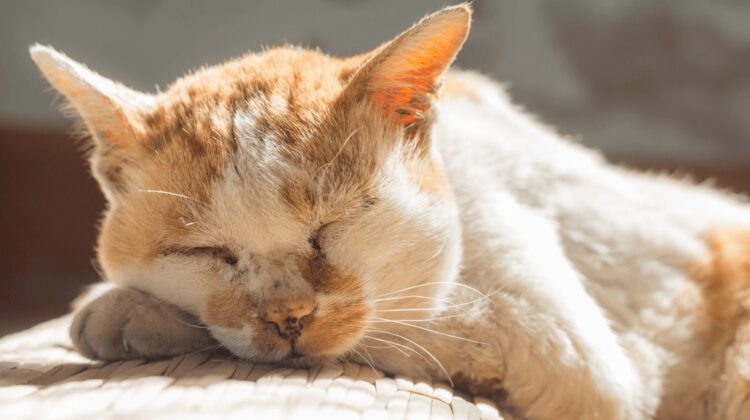
For most people, a cat is a member of the family, and noticing that an older or sick companion is slowing down is one of the hardest parts of loving a pet. Cats are also experts at hiding discomfort, so changes can be subtle. This guide explains the signs veterinarians commonly describe, why you shouldn’t assume the worst without a veterinary exam and how to keep your cat comfortable.
Why It’s Hard to Tell
Cats are both predators and prey, and their instinct is to hide weakness and pain. A cat that feels unwell may retreat to a quiet corner, under furniture or into a cupboard. By the time the signs are obvious, the illness may be advanced, which is why paying attention to small shifts in routine matters.
Common Signs
Veterinarians often point to a combination of changes rather than a single one:
- Hiding and withdrawing. Some cats seek out secluded places, while others become unusually clingy and want to stay close to their owners.
- Eating and drinking less. Reduced appetite and thirst are among the most noticeable signs, and some cats stop eating and drinking altogether.
- More sleep and less energy. Cats may rest much more, seem weak or lose interest in play and favorite activities.
- Changes in breathing. Breathing can become shallow, irregular or labored.
- Poor coat condition. The coat may look dull, matted or unkempt because the cat no longer has the energy to groom.
- Trouble moving. Jumping, climbing or walking short distances can become difficult, and balance may suffer.
- Digestive upset. Nausea, vomiting, drooling, diarrhea or constipation can occur.
- Changes in body temperature and odor. A cat may feel unusually cool or warm, and some develop an unusual body odor as illness progresses.
Many Signs Can Mean a Treatable Illness
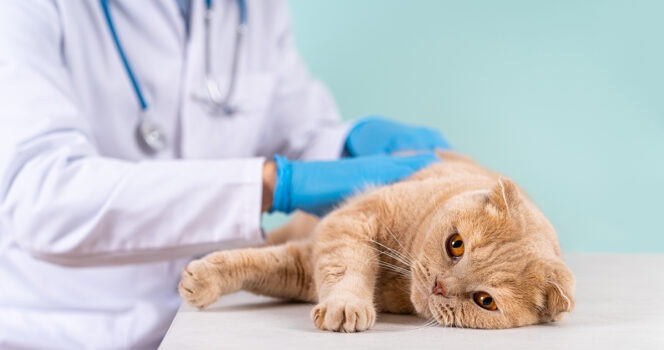
It’s important not to assume that these signs always mean the end. Many are also symptoms of conditions such as chronic kidney disease, hyperthyroidism, diabetes, dental pain or cancer, some of which can be managed for months or years with treatment. Only a veterinarian can tell whether your cat is dying or simply needs care. If you notice changes, the first step is a veterinary exam.
When It’s an Emergency
Contact a vet or emergency clinic immediately if your cat shows open-mouth breathing, severe breathing effort, collapse, a sudden inability to walk or an inability to urinate. These can be signs of a medical emergency, and prompt treatment may relieve suffering.
Keeping Your Cat Comfortable at Home
When a cat is in its final stage of life, the priority shifts from cure to comfort. Veterinarians commonly suggest:
- A quiet, warm resting place. Provide soft bedding in a calm spot where your cat feels safe, away from noise and other pets if needed.
- Easy access to essentials. Keep water, food and a low-sided litter box within easy reach.
- Gentle company. Offer quiet companionship and touch, but let your cat decide how much contact it wants.
- Pain relief from your vet. Never give over-the-counter human medications, which can be dangerous to cats.
- A daily log. Writing down appetite, movement and mood can help your vet make decisions.
Measuring Quality of Life
Quality of life is the guiding question. Veterinarians often use a scale developed by veterinary oncologist Dr. Alice Villalobos, which scores seven areas, such as pain, hunger, hydration, hygiene, happiness, mobility and whether there are more good days than bad, from one to ten. A score above five in each category, or above 35 overall, suggests that quality of life is acceptable, according to VCA Animal Hospitals. Hospice veterinary services also offer similar scales. Tracking these scores can help you see patterns instead of relying on guesswork.
Hospice, Palliative Care and Euthanasia
Your veterinarian can discuss options, including hospice or palliative care at home, and, when quality of life declines and pain can’t be controlled, euthanasia. Many vets and hospice services offer home visits, and appointments are often scheduled at quiet times of day. Hospice care can be demanding emotionally, physically and financially, so it’s worth discussing what you can realistically provide. Many owners worry about choosing too soon or too late, and veterinarians say that worry is normal.
What This Guide Doesn’t Cover
Every cat is different, and this article is general information, not a diagnosis. Only a veterinarian who has examined your cat can say what is happening and what is best for her. If you’re unsure whether your cat is in pain, ask.
Support for You
Grief over a pet is real. Many veterinary practices have bereavement counselors or can direct you to pet loss support services, and talking to a trusted friend or family member can also help.
Caring for Senior and Ailing Cats

Owners of older cats often compare senior cat food recommended by their vet, orthopedic cat beds and heated pet beds, ramps and steps to help with mobility and pet insurance for older cats, though many policies exclude pre-existing conditions, so reading the terms matters. Some families also look into veterinary hospice and palliative care services for end-of-life support.
Frequently Asked Questions
How can I tell if my cat is dying? Look for a combination of changes such as hiding, eating and drinking less, weakness and altered breathing, then see a veterinarian to find out the cause.
Could these signs be something treatable? Yes. Many of them are shared by conditions that can be managed, which is why a vet exam is essential.
What should I do in an emergency? Seek veterinary care immediately for open-mouth breathing, severe breathing effort, collapse or inability to urinate.
How do I know when it’s time to consider euthanasia? Talk with your veterinarian about quality of life, including whether there are more good days than bad.
Sources: VCA Animal Hospitals, Lap of Love, PetMD
Leave a Reply