
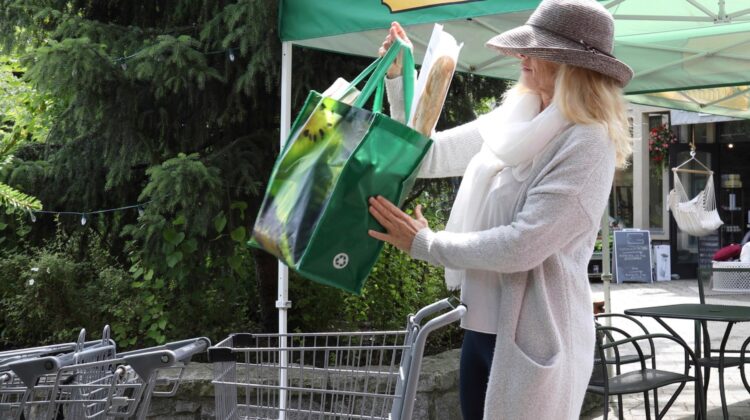
Few everyday habits spark as much heated debate as what you do with your grocery cart when you’re done shopping. Do you return it to the corral — or leave it in the parking lot?
This viral idea, often called the Shopping Cart Theory, claims your answer reveals your true character. But what do psychologists actually say?
What Is the Shopping Cart Theory?
The Shopping Cart Theory suggests that returning your cart is a pure test of morality. There’s no reward for doing it and no punishment for skipping it. So, the theory argues, people who return their carts are acting out of personal responsibility — while those who don’t are exposing a flaw in their character.
The idea exploded online through memes, Reddit threads, TikTok debates, and opinion pieces.
However, experts emphasize one key point:
It’s not a real scientific theory.
“Peer-reviewed research in psychology has not borne out the Shopping Cart Theory as an empirically supported test of character,” says psychologist Sanam Hafeez, Psy.D. The concept began as a social media meme — not a controlled research finding.
Does Your Cart Behavior Reveal Your Personality?
According to psychologists, the answer is more nuanced than the internet would suggest.
Yes, small actions can sometimes reflect broader traits like:
- Conscientiousness
- Agreeableness
- Sense of responsibility
- Empathy
But judging someone’s moral character based on a single parking-lot decision is oversimplified.
Human behavior depends heavily on context. Factors such as:
- Time pressure
- Cognitive load
- Social norms
- Distance to the cart corral
- Weather conditions
- Whether anyone is watching
All influence behavior in the moment.
In short: one small decision is not a psychological purity test.

Why Returning the Cart Still Matters
Even if it’s not a moral exam, returning your cart has practical benefits:
- Keeps parking lots safer
- Prevents damage to cars
- Reduces extra labor for employees
- Promotes shared responsibility
For many people, it simply feels good to complete the task they started. That sense of closure can reinforce habits of organization and accountability — but that doesn’t mean failing once defines you.
Why Someone Might Not Return Their Cart
Psychologists stress that unseen circumstances often shape behavior.
Possible reasons include:
- Physical disabilities (visible or invisible)
- Chronic pain or mobility issues
- Fatigue or injury recovery
- Safety concerns in poorly lit areas
- Extreme weather conditions
- Parents not wanting to leave a child unattended
None of these factors are about morality. They’re about circumstance.
What appears to be laziness from the outside may be a complex calculation of safety, energy, or practicality.

The Expert Take
Psychologists agree on one central idea:
Human behavior is shaped by the interaction between personality traits and situational factors.
Patterns of prosocial behavior over time can reveal values. A single decision in a grocery store parking lot cannot.
Turning everyday actions into moral litmus tests may feel satisfying — but it oversimplifies how people actually function.
The Real Takeaway
Instead of asking, “What does this say about them?” a more useful question might be:
“What choice can I make right now that improves the shared space around me?”
If you’re able to return your cart, it’s a small act that benefits others. If someone else doesn’t, there may be more to the story than you can see.
Focusing on your own behavior — rather than judging someone else’s — may say more about character than any shopping cart ever could.
Understanding everyday behavioral choices connects to broader discussions about personal responsibility, workplace psychology, social behavior patterns, and mental health awareness. As interest grows in personality development, emotional intelligence, and behavioral science insights, small daily habits continue to spark meaningful conversations about how individual actions influence shared public spaces and community well-being.
Leave a Reply