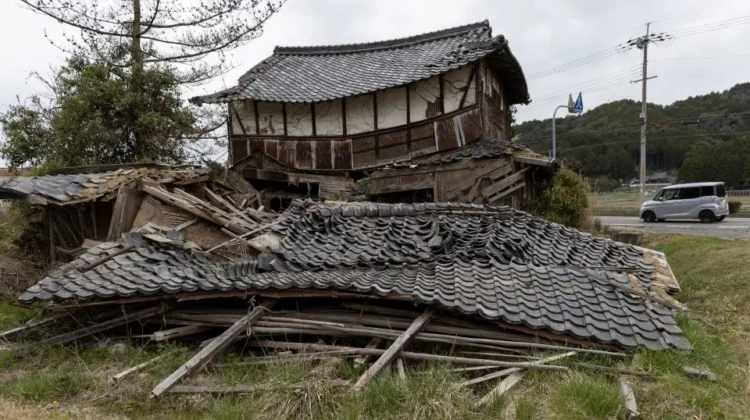
Japan, renowned for its rich cultural heritage and technological advancements, finds itself grappling with an unprecedented dilemma: a staggering surplus of vacant houses. The number has soared to a record high of nine million, a figure surpassing the entire population of New York City. These abandoned dwellings, known as “akiya” in Japanese, present multifaceted challenges for a nation already contending with demographic decline.
Traditionally associated with rural areas, akiya are now increasingly prevalent in major cities like Tokyo and Kyoto, amplifying concerns for policymakers and communities alike. Jeffrey Hall, a lecturer at Kanda University of International Studies, attributes this phenomenon not to an excess of construction but to Japan’s dwindling population. As the country grapples with an aging demographic and plummeting birth rates, the issue of vacant homes becomes emblematic of broader societal shifts.
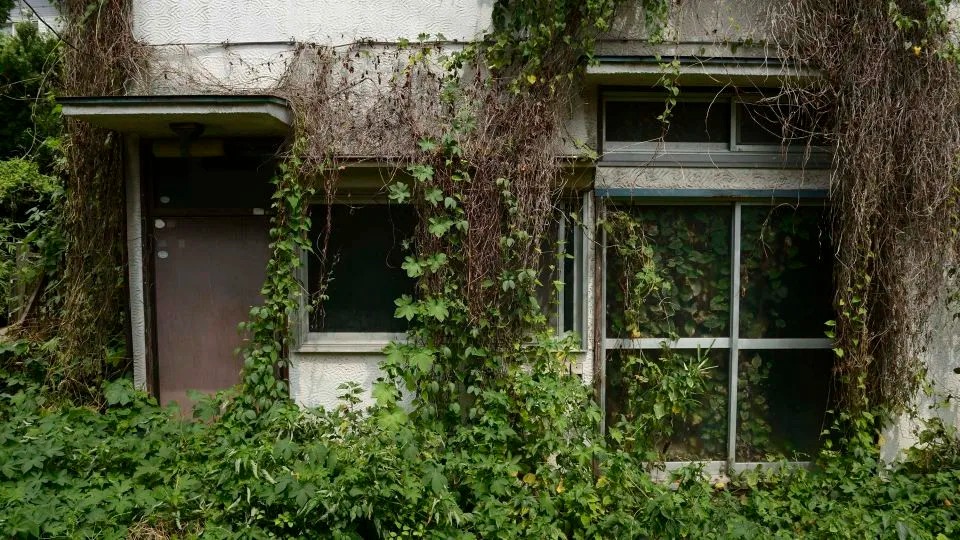
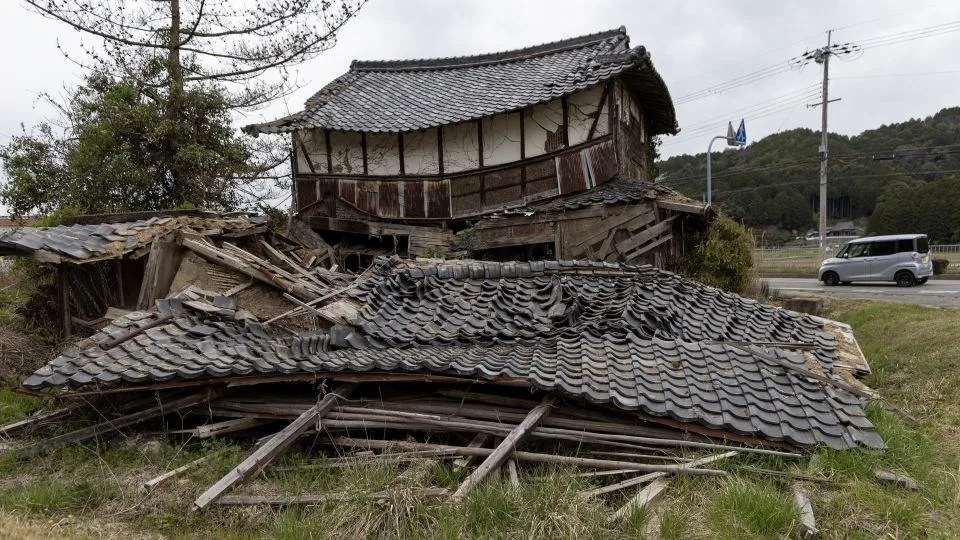
Data compiled by Japan’s Ministry of Internal Affairs and Communications reveal that a staggering 14% of residential properties across the nation lay vacant. These numbers encompass second homes, properties temporarily vacated by owners working overseas, and those left in administrative limbo due to inadequate record-keeping. While some akiya stand as reminders of Japan’s architectural heritage, many deteriorate into hazards, impeding efforts to revitalize communities and posing risks during natural disasters.
The root causes of Japan’s surplus of vacant homes are deeply intertwined with its demographic challenges. Passed down through generations, akiya often find themselves without heirs in an era of declining fertility rates. Moreover, the allure of urban life draws younger generations away from rural areas, leaving ancestral properties neglected. Administrative hurdles further complicate matters, hindering efforts to repurpose or sell these abandoned homes.
Japan’s tax policies exacerbate the situation, incentivizing homeowners to retain properties rather than pursue demolition or redevelopment. Accessibility issues compound the problem, with many akiya located far from essential amenities like public transport and healthcare facilities. Despite trending videos showcasing foreigners renovating cheap Japanese houses into stylish accommodations, the reality is far more complex. Language barriers and bureaucratic intricacies present formidable obstacles to prospective buyers.
The demographic landscape of Japan paints a grim picture, with population decline persisting year after year. The birth rate remains far below the replacement level necessary for population stability, exacerbating the surplus of homes and exacerbating challenges for rural communities. Recent data from Japan’s Ministry of Internal Affairs and Communications underscore the gravity of the situation, with the number of children under 15 reaching a record low.
Yuki Akiyama, a professor at Tokyo City University, highlights the repercussions of vacant homes during natural disasters, citing instances where akiya obstructed evacuation routes and impeded post-disaster reconstruction. His AI program aims to identify areas vulnerable to akiya proliferation, emphasizing the broader global relevance of the issue. While similar trends are observed in other countries, Japan’s unique architectural traditions and cultural attitudes exacerbate the crisis.
In conclusion, Japan’s surplus of vacant homes epitomizes the complex interplay between demographic shifts, urbanization, and policy challenges. Addressing this multifaceted issue requires concerted efforts to repurpose abandoned properties, revitalize rural communities, and confront the broader demographic realities shaping Japan’s future. Failure to act risks not only the deterioration of architectural heritage but also the resilience of communities in the face of evolving societal dynamics.
Leave a Reply