
The dog on the right is Flint, bred in the Netherlands by Hawbucks French Bulldogs – a breeder trying to establish a new, healthier template for French Bulldogs.
They are both Frenchies. Both purebred. The difference is that the dog on the left has been bred to meet the current interpretation of breed standard – and the dog on the right is the result of selection for a more moderate dog by a breeder who believes that good health is more important than fashion.
I posted the image on Twitter and my CRUFFA Facebook page a couple of days ago and it has already been shared thousands of times, with many people thinking it has been Photoshopped. It hasn’t.
I am pleased that most people are deeply shocked by Arnie’s profile. In truth, most Frenchies are not quite this extreme. But he is not totally untypical either – particularly in the US where the breed standard does not have a minimum muzzle length.
Unfortunately, some people are so wedded to the type of dog seen in today’s show-ring that they prefer Arnie – or are more shocked by Flint’s comparatively-long muzzle. Some have even called Flint “extreme”.
“[I prefer] the one on the left to me it’s a French bulldog and what I see and love in a French bulldog -the one on the right I don’t recognise as a French bulldog,” wrote one breeder.
And then this:
“I’d definitely own the left over right! Right is a disgusting example of the breed.”
As ever, what is considered “good type” changes with fashion. This Frenchie was a Champion in 1914.

And this is a famous French Bulldog from 1925.

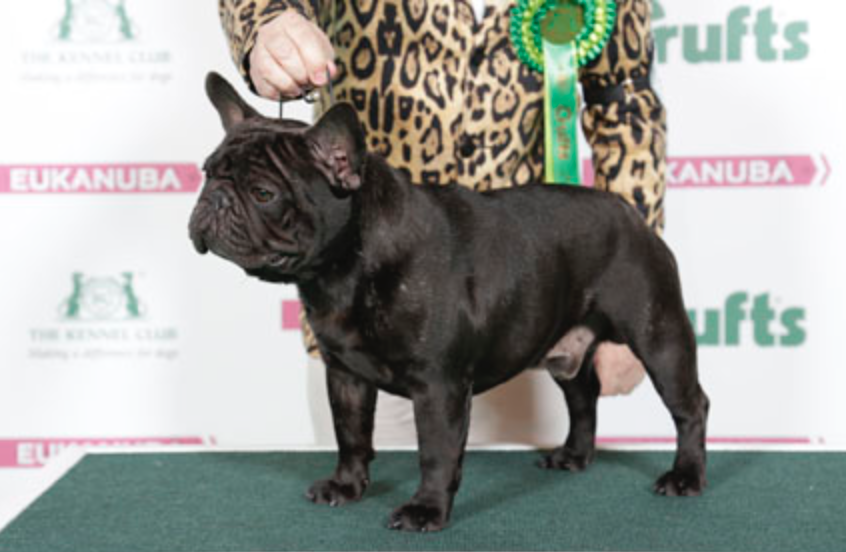
This dog won Best of Breed at Crufts last year.
And this dog, a slight improvement, won BOB this year.
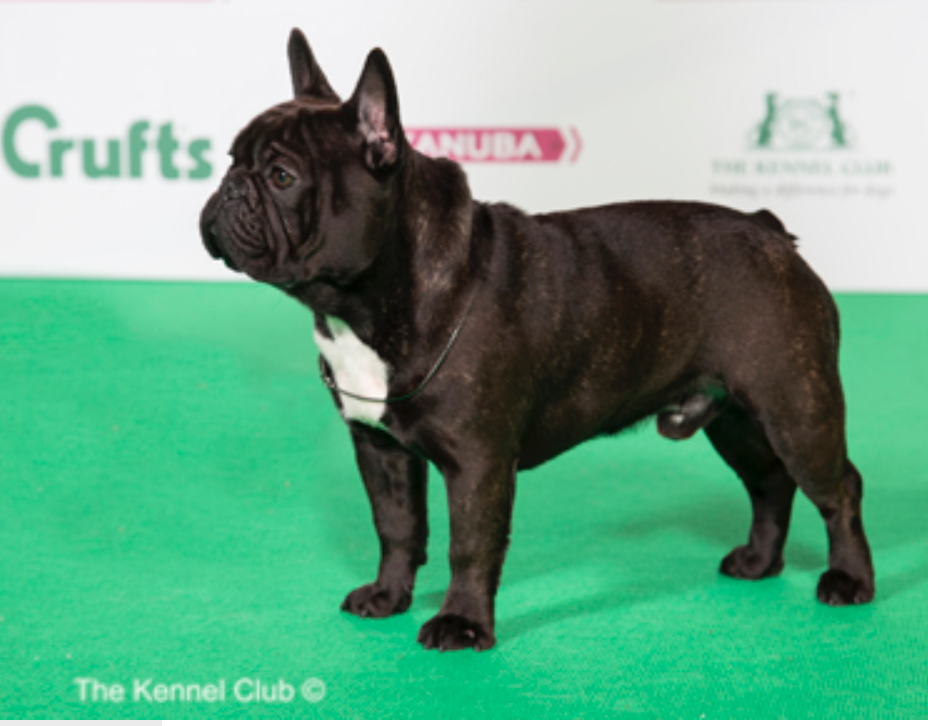
Neither of the Crufts dogs has a muzzle length anything like the 1/5th of the total head length advocated by the French Bulldog Club of England – or indeed the one-sixth the length of the head demanded in the FCI standard. They are also extremely cobby – particularly the 2016 BOB. The show Frenchie’s back has shortened over the years too, robbing them of the tail they once had and likely contributing to another Frenchie problem – spinal issues.
Unfortunately, stenosis – pinched nostrils – is almost ubiquitous in the show version of the breed, adding to the respiratory risk.
We know from newly-published research that there isn’t an absolute correlation between any one physical feature and breathing difficulties (there is a panoply of contributory factors that interplay, including neck/chest girth, intra-nasal obstruction, stenosis, trachea size and obesity).
But as David Sargan from the Cambridge BOAS research team says: “I think breeding for sound open nostrils, for longer and less wide heads, for less boxy body shapes and for less skin would all improve the [extremely brachycephalic] breeds.”
The good news is that there are breeders like Hawbucks breeding for a longer-muzzled, lighter, more athletic dogs with truly open nostrils. I would urge everyone tempted by a French Bulldog to seek them out – and of course be aware that health tests are important too.
The best Frenchie breeders screen for BOAS, hemivertebrae (HV), hereditary cataracts, luxating patellas, degenerative myelopathy (DM) and skin issues/allergies. A low co-efficient of inbreeding is a plus, too – and also ask about longevity (i.e. what age dogs in the pedigree died). Despite the French Bulldog Club of England’s claim that Frenchies can live to 12-14 “on average”, this is not true. In fact, Agria insurance data in Sweden has found that they are the shortest-living of all the breeds and the Finnish KC’s database documents an average age of death of just five years old. It’s possible that UK dogs live a bit longer, but essentially they’re all from the same stock, so it’s unlikely to be much longer.
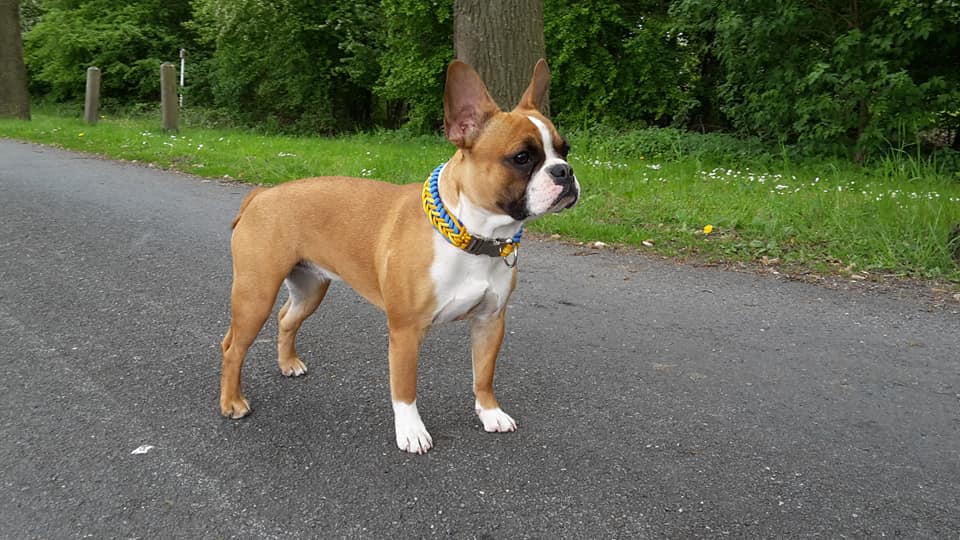
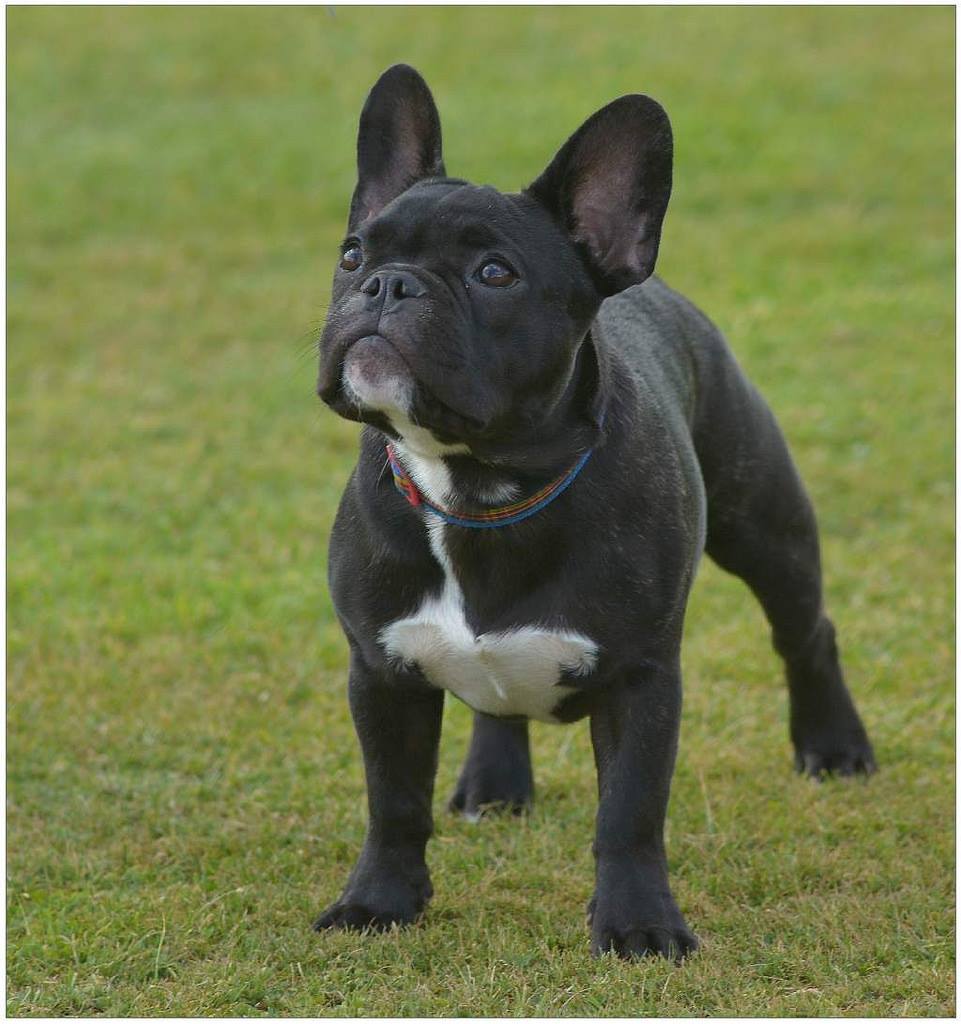
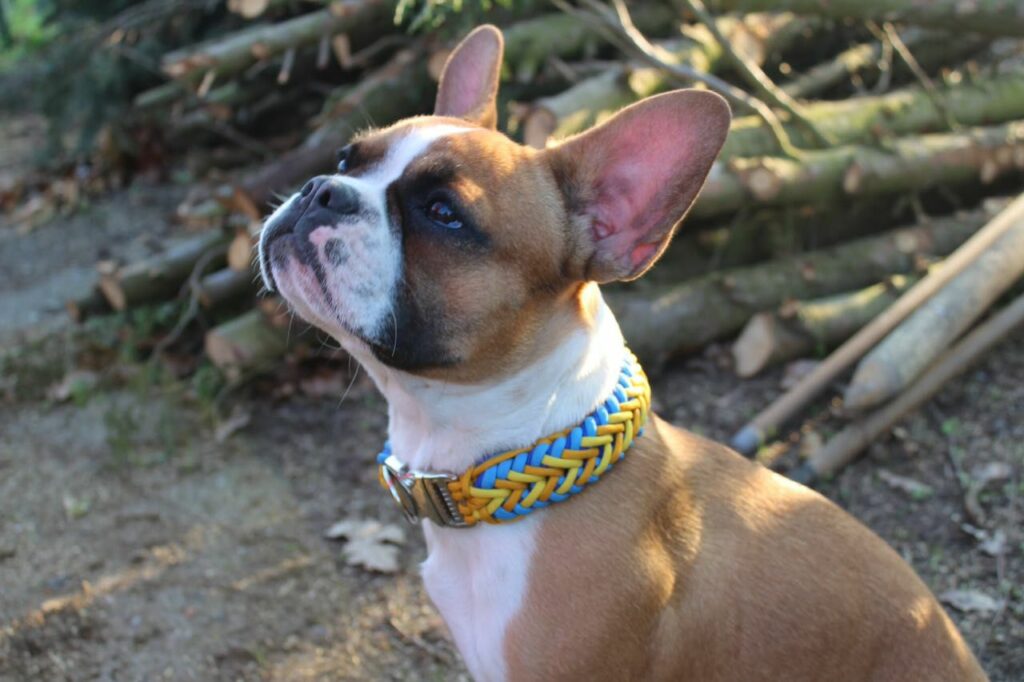
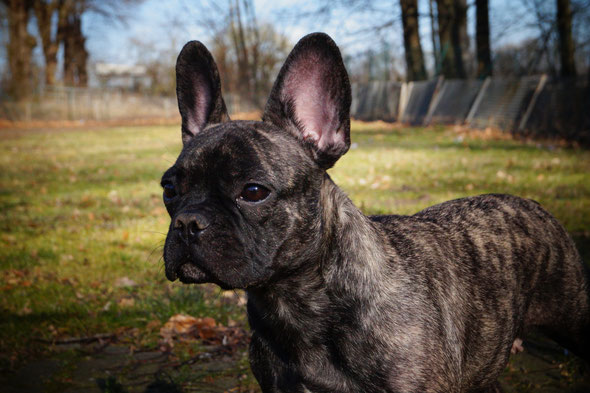
I am an avid collector of pictures of more moderate Frenchies. Here are a few of them. The first is Flint’s mum, Yara – and the last another pic of Flint. Enjoy!





I am glad to see somebody is looking at the quality of life for Frenchies, instead “fashion”. I would love to have one, but I live in USA and not sure abut breeders in USA. Wouldn’t know where to start.
Very glad that the huge problems faced by overbred dogs are being addressed. I used to visit with a darling Frenchie in Barcelona every summer. Life was tough for him and his life was shortened because of his physical problems. More moronic human behaviour to suit a whim, we dont deserve this planet and all the beautiful animals
My daughter is a vet and would be happy to elaborate on the health issues of ANY brachycephalic dog of which there are many.
I’d luv an b proud hav the longer nose Frenchie 4 their health I luv the breed hav few wee rescued 1s. Here myself they r great breed 4 fun an wit kids longer nose 1 wood help hav them longer in life an better 4 breed itself well done 2 the breeders helpin breed out xxoo
B great if al breeders wood breed 4 longer breed nose health in any breed should come 1st in any breed but big breeders of Frenchie s here just want big money now breedin colours an fully I think is so so wrong