
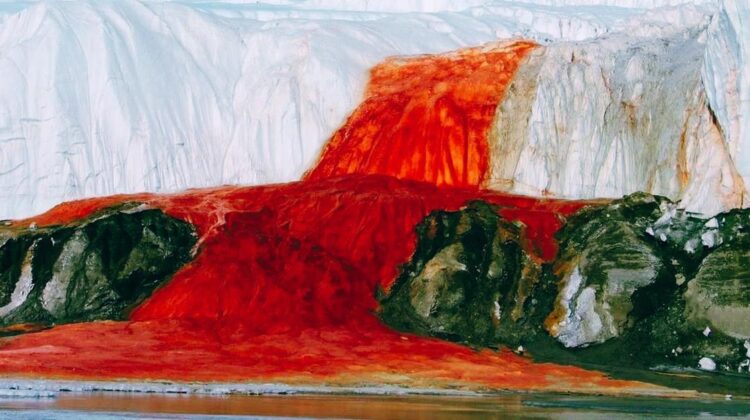
Deep within Antarctica, an unusual natural phenomenon has long puzzled scientists and visitors alike.
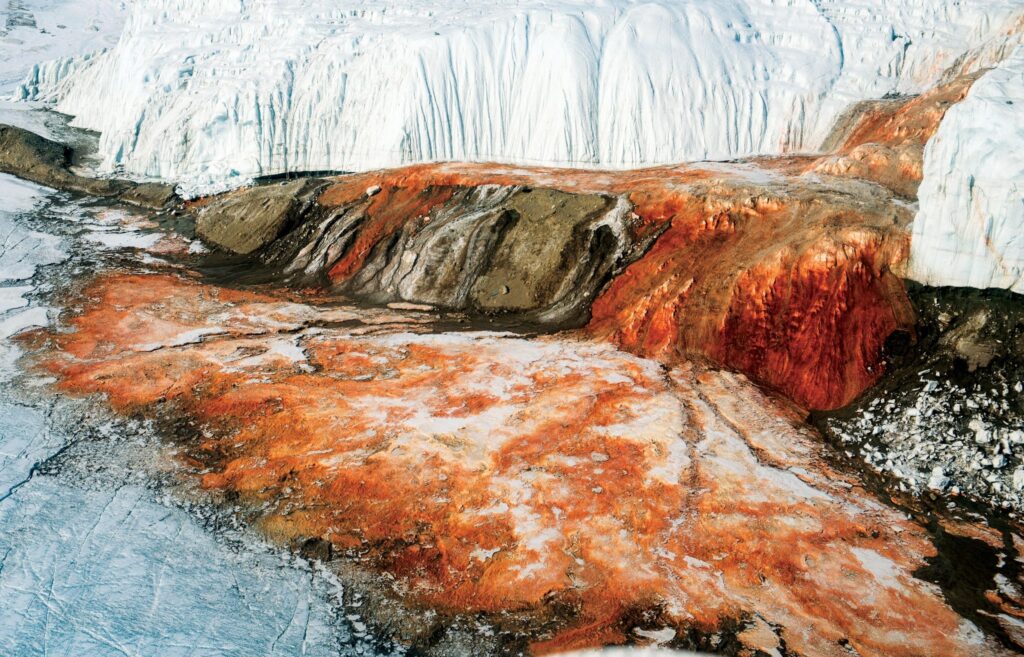
Known as Blood Falls, a stream of deep red liquid flows from the icy face of the Taylor Glacier, creating a striking contrast against the surrounding white landscape.
Why is it red?
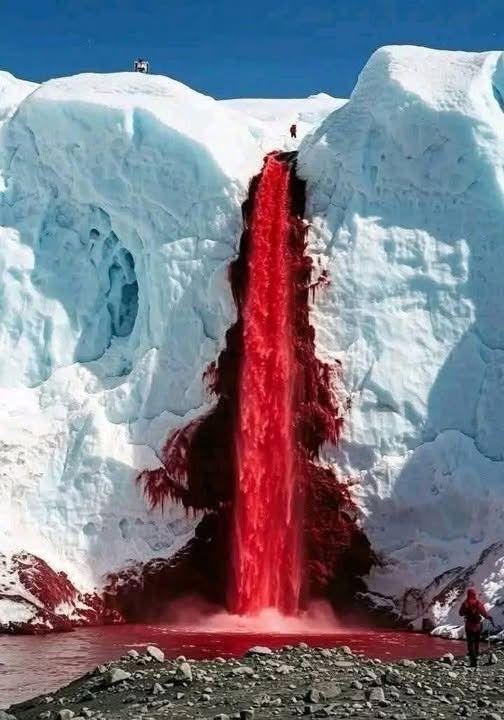
The colour is not due to algae or blood, but chemistry.
The liquid originates from an ancient reservoir of saltwater trapped beneath the glacier for millions of years. This water is rich in iron. When it reaches the surface and comes into contact with oxygen, the iron oxidises — producing the rust-like red colour.
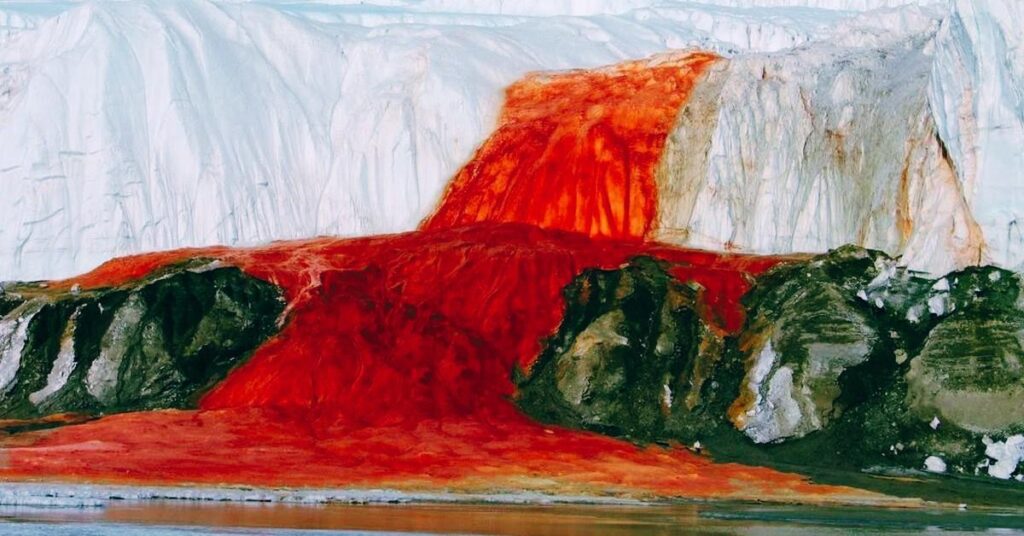
Water that doesn’t freeze
Despite the extreme cold, the flow remains liquid.
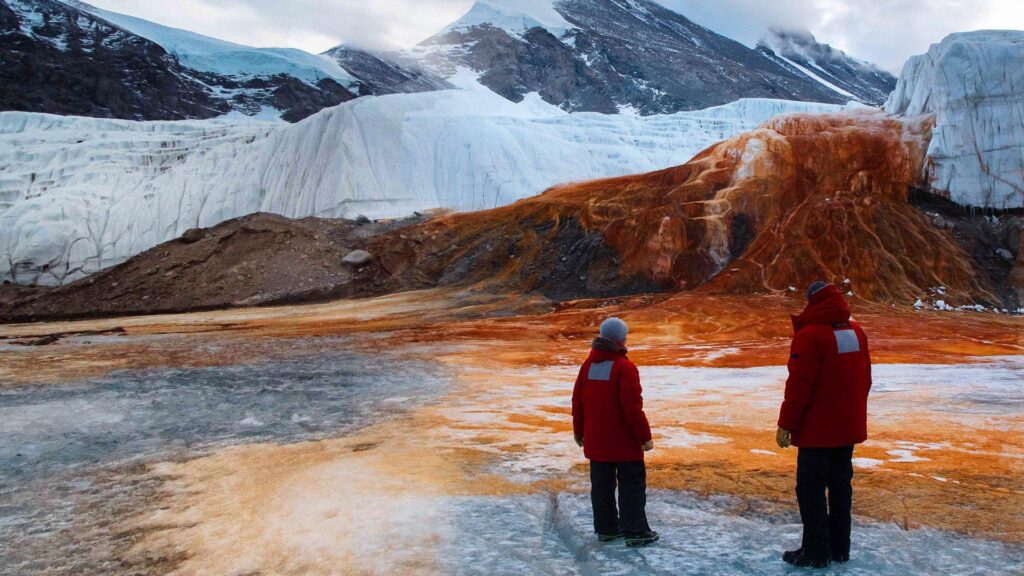
Scientists say the water’s high salt concentration lowers its freezing point, allowing it to stay fluid even in sub-zero Antarctic conditions.
This makes it one of the rare examples of liquid water in such a harsh environment.
Life in isolation
Perhaps most remarkable is what lives within it.
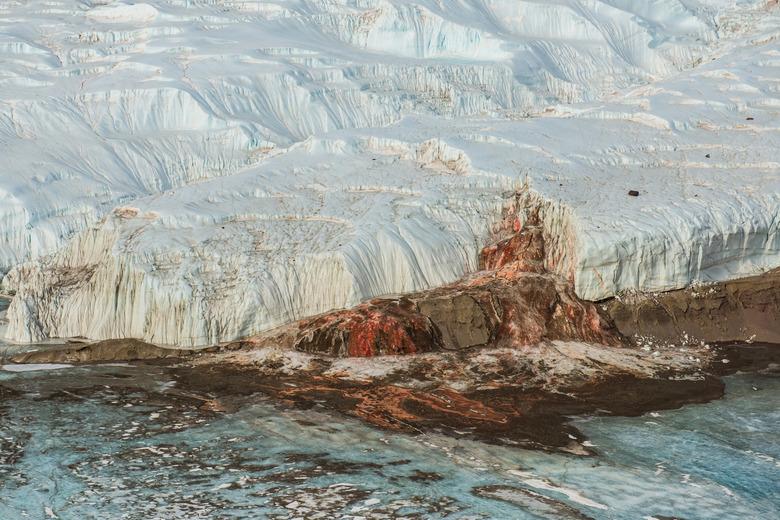
Researchers have discovered microbial life surviving in this dark, oxygen-poor environment beneath the glacier. These organisms exist without sunlight, relying instead on chemical reactions to sustain themselves.
The finding has drawn interest from scientists studying extreme environments — including those that may exist on other planets.
A window beneath the ice
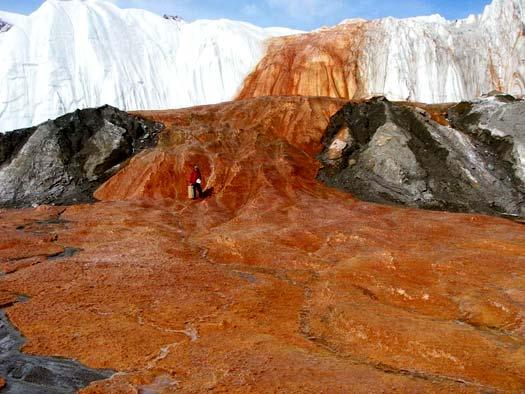
Blood Falls is located in the McMurdo Dry Valleys, one of the coldest and driest places on Earth.
Although the surface appears lifeless, discoveries like this suggest that hidden ecosystems may exist beneath the ice, largely untouched for millions of years.
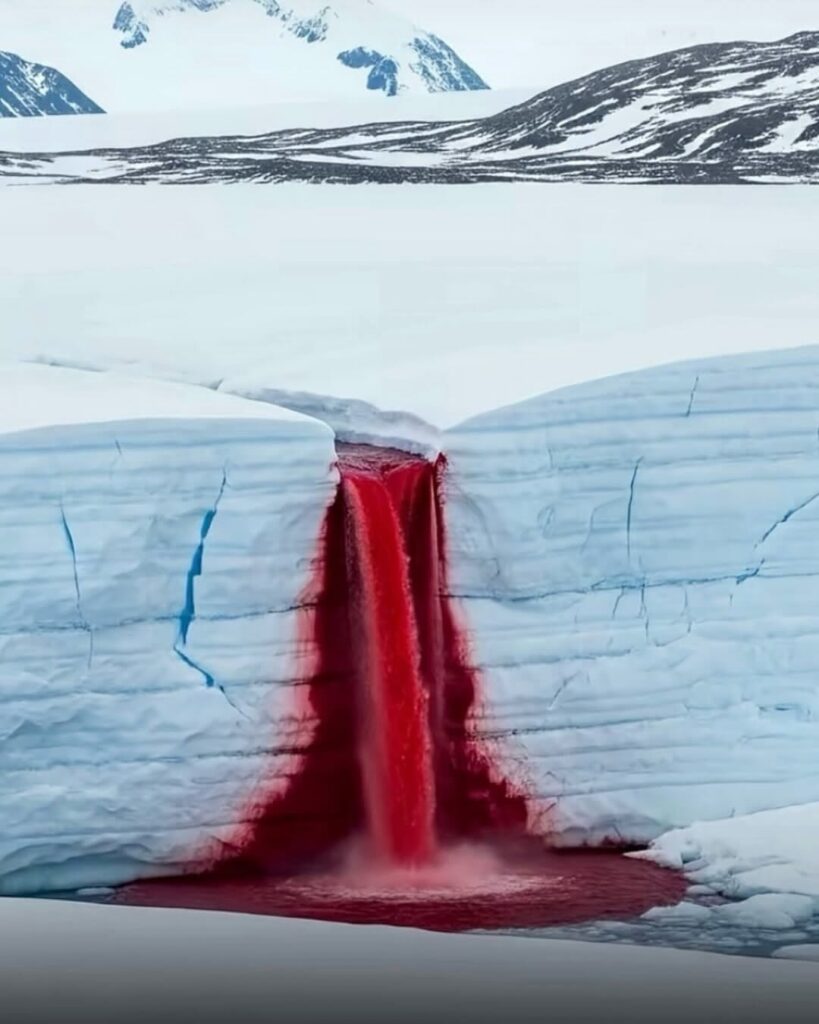
Phenomena like Blood Falls reveal how much of our planet remains unexplored, even in places we assume are barren. Beneath layers of ice and silence, life continues to adapt in ways that challenge our understanding of survival. These discoveries not only reshape how we view Earth’s extremes, but also expand the possibilities of where life might exist beyond it.
Leave a Reply