
At 109 years old, Alfred ‘Alfie’ Date was officially recognized as Australia’s oldest man — but age never slowed his mission.
Alfie began knitting in 1932 after his sister-in-law taught him how to make a jumper for his newborn nephew. What started as a simple family skill became a lifelong craft. For more than 80 years, he quietly lent his talent to friends, relatives, and anyone who needed help.
In 2013, that talent took on global significance.
Following a devastating oil spill, the Phillip Island Penguin Foundation issued an urgent call for volunteer knitters. The little penguins of Phillip Island were at risk. Oil seeps into their feathers, destroying natural waterproofing and allowing cold water to reach their skin. Even worse, when penguins attempt to clean themselves, they can swallow toxic oil — leading to poisoning, organ damage, and death.
The same day Alfie arrived at his new aged-care home in Umina, New South Wales, nurses discovered he could knit.
“I think I’d been here about 12 hours, maybe 13,” he said. “The girls came in and said, ‘We believe you can knit.’”
Within hours, he was already working.
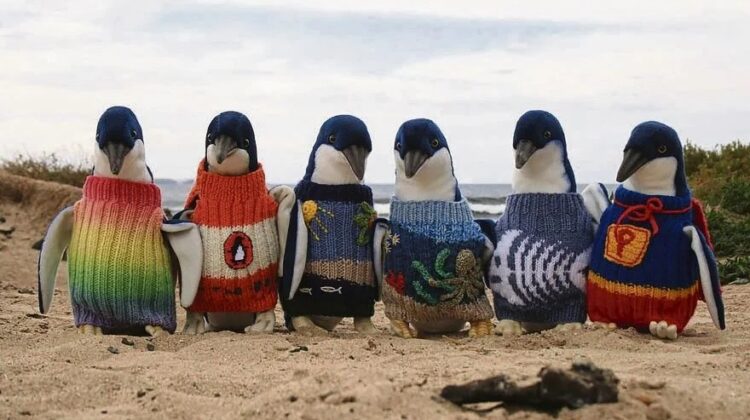
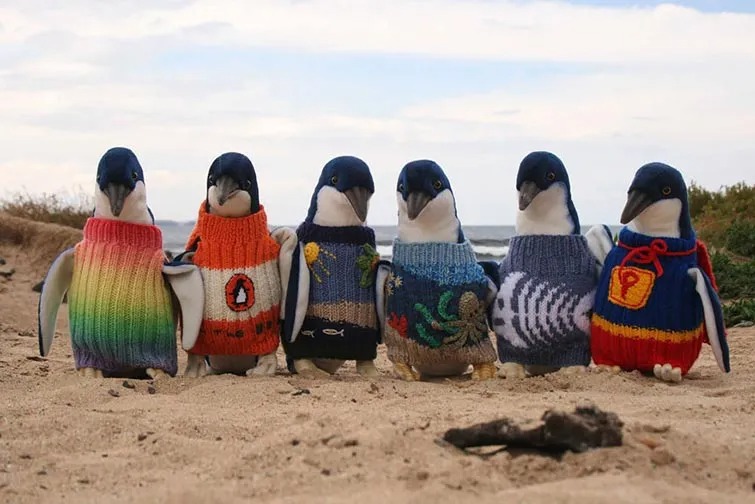
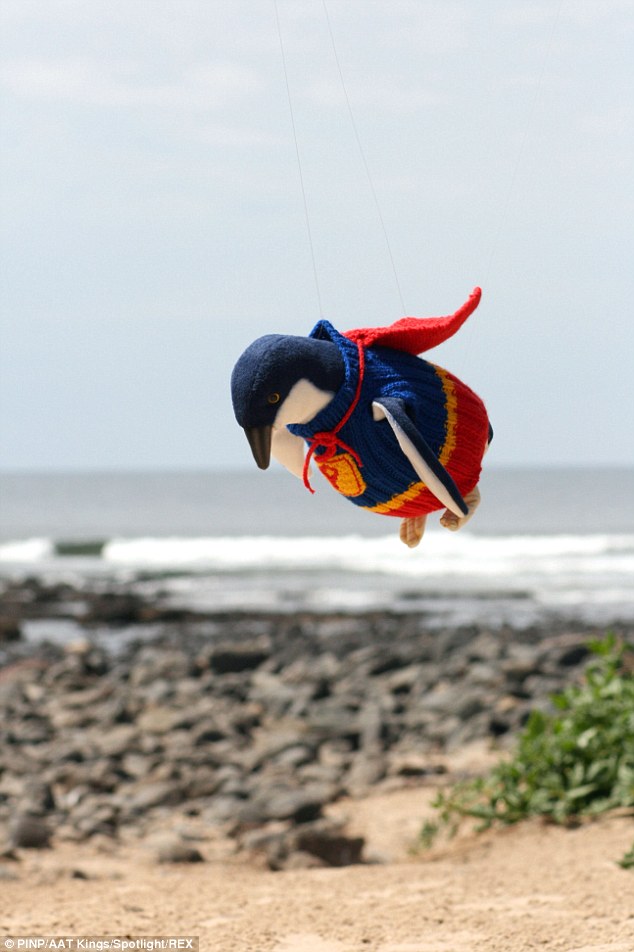
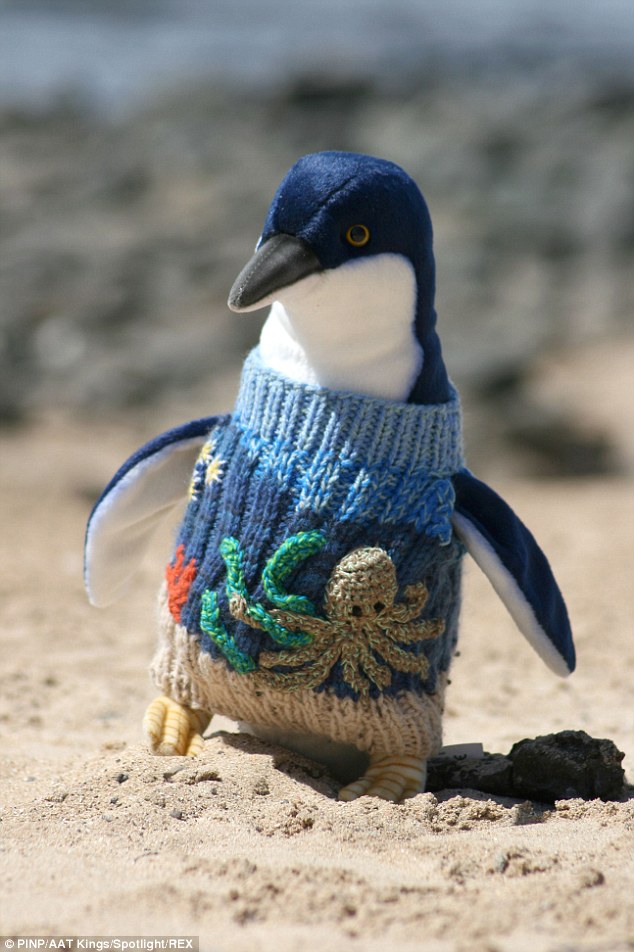
The 109-year-old joined hundreds of volunteers worldwide, creating tiny woolen jumpers designed to protect rescued penguins during wildlife rehabilitation. These carefully stitched sweaters prevented the birds from ingesting oil while veterinary teams worked to clean and stabilize them.
Despite being well beyond the average life expectancy, Alfie insisted on perfection.
“I like to make it without mistakes and I don’t excuse myself,” he said. “Though perhaps there is an excuse for someone who’s gone beyond the normal span of life.”
Little penguins are found only in southern Australia and New Zealand, with around 32,000 living on Phillip Island. Thanks to Alfie and global volunteers, the conservation effort received an overwhelming response, ultimately securing enough knitted jumpers to meet rescue needs.
The Foundation later affectionately labeled him their “most senior little penguin jumper knitter.” Spokesperson Danene Jones said they felt privileged to have his support.

Today, Alfie’s nephew is a grandfather himself. Alfie, meanwhile, is the proud grandfather of 20 and great-grandfather to roughly the same number — though he suspects there may be more.
At 109, Alfie Date proved that compassion, purpose, and skilled hands never retire.
Why Wildlife Rescue Efforts Matter More Than Ever
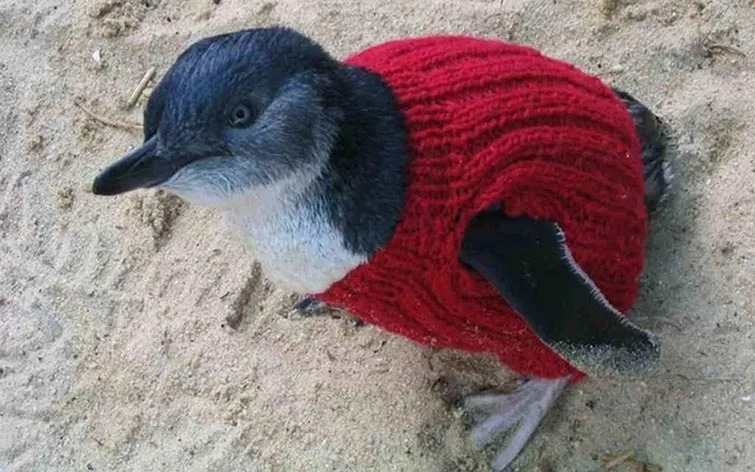
Environmental disasters such as oil spills continue to threaten marine ecosystems, coastal tourism economies, and endangered wildlife populations worldwide. Conservation organizations rely heavily on community support, sustainable funding, and rapid-response rehabilitation programs to reduce mortality rates after ecological crises.
From marine wildlife insurance initiatives to global conservation grants and environmental protection programs, long-term investment in animal rescue infrastructure plays a critical role in safeguarding biodiversity. As climate-related events increase, proactive wildlife response planning and eco-conscious policy development remain essential for protecting vulnerable species like penguins and other marine birds.
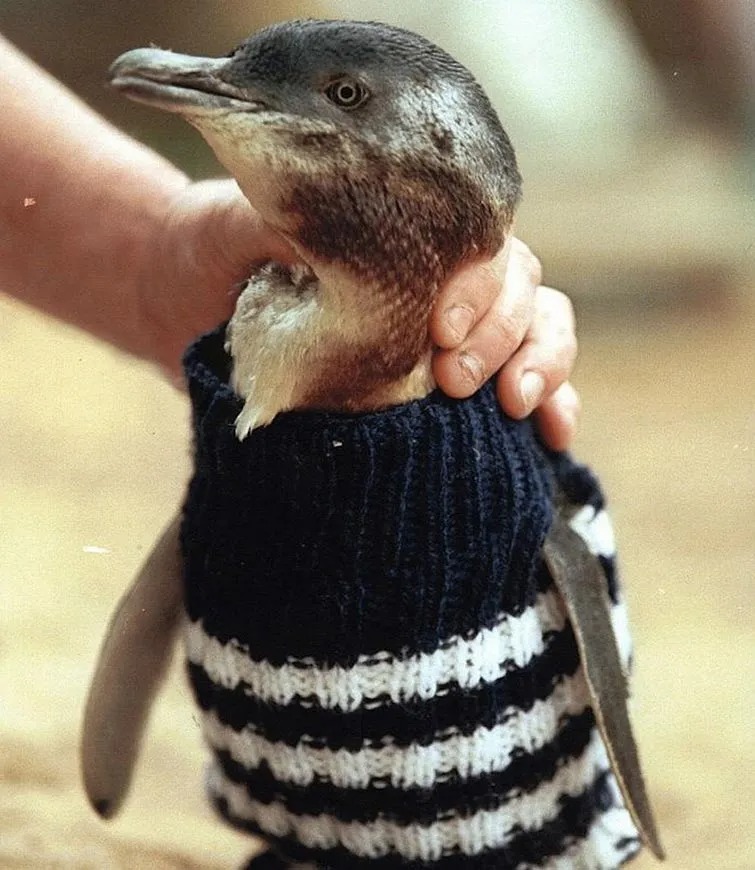
Every small act — even a knitted sweater — can become part of a much larger environmental solution.
Environmental Protection, Wildlife Rehabilitation & Sustainable Conservation Efforts
Oil spills and marine pollution remain among the most expensive environmental disasters in the world, impacting biodiversity, coastal economies, and long-term ecosystem stability. Wildlife rehabilitation centers, marine conservation foundations, and environmental protection programs play a critical role in crisis response — from emergency animal rescue to advanced veterinary treatment and habitat restoration.

Protecting vulnerable species such as the little penguins of Phillip Island requires coordinated conservation funding, climate resilience strategies, and sustainable environmental policy planning. As global awareness of ecological risk grows, investment in wildlife rescue infrastructure, marine ecosystem insurance frameworks, and long-term sustainability initiatives continues to expand.
In a world facing increasing environmental challenges, even small community-driven actions can support large-scale conservation impact — strengthening protection efforts for future generations.