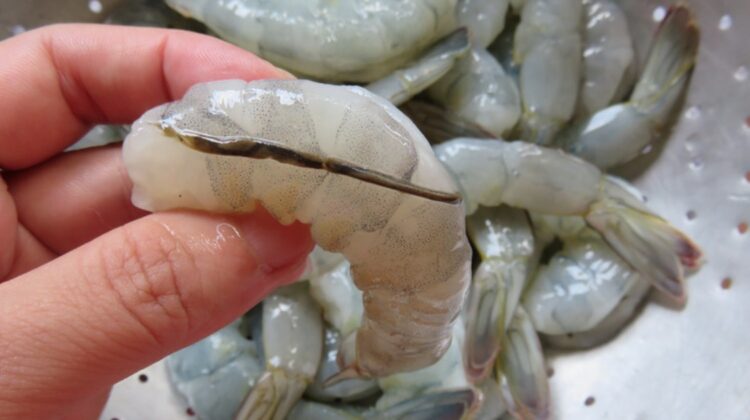
Shrimp is one of the most prized ingredients in global cuisine. Its delicate flavor, tender texture, and versatility make it a favorite in everything from home cooking to fine dining. Yet one small detail continues to confuse and divide cooks around the world — the dark line running along the shrimp’s back, commonly known as the “vein.”
It looks harmless. It seems insignificant. But it raises more questions than most people expect.
What the “Vein” Really Is
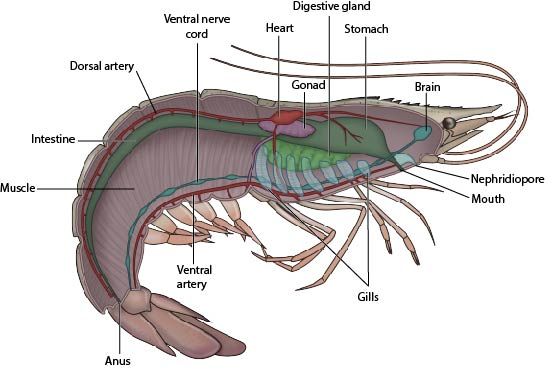
Despite the name, the so-called vein is not a vein at all. It is the shrimp’s digestive tract (intestine). This internal channel runs along the upper part of the shrimp’s body and may contain remnants of what the shrimp consumed before being caught — algae, plankton, sediment, or microscopic organic particles from its environment.
This is why the line often appears dark brown or black, depending on its contents.
Is It Safe to Eat Shrimp Without Removing It?
From a strict food-safety perspective, yes — it is generally safe to eat shrimp without removing the digestive tract, as long as the shrimp is fresh and properly cooked. High cooking temperatures destroy harmful bacteria and significantly reduce health risks.
But food safety is only part of the equation.
Taste, Texture, and the Real Reason Chefs Remove It
Professional chefs and experienced cooks often remove the vein not because of danger — but because of quality.
When left in place, some people notice:
- A slightly bitter aftertaste
- A gritty or sandy texture
- An unpleasant mouthfeel, especially in grilled, fried, or sautéed shrimp
Removing it creates:
- Cleaner flavor
- Smoother texture
- Better visual presentation
- Higher overall dish quality
It’s a small detail — but one that directly affects the eating experience.
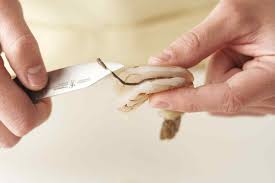
How to Devein Shrimp Properly
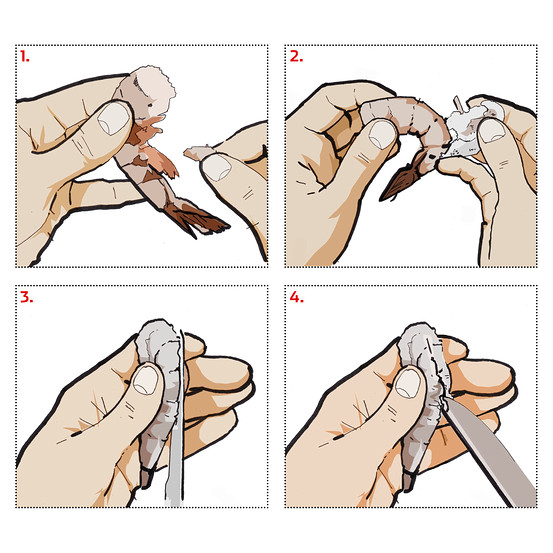
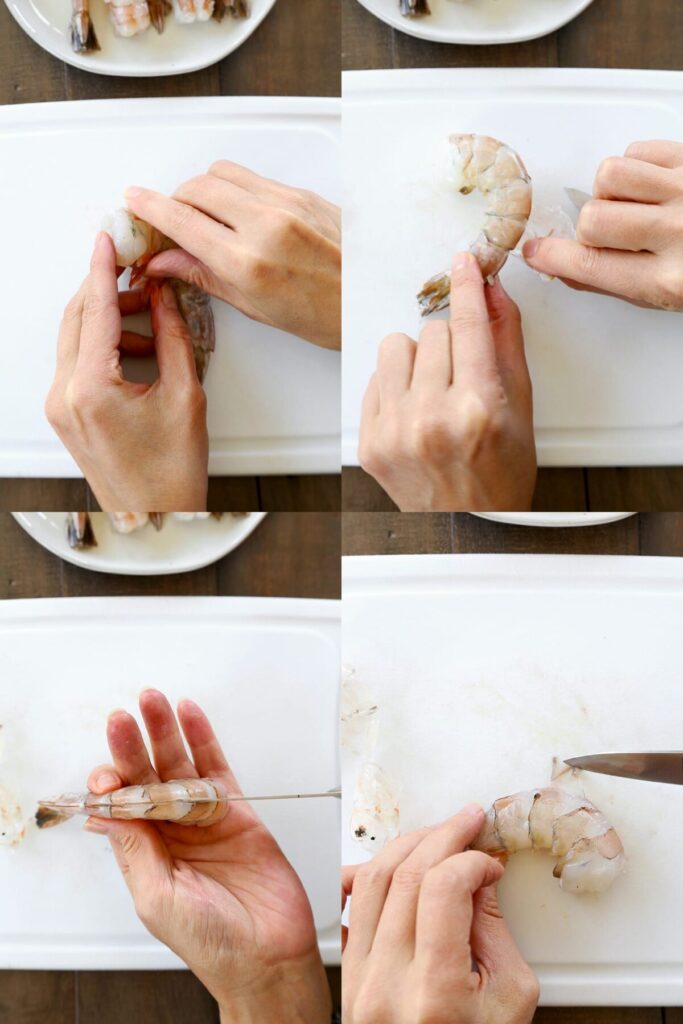
Deveining shrimp is simple and requires no special equipment:
With raw shrimp:
- Make a shallow cut along the back
- Gently lift out the dark line using a knife tip or toothpick
With cooked shrimp:
- Peel the shell
- Carefully remove the tract
(This is possible, but slightly more difficult due to firmness)
The process takes seconds — but improves the result significantly.
Do All Shrimp Need Deveining?
No.
- Small shrimp: The vein is often tiny, barely visible, and commonly left intact
- Large shrimp: The vein is more noticeable and usually removed for both appearance and flavor
This is why many seafood markets sell shrimp that are already peeled and deveined for convenience and quality control.
The Other Line People Confuse With the Vein
Shrimp also have a channel on the underside of their bodies. This is a blood vessel, not a digestive tract. It does not contain waste and does not need to be removed.
Only the dark line along the back is relevant.
What the Vein Can Reveal About Freshness
While not a perfect indicator, the vein’s appearance can offer clues:
- Very dark vein → may suggest longer storage or poor handling
- Lighter vein → often associated with fresher shrimp or cleaner feeding environments
It’s not definitive — but it can help guide quality judgment.
Hygiene and Digestive Comfort
Even though deveining isn’t required for safety, it is considered good kitchen practice. Removing the tract eliminates potential residue, sediment, and impurities. For people with sensitive digestion, it may also reduce minor digestive discomfort.
Final Insight: Small Detail, Big Difference
The shrimp “vein” isn’t dangerous — but it is meaningful.
Understanding what it is, how it affects taste, and when to remove it reflects culinary awareness, food hygiene, and cooking precision. In cooking, it’s often the smallest details that separate an average dish from an excellent one.
Taking a few extra seconds to devein shrimp doesn’t just improve flavor — it elevates the entire meal.
Smart Kitchen Choices Start With Better Food Knowledge
Modern cooking isn’t just about recipes — it’s about understanding ingredients, food quality, and preparation standards. From seafood safety to proper food handling, informed cooking leads to better health, better taste, and better long-term well-being for individuals and families.
Clean preparation, proper storage, and informed food choices are essential foundations of a healthier lifestyle.
Leave a Reply