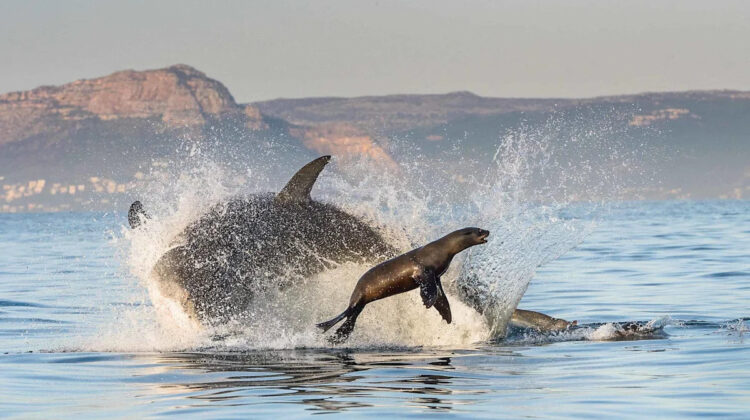
A dramatic wildlife encounter has captured the moment a great white shark attempted to ambush an unsuspecting seal, only for the hunt to end in a narrow escape.
The footage, filmed for BBC Earth, shows the shark quietly stalking the seal from below the surface before launching a sudden attack. For several moments, the predator remains almost invisible, using patience and stealth to close the distance before striking.
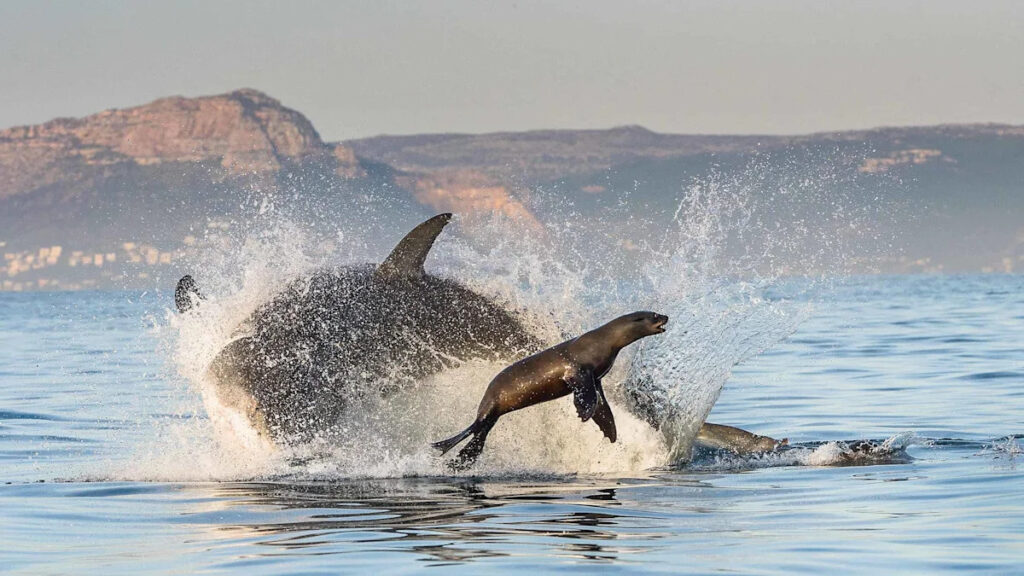
Just as the shark lunges, however, the seal appears to sense the movement in the water and reacts instantly, diving away at the last possible moment. The attack misses its target, allowing the agile marine mammal to escape unharmed.
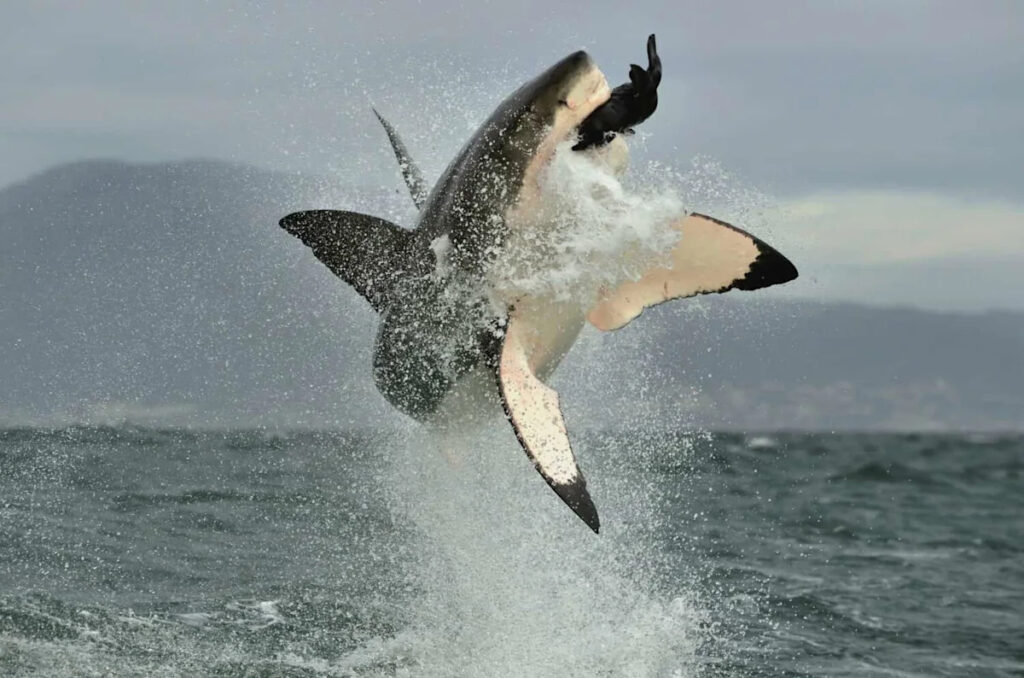
Great white sharks are among the ocean’s most efficient predators, relying on surprise rather than prolonged chases. They often attack from beneath their prey, using powerful bursts of speed to overwhelm seals, sea lions and other marine mammals before they have time to react.
Seals, however, have evolved impressive survival abilities of their own. Their exceptional agility, quick reflexes and rapid underwater acceleration can sometimes help them evade even the fastest predators during the crucial first seconds of an attack.
Marine biologists note that hunting attempts are not always successful, even for apex predators. Sharks must carefully balance the energy spent pursuing prey, and a missed strike often means the predator must wait for another opportunity.
©iStock.com/USO
The encounter highlights the constant struggle for survival beneath the ocean’s surface, where both predator and prey rely on millions of years of evolutionary adaptations. While the shark demonstrated remarkable patience and hunting strategy, the seal’s lightning-fast response proved enough to escape what could have been a fatal attack.
Why Great White Sharks Don’t Win Every Hunt
Although great white sharks are among the world’s most powerful marine predators, they do not catch prey every time they attack. Success depends on factors such as timing, water visibility, the prey’s awareness and the element of surprise. Scientists say these high-speed encounters illustrate the delicate balance of marine ecosystems, where even apex predators must repeatedly hunt to survive while prey species continue evolving faster escape responses.
Leave a Reply