
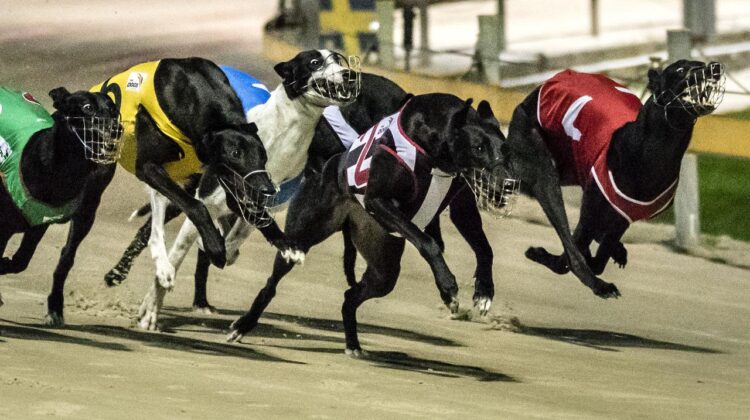
Greyhound racing in Australia has been rocked by a monumental decision — and a tragedy that many say finally pushed the sport past the point of no return.
Following the heartbreaking death of Raider’s Guide, one of Tasmania’s most celebrated greyhounds, the Tasmanian Government has announced it will completely phase out greyhound racing by June 30, 2029 — a move that has split public opinion down the middle.
Premier Jeremy Rockliff confirmed the plan on Sunday, stating the Liberal government’s funding for the industry will be pulled entirely.
“It’s time to draw a line in the sand,” Rockliff declared in a press release, acknowledging the announcement would be “extremely disappointing” for many in the greyhound industry, but adding it no longer aligned with “community expectations.”
A Tragedy That Changed Everything
Raider’s Guide — a four-year-old champion who was named Tasmania’s Greyhound of the Year in January after 17 victories in 2024 — was euthanised on July 28 after breaking his spine in a race at Launceston.
This wasn’t the first time the dog had suffered cervical spinal injuries on track. His death, for many, was a turning point.
RSPCA Tasmania CEO Andrea Dawkins called the decision “a new chapter in our community’s progress on animal welfare,” urging,
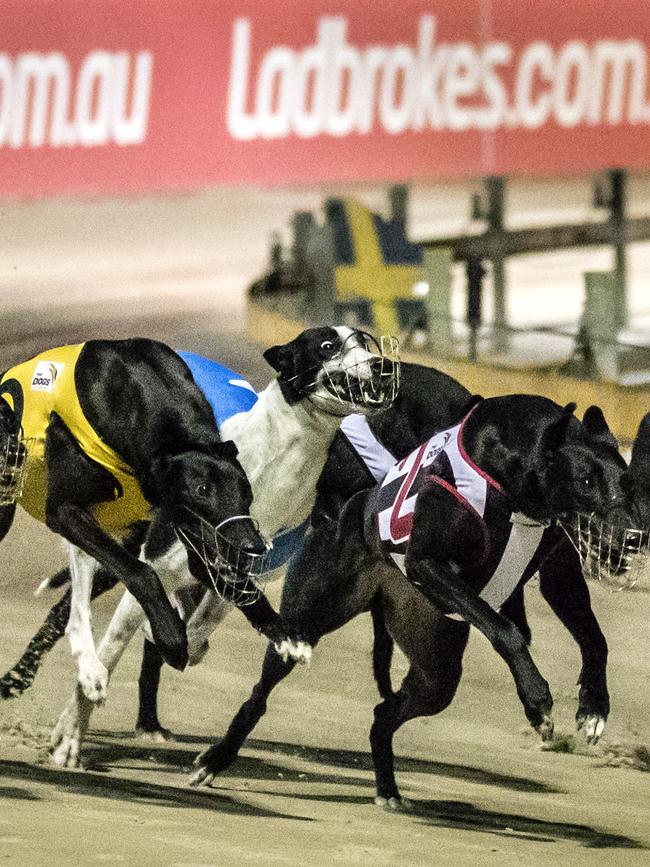
“Let the death of Raider’s Guide be the catalyst for lasting change.”
Animal advocates flooded social media with praise.
“The best news!” wrote one member of the Coalition for the Protection of Greyhounds.
“The tide is turning here in Australia,” added another.
Some celebrated the years of campaigning that led to the ban, with one supporter noting:
“We’ve always said Tassie would get this done first.”
Critics Say It’s Not Enough — Or Unfair
While many welcomed the announcement, others argued it didn’t go far enough, insisting the entire industry should be banned immediately.
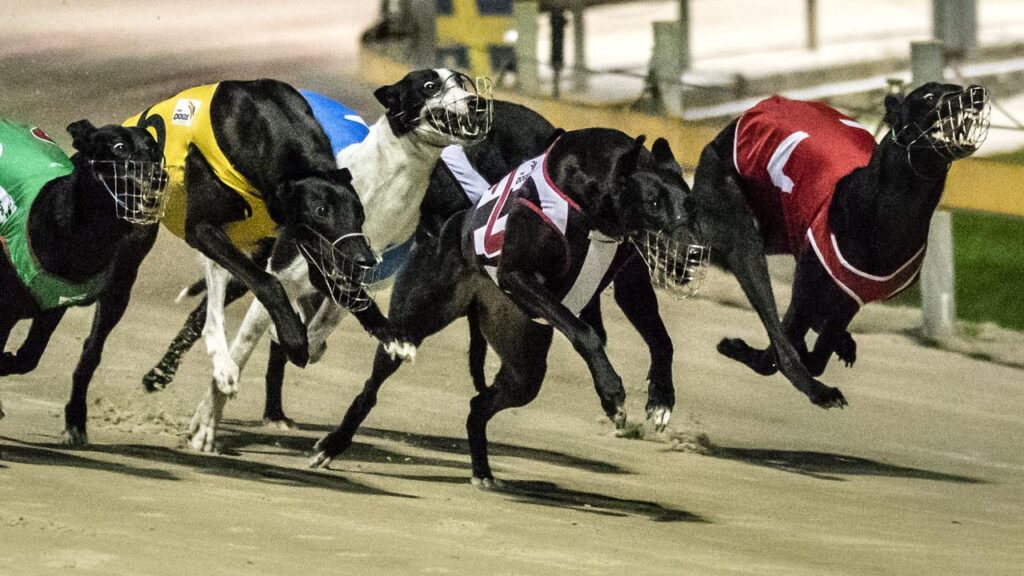
Others feared trainers might simply relocate to other states.
“Now if we can prevent Tassie trainers from packing up and going to another state, that would be amazing,” one post read.
The racing community has been quick to respond — and not all agree with the ban. Former senior sports journalist Ray Gatt criticised the decision, writing:
“Ah yes. Pick on the battlers, the mums and dads who can’t fight back. Meanwhile, everything is fine in thoroughbred racing… but that’s too big a battle hey.”
Many in the industry feel smaller, family-run kennels are being unfairly targeted while larger, wealthier horse racing operations escape similar scrutiny — despite their own controversies.
What Happens Next
The Tasmanian Government says the four-year transition will give trainers, breeders, and clubs time to plan for the future, with support offered to those affected.
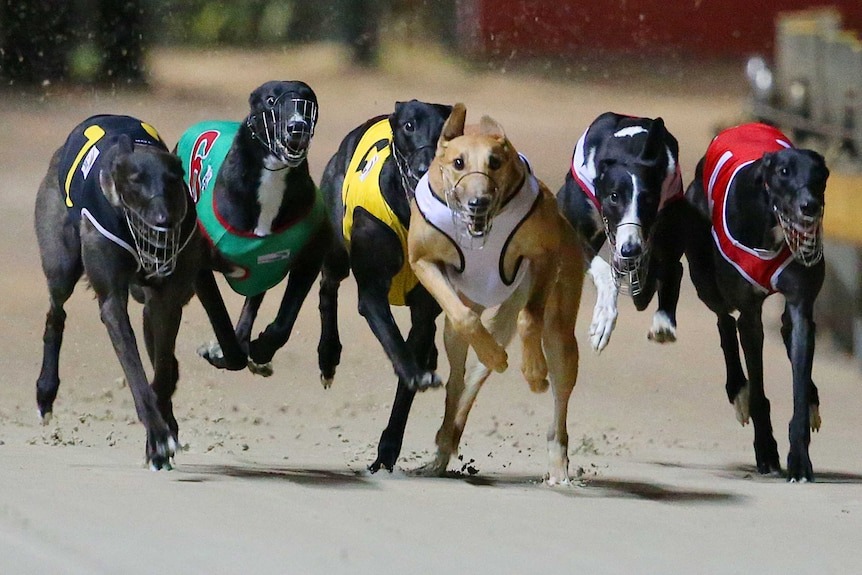
But greyhound rescue groups like Hounds in Homes warn the phase-out could put huge strain on rehoming efforts.
“Closing down all country tracks and smaller kennels means misplacing lots of greyhounds,” a spokesperson said.
Some predict that in other states, big kennels will continue as usual while smaller operations collapse — leaving more dogs at risk.
Part of a Larger Shift
Tasmania is not alone. The ACT became the first Australian jurisdiction to ban greyhound racing in 2018, and New Zealand’s government has confirmed plans to end the sport there as well.
Advocates hope Tasmania’s move will inspire New South Wales and other states to follow suit.
“Great news! Thank you Tasmania for ending cruel greyhound racing,” one Facebook user wrote. “Please end it in NSW next!”
Still, the political undertones are hard to ignore. Rockliff’s minority government may benefit from aligning with independents who have strong animal welfare platforms — a point not lost on commentators.
Whether this is a moral stand or a political strategy, the message is clear: Tasmania is walking away from greyhound racing. And as the clock ticks towards 2029, the pressure on other states is only set to grow.
Leave a Reply