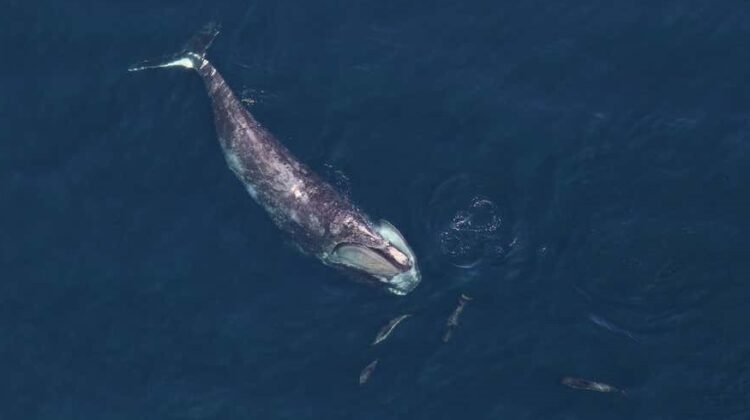
Even the most powerful may lose a war! Whales, who are among the biggest creatures on the planet, have a similar narrative. Whales are apex predators that play an important part in the overall health of the marine ecosystem. Nonetheless, numerous whale species have faced extinction in recent decades.
Every year on February 20, the globe celebrates Whale Day to raise awareness of the issues that these species face in surviving on this planet. Here are some interesting facts about these beasts that will shock your head!
The first whales were land-based.
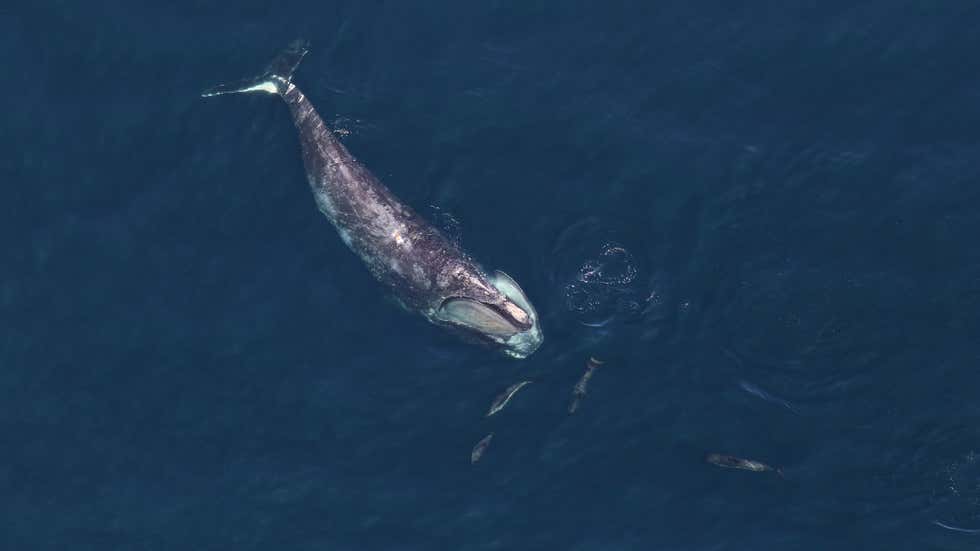
Whales are thought to have originally appeared on Earth some 50 million years ago, according to scientists. Egyptian palaeontologists discovered a 43-million-year-old fossil of a four-legged whale that walked on land and swam in enormous oceans only last year. The fossil belongs to a member of the protocetidae family, an ancient group of whale-like creatures that existed between 56 million and 33.9 million years ago.
There are two varieties of whales that exist today.

There are two sorts of whales: toothed and baleen. Toothed whales, as the name implies, have teeth that they utilize to hunt and eat their food. Sperm whales, beaked whales, and dolphins are all toothed whales! Yes, you read that correctly. Dolphins, too!
Whales are assisting in the battle against climate change.
How? It’s with their feces! The iron-rich feces promote the growth of phytoplankton, which are microscopic plants that extract carbon from the atmosphere while creating oxygen. According to estimates, marine phytoplankton produces 50 to 85 percent of the oxygen we breathe and absorbs roughly 40 percent of the CO2 generated by the earth, which is four times the amount captured by the Amazon rainforest!
According to a research undertaken by the International Monetary Fund (IMF), an average great whale sequesters 33 tons (approximately 29,937 kg) of CO2 over the course of its lifespan, whereas an average tree absorbs up to 48 pounds (21 kg) of CO2 every year. When these species die, their carbon is either used to drive deep-sea ecosystems or integrated into marine sediments far under the ocean’s surface.
For several months, humpback whales fast.
The humpbacks may devote all of their energy to their marathon migration and breeding while fasting. As a result, a humpback whale living off its fat store for 5-7.5 months of the year while traveling large distances. They actively graze on krills for roughly 22 hours of the day after coming to Antarctica from their tropical breeding homes!
To catch their prey, they blast bubbles.
Bubble-net feeding is a behavior used by humpback whales and Bryde whales to catch their meal. The procedure is usually started by one whale exhaling via its blowhole. When the other students spot the individual, they will blast more bubbles and encircle their victim. The prey is unable to break through the bubble barrier and falls victim to the trick.
Individuals can be identified by the tail of a whale.
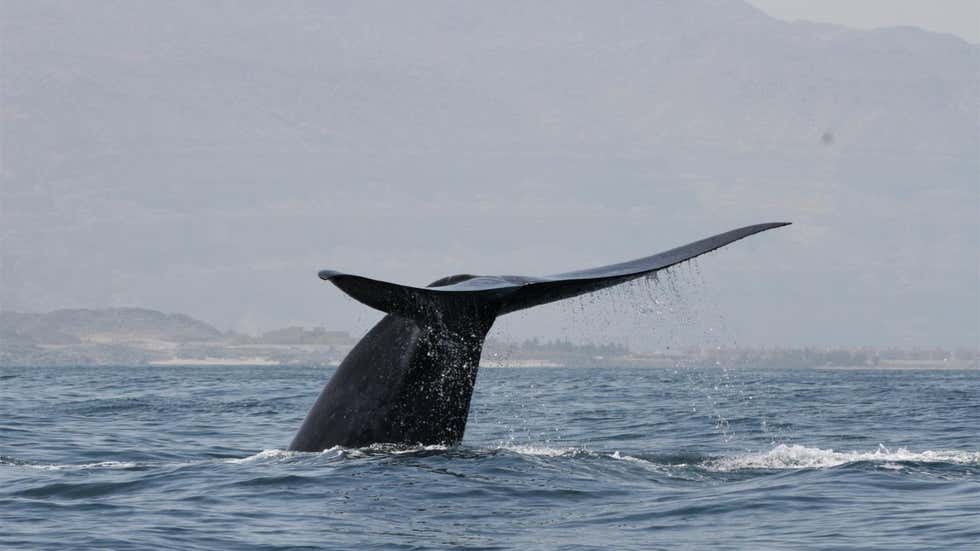
Each whale’s tail is unique, just like human fingerprints or tiger stripes. Scarring, barnacles, notches, patterns, and forms on the bottom of a whale’s fluke (tail) might assist distinguish individuals. And it is through this method that scientists are able to identify them.