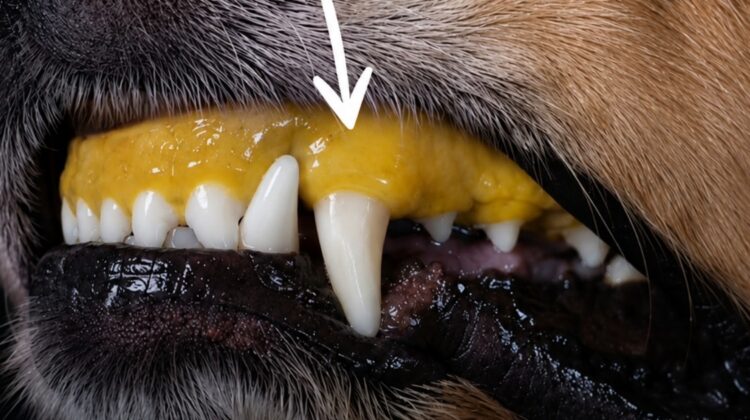
Your dog’s gums can reveal more about their health than you might expect. A quick check can sometimes provide an early warning that something is wrong, even before more obvious symptoms appear.
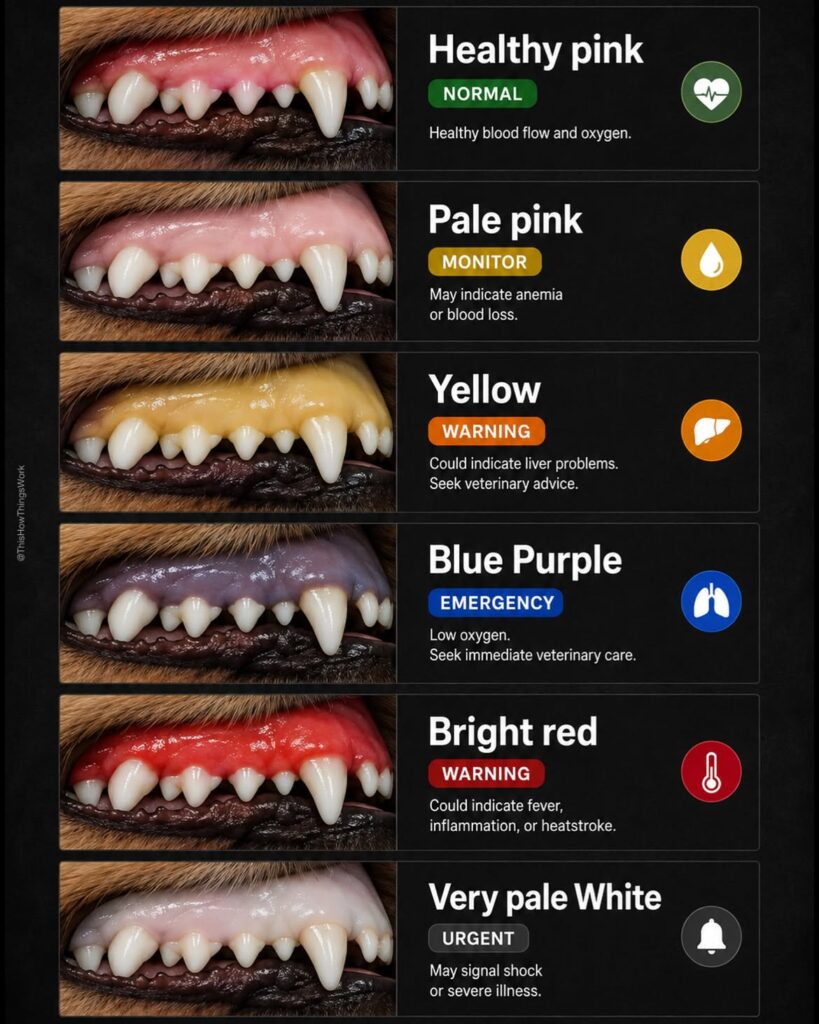
Healthy dogs typically have pink, moist gums, which generally indicate good circulation and oxygen delivery. However, changes in color can sometimes signal an underlying problem.
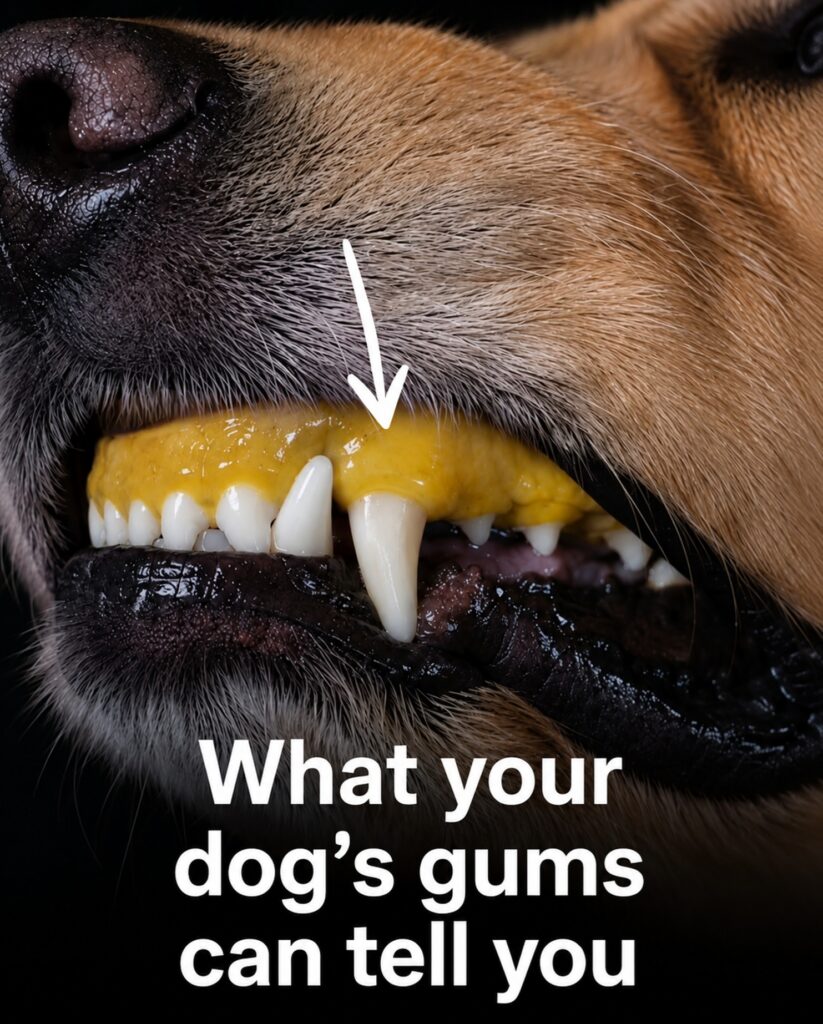
Pale or white gums may be associated with blood loss, anemia, shock or poor circulation. Yellow gums can be linked to jaundice and conditions affecting the liver or red blood cells. Blue or purple gums may indicate inadequate oxygen and can be a medical emergency, while unusually bright-red gums can occur with overheating, inflammation, toxins or other serious conditions.
It is important to remember that gum color alone cannot diagnose an illness. Some dogs naturally have darker pigmentation on their gums, making changes more difficult to notice. Knowing what your dog’s gums normally look like can therefore make it easier to recognize unusual changes.
You can gently lift your dog’s lip when they are calm and look at the gums without forcing their mouth open. If the color suddenly looks different, particularly if your dog is weak, struggling to breathe, vomiting, collapsing or behaving unusually, contact a veterinarian promptly.
Why Regular Dental Care Matters
Gum health is also closely connected to your dog’s oral health. Plaque and tartar can contribute to gum inflammation, bad breath and periodontal disease, which may become painful and affect overall wellbeing if left untreated. Regular veterinary dental examinations, appropriate dental care at home and a balanced diet can help protect your dog’s teeth and gums throughout life.
Leave a Reply