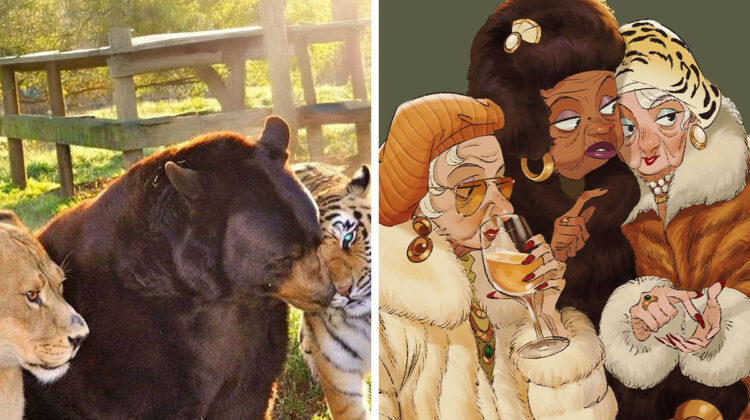
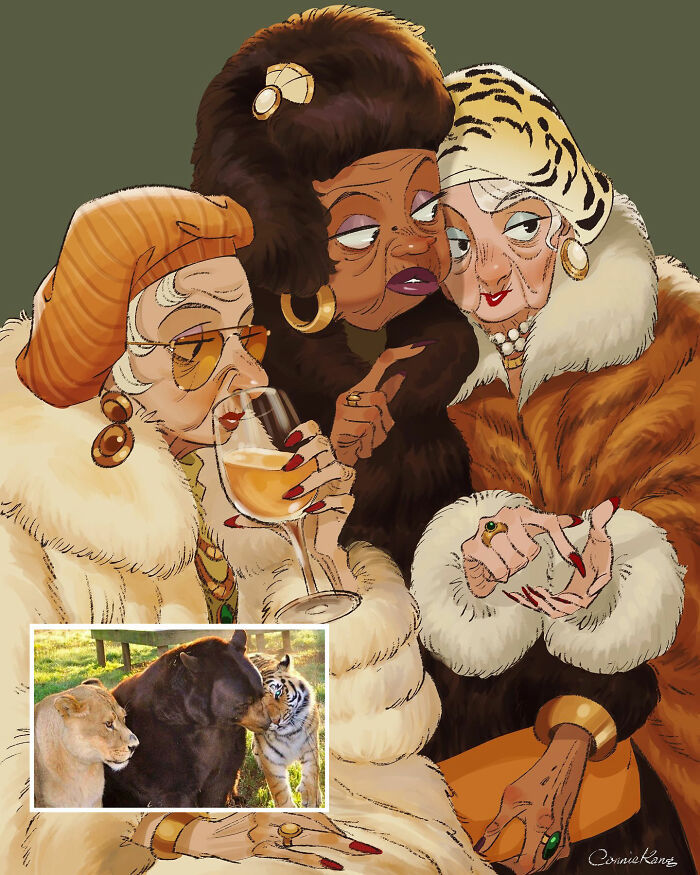
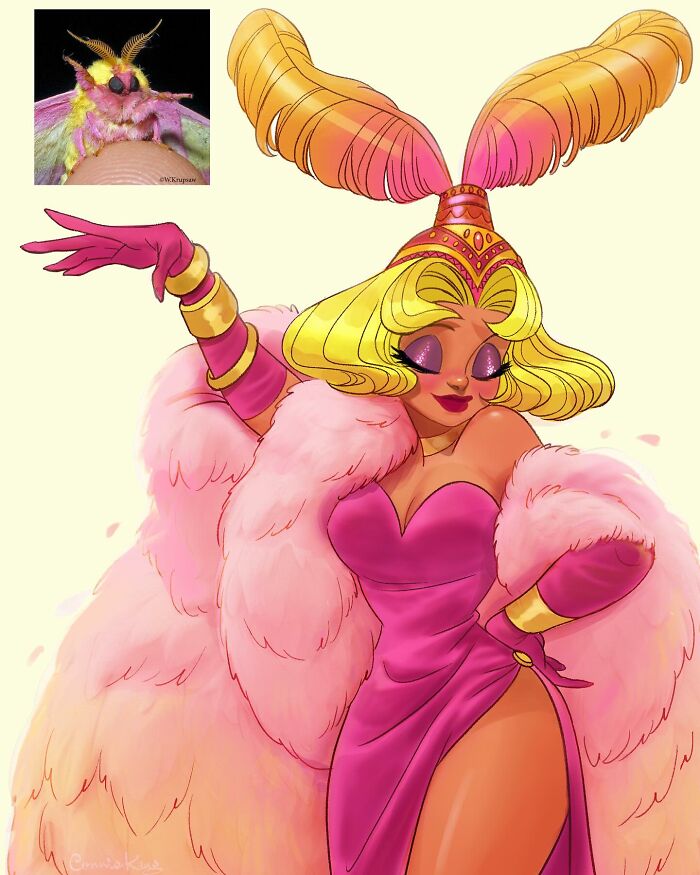
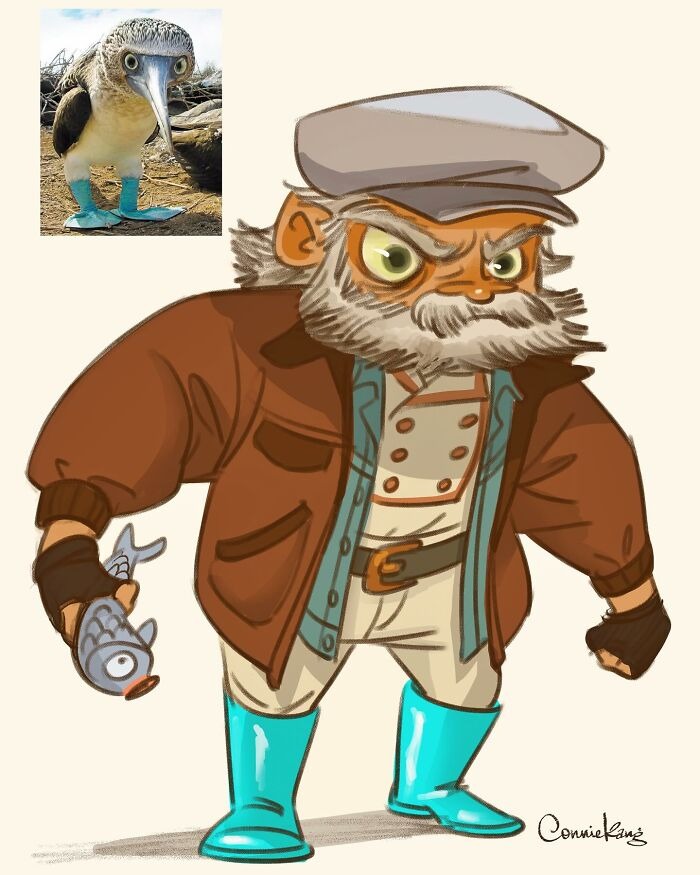
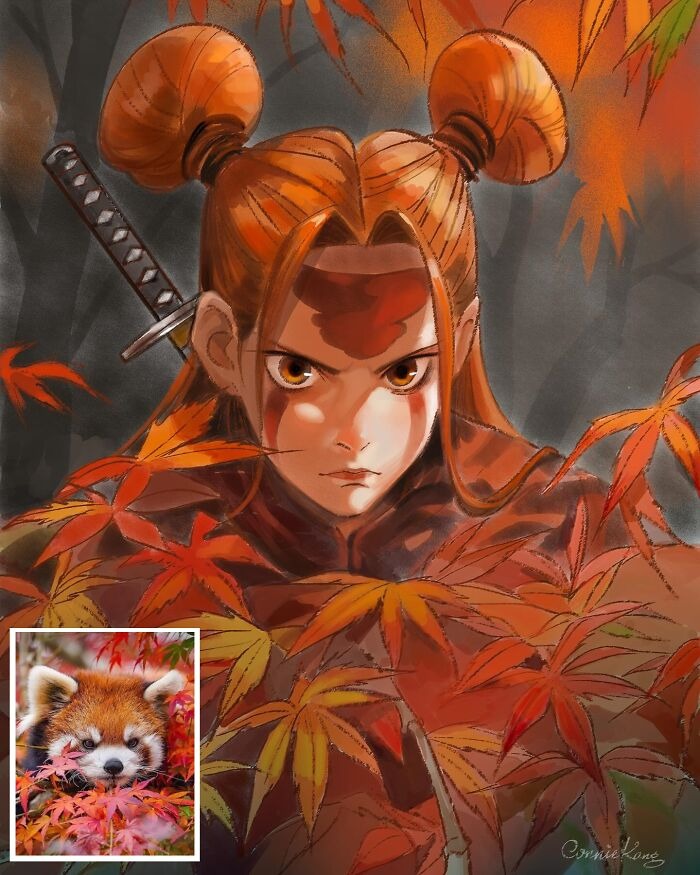
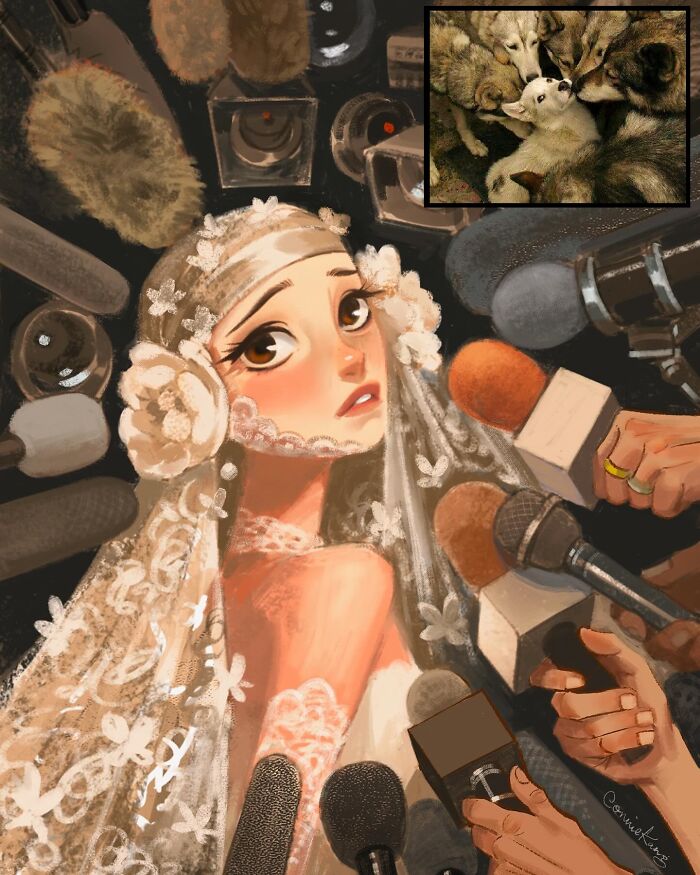
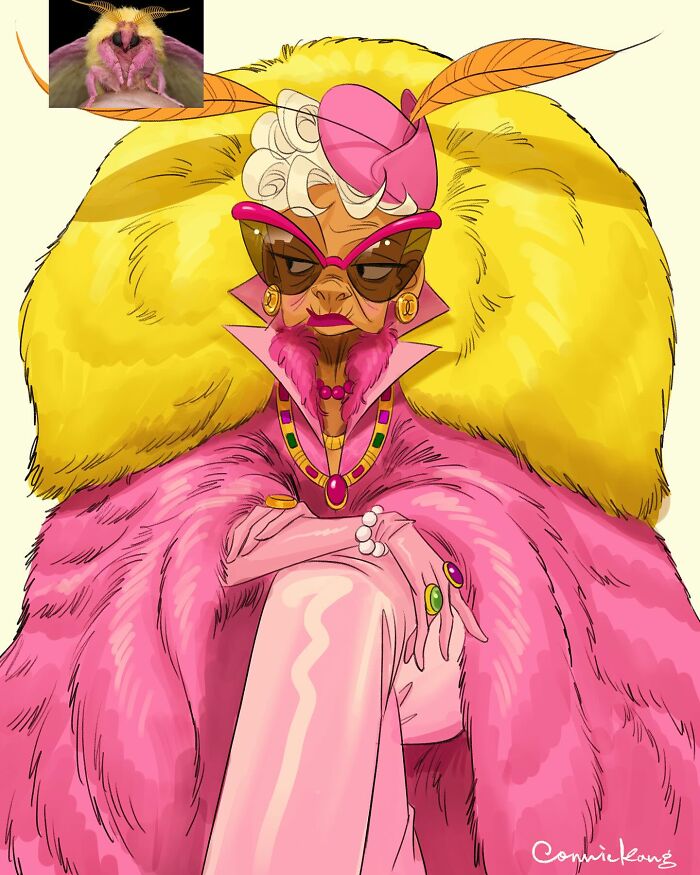
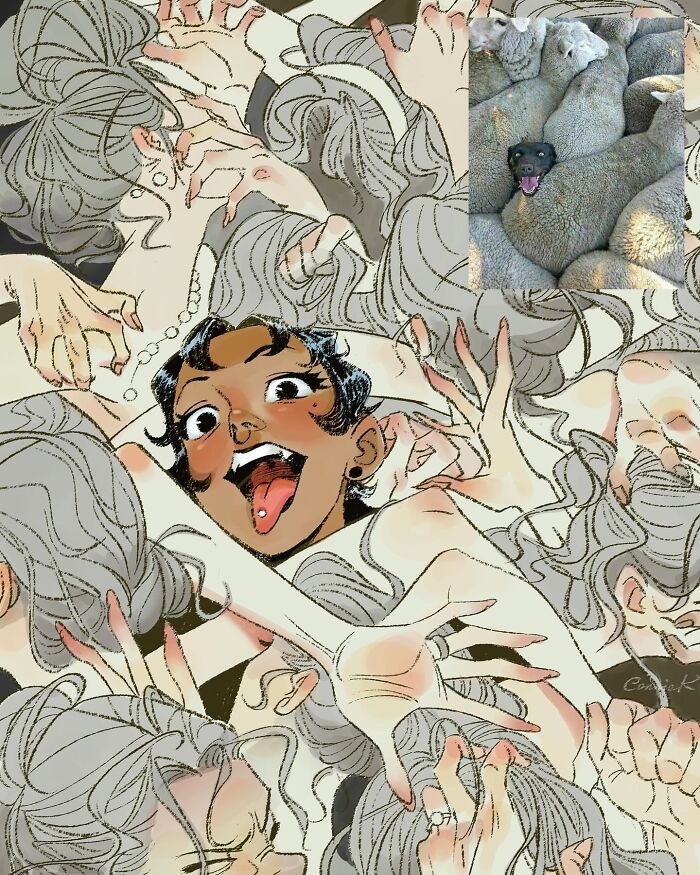
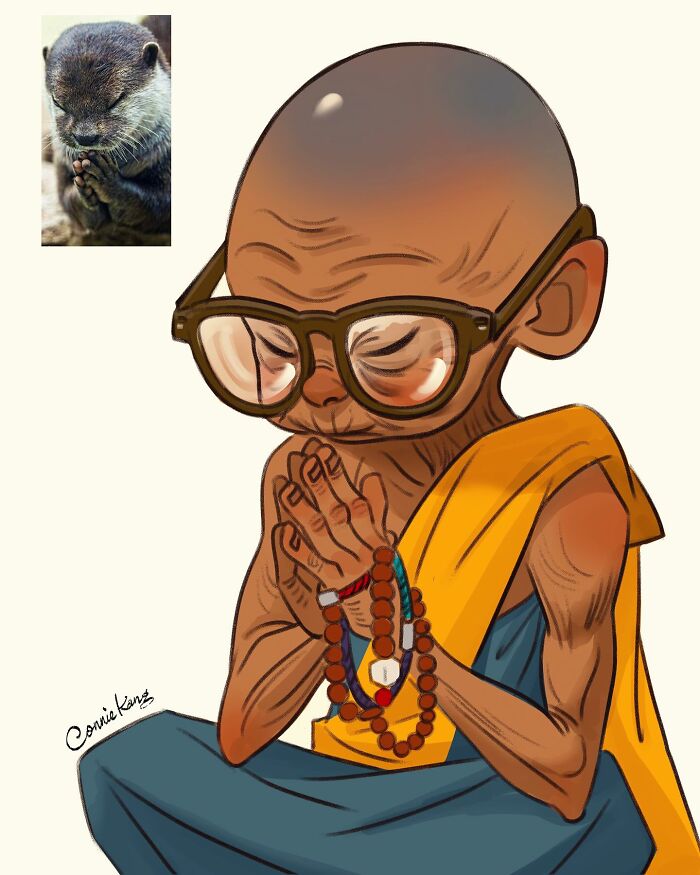
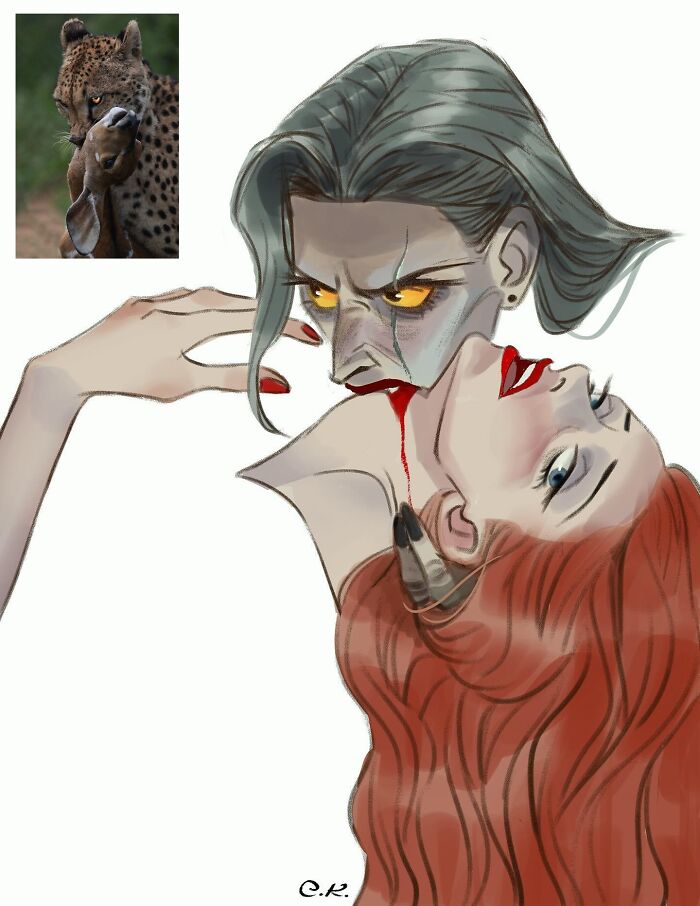
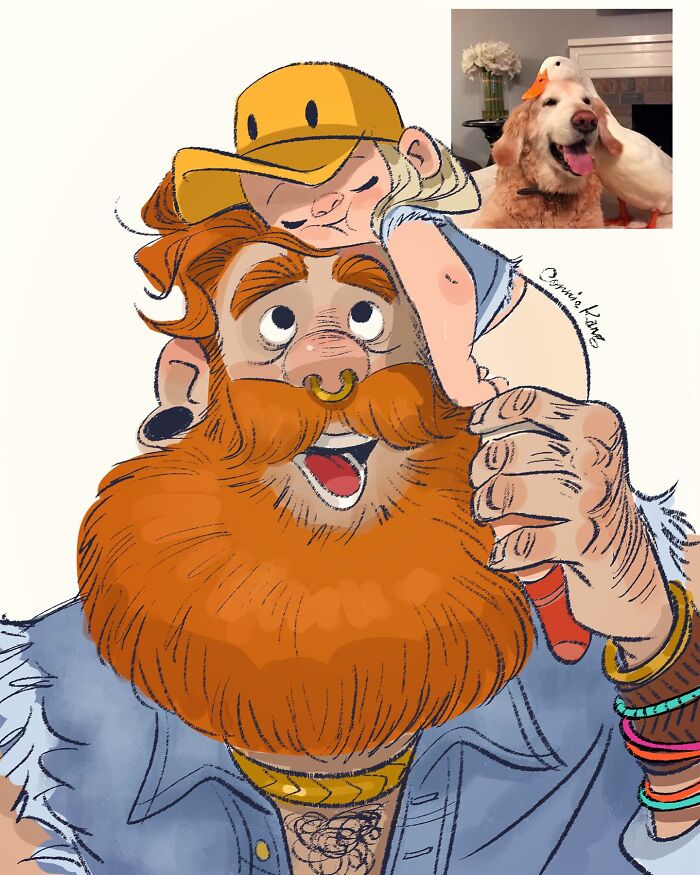
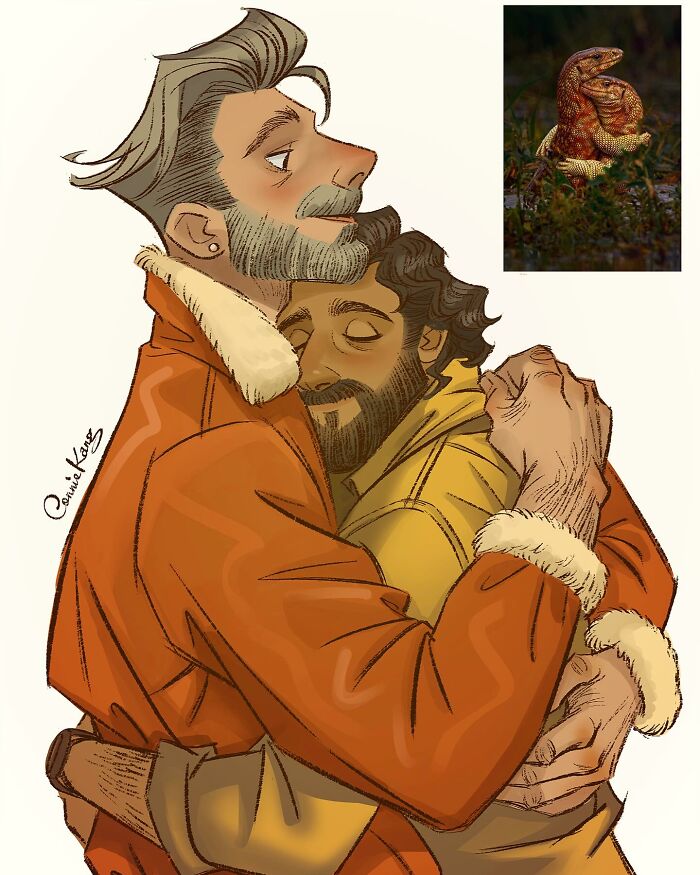
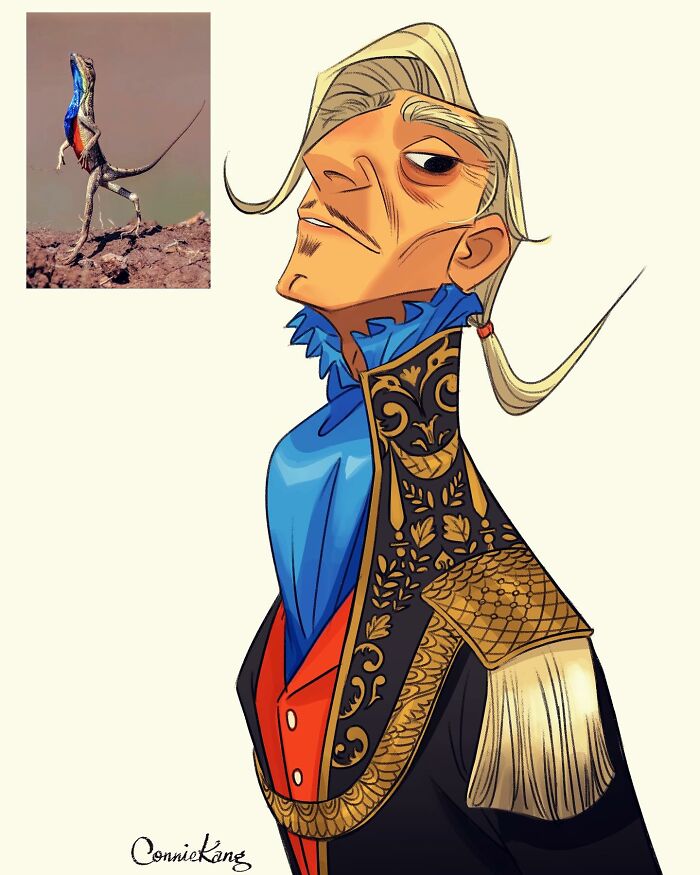
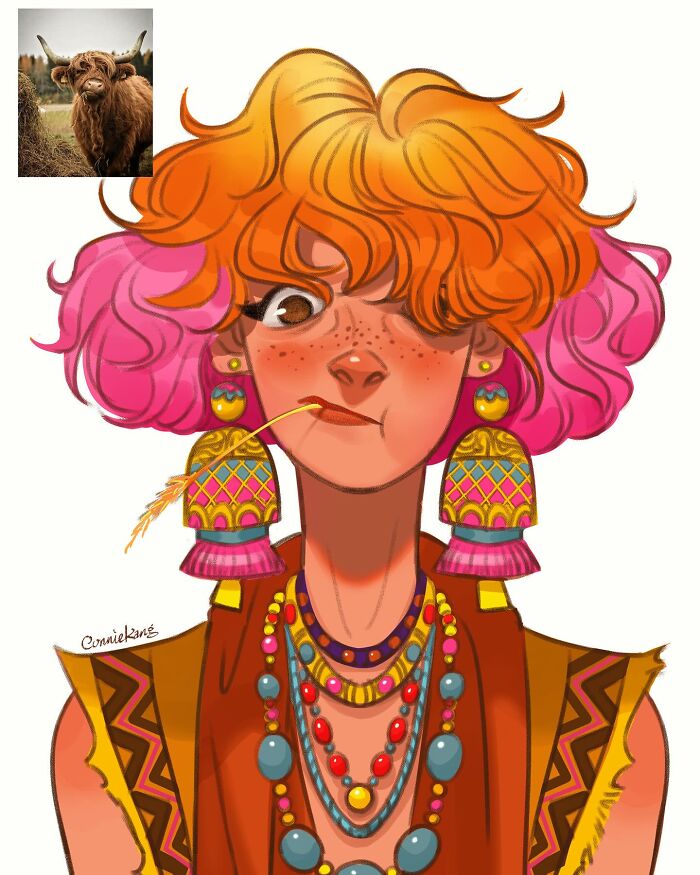
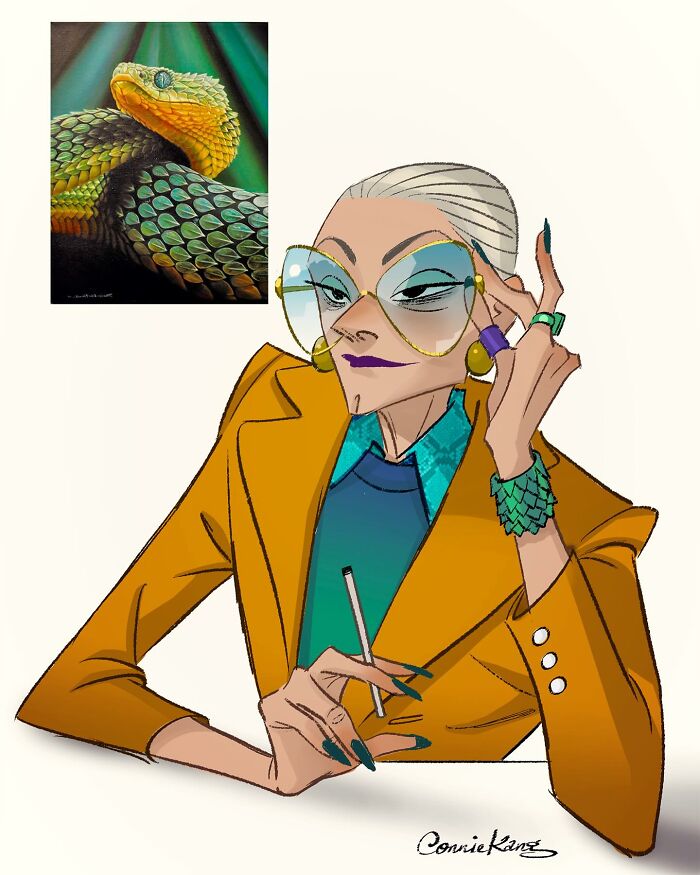
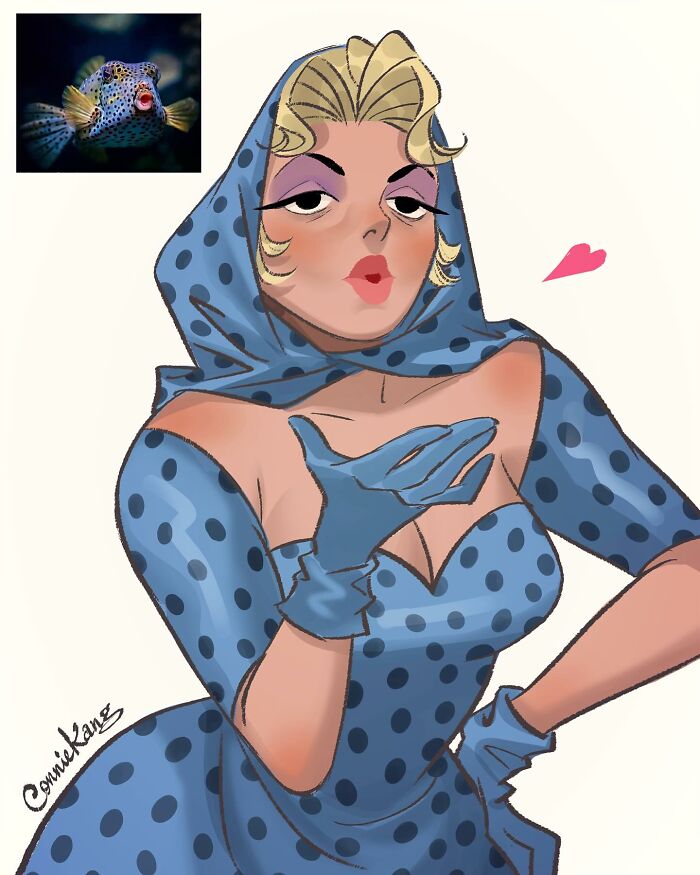
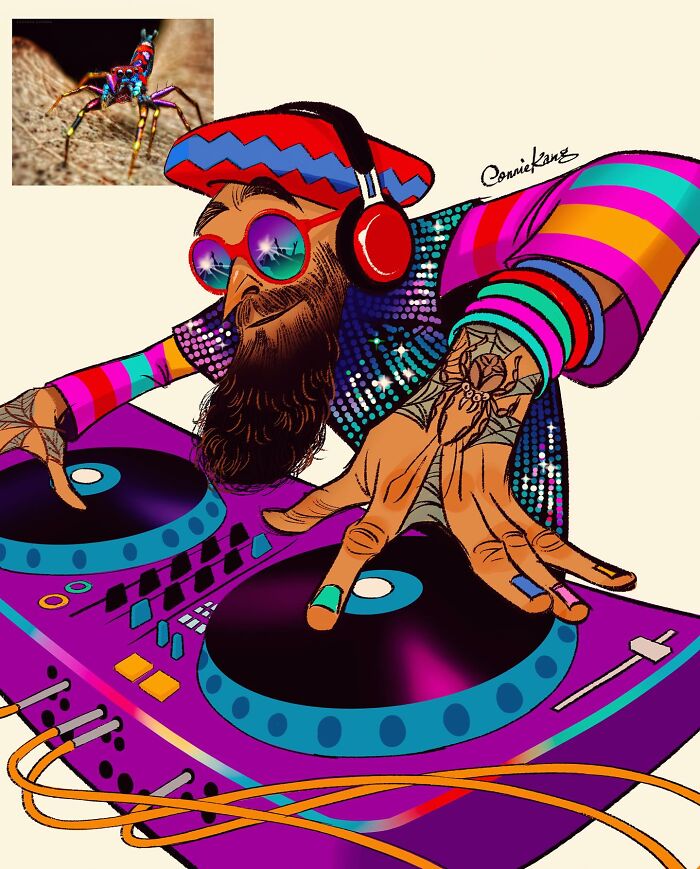
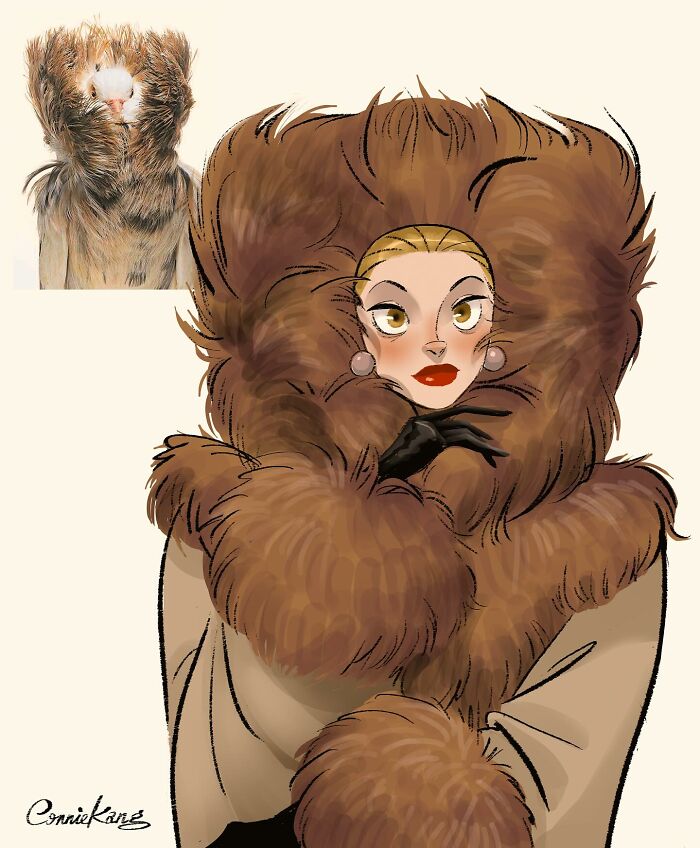
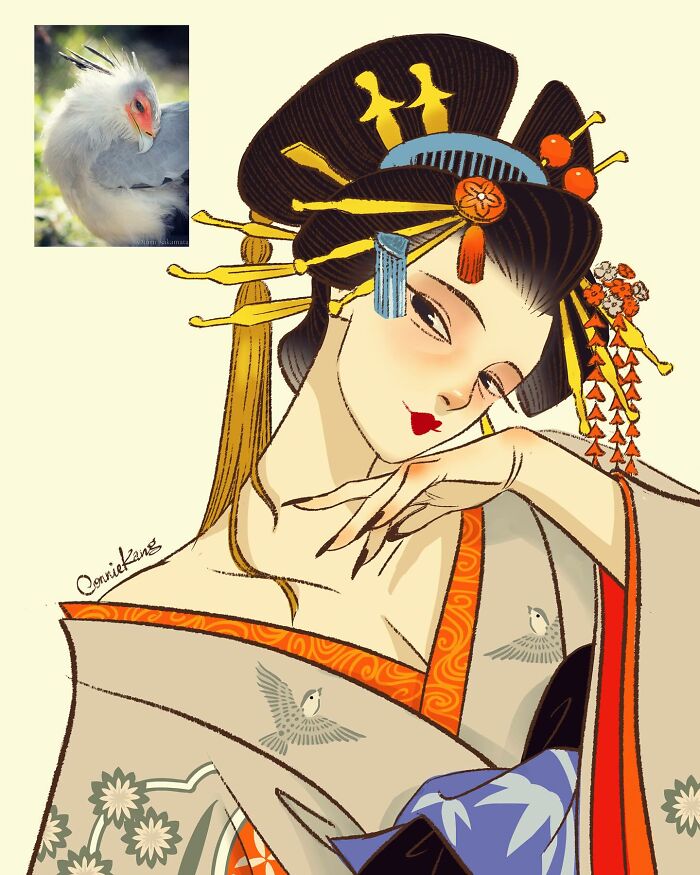
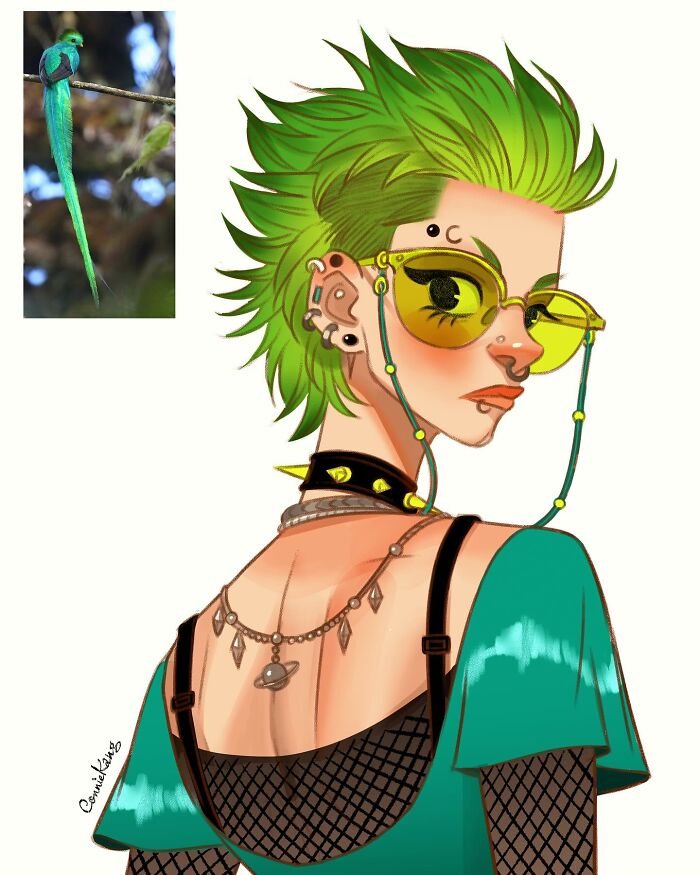
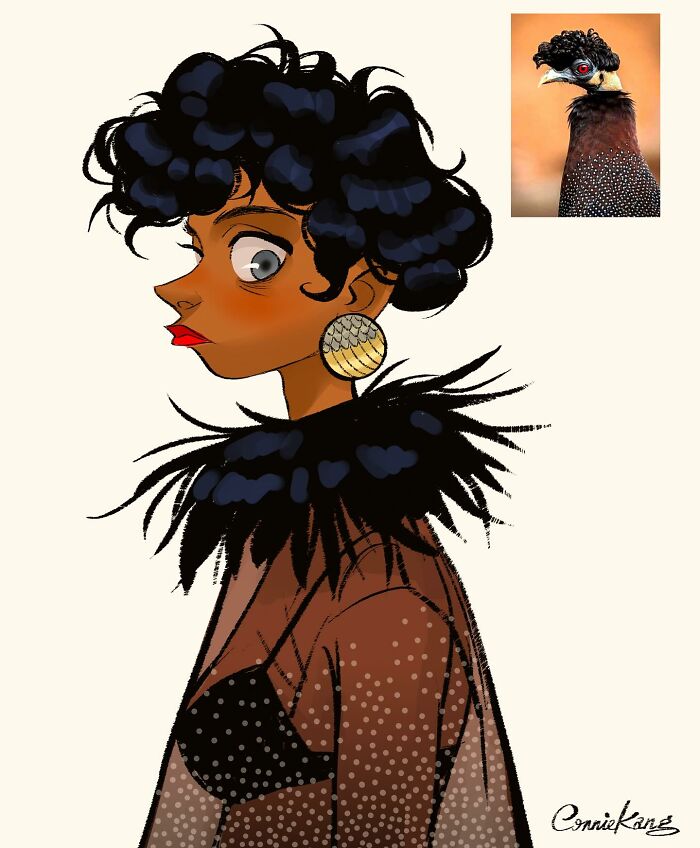
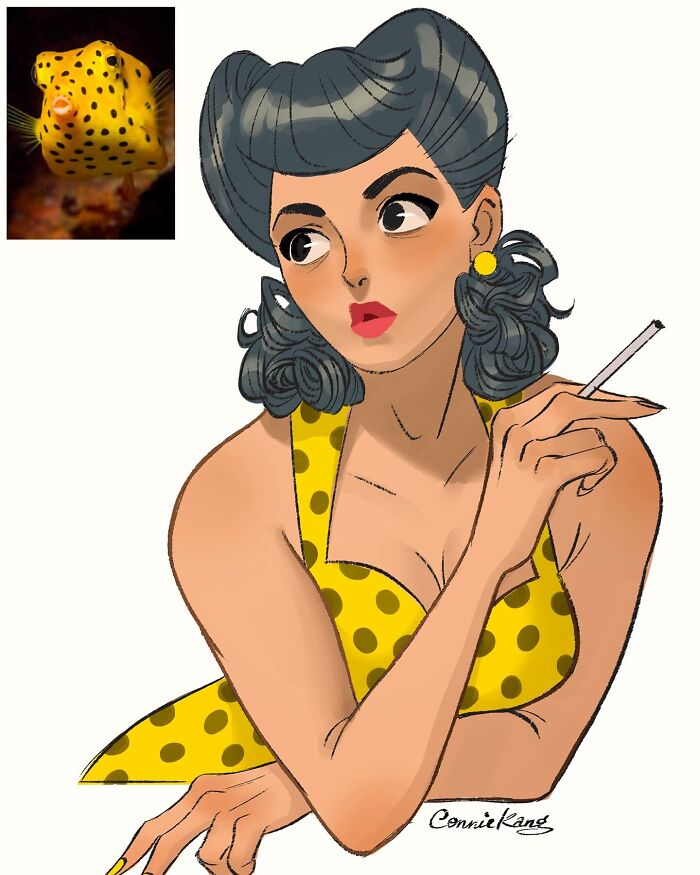
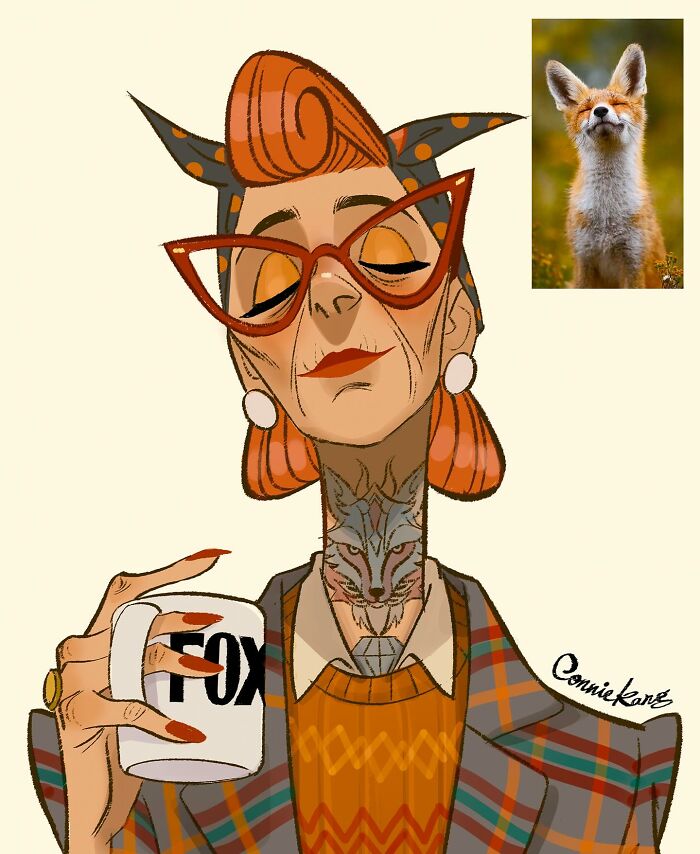
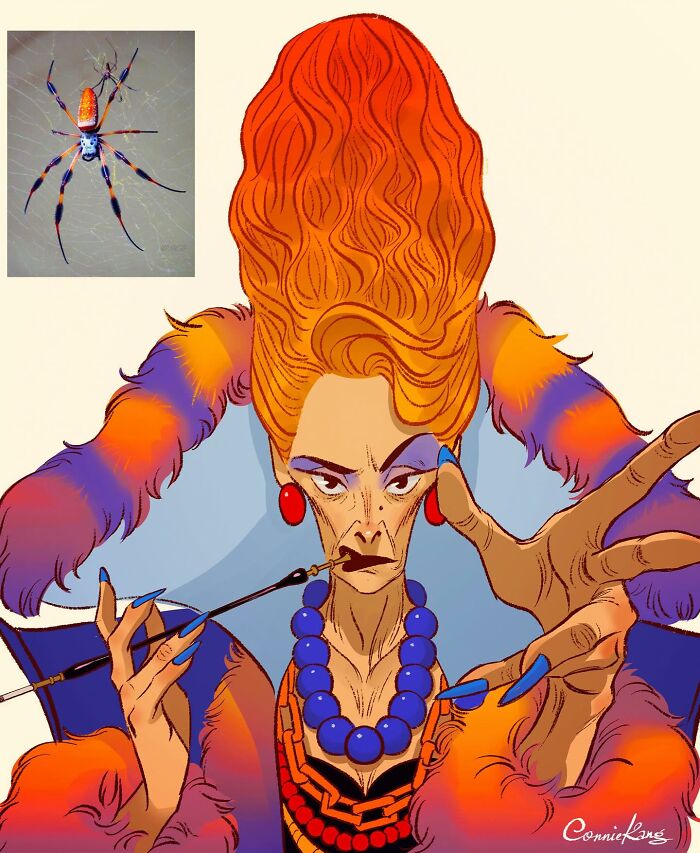
The illustrations of Connie Kang blur the line between human identity and animal instinct, creating characters that feel both imaginative and uncannily familiar.
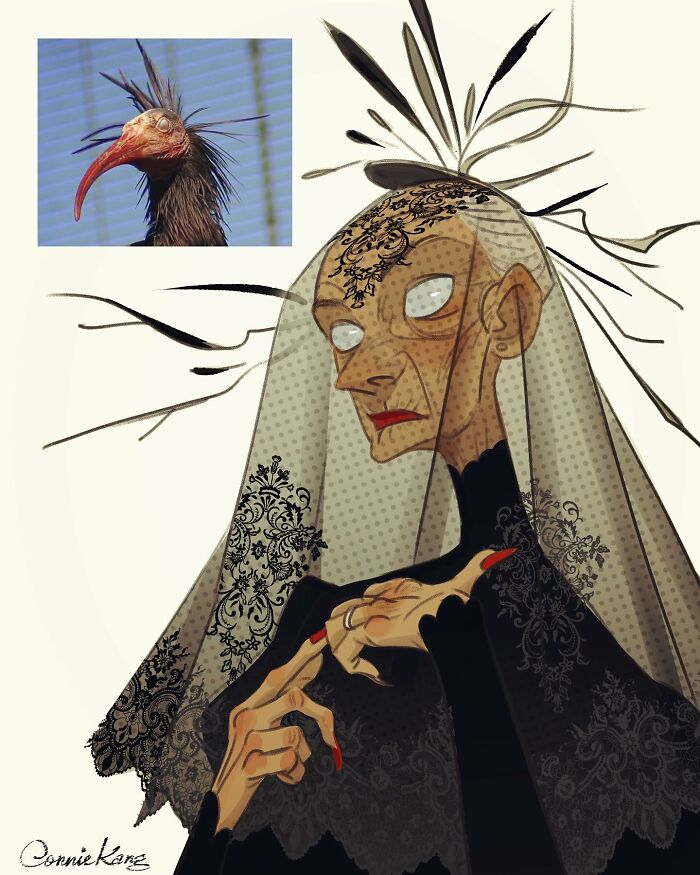
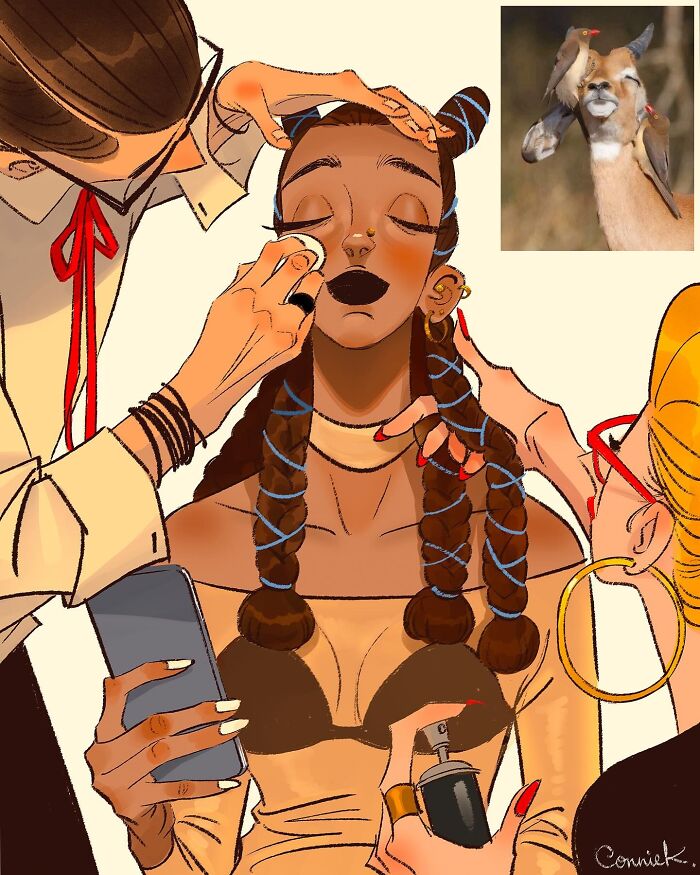
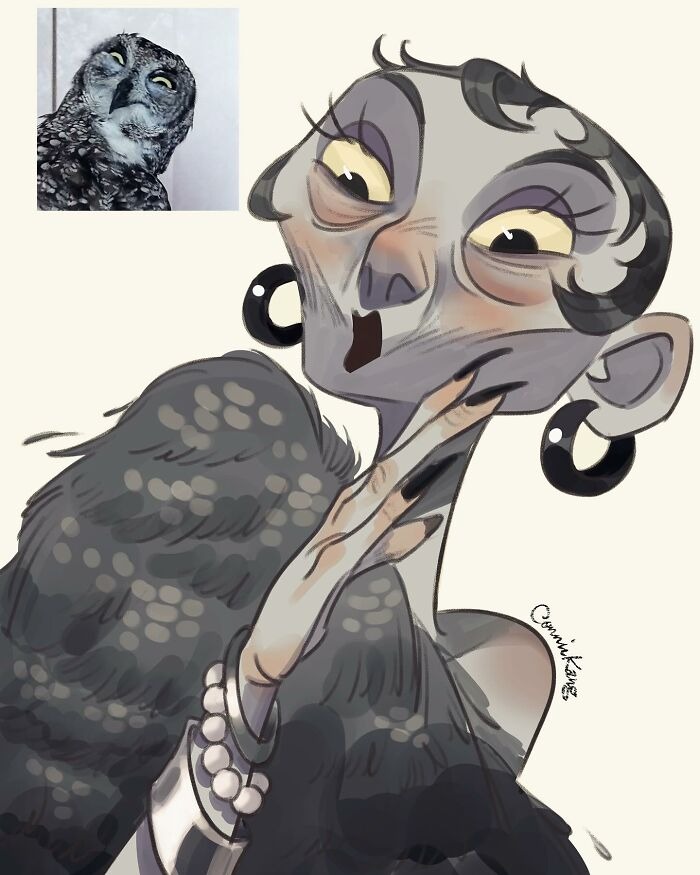
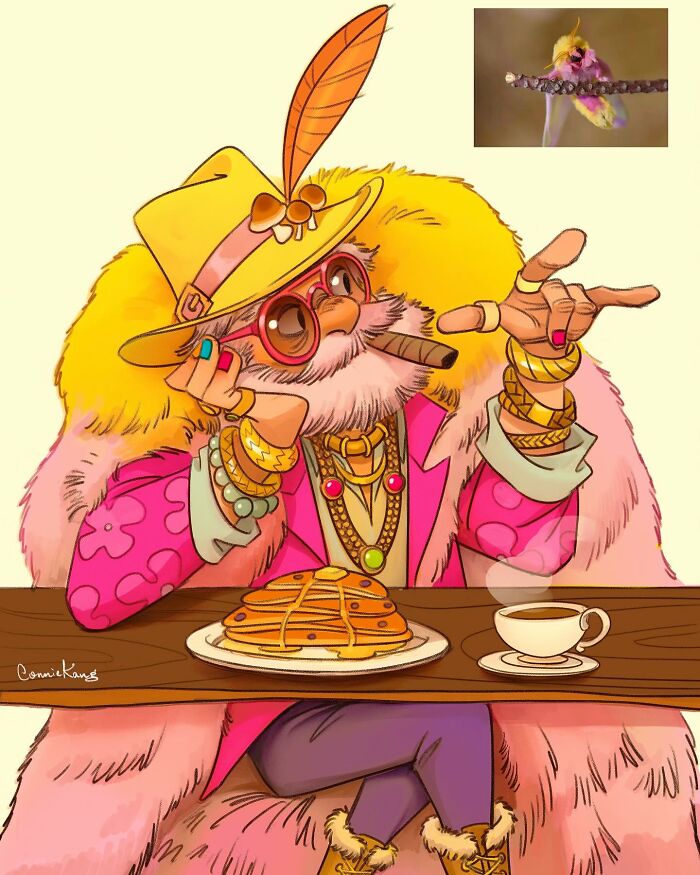
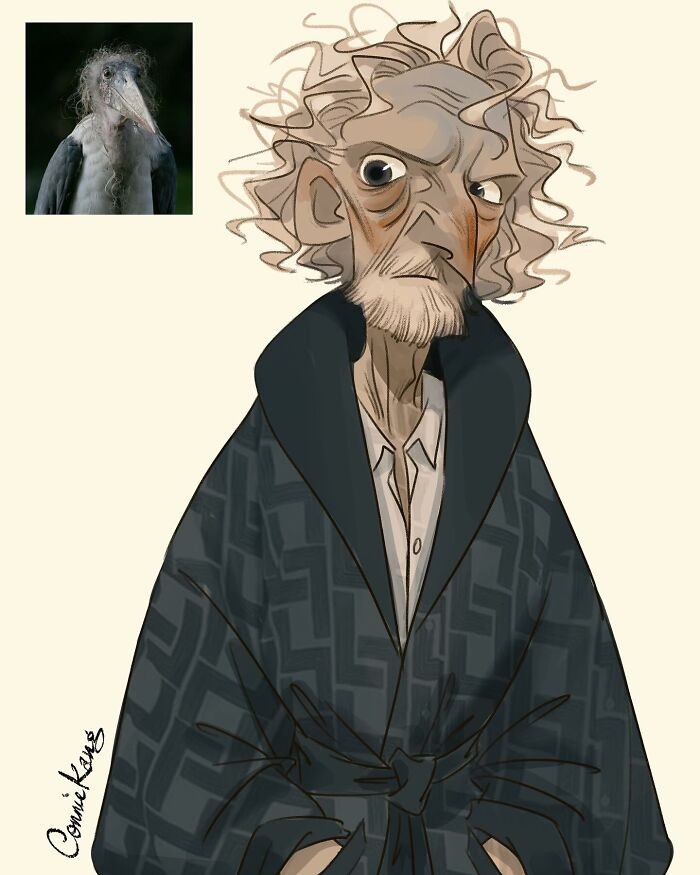
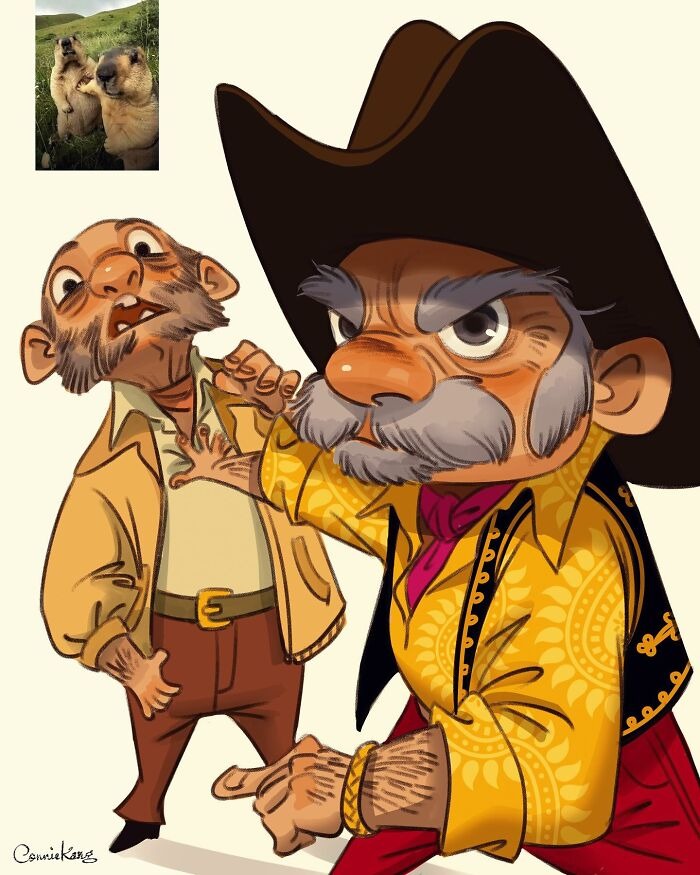
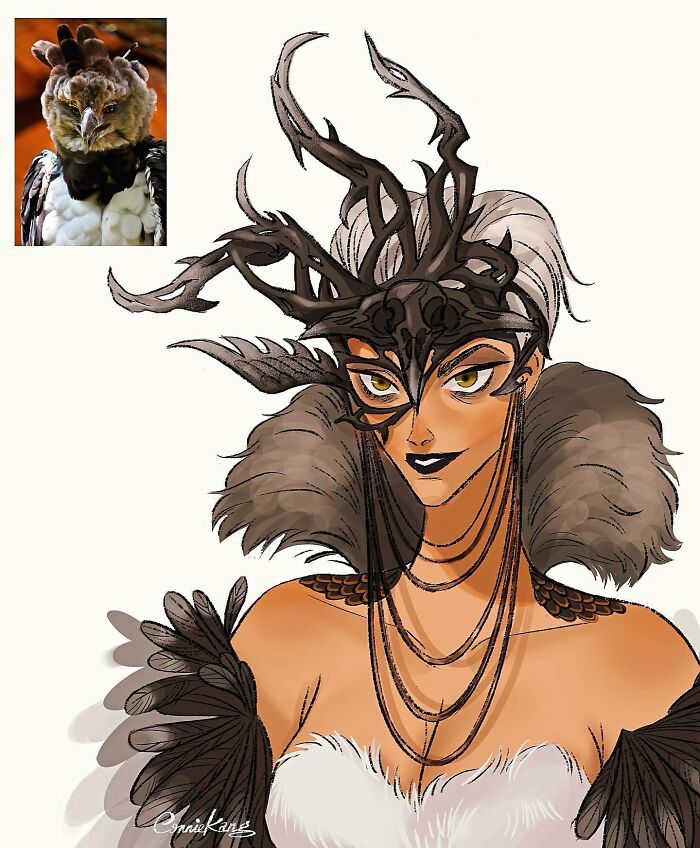
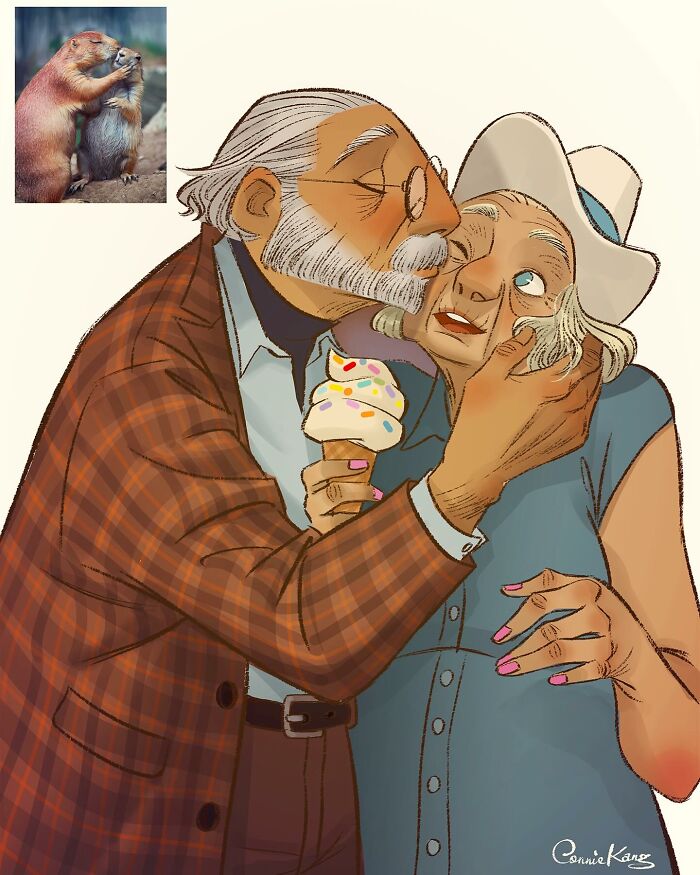
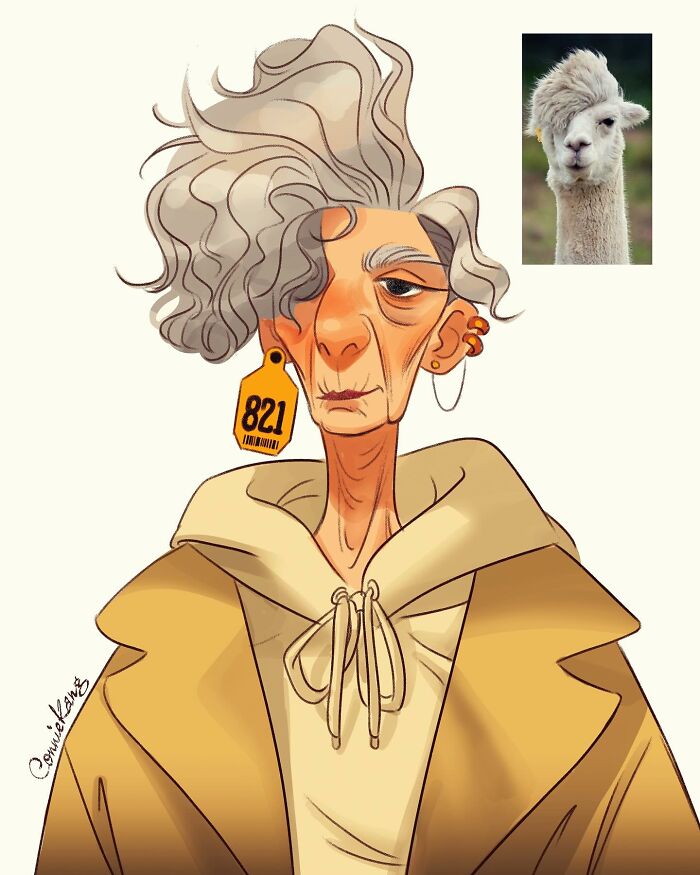
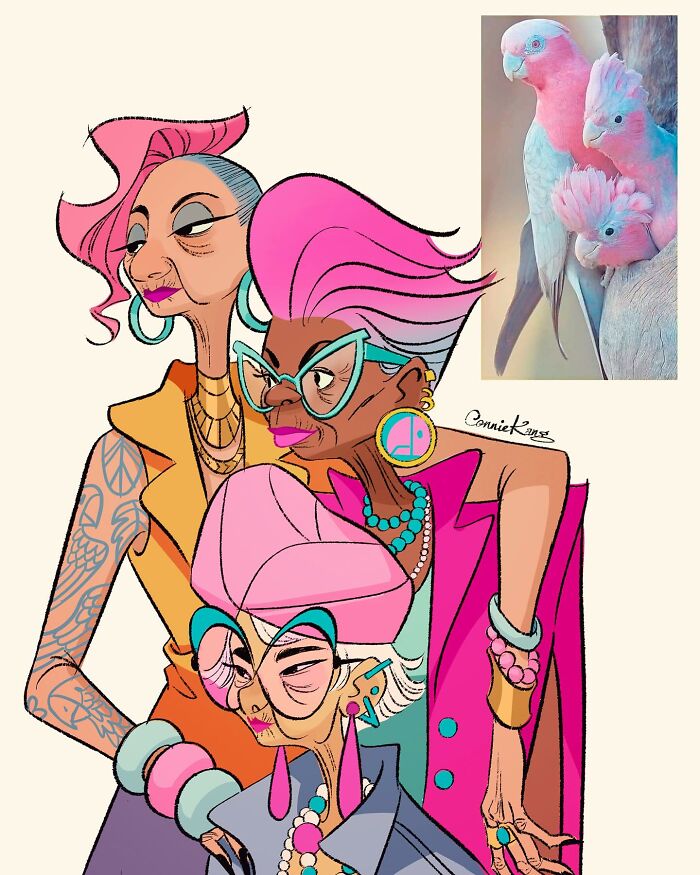
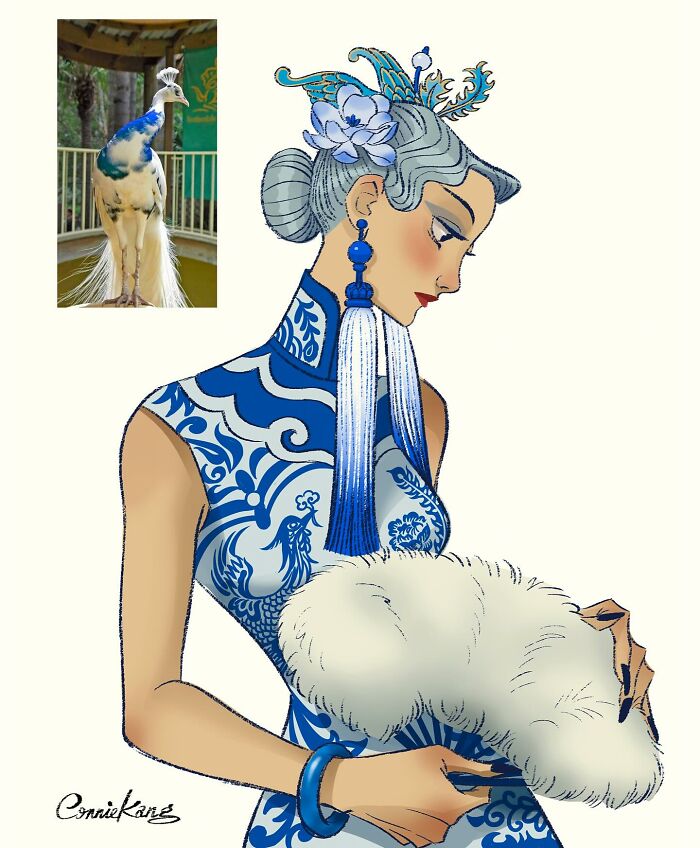
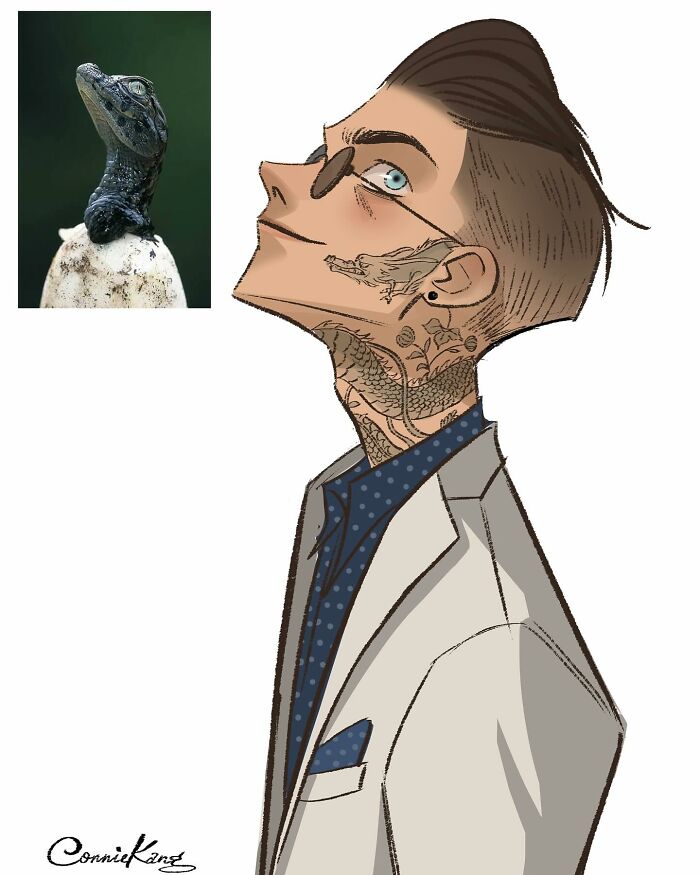
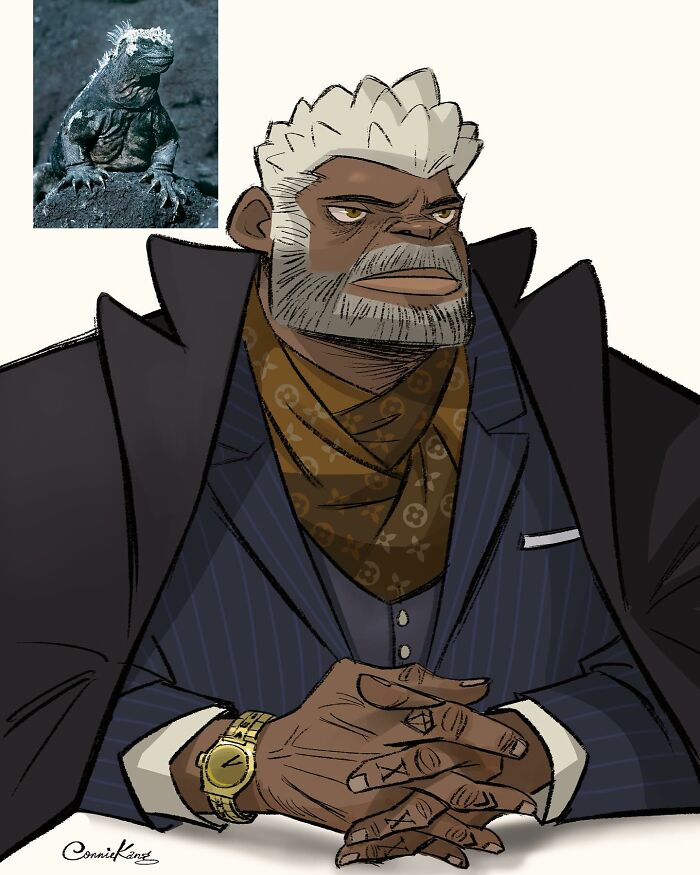
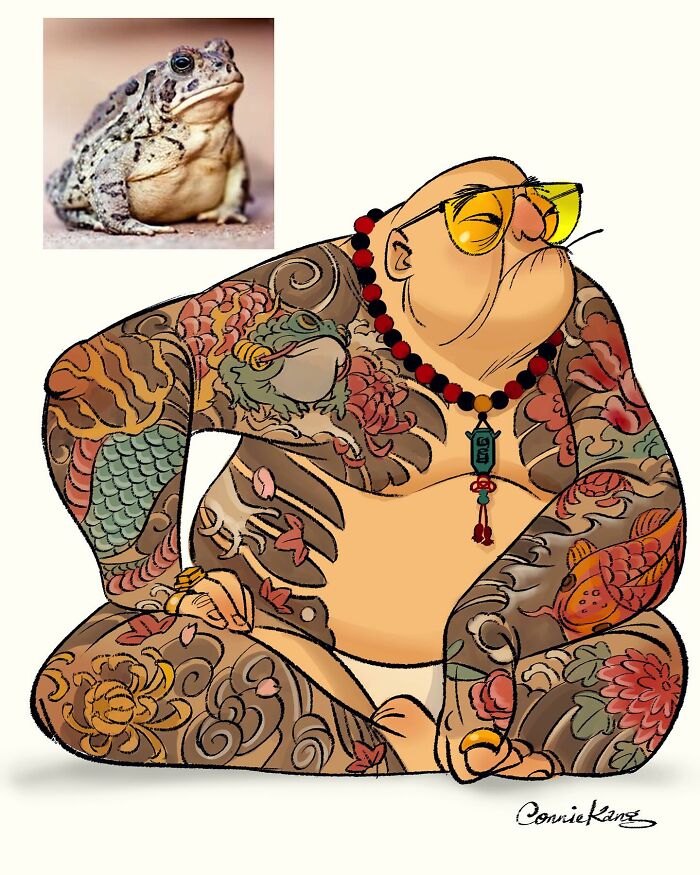
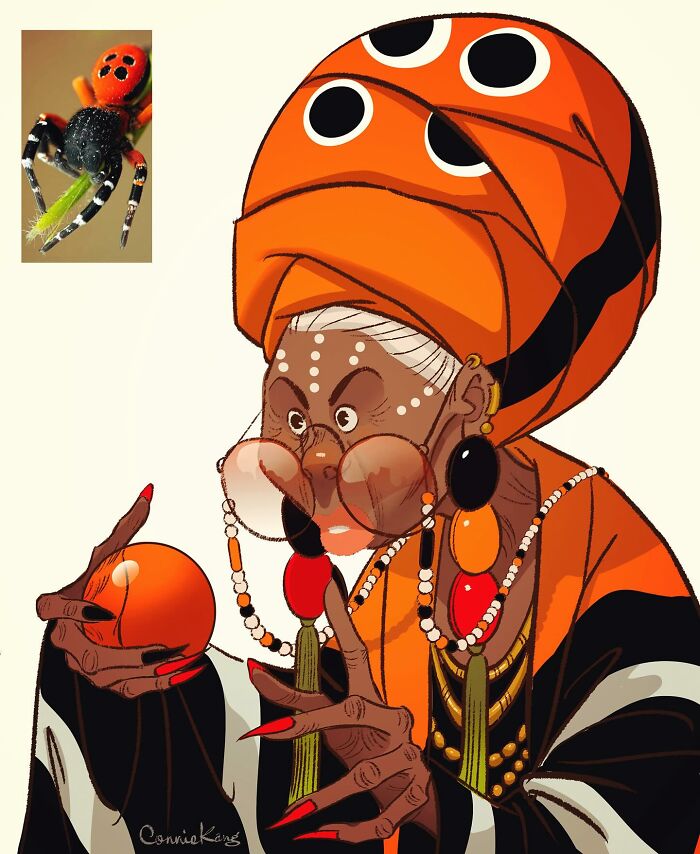
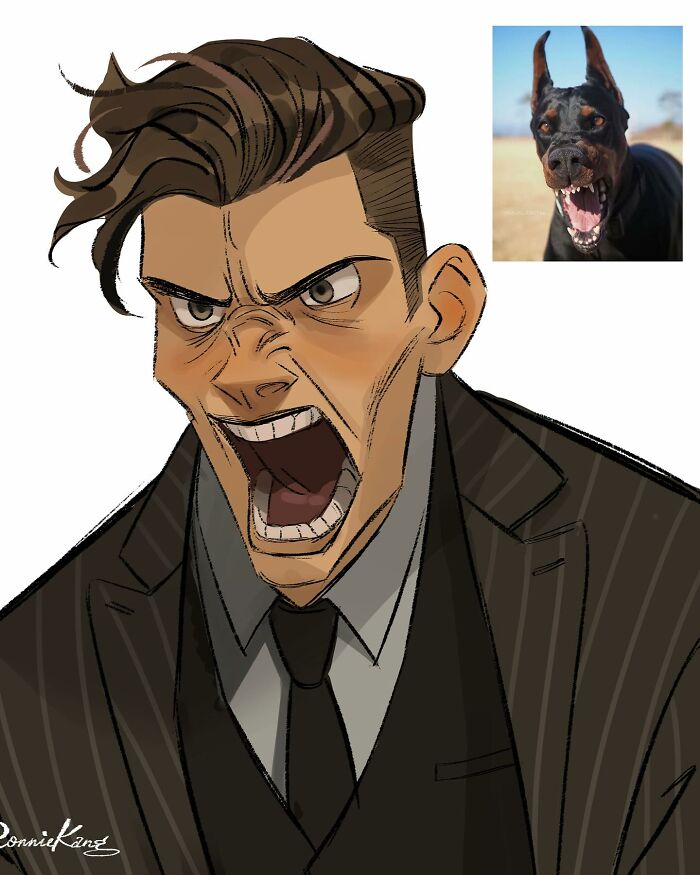
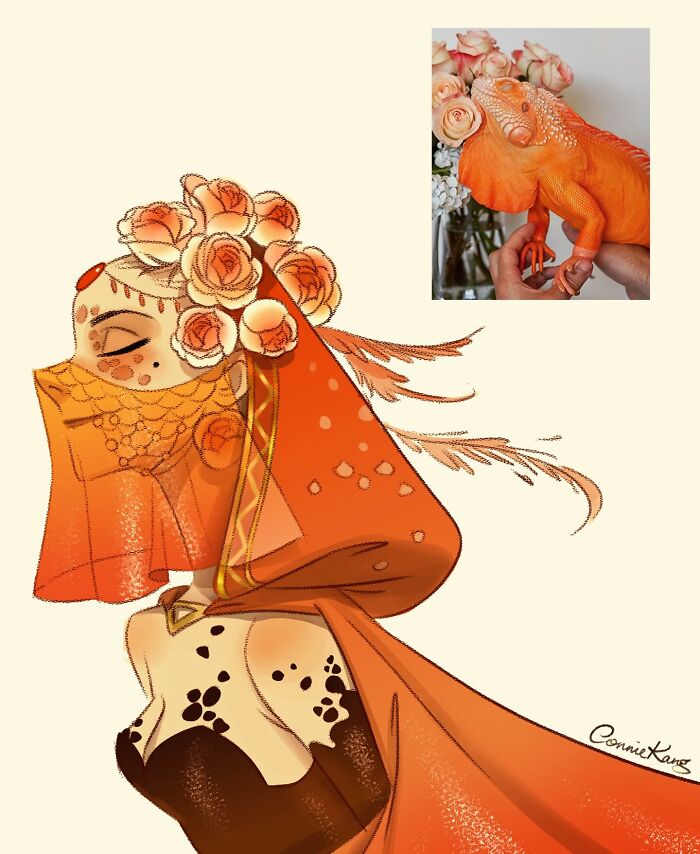
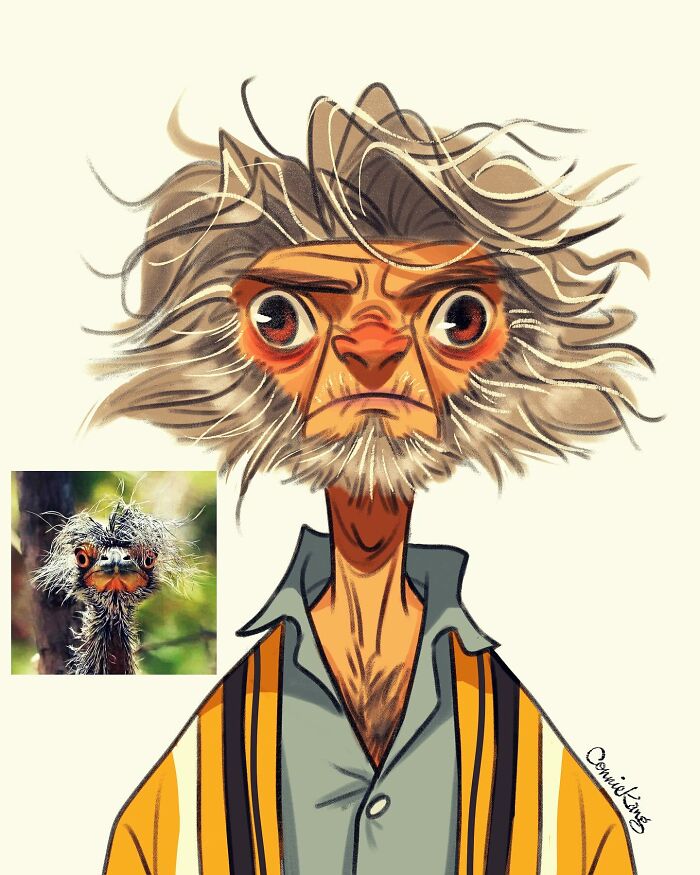
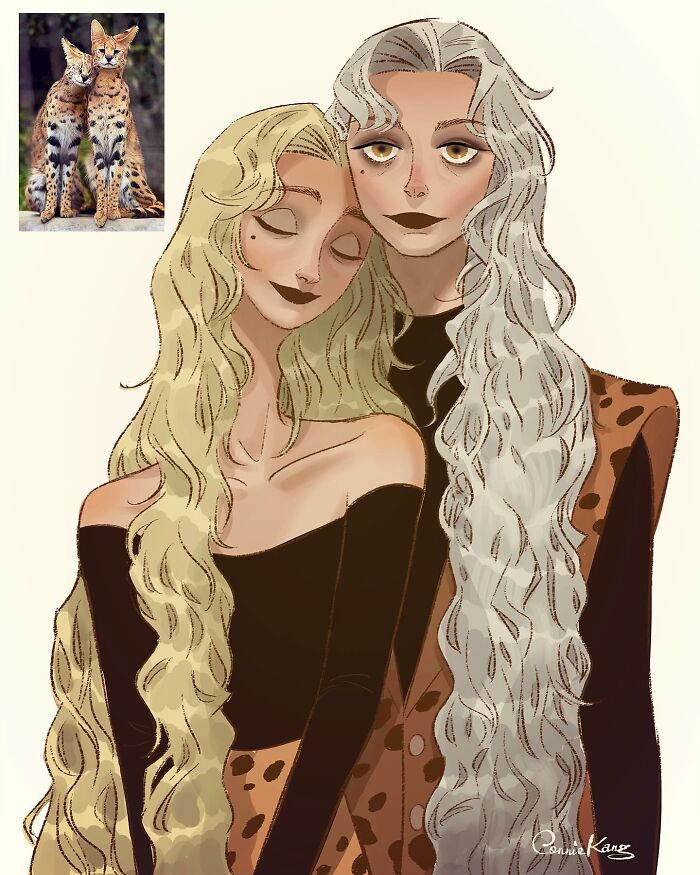
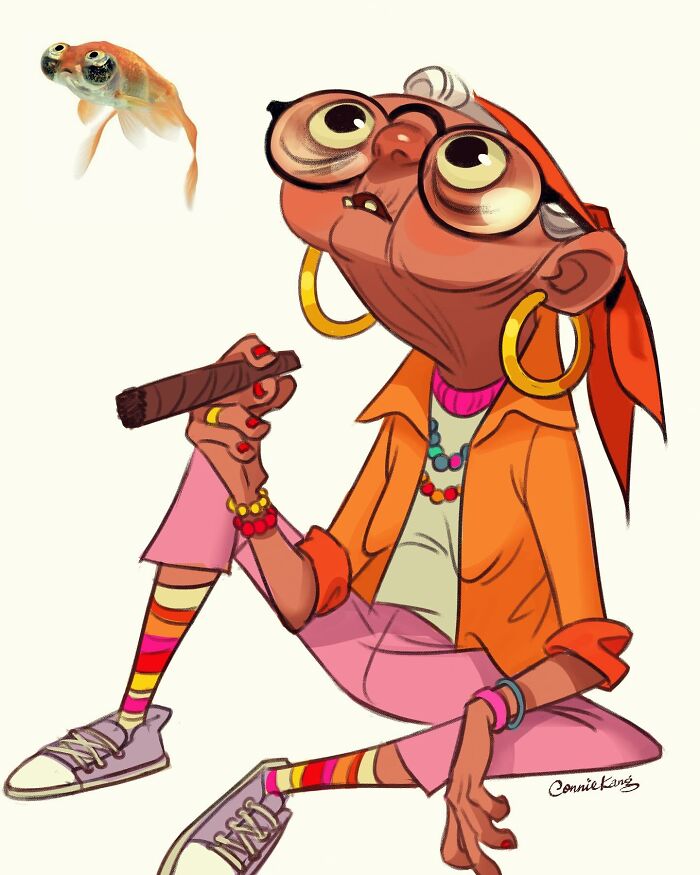
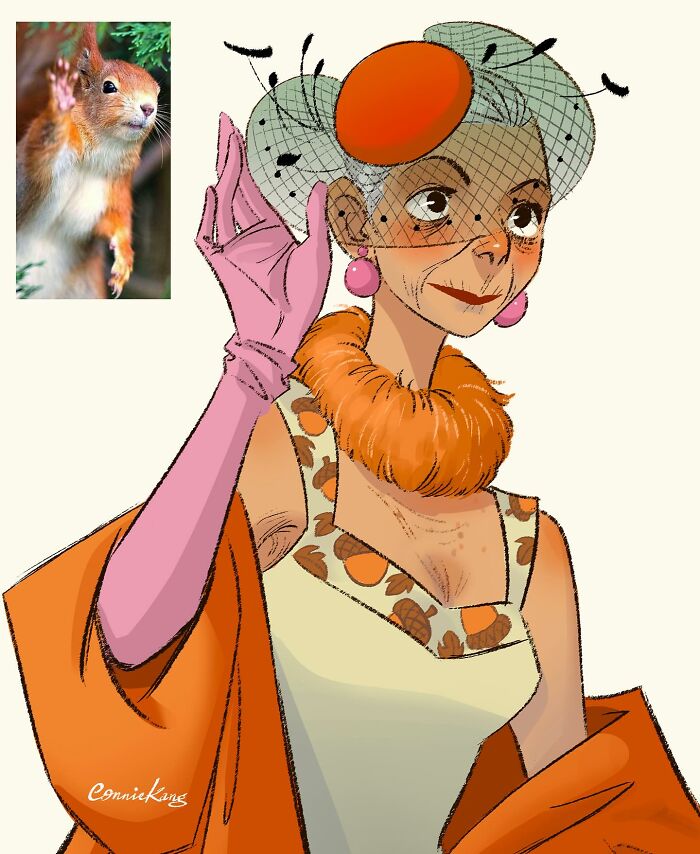
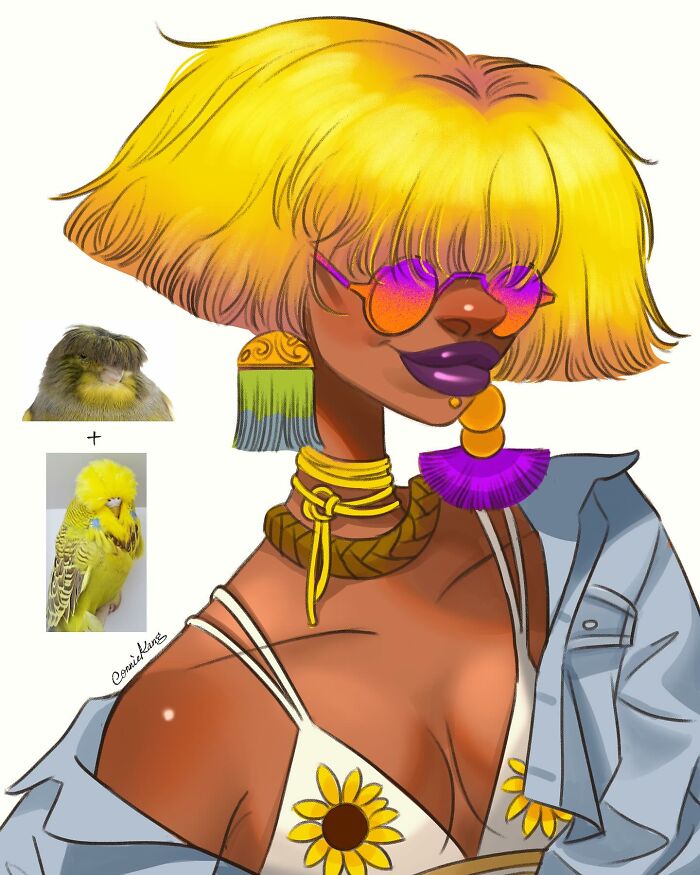
Rather than simply turning animals into people, Kang builds personalities from observation—studying posture, expression, and behavior, then translating those traits into human-like figures with depth and story.
Characters that feel real
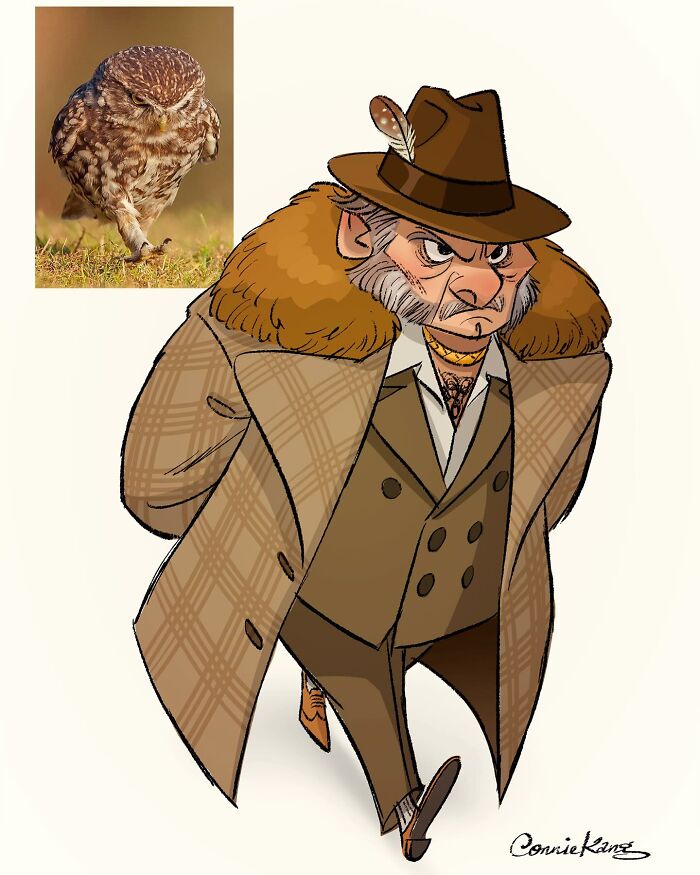
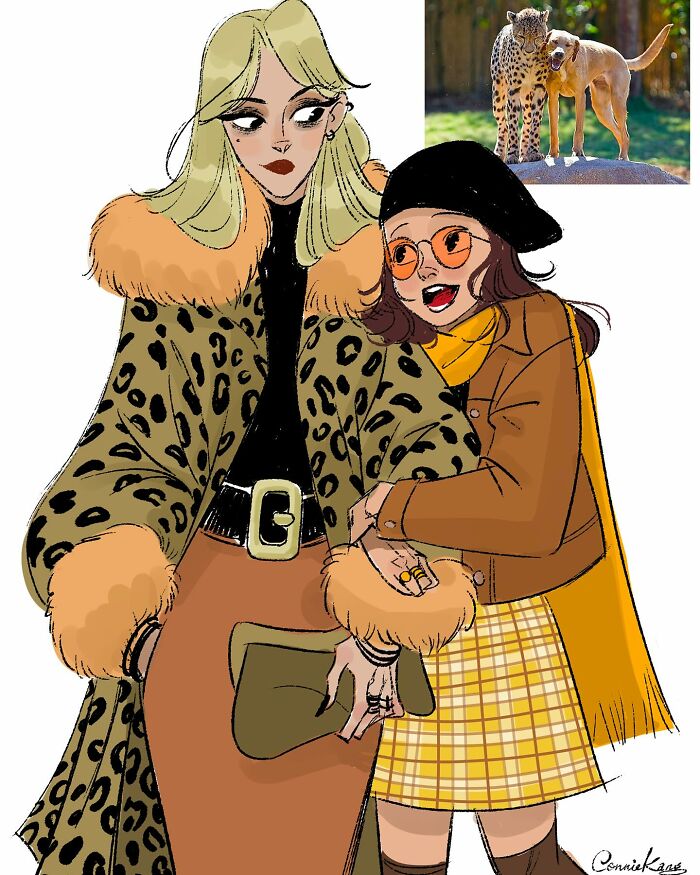
Kang’s work stands out because it captures something instantly recognizable. A confident owl may appear as a sharply dressed mafia boss. A golden retriever and a leopard become unlikely best friends, their contrasting styles reflecting a dynamic inspired by Nana.
Each character feels like they exist beyond the frame—part of a larger world the viewer can almost imagine continuing off-screen.
The method behind the magic
According to Kang, every creation begins with four key elements: shape, language, color, and expression.
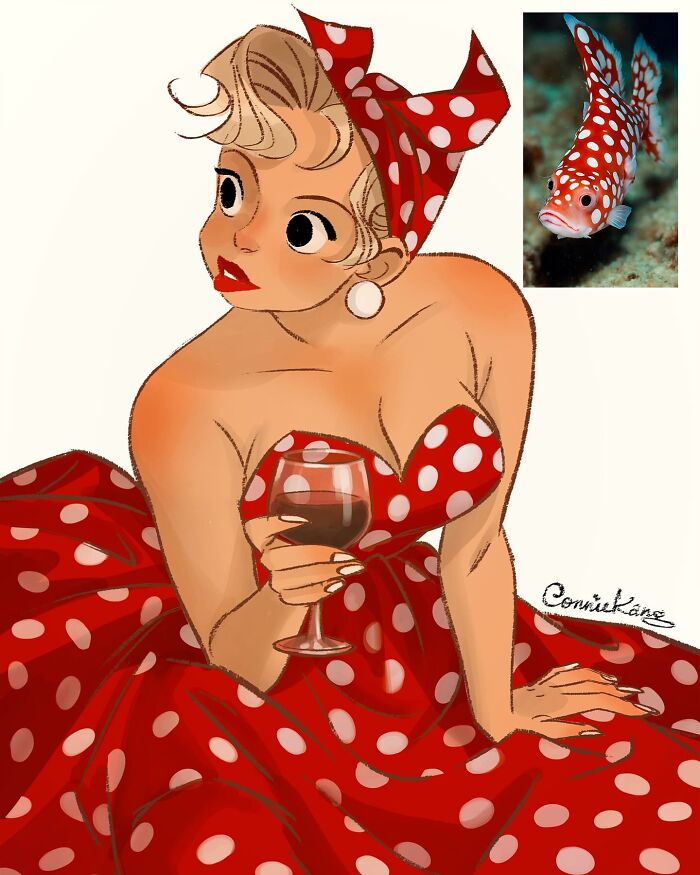
These details form the foundation of her characters. From there, clothing becomes a powerful storytelling tool—not just decoration, but identity.
“If an animal suggests sleek elegance,” she explains, “the human version might wear something retro and refined.” Through fashion choices alone, she communicates personality, background, and mood.
Unexpected connections
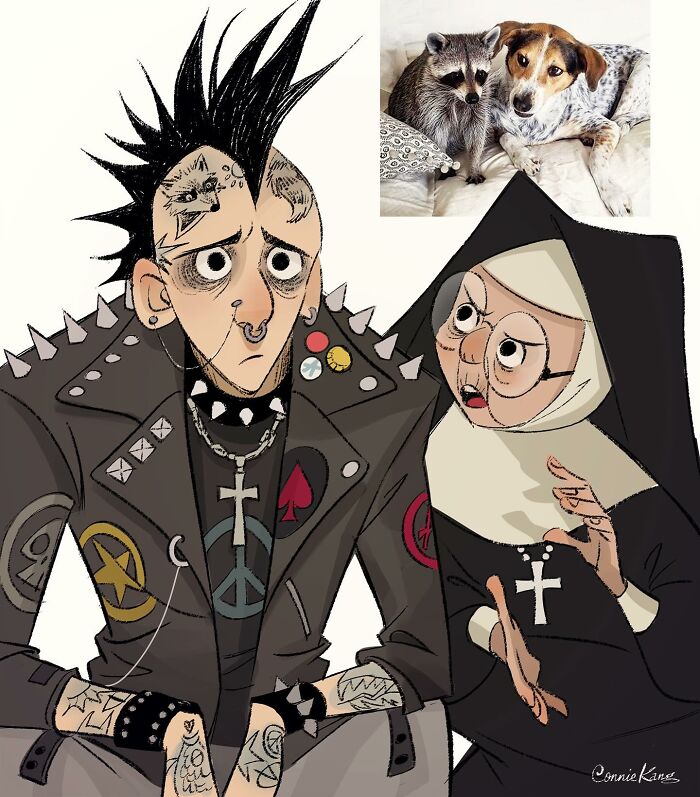
One of the most compelling aspects of Kang’s work is how she pairs unlikely personalities. Characters with opposing traits—like a rebellious punk and a reserved nun—are placed together in ways that feel natural rather than forced.
Despite their differences, there is always a connecting thread: emotion, curiosity, or quiet understanding.
Her illustrations suggest that contrast does not divide—it defines relationships.
Connie Kang’s art resonates because it reflects something deeper than style—it mirrors how we see ourselves in the world around us. By blending human emotion with animal instinct, she reveals that identity is not fixed but layered, shaped by both nature and experience. In her work, the line between who we are and what we observe disappears, leaving behind characters that feel strikingly, and sometimes uncomfortably, real.
Leave a Reply