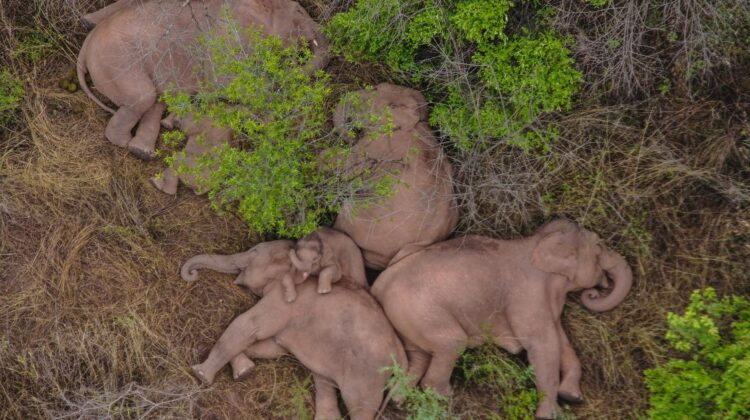
At least a dozen buzzing drones monitor them around the clock. Wherever they go, they’re escorted by police and when they eat or sleep, they’re watched by millions online.
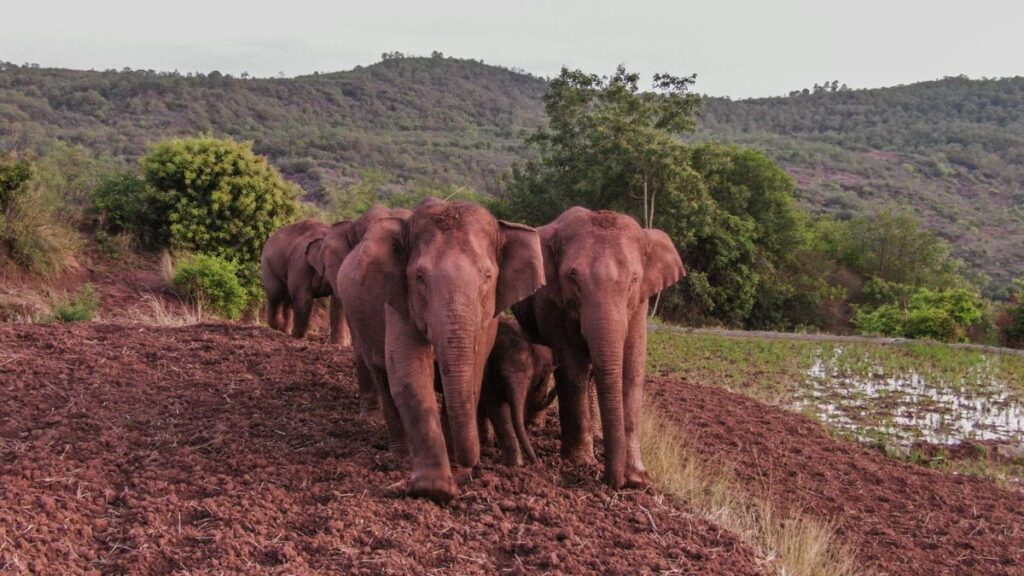
For more than a week, China has been gripped by a new internet sensation: a herd of 15 marauding elephants, who are large, lost and wrecking havoc in the country’s southwest.
Millions have tuned in to livestreams of the elephants, which have trekked more than 500 kilometres across the country since escaping from a nature reserve in South China last year.
Online, netizens have followed transfixed as the elephants trampled crops, causing more than a million dollars worth of damage, and roamed through towns, prompting local residents to stay inside.
Unsurprisingly, breakout stars have emerged. Viewers are particularly charmed by the herd’s three calves, including one who was born during the epic journey, according to Chinese state-run tabloid Global Times.
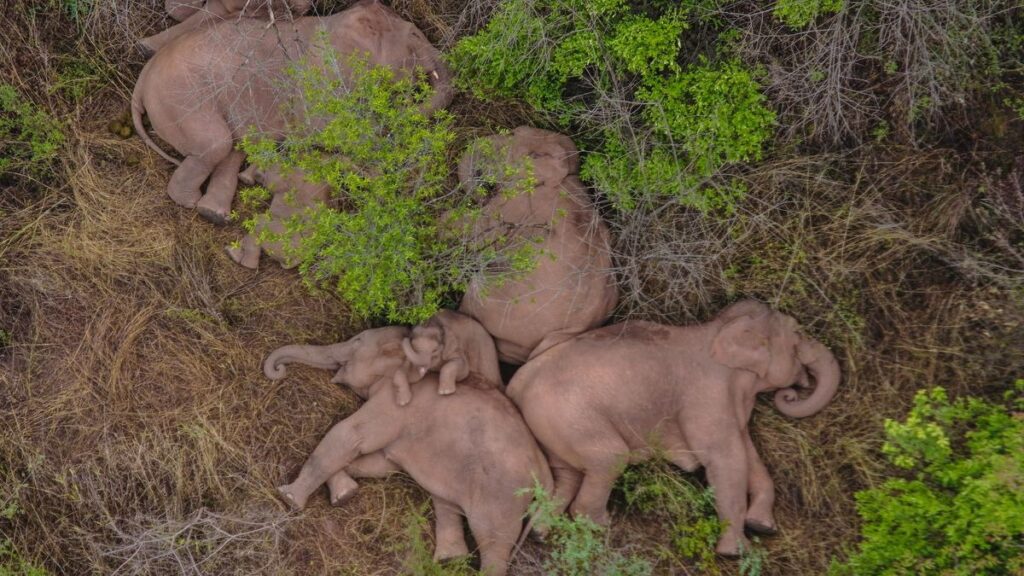
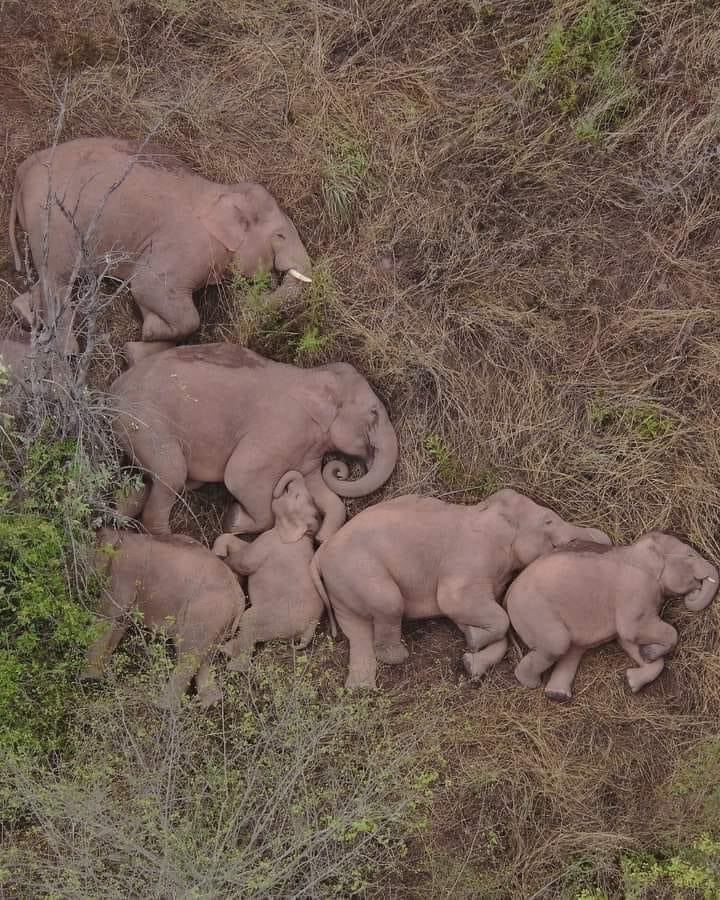
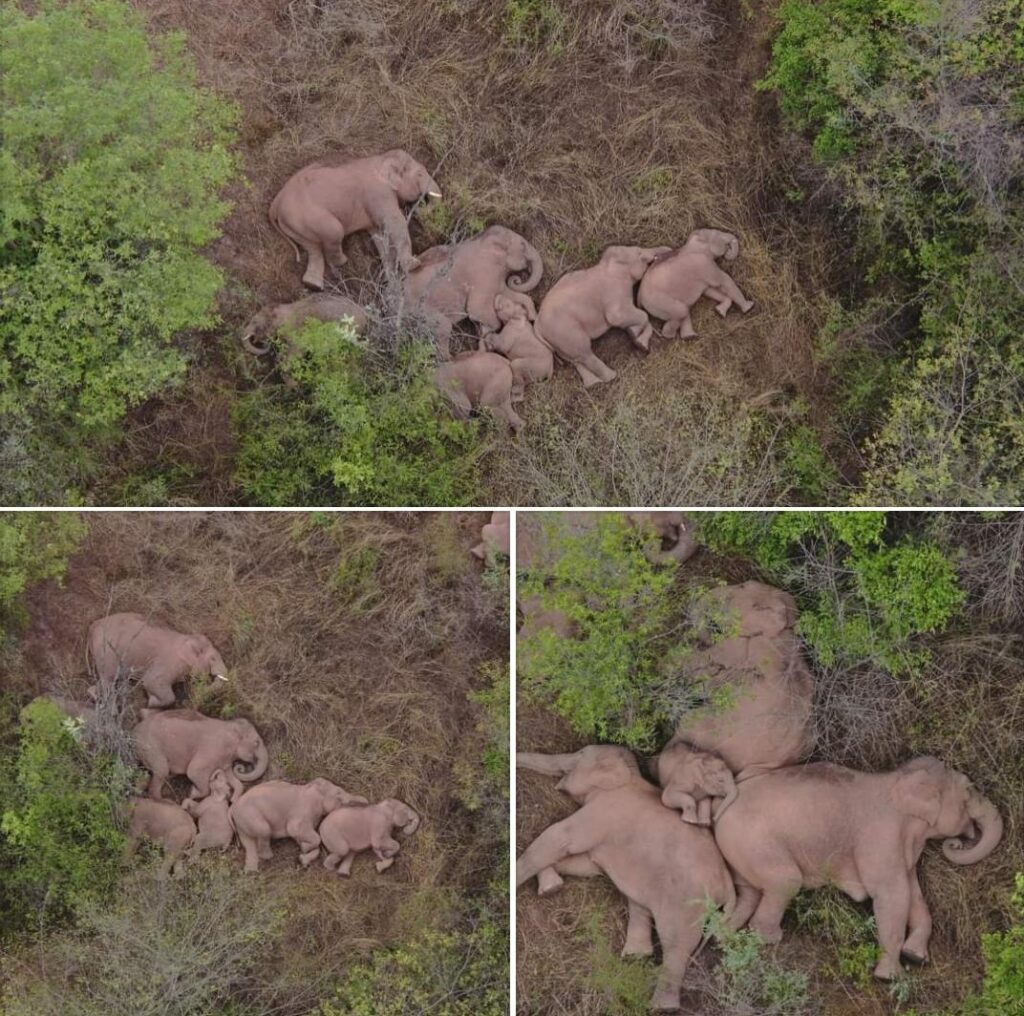
More than eight million people watched a video captured this week showing a calf who found itself stuck under an adult elephant during a group nap near the city of Kunming, in southwestern Yunnan province.
Another clip showed baby elephants clumsily tripping as they followed the herd across a field, while a separate video showed a calf plunging head-first into a pool as it attempted to gulp down water.
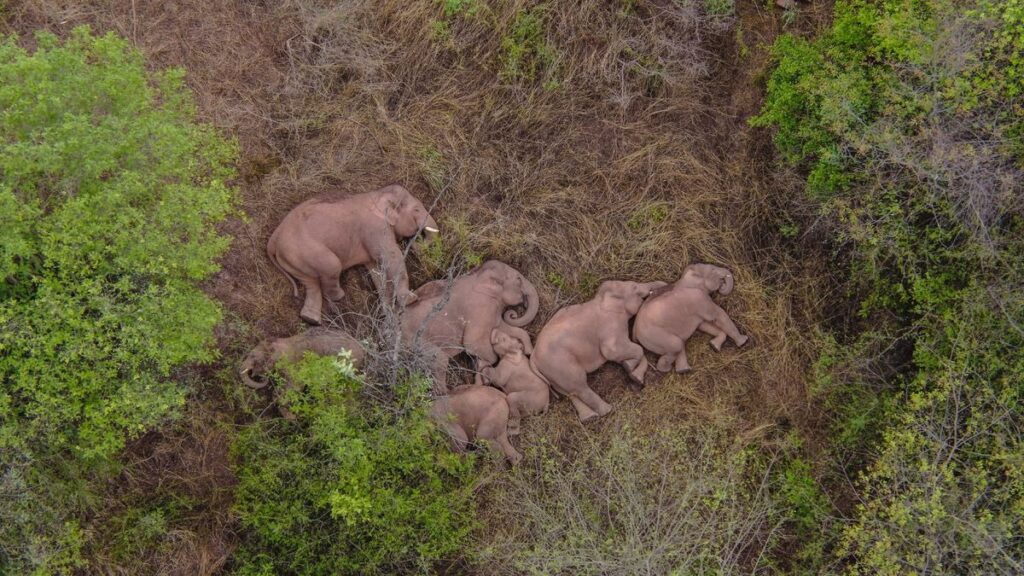
“Will they get cold while sleeping?” worried one user on social media site Weibo as pictures of the herd’s naptime went viral. “I want to tuck them up under a quilt.”
Human stars have even tried to ride off the elephants’ celebrity.
According to Global Times, internet stars scrambled to get their hands on leftover corn and pineapple, which authorities left out to lure elephants away from cities.
Videos posted online showed the stars picking up and eating leftover pineapple to attract viewers, the outlet reported.
It’s still unclear why the elephants are making the journey north.
Some have posited that shrinking rainforests in their home may have prompted the trip. Others say they could just be lost – something that also worries elephant fans online.
“It’s really sad that we don’t know when they will reach their destination,” another user wrote on Weibo.
Degraded environment
There’s a more serious side to the elephant entertainment. Biologists see the situation as a warning of what happens when elephant habitats are degraded.
Asian elephants are considered a protected species in China, and around 300 of them live in Yunnan, according to Xinhua.
Over the last few decades, agriculture has led to a loss of elephant habitats, leaving herds fragmented and isolated in ever-shrinking plots of land, according to a paper in Nature.
Many elephants are forced to forage for food in agricultural areas instead, leading to a rise in human-elephant conflict in the last 10 years – something authorities are clearly keenly aware of.
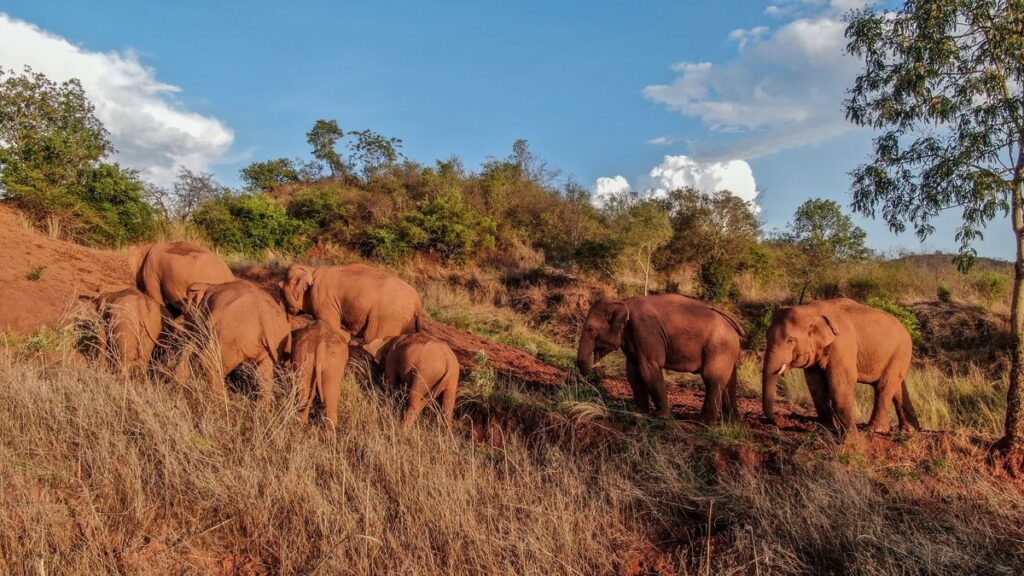
Authorities have been trying to steer the elephants away from populated areas to prevent any clashes. At the end of May, authorities set up a 24-hour command centre to monitor the elephants.
But the only way to prevent a future elephant exodus is to restore their habitats and protect natural resources, said Zhang Li, a wildlife biologist and professor at Beijing Normal University, according to Global Times.
“The traditional buffer zones between humans and elephants are gradually disappearing, and the chances of elephants’ encountering humans naturally increase greatly,” Professor Zhang said.
Please make your posts shareable
How do you make them shareable? Thanks for your help