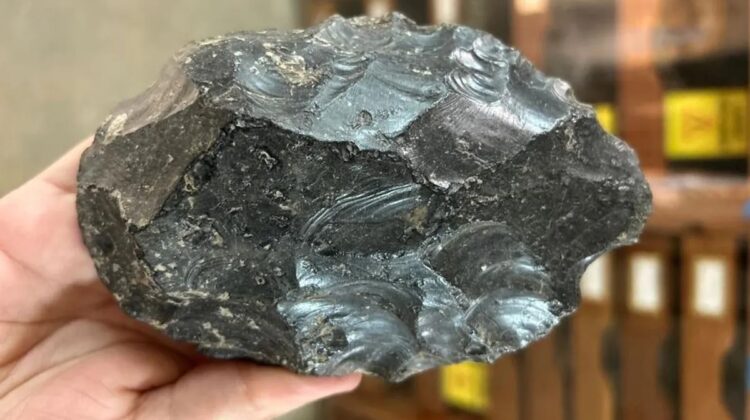
It appears that an unidentified species of human has mastered obsidian, which was previously thought to have only been possible in the Stone Age.

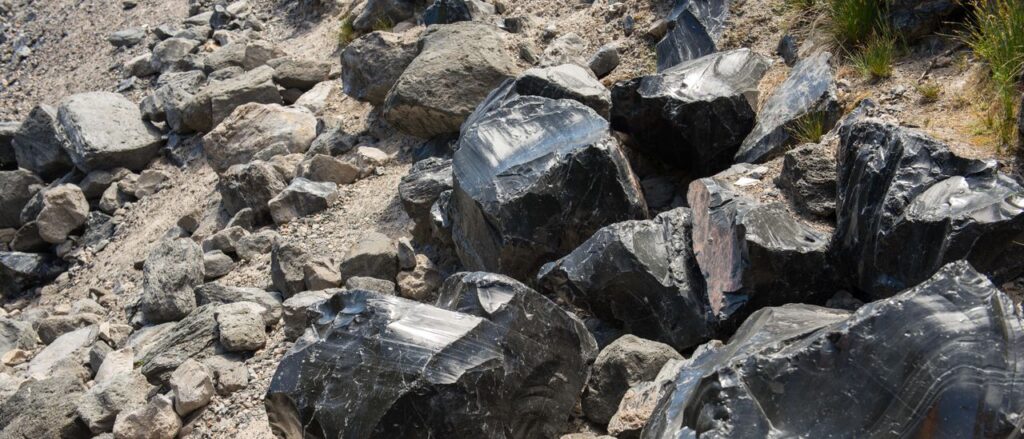
Obsidian is without a doubt one of the most badass materials ever imagined, having been forged in magma and having the ability to produce the sharpest blades on Earth (there’s a reason George RR Martin chose it as the weapon of choice to kill White Walkers). It was believed that humans did not develop the ability to manipulate the extremely delicate and risky to work with jet-black volcanic glass until the late Stone Age.
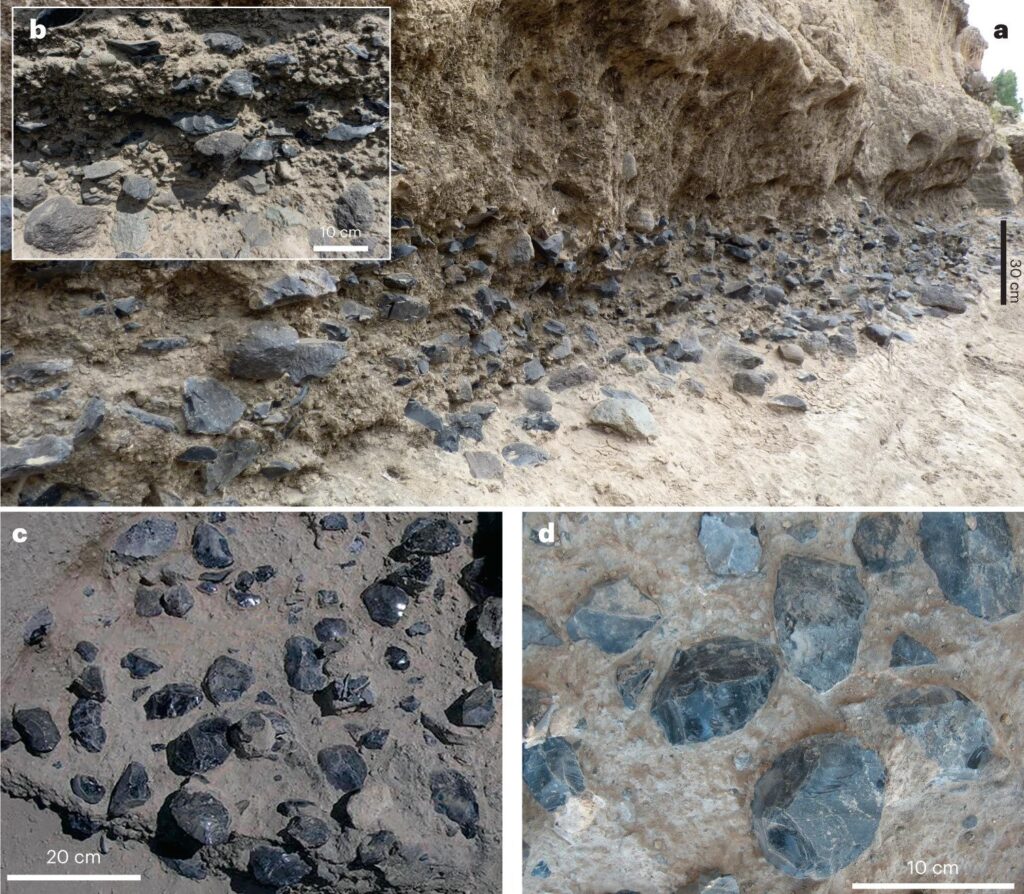
A team of researchers has reported on the most recent discoveries made at the Melka Kunture archaeological site in Ethiopia, including the discovery of an obsidian handaxe workshop within a sediment layer that dates to 1.2 million years ago. This is the only handaxe factory ever dated to the Early Pleistocene, and it exhibits a startlingly early example of obsidian shaping.
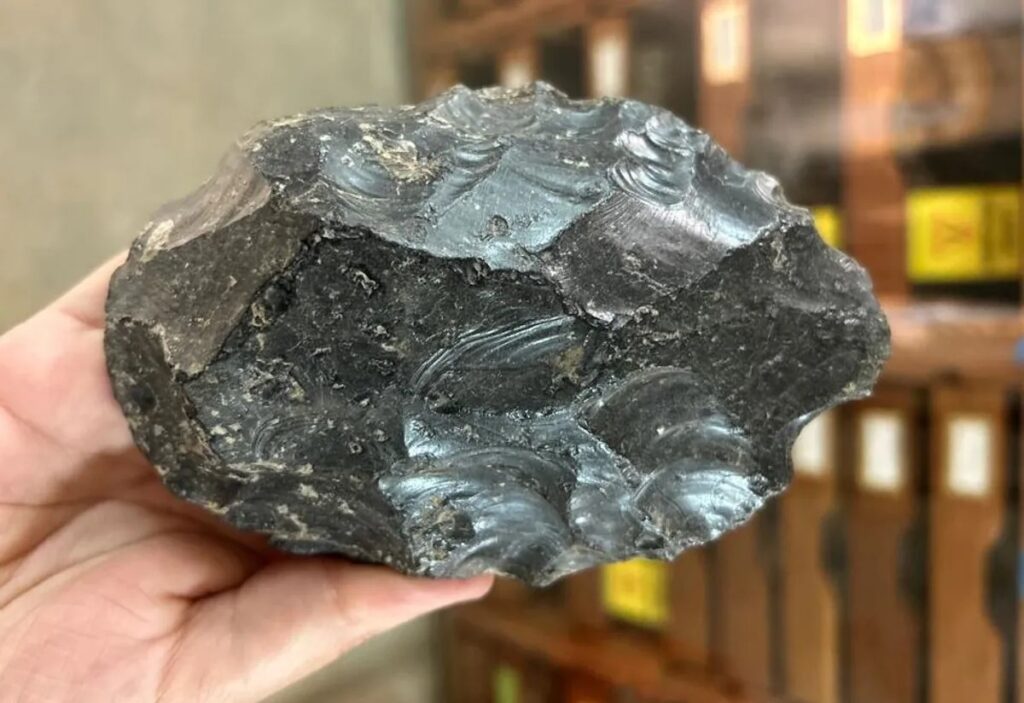
The researchers note that “[archaeological] sites referred to as ‘knapping workshops’ are only documented in the second half of the Middle Pleistocene and only in Europe so far.” The most famous Stone Age axe factories, which were mainly found in France and the UK, were all involved in the production of flint blades.
Obsidian is typically only used extensively after the Middle Stone Age, according to the study’s authors.
However, the team’s excavations uncovered a cache of 578 stone tools, all but three of which were carved from obsidian, in a prehistoric layer of sediment. In their report, they claim that “we demonstrate through statistical analysis that this was a focused activity, that very standardized handaxes were produced, and that this was a stone-tool workshop.”
While they don’t know which species of human crafted the tools, the researchers frequently remark that “the morphological standardization is remarkable” and that the person who did so diligently applied “secondary retouches” and was “highly focused on the final regularization of the artifacts.”
Obsidian is a delicate rock that requires considerably more finesse to knapp than flint or basalt, so attaining such homogeneity would have required highly honed skills and a fair amount of dexterity. The researchers write, “Therefore, manufacturers had to precisely assess the strength of the blow to avoid producing flakes of little use, or just to avoid smashing the core.”
Even modern knappers wear safety gloves when working with the razor-sharp material because obsidian shaping methods are thought to have first appeared in the Upper Paleolithic. However, the authors of the study state that “the standardized obsidian handaxes provide ample evidence of the repetitive use of fully mastered skills” when describing tools that date back more than a million years.


Such abilities are a surprisingly significant cognitive advance for such a prehistoric group of humans. The authors claim that the modification of current flint knapping methods to produce more difficult obsidian tools can be viewed as an example of “convergent thinking,” which is connected to original problem-solving.
The researchers praise this extraordinary accomplishment, stating that the ancient axe makers “creatively solved through convergent thinking technological problems such as effectively detaching and shaping large flakes of the unusually brittle and cutting volcanic glass.”

All without the use of safety gloves. a million years or more ago.
You can not “date” stone.If the layer of sediment it was found in is 1.2 million years old then the Obsidian is way older for sure.