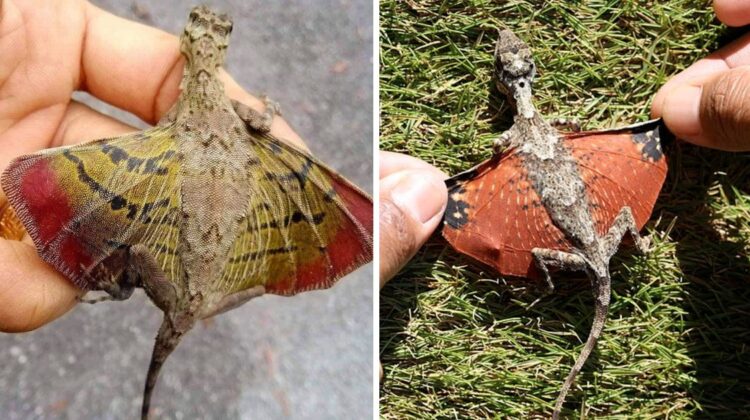
Dragons have been the stuff of legends and myths for centuries, captivating the imaginations of people across the world. While these magical creatures may not exist in reality, there is a species of lizard that comes remarkably close to resembling them in appearance and behavior. Meet the flying dragons, also known as Draco, which are a real wonder of nature.
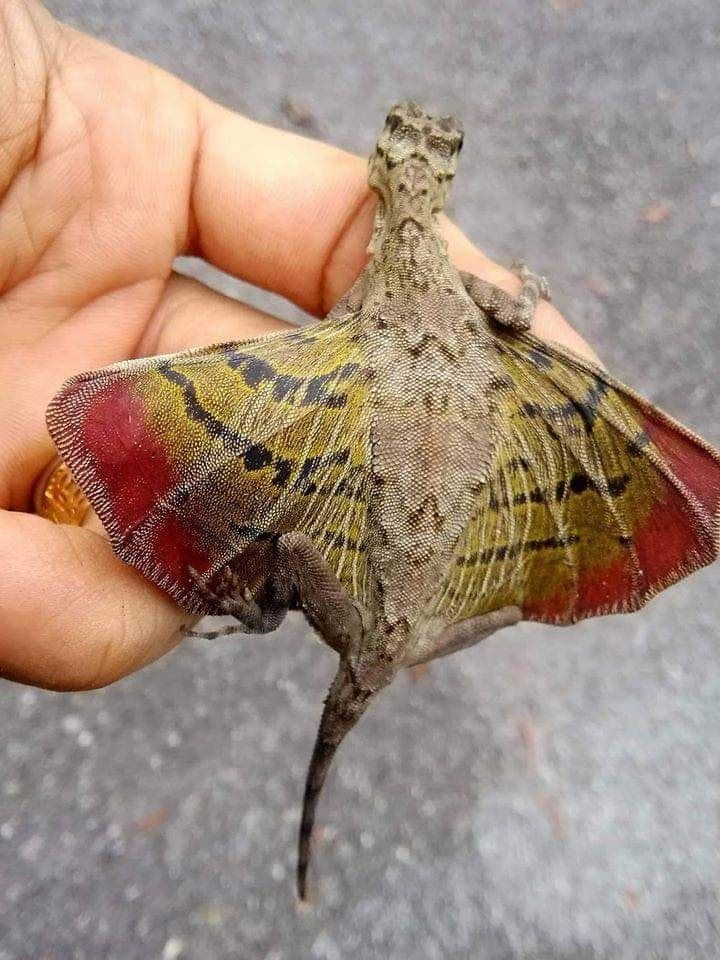
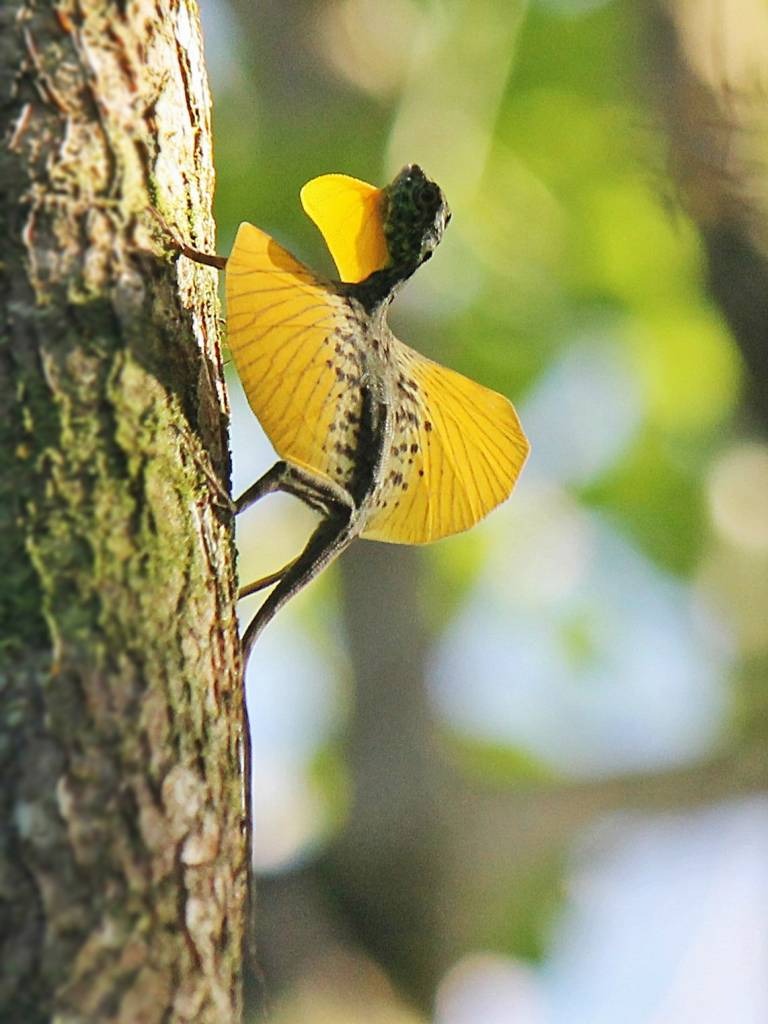
Found in the tropical forests of South East Asia, flying dragons belong to the Agamidae family of lizards. These tiny creatures measure only 8 to 10 inches in length, but they are capable of gliding from tree to tree, covering distances of up to 60 meters while losing only 10 meters in altitude. This remarkable feat is made possible by the membranes on the sides of their trunks, which act as wings and allow them to glide through the air.
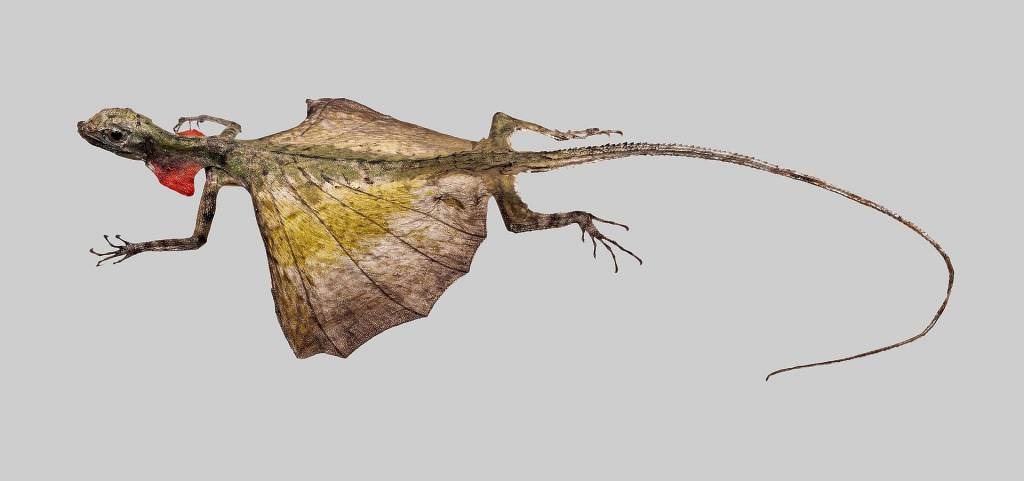
Despite their small size, flying dragons are capable of surviving in the wild on a diet that mainly consists of insects, such as tree ants. They rarely come down from the trees, except during the mating season when the males use their membranes to attract females and begin the mating process. After copulation, the female lays her eggs in a small hole in the ground, covering them with soil before leaving them to hatch on their own.
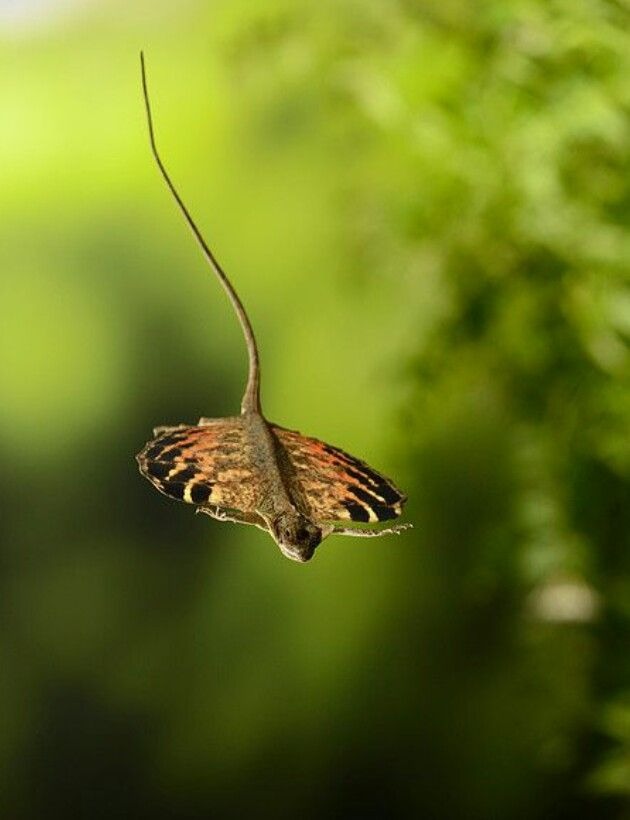
The beauty of flying dragons is truly something out of this world. While the colors and characteristics of each species may vary, they all possess a stunning beauty that is truly mesmerizing. Their large, expressive eyes and vibrant colors are truly a sight to behold.
As with many species of animals, the survival of flying dragons is threatened by habitat loss and destruction. Conservation efforts are underway to protect their natural habitat and ensure the survival of these remarkable creatures for generations to come.
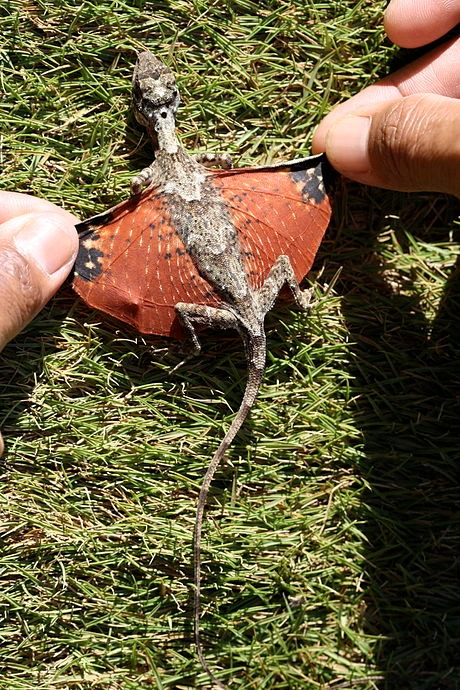
In conclusion, flying dragons are a true wonder of nature, resembling the mythical creatures that have fascinated people for centuries. These tiny lizards possess the ability to glide through the air with ease, thanks to their unique membranes. Their beauty is a sight to behold, and their survival is an important reminder of the need to protect our natural world. By working to conserve their habitat and protect their existence, we can ensure that the world remains a place of wonder and amazement for generations to come.
Leave a Reply