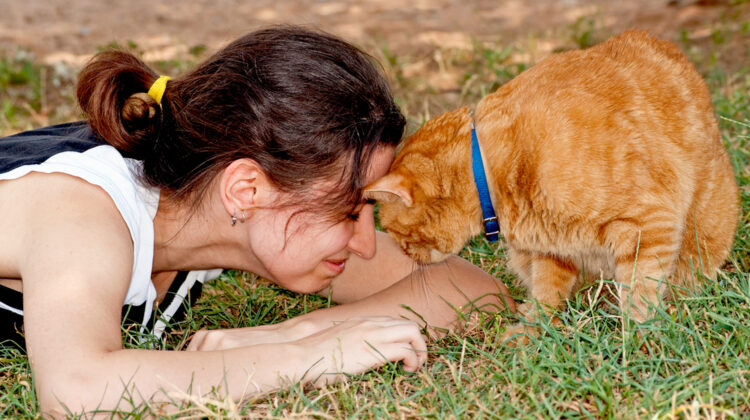
Cats are often described as independent, aloof, even emotionally distant. Yet anyone who lives with one knows that beneath that reputation lies a deeply social and expressive animal—one that communicates affection in ways that are subtle, intentional, and uniquely feline.
One such behavior is the gentle “headbutt.” At first glance, it may look like playful clumsiness or an odd habit. In reality, it’s one of the most meaningful gestures a cat can offer.
What Looks Like a Headbutt Is Actually a Sign of Trust
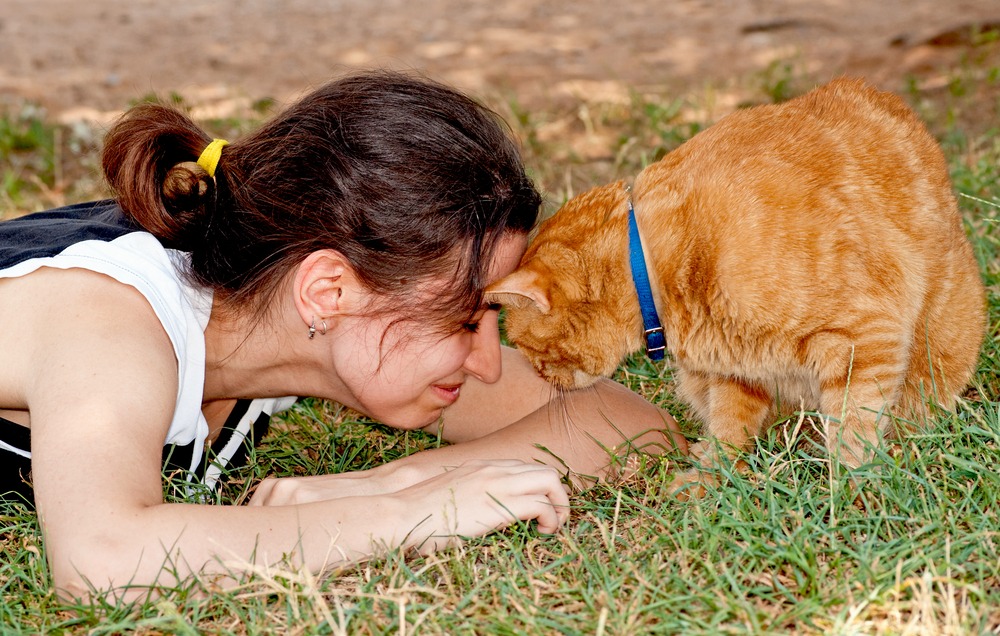
In feline behavior, this action is known as bunting. Far from being random, bunting is a deliberate and affectionate act. When a cat presses its head—or rubs its face—against you, it is communicating trust, familiarity, and emotional safety.
Cats reserve this behavior for individuals they feel completely comfortable with. It is not something they do casually or with strangers.
The Science Behind the Affection
Cats have scent glands concentrated around their cheeks, forehead, and chin. When they headbutt you, they are transferring their scent onto your skin. This scent exchange is a powerful social signal in the feline world.
By marking you with their scent, your cat is essentially saying:
“You are part of my group. You belong with me.”
In cat terms, this is equivalent to a kiss—or even a declaration of family.
Not All Cats Express Love the Same Way
While headbutting is a strong sign of affection, it’s important to remember that every cat has its own personality and boundaries. Some cats are highly physical and affectionate, while others prefer subtle forms of interaction.
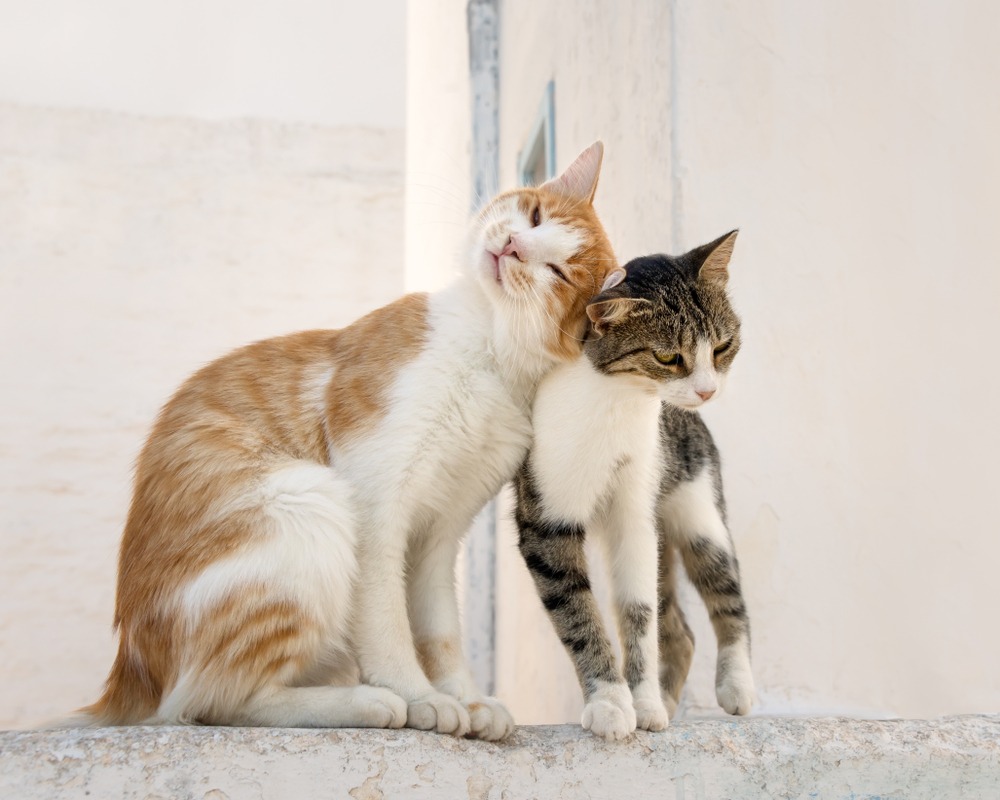
A cat that enjoys headbutting and close contact will usually show relaxed body language—purring, slow blinking, kneading, or leaning into you. A cat that is uncomfortable may flick its tail, flatten its ears, or pull away.
Understanding and respecting these signals is essential to maintaining trust.
A Behavior Shared With Big Cats
This affectionate gesture isn’t limited to house cats. Lions, for example, regularly nuzzle and headbutt members of their pride as a form of bonding and recognition.
Whether it’s a lion greeting a pride mate or a house cat greeting you, the message is the same:
“You’re safe with me. You’re one of us.”
The Role of Pheromones
Headbutting is closely tied to pheromones—chemical signals that influence behavior and emotional responses. Facial pheromones released during bunting are associated with calm, familiarity, and security.
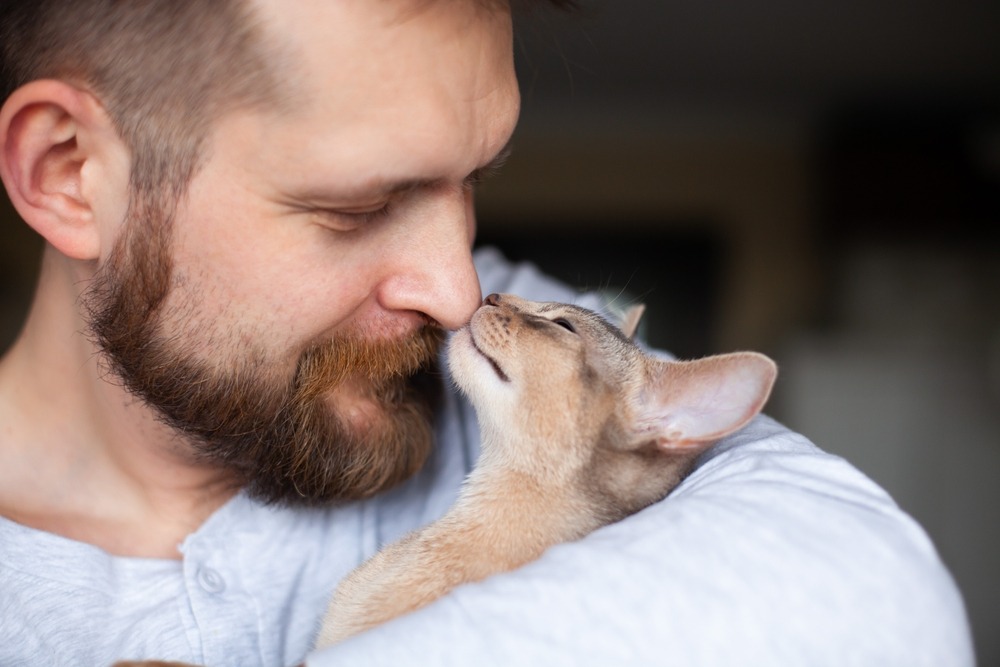
When your cat transfers these pheromones to you, they’re not marking territory in an aggressive sense. They’re reinforcing emotional bonds and strengthening their sense of comfort in their environment.
You are being included in your cat’s inner circle.
What to Do When Your Cat Headbutts You
The best response is simple: accept it. Stay calm, relaxed, and receptive. Some cats may enjoy a gentle touch or a slow blink in return—both of which cats interpret as friendly, non-threatening signals.
Closing your eyes briefly when your cat approaches can sometimes encourage a tender interaction. If your cat responds with a headbutt, it’s a sign that the bond between you is strong.
Final Insight
When your cat headbutts you, it’s not accidental, playful nonsense, or quirky behavior. It’s a deeply ingrained form of communication rooted in trust, scent, and social bonding. In a world where cats choose carefully whom they let close, a headbutt is one of the highest compliments they can give.
So the next time it happens, don’t pull away. You’ve just been claimed—lovingly.
Leave a Reply