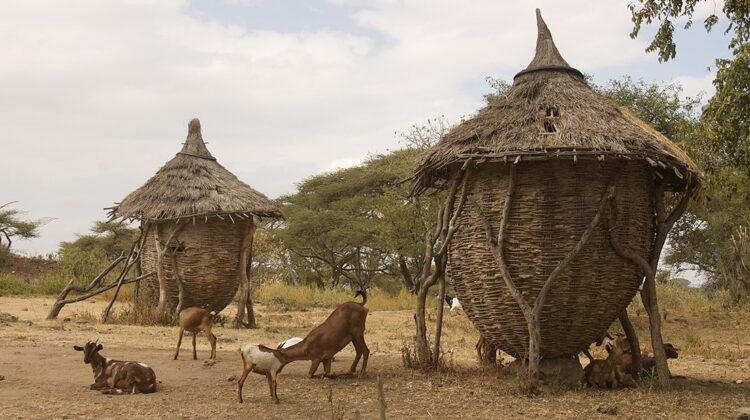
Traditional African village huts showcase the rich diversity and unique architectural styles found across the continent. Built using locally available materials, these huts serve as prime examples of vernacular architecture, reflecting the cultural and climatic considerations of each region.
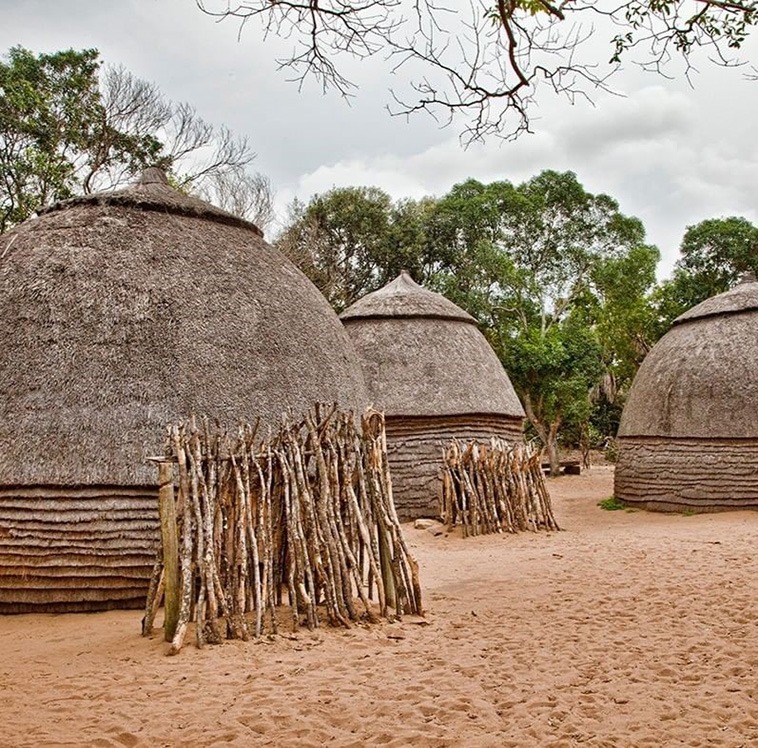
One distinctive feature of traditional African village huts is the use of thatched roofs supported by a wooden or earth base. In some cases, the entire exterior of the hut is thatched, while the interior is made of mud. This combination of materials not only reflects the availability of local resources but also provides natural ventilation, which is advantageous in the African climate.
Let’s take a closer look at some remarkable examples of traditional African village huts:
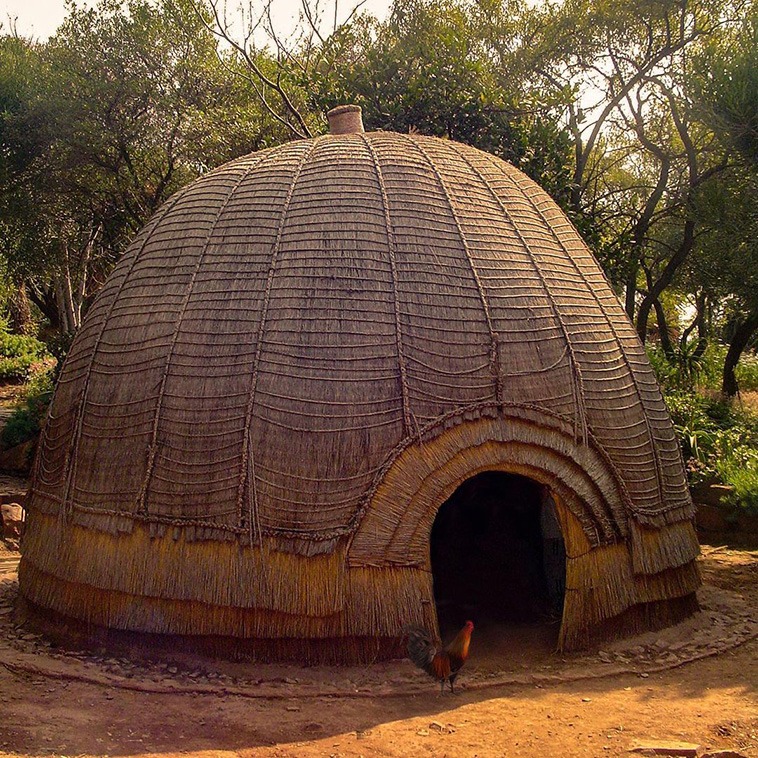
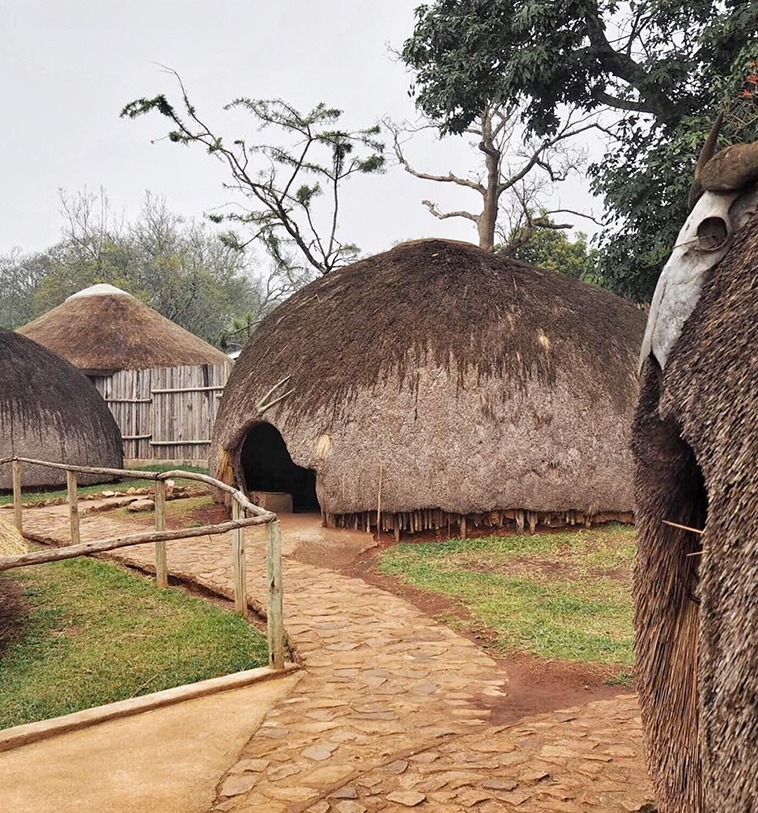
Zulu Huts in South Africa: Zulu huts are characterized by their dome-shaped structures. To construct these huts, wooden poles are bent inward toward the center to form a frame, which is then covered with a thatch made of dried grasses.
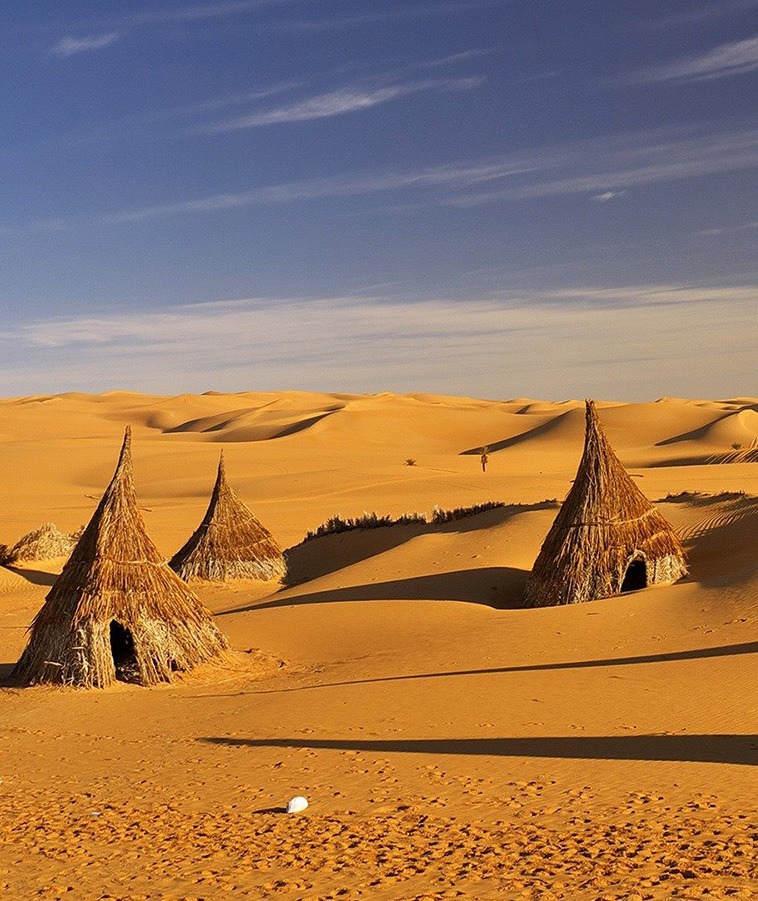
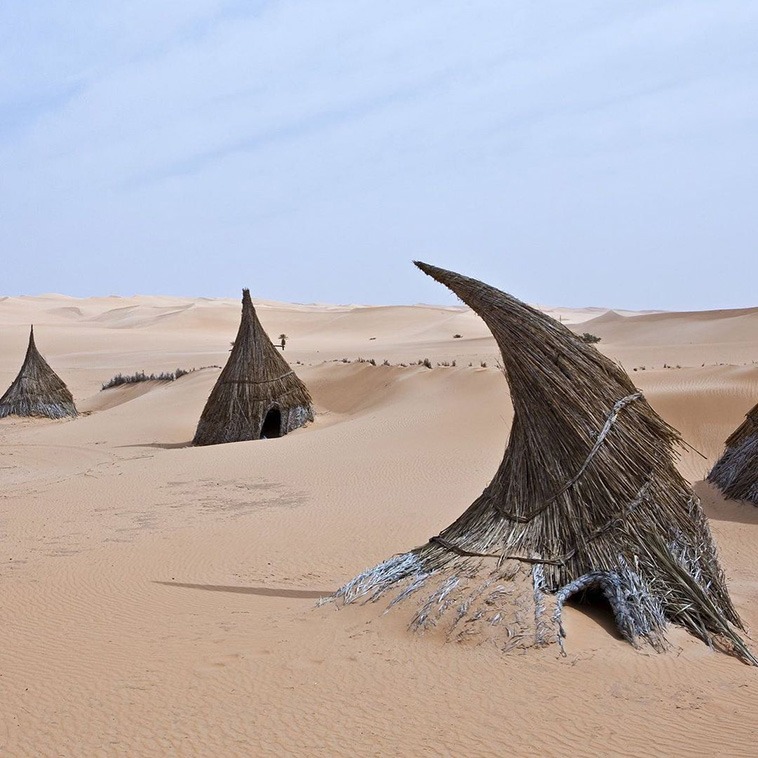
Tuareg Village in the Ubari Lakes Area, Libya: The Tuareg people, known for their nomadic lifestyle, have unique tent structures. These tents come in various shapes, such as domes or squares, and are designed to be easily assembled and disassembled as they move across the desert landscapes.

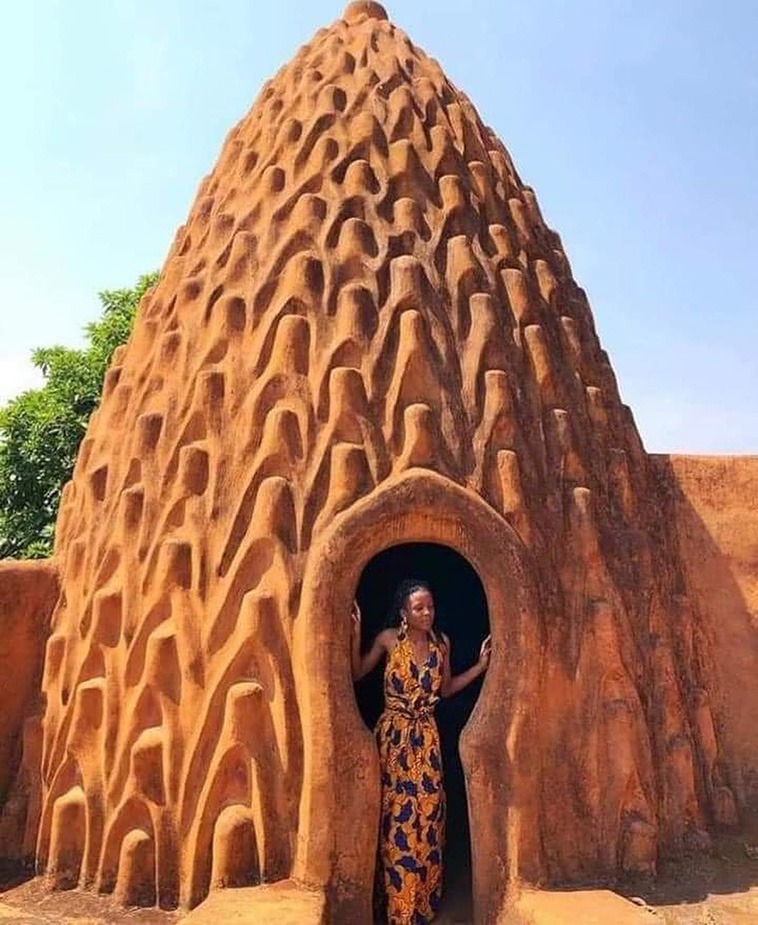
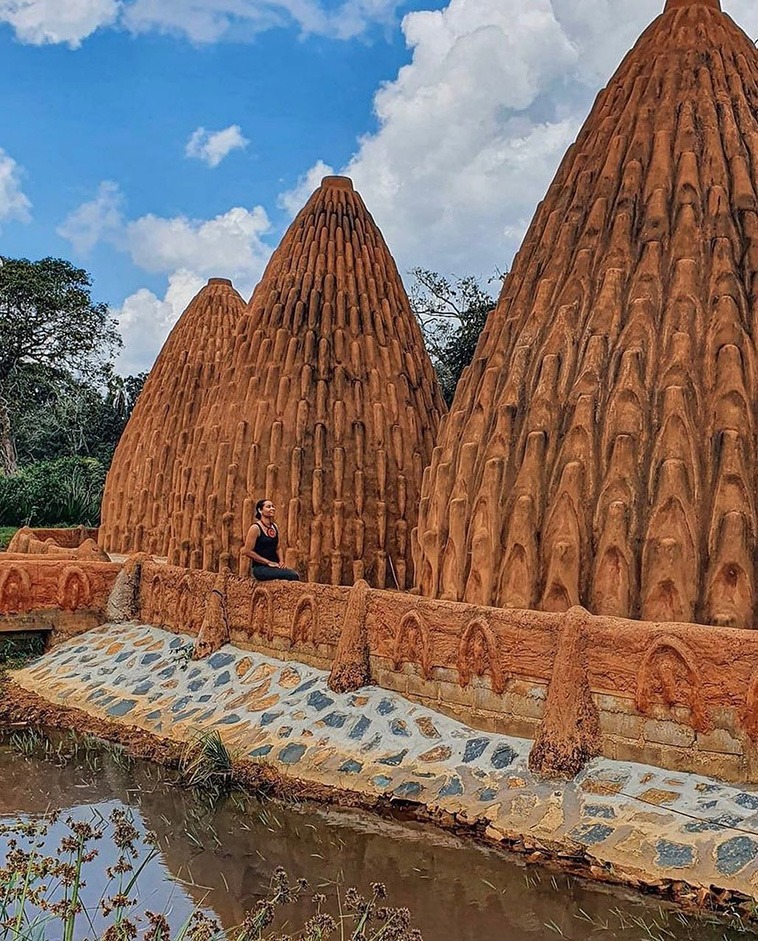
Musgum Earth House in Cameroon: Musgum earth houses, locally known as “cases obus,” are mud structures built by the Musgum people. These houses feature distinct geometric designs, including tall domed or conical shapes. The relief lines on the walls not only serve a decorative purpose but also aid in efficient drainage during rainy seasons.
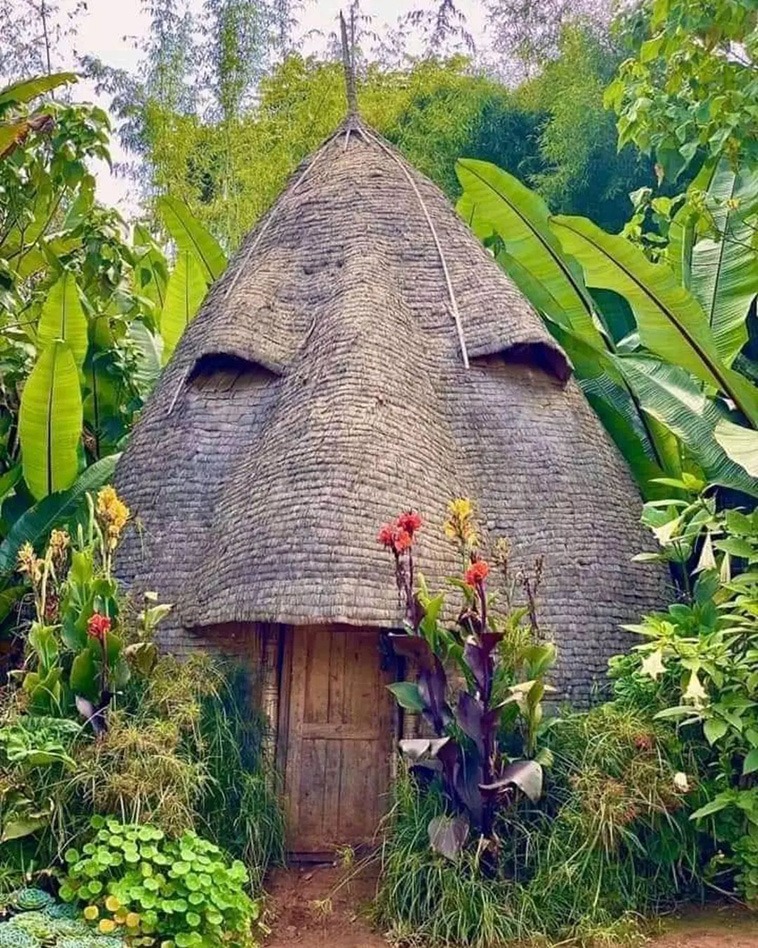
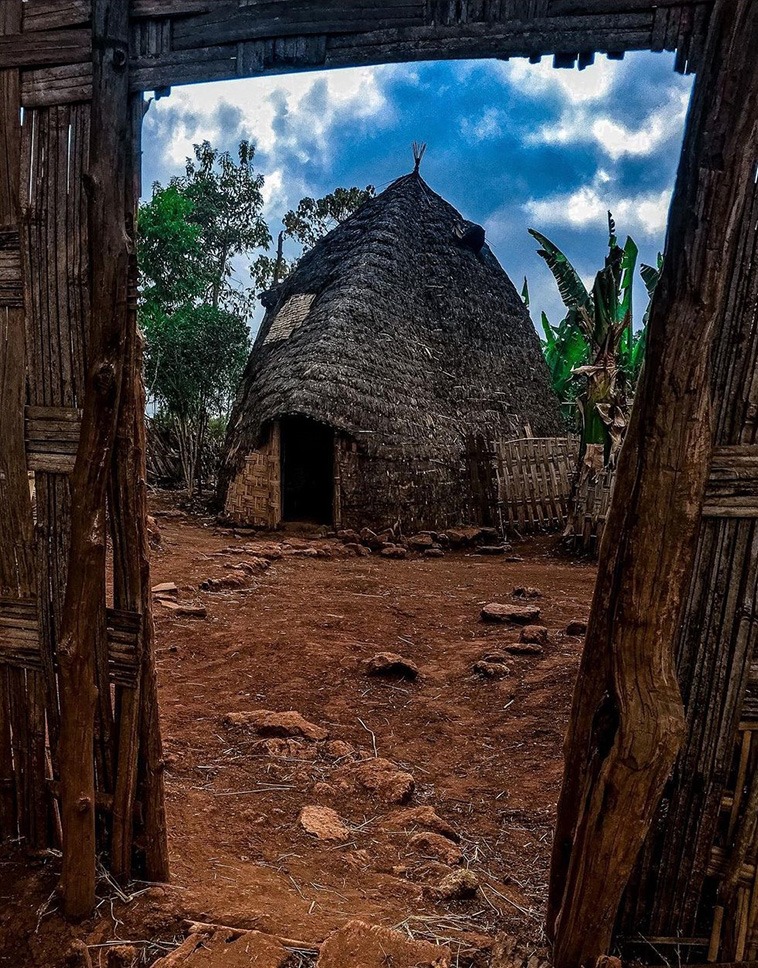
Ethiopian Granaries: Granaries in Ethiopia are essential for storing crops. The Dorze huts, shaped like elephants, were historically built using woven bamboo and thatched with enset leaves. Today, their numbers have decreased due to the decline in the local elephant population.
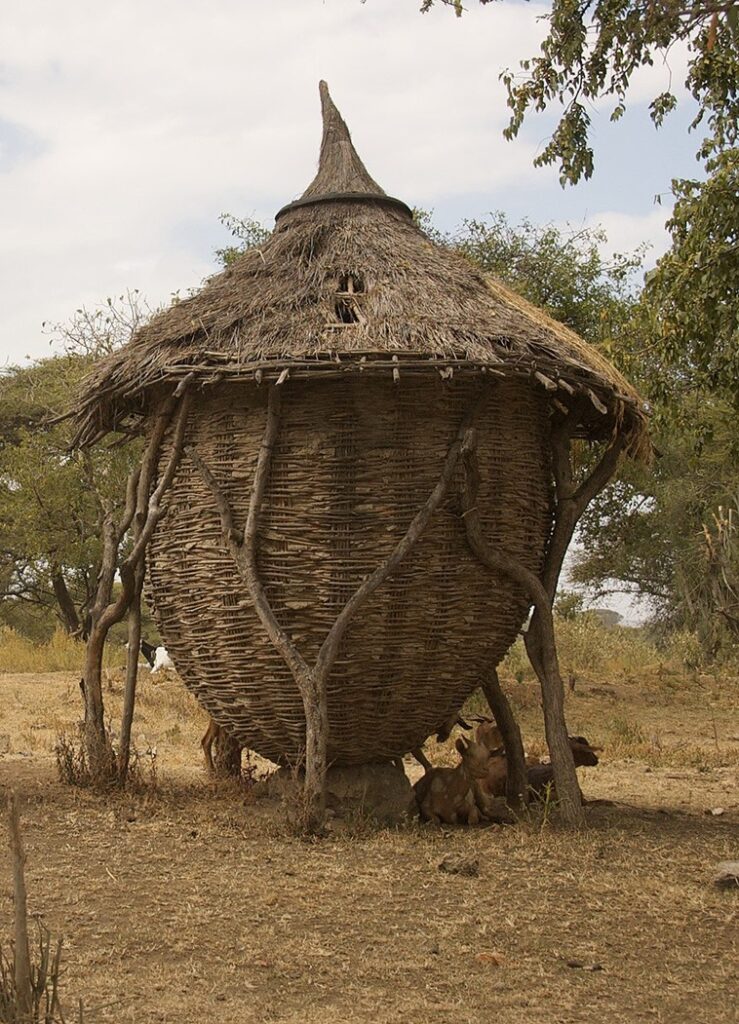
Ethiopian Dorze Homes
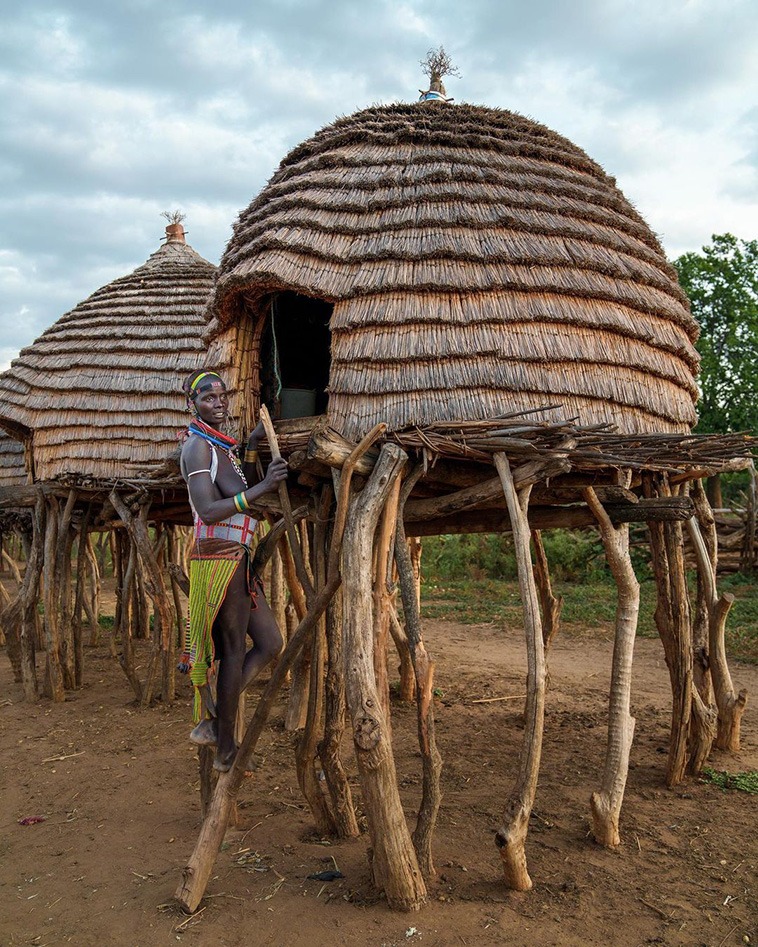
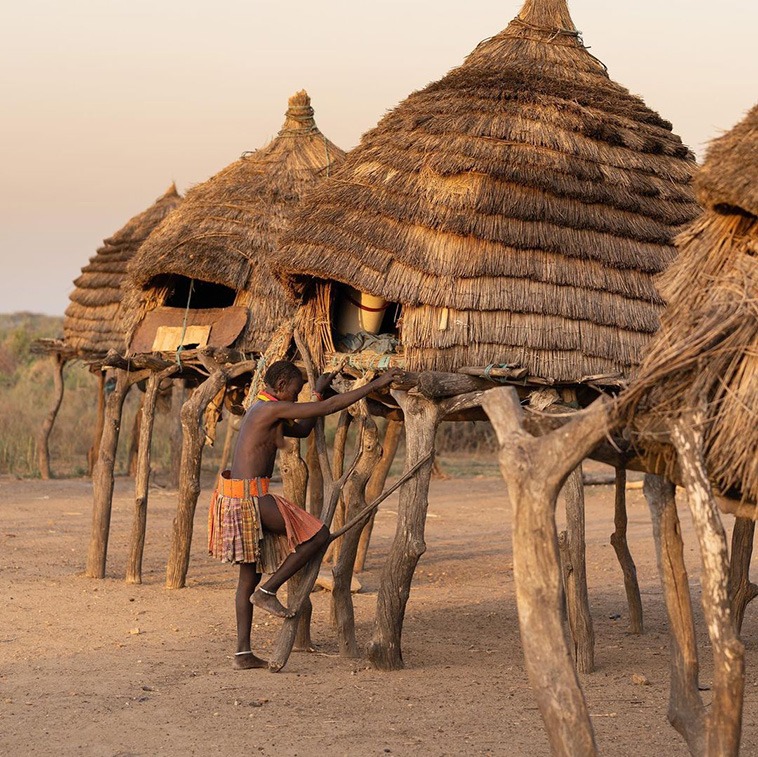
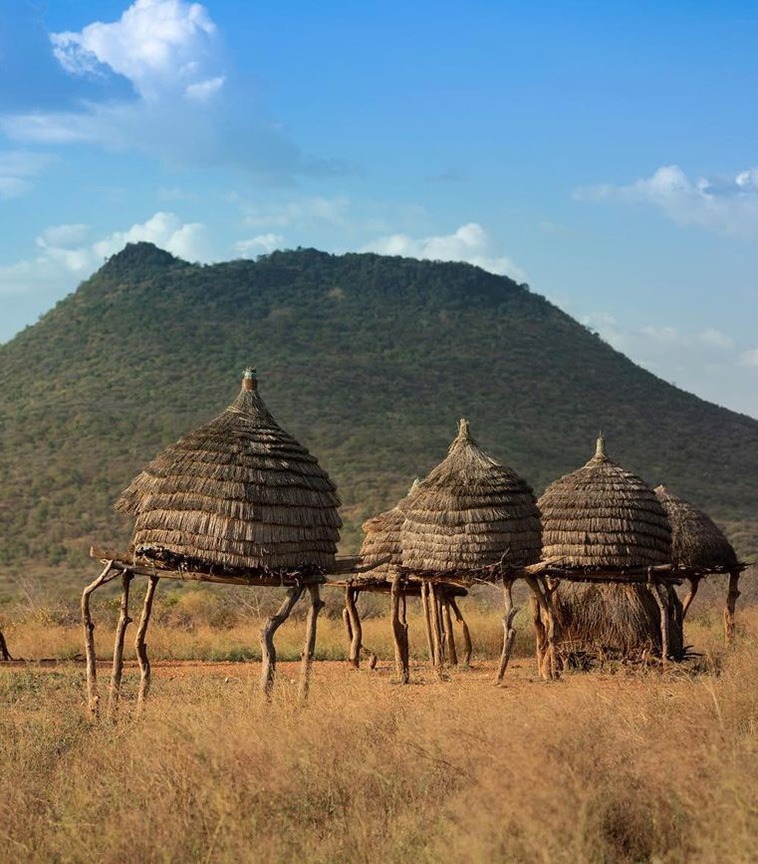
Toposa Village in South Sudan: The Toposa people construct houses elevated on stilts using strands of straw, reeds, or palm leaves. This design helps protect the dwellings from both dry and rainy seasons, and regular roof maintenance is performed to withstand the elements.
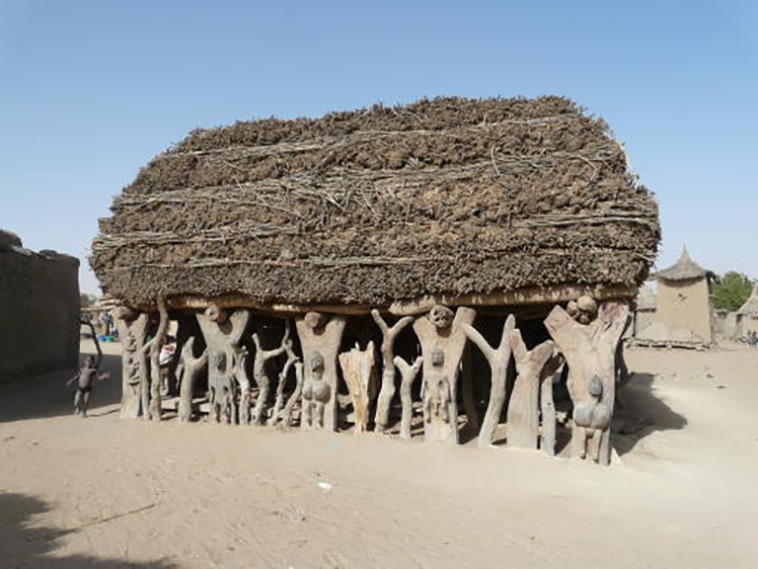
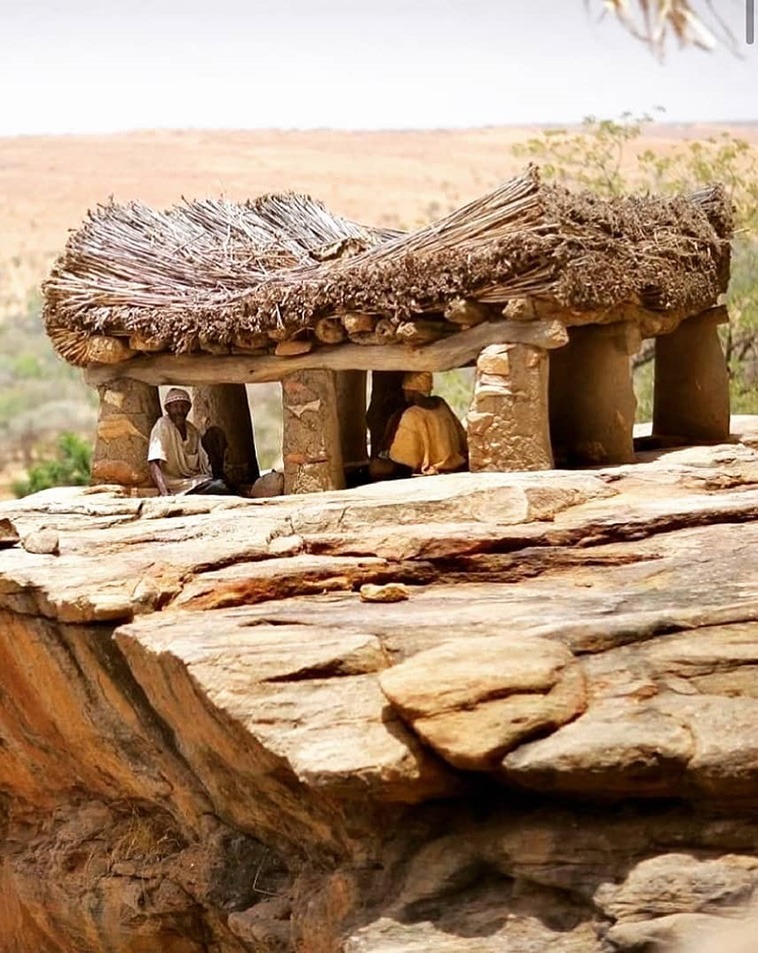
Togunas of Dogon Village, Mali: Togunas are unique public gathering places characterized by low roofs, requiring visitors to sit rather than stand during discussions. This design aims to prevent violence during heated debates. Togunas also serve as shelters from the scorching sun during the hottest hours of the day and often showcase artistic reliefs symbolizing fertility.
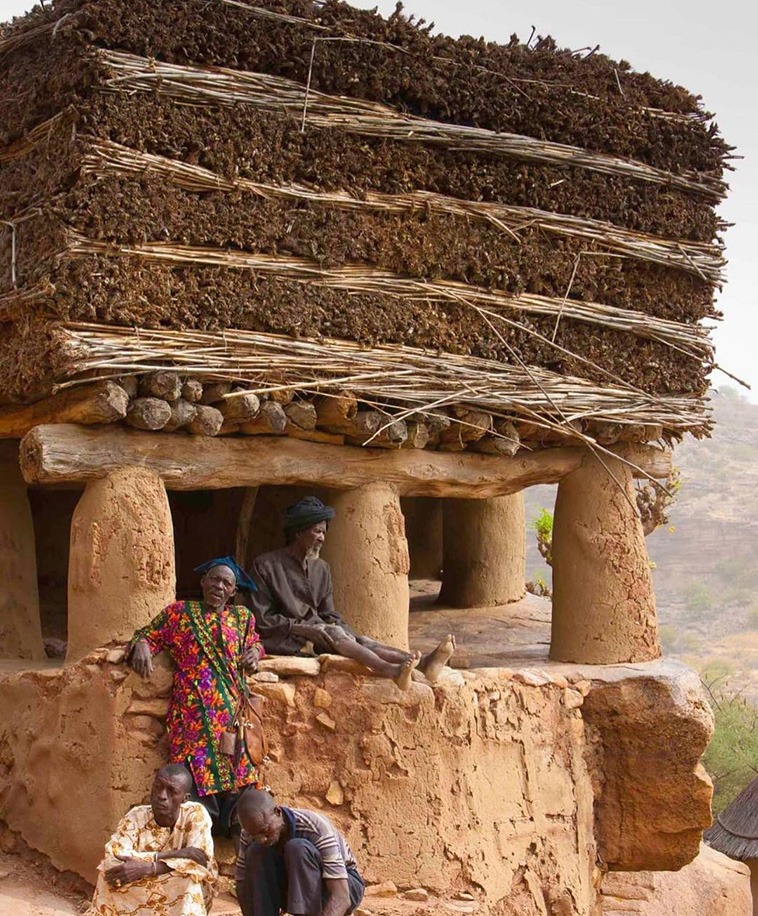
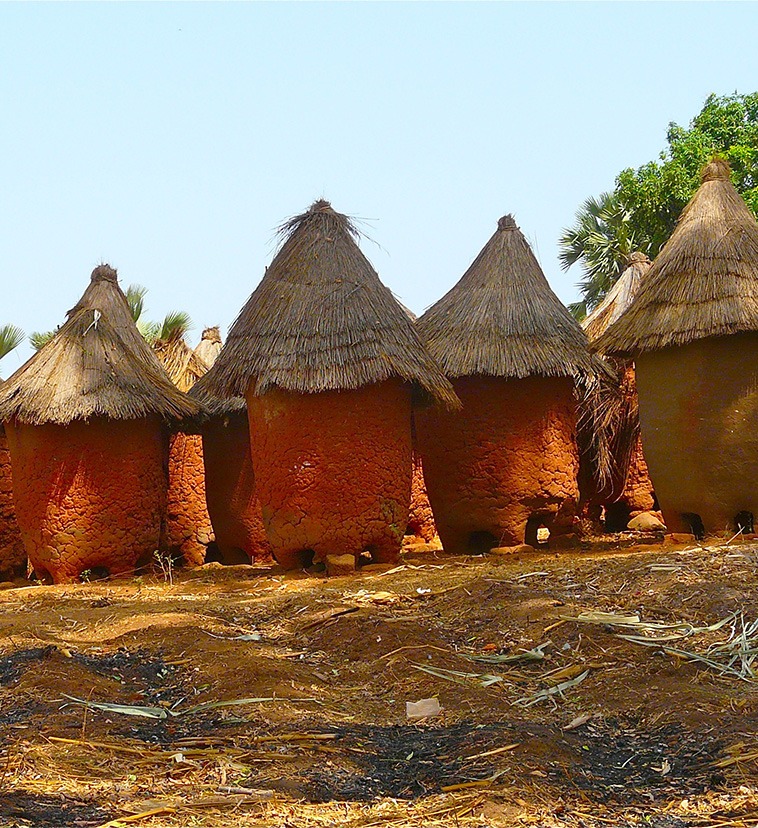
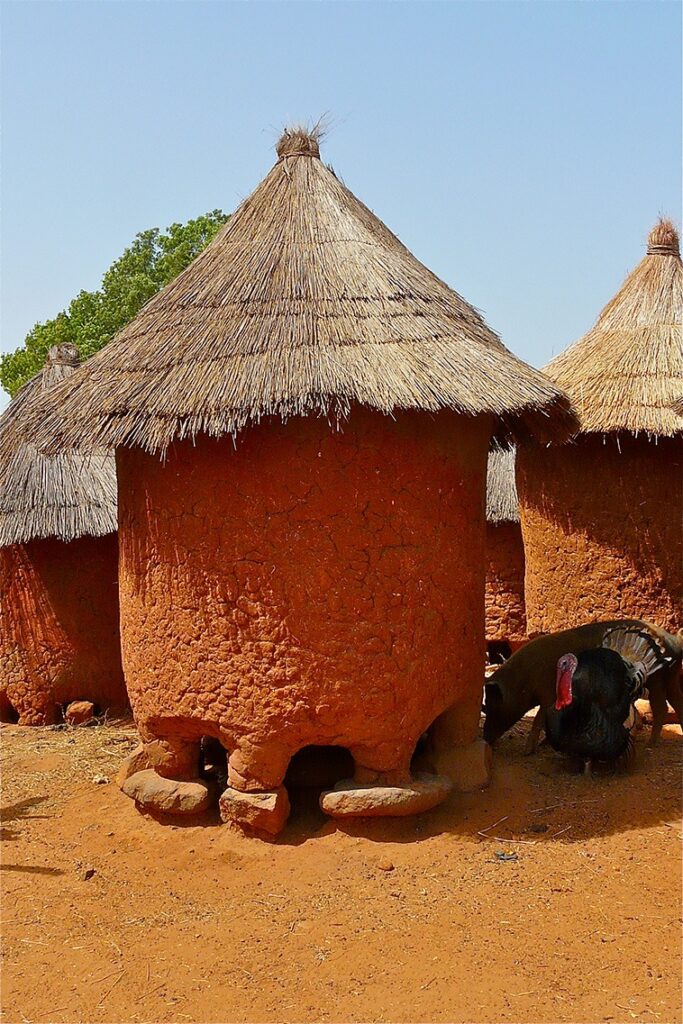
Senufo Granaries in Burkina Faso: Senufo granaries are notable for their cylindrical shape and elevated platforms. These structures are used to store grains and protect them from pests and humidity, ensuring food security for the community.
The vernacular architecture of traditional African village huts represents an invaluable cultural heritage. These structures not only provide shelter but also reflect the resourcefulness, craftsmanship, and adaptation to local conditions exhibited by African communities throughout history.
Each style of hut tells a story of the people and their connection to the land, showcasing the rich cultural tapestry and architectural ingenuity of Africa. Exploring the varied designs and construction techniques of traditional African village huts offers a deeper appreciation for the beauty and diversity found within the continent’s built environment.
Leave a Reply