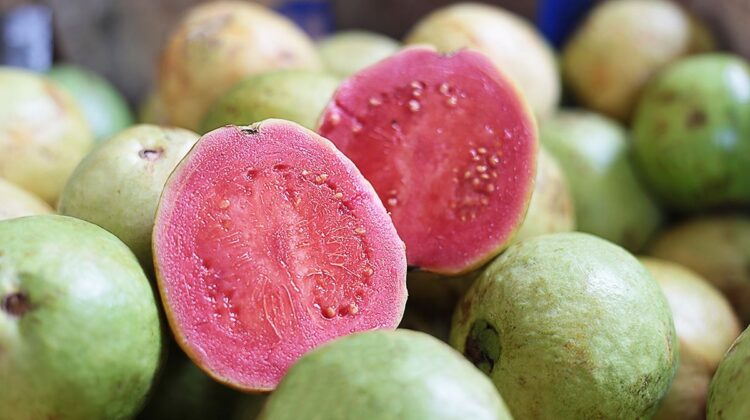
Guava is far more than a flavorful tropical fruit. From a nutritional and metabolic perspective, it has gained attention for its potential role in supporting healthy blood sugar regulation. This makes guava a practical dietary option for individuals managing diabetes or aiming to reduce their risk of insulin resistance.
Below is a clear, evidence-based look at how guava may contribute to better blood glucose balance.
1. Low Glycemic Index (GI)
Guava is classified as a low–glycemic index fruit, meaning it releases glucose into the bloodstream gradually rather than causing sharp spikes in blood sugar levels. Foods with a low GI are often recommended in diabetes-friendly diets because they support more stable glucose responses after meals.
2. High Fiber Content and Slower Sugar Absorption
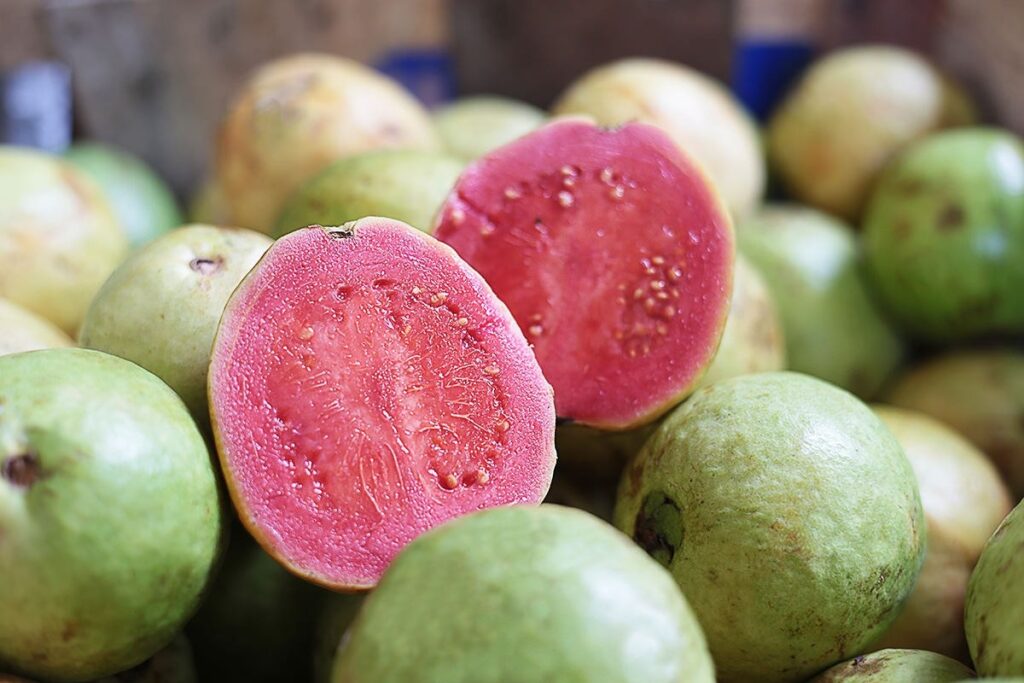
Guava is rich in dietary fiber, particularly soluble fiber, which plays a key role in metabolic health. This fiber content helps:
- Slow the absorption of sugars in the digestive tract
- Reduce post-meal blood glucose spikes
- Improve digestive efficiency
- Promote a longer feeling of fullness, supporting weight management
Maintaining a healthy body weight is a critical factor in long-term blood sugar control and insulin sensitivity.
3. Antioxidants and Metabolic Support
Guava provides a strong profile of essential nutrients and bioactive compounds, including:
- Vitamin C
- Potassium
- Flavonoids such as quercetin
These compounds are associated with reduced oxidative stress and inflammation—two factors closely linked to impaired insulin function. Improved insulin sensitivity is a key target in both diabetes prevention and metabolic health management.
4. Guava Leaves and Traditional Blood Sugar Support
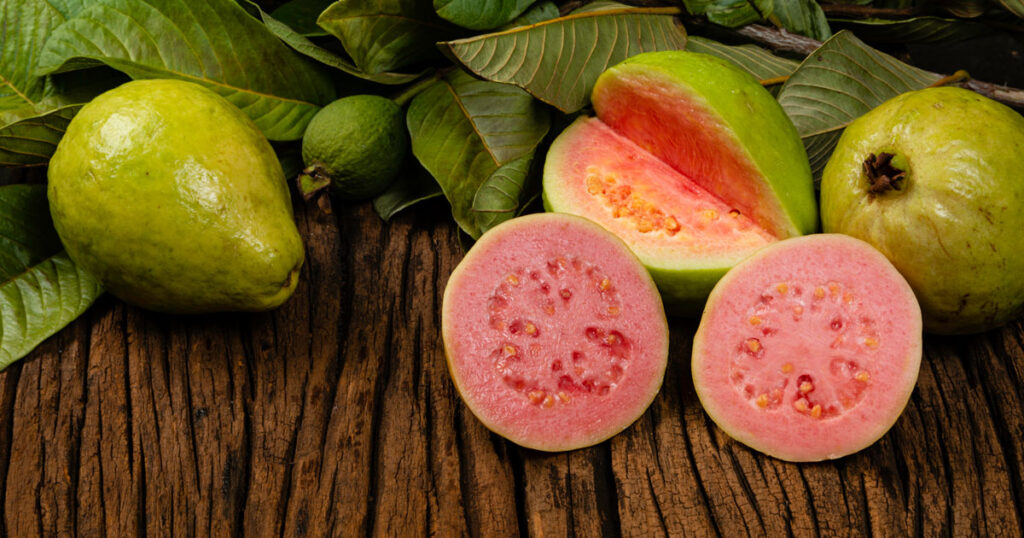
Beyond the fruit itself, guava leaves have been widely used in traditional medicine and are now being studied for their potential anti-diabetic properties. Research suggests that guava leaf extract may:
- Reduce post-meal blood glucose levels
- Inhibit digestive enzymes that convert carbohydrates into glucose
- Support more efficient insulin activity
Guava leaf tea is commonly prepared by boiling dried leaves in water and is often used as a complementary dietary approach.
Practical Ways to Use Guava for Blood Sugar Management
- Consume fresh guava, preferably with the skin if pesticide-free
- Drink guava leaf tea prepared by boiling dried leaves for about 10 minutes
- Avoid processed guava juices or canned products with added sugars
- Practice portion control, as natural sugars still affect glucose levels
Important Note
Guava and guava leaf tea may support blood sugar regulation, but they are not substitutes for prescribed medications or medical treatment plans. Individuals with diabetes or metabolic conditions should consult a healthcare professional before making dietary changes or using herbal preparations.
Scientific Perspective on Guava and Metabolic Health
From a nutritional science standpoint, guava represents a functional food with relevance to glycemic control, insulin sensitivity, and metabolic balance. Ongoing research in nutritional biochemistry, diabetes prevention, and plant-based compounds continues to explore how fiber-rich fruits and botanical extracts influence glucose metabolism and long-term metabolic health—an area of growing importance in preventive healthcare and clinical nutrition.
Leave a Reply