Lawmakers say the industry raises serious concerns for animals, the environment, and public health.
Mexico has taken a major step toward protecting marine life.
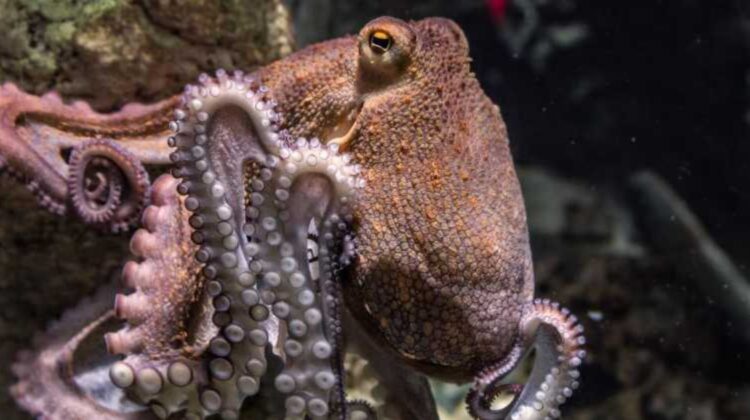
A new bill introduced in the Mexican Senate proposes a nationwide ban on octopus farming. If approved, the law would prohibit breeding or raising any species of cephalopods — including octopuses — anywhere in the country.
The legislation was presented by Senator Maki Esther Ortiz Domínguez from the Partido Verde Ecologista de México.
The proposal would reform Mexico’s General Law of Sustainable Fisheries and Aquaculture. Under the new rules, authorities would no longer grant permits or concessions for farming octopuses or other cephalopods.
The bill has now moved to Senate committees for discussion before a final vote.
Supporters say the move is urgent.
Mexico is currently home to the only operational octopus farm in the Western Hemisphere, located in Sisal, Yucatán. The facility operates in collaboration with researchers from National Autonomous University of Mexico.
But after more than a decade of operations, the results have raised serious concerns.
Reports show that the farm has experienced mortality rates of more than 50 percent. Around 30 percent of the deaths were caused by cannibalism, a behavior that often occurs when octopuses are kept in confined spaces.
Even more troubling, the facility continues to capture wild reproductive octopuses — including pregnant females — to maintain breeding populations.
For many scientists and animal welfare advocates, these findings suggest that farming octopuses may simply not be viable.
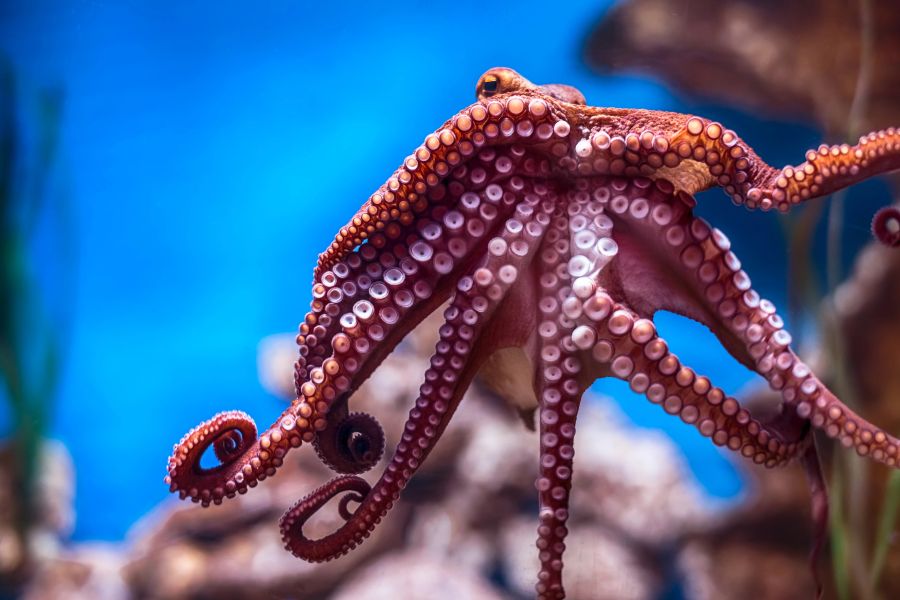
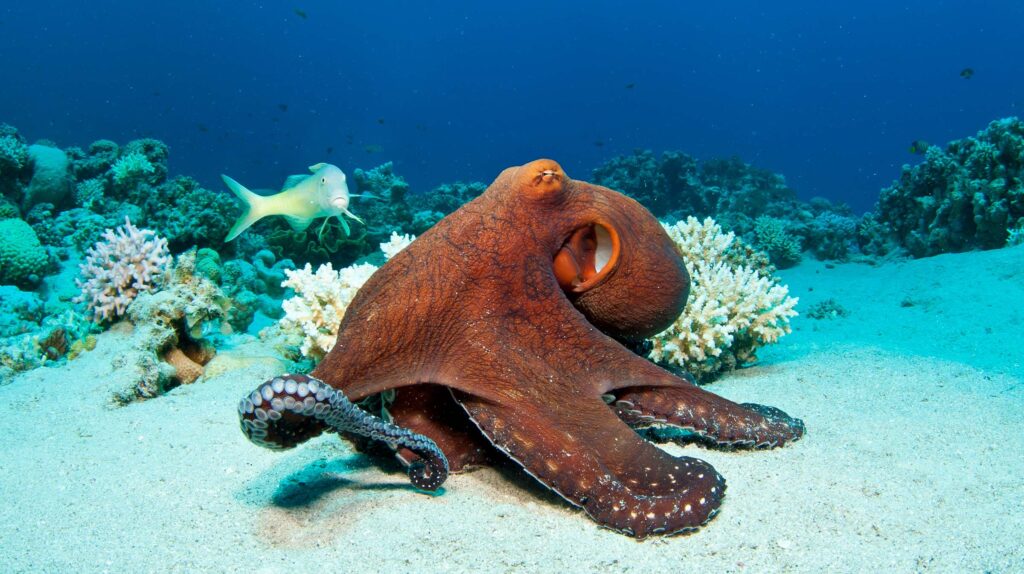
Octopuses are widely considered some of the most intelligent animals in the ocean. They are highly curious, capable of solving problems, and known for complex behaviors rarely seen in other marine species.
Keeping such animals in crowded industrial farming environments can lead to extreme stress and aggression.
Several international organizations helped support the new legislation, including Aquatic Life Institute, Mercy For Animals, Animal Save Movement, and AnimaNaturalis.
These groups argue that preventing the industry from expanding now is the safest path forward.
Supporters of the bill also highlight economic concerns.
Currently, all octopus consumed in Mexico comes from artisanal fishing, which supports thousands of coastal fishing families. Large-scale industrial farms could threaten those traditional livelihoods.
There are environmental concerns as well.
Octopuses are carnivores and require diets made from other marine animals. Farming them at large scale would likely increase pressure on already declining wild fish populations.
In addition, aquaculture operations can release waste and chemicals into surrounding waters, potentially damaging fragile coastal ecosystems.
Public health experts have also warned about potential risks.
Intensive aquaculture systems often rely on antibiotics to control disease, which can contribute to antimicrobial resistance. Some researchers have also raised concerns about zoonotic parasites linked to cephalopod consumption.
Mexico is not the only place where governments are considering restrictions.
In the United States, several states — including California and Washington — have already passed laws banning octopus farming.
Other states are reviewing similar proposals, and lawmakers have also introduced federal legislation known as the OCTOPUS Act.
Meanwhile, Chile introduced its own bill in 2025 that would prohibit octopus farming nationwide.
Environmental groups say the growing number of legislative proposals shows that momentum is building globally to stop the industry before it expands further.
For now, the future of octopus farming in Mexico will depend on the outcome of the Senate discussions.
But many advocates hope the bill will mark a turning point in how governments regulate emerging aquaculture industries.
Marine conservation has become a growing global priority as governments and environmental organizations work to protect ocean ecosystems and marine biodiversity. Efforts such as sustainable fisheries management, marine conservation programs, aquaculture regulation, ocean pollution prevention initiatives, and environmental protection policies aim to safeguard marine wildlife while supporting responsible seafood production and long-term ocean sustainability.
Leave a Reply