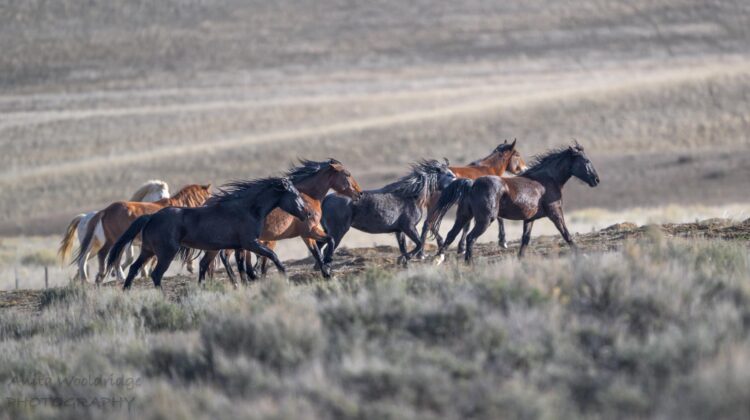
More than 14,000 wild horses are set to be rounded up across the western United States in 2026, under a federal plan aimed at managing growing populations and strained natural resources.
The operation, led by the Bureau of Land Management, is part of a broader strategy to address overpopulation and the effects of prolonged drought on public lands.
According to officials, the removals will take place across several states, including Arizona, California, Colorado, Nevada, Oregon, Utah and Wyoming.
In Colorado alone, more than 1,000 horses are expected to be removed, with the largest operation planned in the Piceance-East Douglas area, where hundreds of mustangs will be gathered from a large stretch of public land.
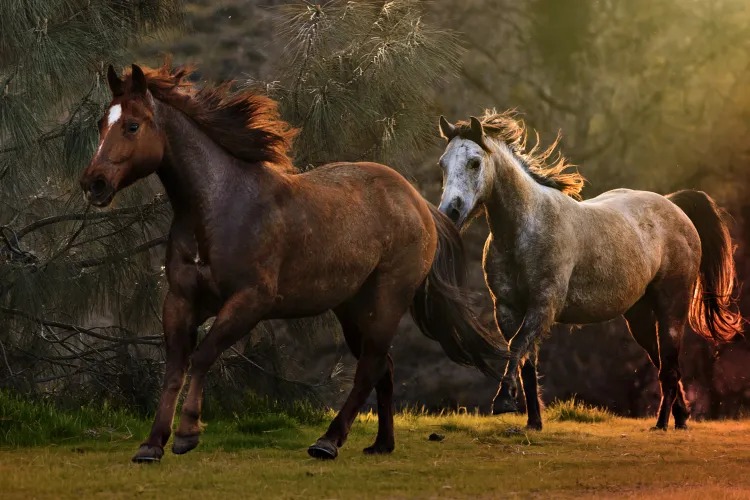
Federal authorities say the aim is to reduce pressure on ecosystems where water and food supplies have become increasingly limited.
However, the plan has drawn criticism from animal welfare groups and activists.
Concerns have focused in particular on the use of helicopters to drive horses into holding areas, with campaigners warning that the method can cause stress, injury and, in some cases, death.
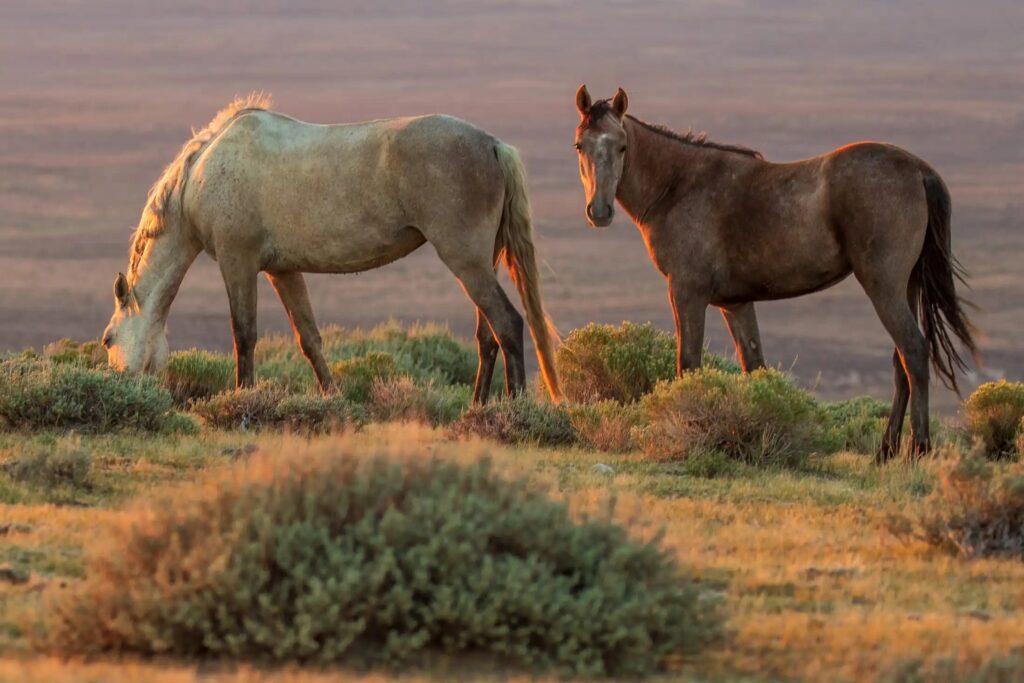
Advocates are calling for alternative approaches, including fertility control programmes, which they say would allow horse populations to be managed without removing animals from the wild.
Officials have indicated that fertility measures will be expanded alongside the roundups, including the use of vaccines to prevent pregnancy in some mares.
Wild horse removals have increased significantly in recent years. Tens of thousands of horses and burros have been taken off public lands since 2020, reflecting growing challenges in balancing conservation, land use and animal welfare.
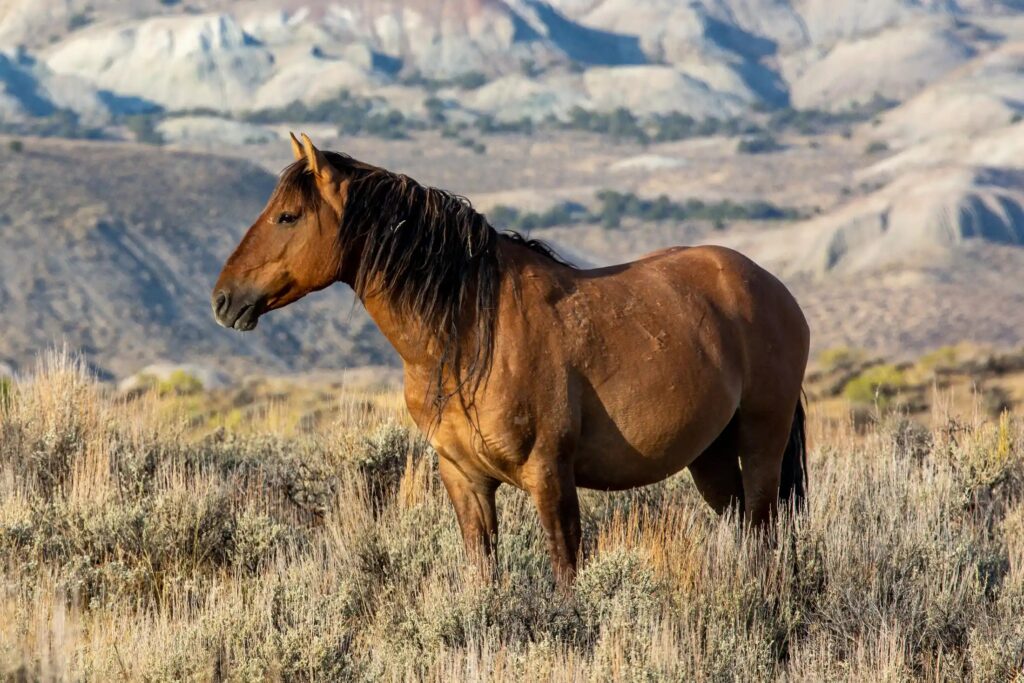
The debate is expected to continue as authorities move forward with the 2026 plan.
Ongoing debates around wildlife management are increasing demand for environmental conservation programs, wildlife protection funding, sustainable land management solutions, veterinary services, and animal welfare initiatives, as governments and organizations invest in long-term strategies to balance ecosystems, protect biodiversity, and reduce environmental and economic risks.
Leave a Reply