• Skip to main content
  • Skip to primary sidebar
  • Skip to footer
  • Home
  • About Us
  • Copyright Report
  • Submit Content
  • Terms
  • Privacy Policy
  • Legal Disclaimer

Hasan Jasim

Hasan Jasim is a place where you may get entertainment, viral videos, trending material, and breaking news. For a social generation, we are the largest community on the planet.

How Igloos Keep You Warm in Extreme Cold

by Hasan Jasim Editorial Team Leave a Comment

ShareTweet

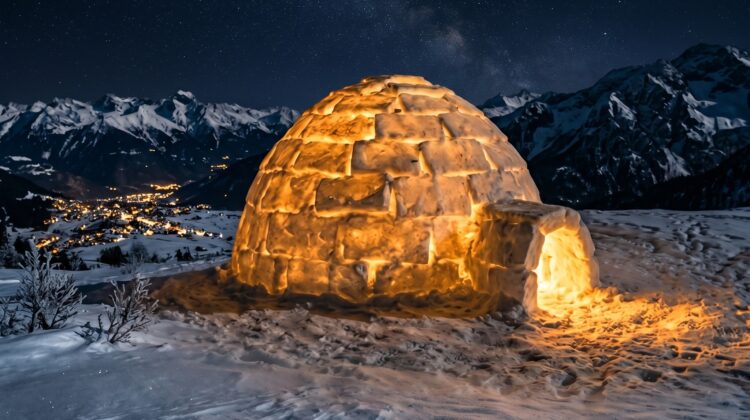
Build a fire inside an igloo, and the inner walls will slightly melt, then refreeze into a smooth ice layer. This thin layer seals gaps and boosts insulation, helping the shelter remain surprisingly warm even when outside temperatures plummet well below freezing.

Igloos work because compacted snow is a natural insulator. Snow traps air within its crystalline structure, slowing the loss of heat and creating a barrier against frigid winds. When a small heat source—such as a candle or a fire—is introduced, the inner surface melts just enough to form a thin, smooth ice layer. This layer fills tiny cracks, preventing drafts and improving the structure’s ability to retain warmth.
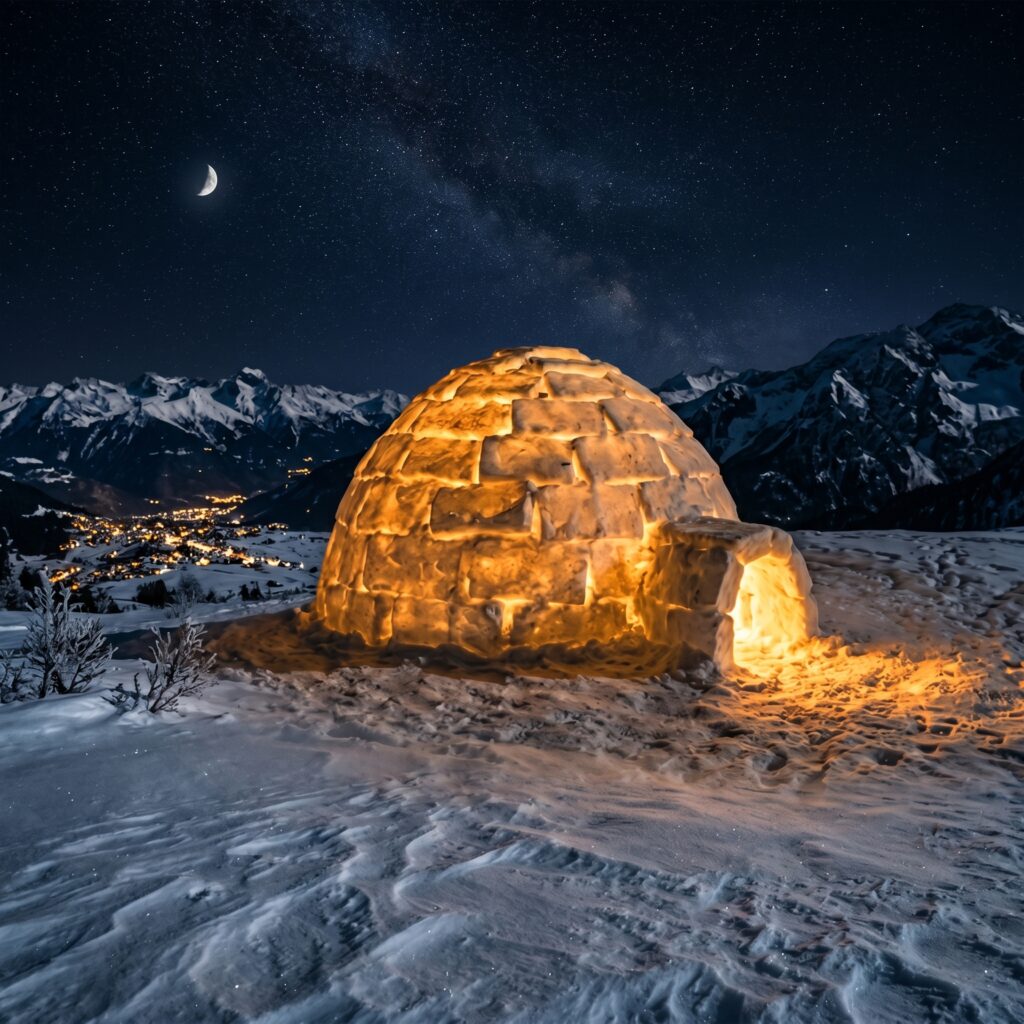
Inside, temperatures rarely reach what most people would call room temperature. Typically, the interior hovers around or just below freezing. While this may seem cold, it is often 30–40°C warmer than the Arctic outside. The comfort comes not from actively heating the space but from a combination of insulation, clever design, and reduced wind exposure.

Historical and Cultural Context

The igloo is more than just a practical shelter—it is a symbol of human ingenuity. Indigenous Inuit communities have used snow dwellings for centuries, mastering the art of construction in extreme environments. The classic dome shape of the igloo is not only structurally strong but also efficient in retaining heat. Blocks of snow are cut and layered in a spiral, with each successive block leaning slightly inward to support the next. The entrance is typically a low tunnel, which traps cold air near the floor and prevents it from entering the main living space.
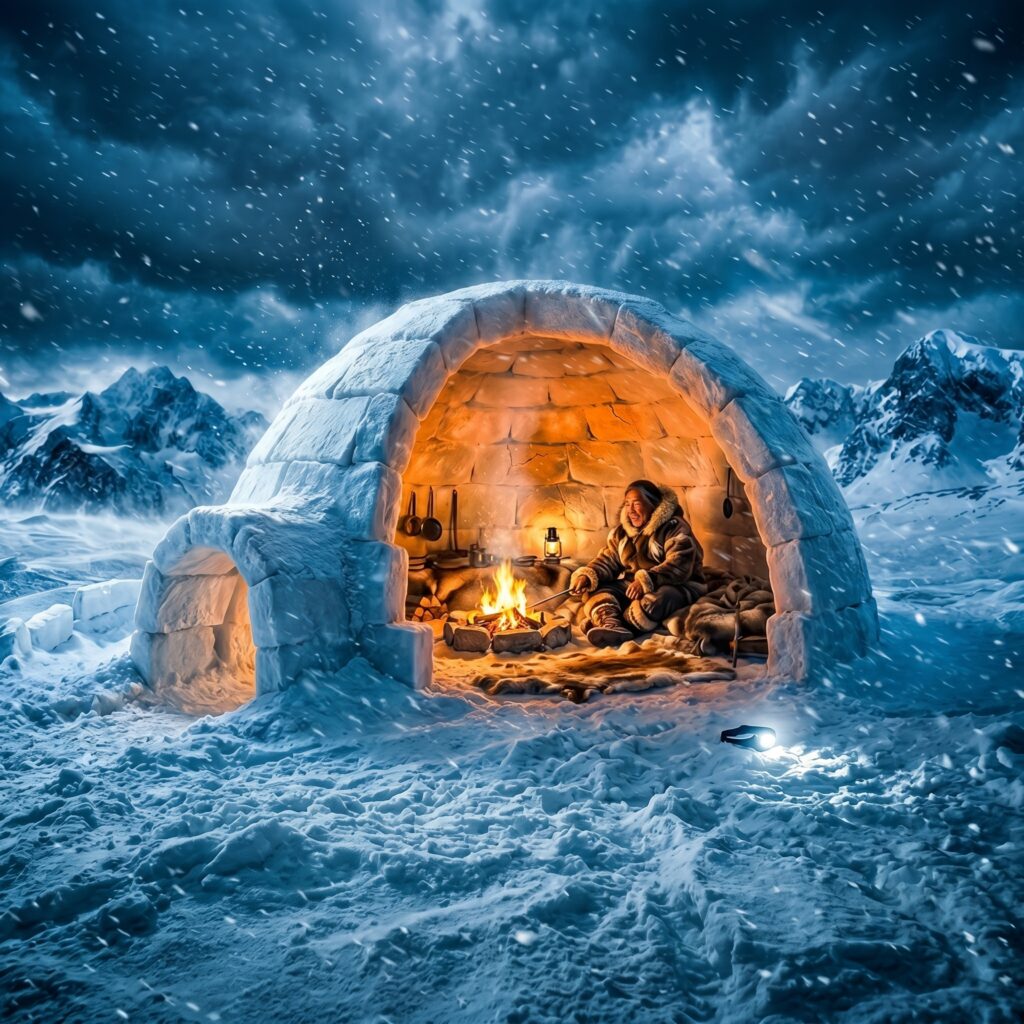
Some Inuit igloos also feature a small ventilation hole at the top, allowing smoke from fires to escape without sacrificing warmth. Sleeping platforms inside the igloo are elevated slightly, taking advantage of the fact that warm air rises. Together, these techniques create a shelter that is remarkably livable, even in temperatures that can fall below −40°C.

Ultimately, the igloo is a testament to the power of observation, experimentation, and respect for the environment. By combining simple natural materials with an understanding of heat, airflow, and structural design, Inuit communities created a shelter that turns the harshest of landscapes into a habitable space. In an age of high-tech architecture, the igloo remains a powerful reminder that survival in extreme climates depends as much on ingenuity and intimate knowledge of nature as on tools or technology.

Filed Under: Trends Worldwide Tagged With: Arctic survival, cold weather, heat retention, igloo, insulation, Inuit culture, snow, snow engineering, traditional architecture, winter shelters

Reader Interactions

Leave a Reply Cancel reply

Your email address will not be published. Required fields are marked *

Primary Sidebar

More to See

Five Peaks of the Cascade Volcanic Arc: A Majestic Aerial View of Mt. Jefferson, Mt. Hood, Mt. Adams, Mt. St. Helens, and Mt. Rainier

By Hasan Jasim Editorial Team

A ‘Raised by Wolves’ Man Has a Few Complaints About Human Society

By Hasan Jasim Editorial Team

Operation Yellow Ribbon: Canada’s Remarkable Response to 9/11 Showcases Compassion and Solidarity

By Hasan Jasim Editorial Team

Incredibly, A’miracle’ Dog Survives An Accident With An 80 Mph Car

By Hasan Jasim Editorial Team

This River on the Dutch-Belgian Border Has Been Rewilded, Restoring the Pristine Conditions That Existed 500 Years Ago

By Hasan Jasim Editorial Team

Photographer Captures Gigantic Red Ring of Light and Ultra-Rare Lightning Phenomena

By Hasan Jasim Editorial Team

These bugs come out at nighttime, and attacking victims, they silently kill or leave them with a lifelong infection

By Hasan Jasim Editorial Team

Footer

ABOUT HASANJASIM.ONLINE

Hasanjasim.online is a digital platform dedicated to publishing well-researched articles about the animal kingdom, nature, and the environment. Our editorial team works to source stories from credible outlets, scientific research, and verified reports, aiming to inform as much as we entertain. From wildlife conservation and animal behavior to natural wonders and environmental science, we cover the topics that help readers better understand and appreciate the natural world. Whether you're a lifelong nature lover or simply curious about the planet we share, Hasanjasim.online aims to be a trustworthy destination for stories worth reading — and worth citing.

Recent

  • A Mystery Animal Has Been Randomly Attacking People in New Hampshire — Here’s What We Know
  • A Woman Was Filmed Sharing Her Ice Cream With Her Dog — Here’s What Vets Actually Say About It
  • Dolphin Calf Incident in Ceuta Sparks Outrage After Disturbing Beach Footage Emerges
  • Lactuca Serriola Root: Traditional Uses of Prickly Lettuce (Wild Lettuce) Root
  • The Puppy a Firefighter Couldn’t Leave Behind — and the Story Didn’t End There
  • A Mother Dog Dove Into Floodwater Again and Again — Until All 7 of Her Puppies Were Safe
  • Man shares wife’s last heartbreaking words before she vanished in Nepal floods

Search