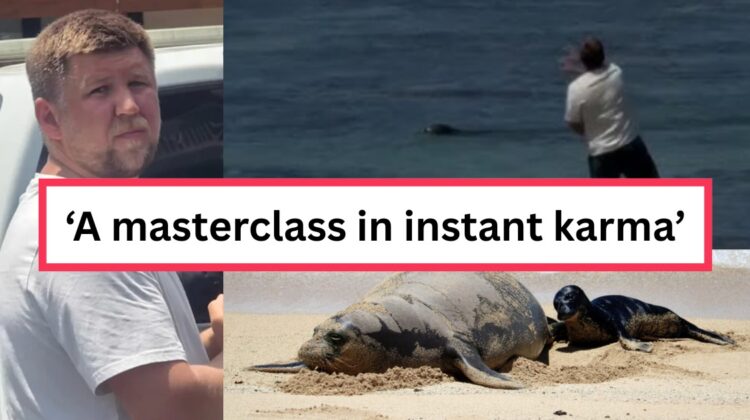
A tourist accused of harassing an endangered Hawaiian monk seal on a Maui beach is facing widespread backlash after witnesses said he threw rocks at the animal and dismissed concerns by reportedly claiming he could afford any penalties.
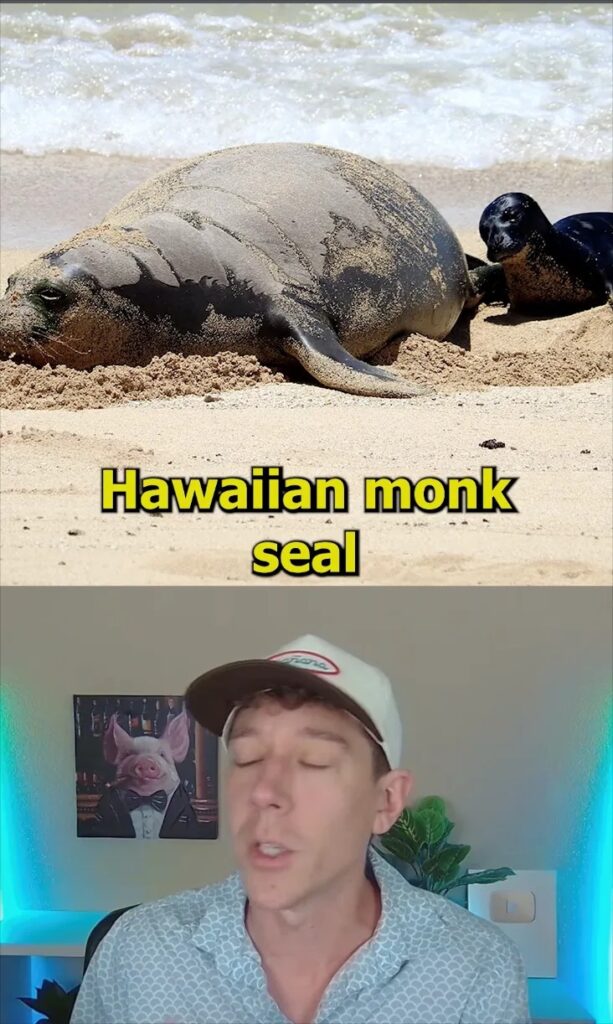
According to accounts shared online, the incident involved a well-known Hawaiian monk seal named Lani, an animal reportedly recognized and protected by local residents who closely monitor the safety of monk seals and their pups.
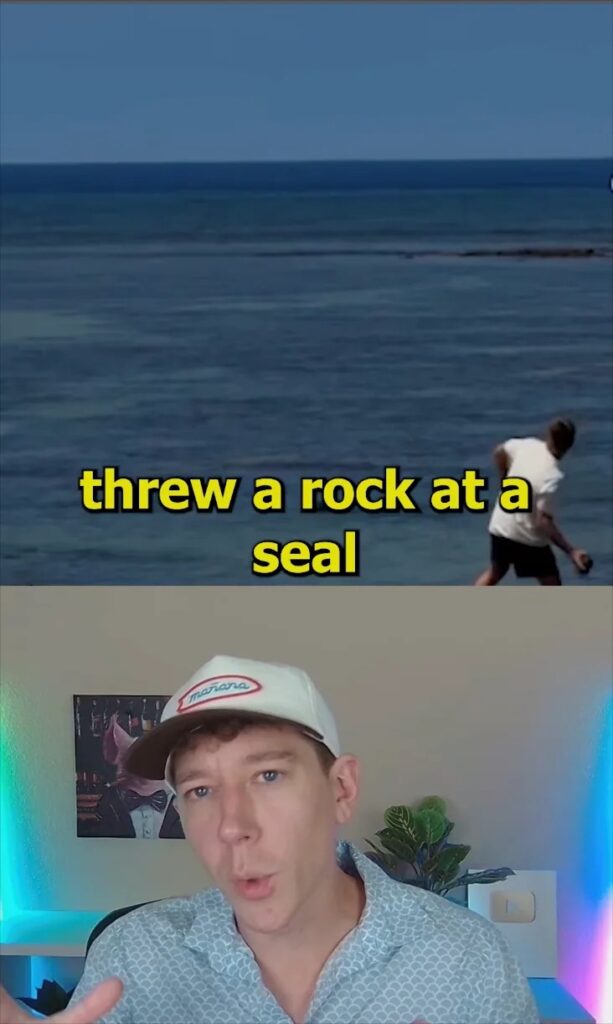
Witnesses said beachgoers confronted the man after he was seen throwing rocks toward the seal. He was then allegedly heard responding, “I’m rich, I can pay the fines.”
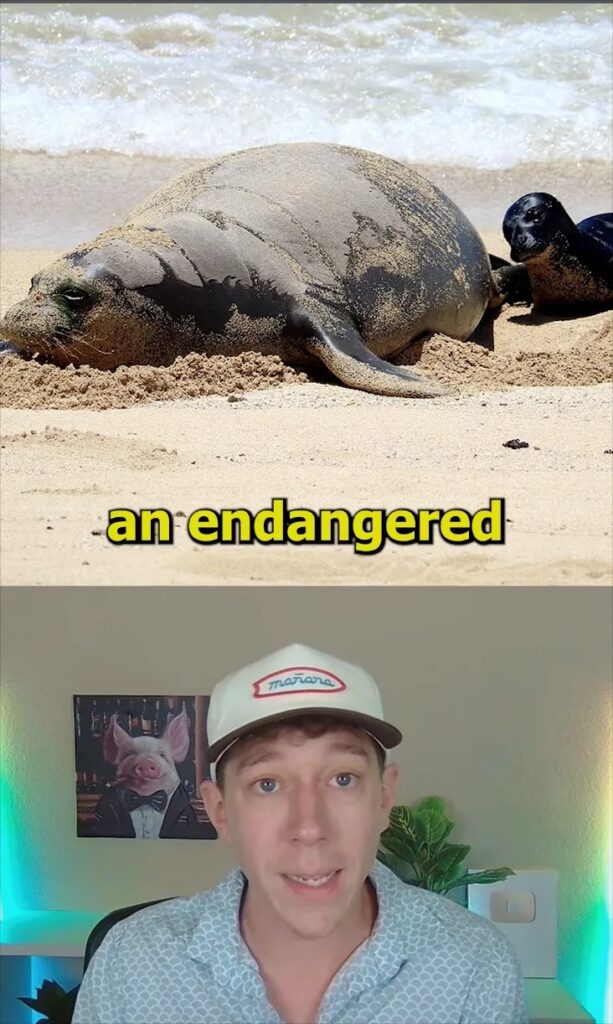
The case quickly sparked anger both locally and online, not only because Hawaiian monk seals are endangered, but because the species is one of the rarest marine mammals in the world and is protected under US federal and state wildlife laws.

Conservation advocates have long warned that disturbing monk seals — whether by touching, feeding, harassing or intentionally harming them — can carry serious legal consequences.
For many in Hawaii, the reaction was about more than one tourist’s behavior. It reflected broader frustration over visitors who ignore local wildlife protections and cultural respect while visiting ecologically sensitive destinations.

Hawaiian monk seals are deeply valued across the islands, and community volunteers often help monitor resting seals, educate tourists and support conservation efforts.
The story gained significant attention online because it was viewed by many as an example of entitlement meeting accountability in the age of smartphones and social media.
Wildlife experts consistently emphasize that marine animals, particularly endangered species, should be observed from a safe and legal distance. Interfering with protected animals can create stress, injury or worse.
While Hawaii remains one of the world’s most sought-after travel destinations, environmental officials frequently remind visitors that tourism also comes with responsibility — especially when sharing beaches with vulnerable native species.





For many observers, the incident has become a stark example that wealth or status does not exempt anyone from wildlife protection laws or public scrutiny.
Why wildlife protection laws matter in major tourism destinations
Incidents involving endangered animals can also highlight broader issues tied to eco-tourism, conservation law and responsible travel. In destinations like Hawaii, protecting native wildlife is essential not only for biodiversity but also for sustainable tourism, environmental education and local economies. As global travel increases, understanding wildlife laws, conservation ethics and eco-friendly tourism practices may become an increasingly important part of responsible vacation planning.
Leave a Reply