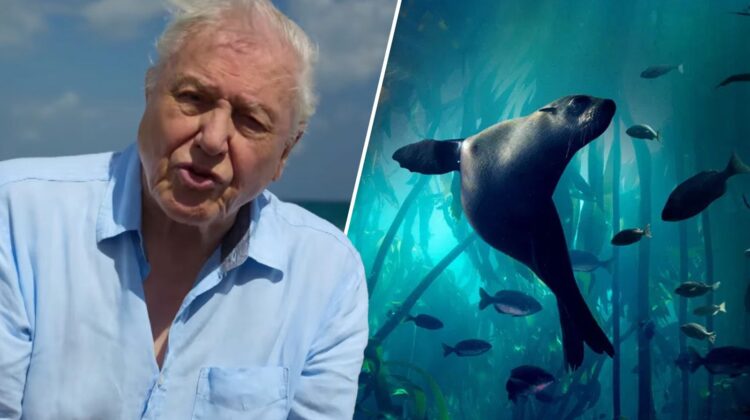
More than two decades after The Blue Planet transformed wildlife filmmaking, the BBC has confirmed that David Attenborough will return to narrate Blue Planet III, the latest installment in one of the world’s most celebrated natural history documentary franchises.
The new six-part series, produced by the BBC Studios Natural History Unit, is expected to showcase some of the most advanced underwater cinematography ever attempted, combining cutting-edge technology with the storytelling style that helped make previous Blue Planet productions global cultural events.
According to the BBC, the upcoming series will use innovative filming methods including remote underwater camera systems, splash drones and specialized imaging equipment designed to capture marine behaviors rarely — if ever — seen before.
The announcement was made during a centenary celebration event honoring Attenborough’s 100th birthday at Royal Albert Hall, where audiences were shown an early preview of the new production alongside footage of the veteran broadcaster returning to the recording studio.
When The Blue Planet first aired in 2001, it introduced millions of viewers to deep-ocean ecosystems and marine species that had rarely been filmed in such detail. Its follow-up, Blue Planet II, became especially influential for its coverage of plastic pollution and the impact of human activity on ocean life.
With Blue Planet III, the focus is expected to extend beyond spectacle alone, highlighting both the fragility and resilience of marine ecosystems.
The series will reportedly explore several major ocean environments, including tropical waters, polar regions, seasonal seas, open oceans and the deep sea. A concluding episode titled Future Seas is expected to examine conservation challenges and potential pathways for protecting marine biodiversity in coming decades.
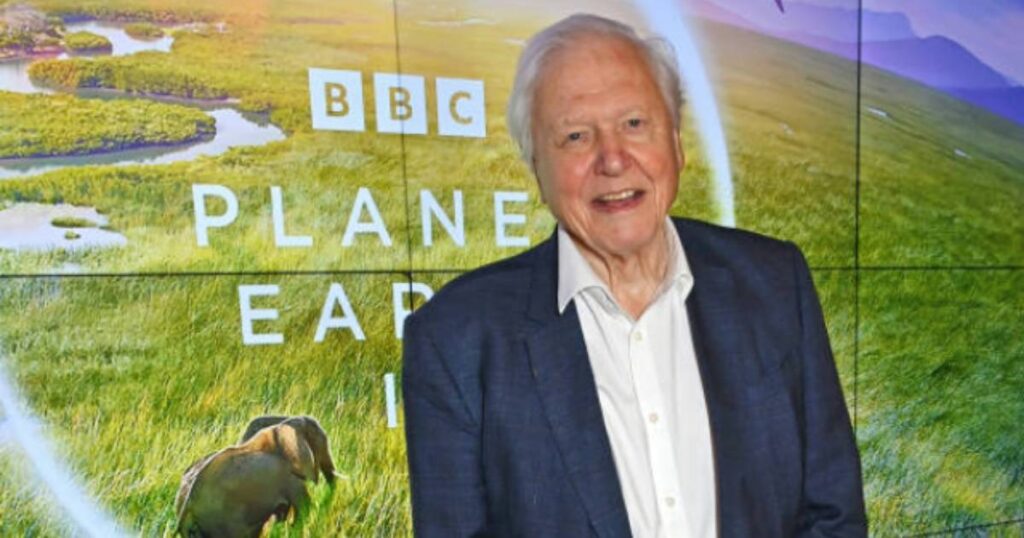
For many viewers, Attenborough’s return carries significance beyond television itself. Across nearly eight decades of broadcasting, he has become one of the most recognizable voices in environmental storytelling, helping redefine how global audiences engage with nature, climate science and wildlife conservation.
Even at 100 years old, Attenborough remains a central figure in public conversations about biodiversity loss, ocean health and the future of the natural world.
The BBC has said Blue Planet III will air later this year on BBC One, BBC iPlayer and BBC America.
Why nature documentaries continue to influence environmental awareness
Large-scale wildlife documentaries increasingly shape public understanding of climate change, ocean conservation and biodiversity protection. Productions such as Blue Planet have also influenced discussions around sustainable tourism, plastic pollution, environmental policy and conservation funding, demonstrating how media storytelling can affect real-world environmental action.
Leave a Reply