• Skip to main content
  • Skip to primary sidebar
  • Skip to footer
  • Home
  • About Us
  • Copyright Report
  • Submit Content
  • Terms
  • Privacy Policy
  • Legal Disclaimer

Hasan Jasim

Hasan Jasim is a place where you may get entertainment, viral videos, trending material, and breaking news. For a social generation, we are the largest community on the planet.

Scotland moves to require ‘swift bricks’ in new buildings as part of effort to reverse urban bird decline

by Hasan Jasim Editorial Team Leave a Comment

ShareTweet

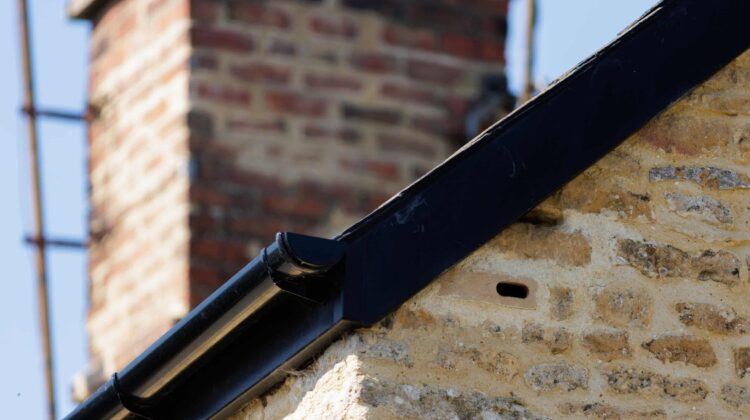
Scotland is introducing pioneering building regulations aimed at protecting declining bird populations by requiring new developments to include “swift bricks” — specially designed nesting spaces built directly into modern structures.

The move is intended to address one of the lesser-known environmental consequences of contemporary construction: the disappearance of traditional nesting spaces for birds that once relied on cracks, crevices and gaps in older buildings.

Among the primary beneficiaries are swifts, highly aerial migratory birds whose populations have fallen dramatically in recent decades.
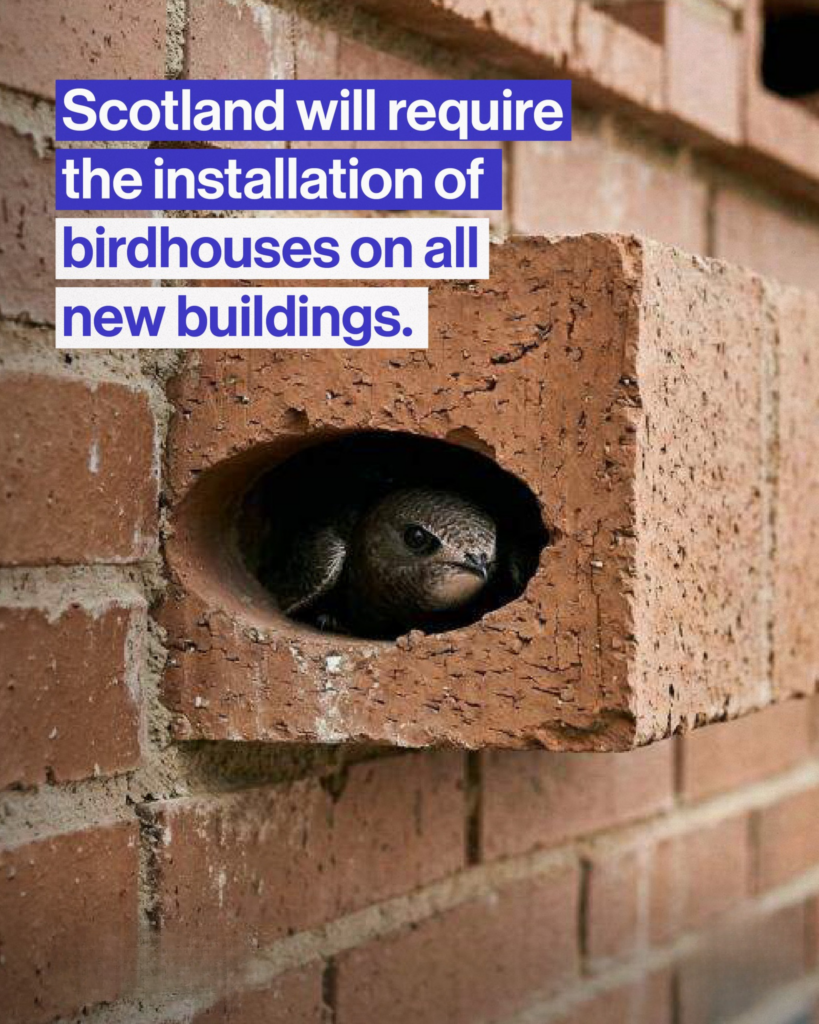
Conservation groups say modern insulation systems, sealed facades and energy-efficient renovations have unintentionally removed many of the nesting opportunities these birds historically depended on.

Swift bricks are designed as a practical solution.

Integrated directly into exterior walls during construction, the hollow bricks create secure nesting cavities while maintaining a building’s structural performance and energy standards.

Because they are installed during the building phase, they are considered relatively low-cost and require little to no maintenance once in place.
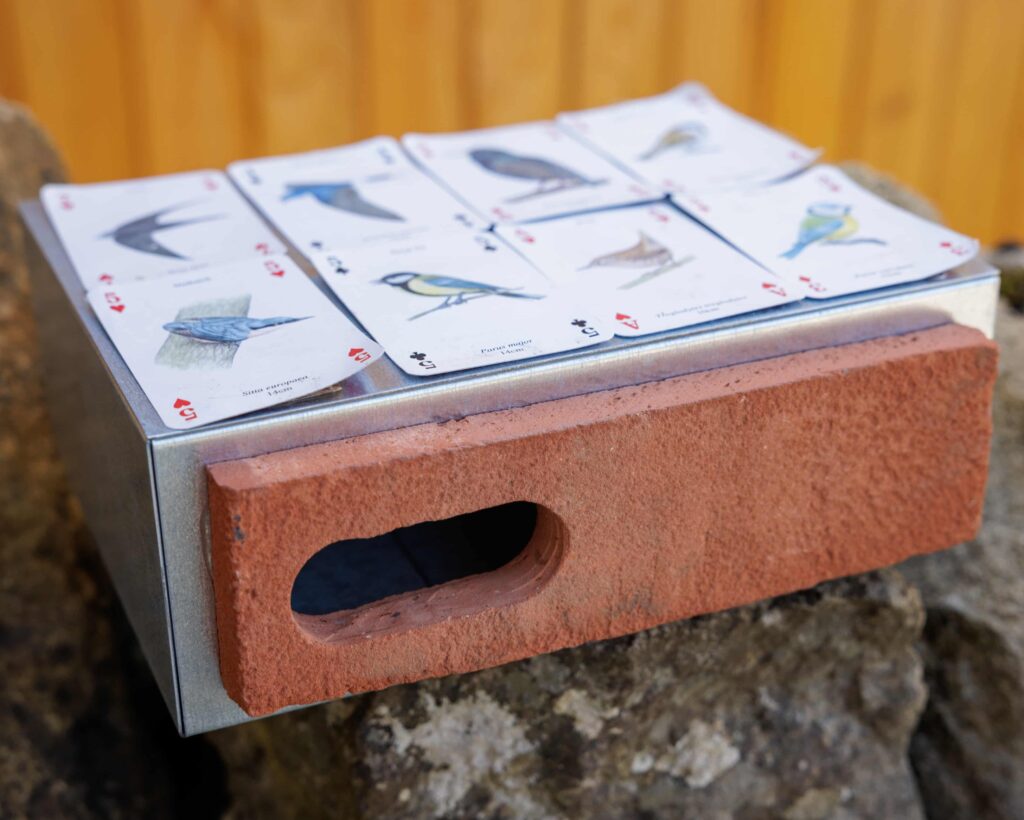
The bricks will be introduced in Scotland after a 12-month consultation. Photograph: Sam Frost

Although the legislation focuses heavily on supporting swifts, experts say other cavity-nesting urban birds — including sparrows and starlings — may also benefit.

Environmental advocates have praised the policy as an example of how relatively small design adjustments can produce substantial biodiversity gains in increasingly urbanized landscapes.

The regulation is expected to move through a technical consultation period before full implementation, allowing policymakers, builders and conservation specialists to refine standards and practical guidance.
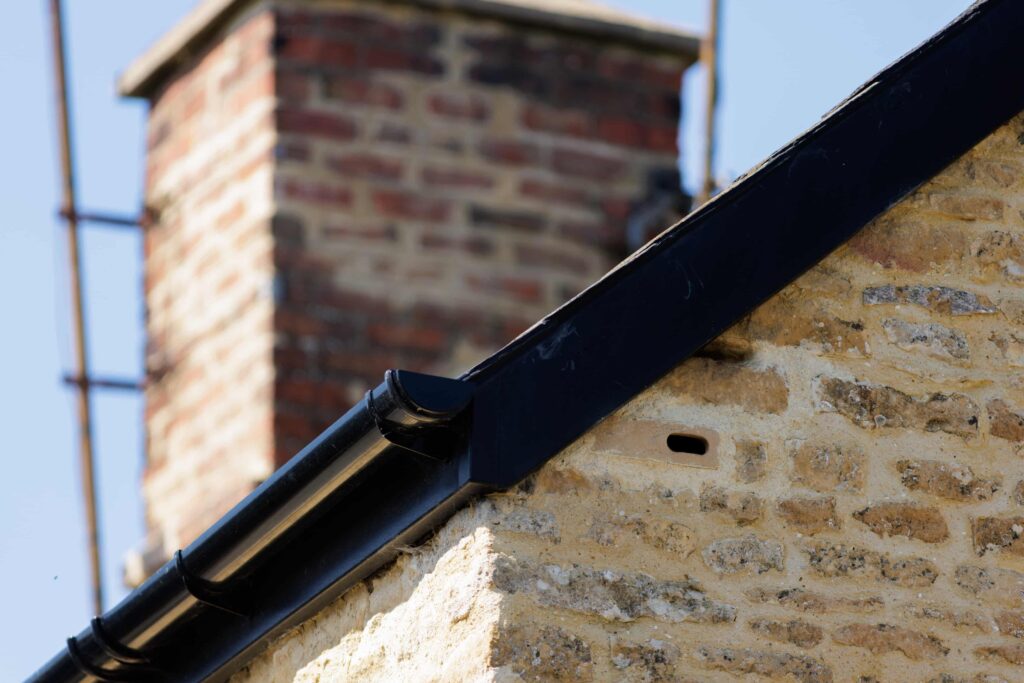
Campaigners say the bricks are a small but essential measure for swifts and other birds. Photograph: Sam Frost

The initiative also reflects a broader shift in urban planning, where biodiversity is increasingly being considered alongside sustainability, housing development and energy efficiency.

As cities expand and building practices modernize, habitat-friendly design is becoming a growing area of interest for governments seeking to balance infrastructure with ecological preservation.

For supporters, Scotland’s approach may offer a model for how architecture can actively contribute to conservation rather than unintentionally accelerate species decline.

Why wildlife-friendly architecture is gaining attention

As governments and developers face rising pressure to combine sustainability with biodiversity protection, features such as swift bricks, green roofs, pollinator spaces and habitat-conscious planning are increasingly seen as part of future-ready construction. These approaches may influence urban policy, property development standards and environmental investment far beyond bird conservation alone.

Filed Under: Trends Worldwide Tagged With: biodiversity, bird conservation, bird population decline, eco friendly construction, Environmental Policy, Green Building, Scotland, sparrows, starlings, sustainable architecture, swift bricks, swifts, urban planning, urban wildlife, wildlife protection

Reader Interactions

Leave a Reply Cancel reply

Your email address will not be published. Required fields are marked *

Primary Sidebar

More to See

The Adorable Opossum: Misunderstood But Mighty

By Hasan Jasim Editorial Team

Drive-Thru Customers Ignore Dog Sleeping Under Menu For Months On End

By Hasan Jasim Editorial Team

Weird Picture Shows Naturally Rolled ‘Hay bale’ Snow. Have You Seen This Before?

By Hasan Jasim Editorial Team

World’s Last Known White Giraffe in Kenya Gets GPS Tracking Device to Protect it From Poachers

By Hasan Jasim Editorial Team

Sergey Prokudin-Gorsky: The Innovator Who Captured the World in Color

By Hasan Jasim Editorial Team

A State Of Emergency: A Million People Expected At Niagara Falls For The Solar Eclipse

By Hasan Jasim Editorial Team

In Kenya, an Extremely Rare Pair of Twin African Elephants Was Born

By Hasan Jasim Editorial Team

Footer

ABOUT HASANJASIM.ONLINE

Hasanjasim.online is a digital platform dedicated to publishing well-researched articles about the animal kingdom, nature, and the environment. Our editorial team works to source stories from credible outlets, scientific research, and verified reports, aiming to inform as much as we entertain. From wildlife conservation and animal behavior to natural wonders and environmental science, we cover the topics that help readers better understand and appreciate the natural world. Whether you're a lifelong nature lover or simply curious about the planet we share, Hasanjasim.online aims to be a trustworthy destination for stories worth reading — and worth citing.

Recent

  • A Cancer Survivor’s Dog Was Stolen by Her Roommate — She Spent 3 Years Getting Him Back
  • The “Stone Breaker” Plant: What the Science Actually Says About This Traditional Kidney Stone Remedy
  • Tourist Filmed Standing on an Endangered Tortoise’s Shell at China Theme Park Sparks Outrage
  • The Snow Leopard’s Body Is a Masterclass in Physics — Built to Leap Across Cliffs No Other Cat Could Survive
  • A Whale Skeleton Sits Deep in a Costa Rican Rainforest — Here’s How It Probably Got There
  • Mudskippers: The Fish That Walks on Land and Dances to Find a Mate
  • This California Beach Resort Built a Library — But the Only “Books” Are Sticks, and the Only Members Have Paws

Search