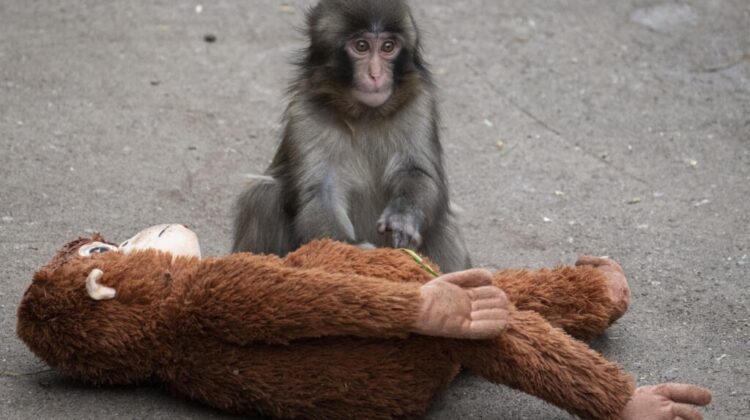
Japanese authorities have arrested two American nationals following a disruptive stunt at a zoo near Tokyo that recently gained international attention because of a baby macaque named Punch, whose story became widely shared online earlier this year.
According to police, one of the men allegedly climbed over a barrier and entered a restricted area surrounding the monkey enclosure at Ichikawa City Zoo, while the second individual filmed the incident.
Images circulating on social media appeared to show a person wearing a costume with a large smiley-face head and sunglasses as nearby monkeys scattered in response to the disturbance.
Zoo officials reportedly intervened quickly, and authorities said the individuals did not physically approach the animals before being detained.
The two men are facing allegations related to obstruction of business, though reports indicate they dispute the accusations.
The incident comes amid a surge in visitors to the zoo following the viral rise of Punch, a baby macaque that attracted widespread public sympathy after photos showed the infant clinging to a plush toy after reportedly being rejected by its mother.
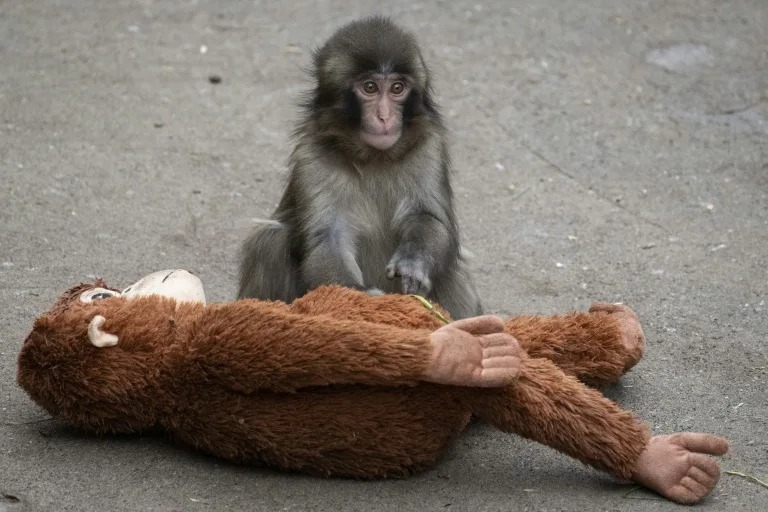
Punch’s story generated significant online attention, with social media users around the world following the young monkey’s development and rehabilitation.
The case has also renewed discussion in Japan about disruptive tourist behavior and the growing challenges associated with viral internet culture, livestreaming and social media stunts.
Japan has experienced record tourism growth in recent years, but a number of high-profile incidents involving foreign content creators and online personalities have fueled frustration among some residents and local authorities.
Animal welfare advocates also criticized the zoo incident, emphasizing that loud or unpredictable human behavior can create unnecessary stress for captive animals.
Experts note that zoos often enforce strict barriers not only for visitor safety, but also to protect animal well-being and maintain stable environments for sensitive species.
For many online observers, the reaction was shaped not only by the stunt itself, but by the fact that it involved an animal already viewed as emotionally significant by a large international audience.
Why viral animal stories increasingly affect tourism and online behavior
As social media continues to transform tourism and internet culture, viral animals and popular attractions are increasingly becoming targets for attention-seeking stunts, livestreams and content creation. This growing trend is raising broader concerns around animal welfare, public safety, influencer accountability and the economic impact of disruptive tourism behavior.
Leave a Reply